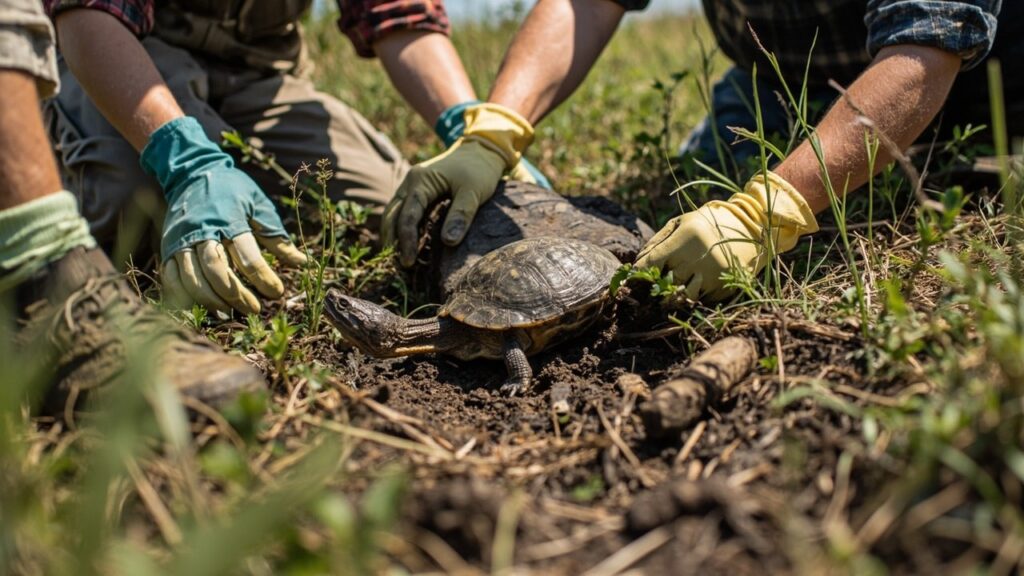
Combating illegal reptile trade requires coordinated law enforcement, wildlife agencies, communities, researchers and markets. International frameworks can support cooperation, but they do not automatically harmonize every country’s laws or solve the problem with a single technology.
Evidence and traceability
DNA can help identify species and sometimes population origin when validated reference data exist. Digital records and blockchain can preserve a chain of claims, but they cannot by themselves prove that an animal was legally sourced. Traceability works only when records, inspections and underlying evidence are credible.


Use technology for the right job
Satellite data can help map habitat risk or prioritize patrols, but it does not provide a generic real-time answer to trafficking. Enforcement tools need training, data protection, lawful process and collaboration with the people living near wildlife.
Captive breeding is not an automatic solution
Legal, independently verified breeding may help some species, but it can also be used to disguise wild capture if oversight is weak. Each program needs species-specific welfare, provenance and conservation evidence.
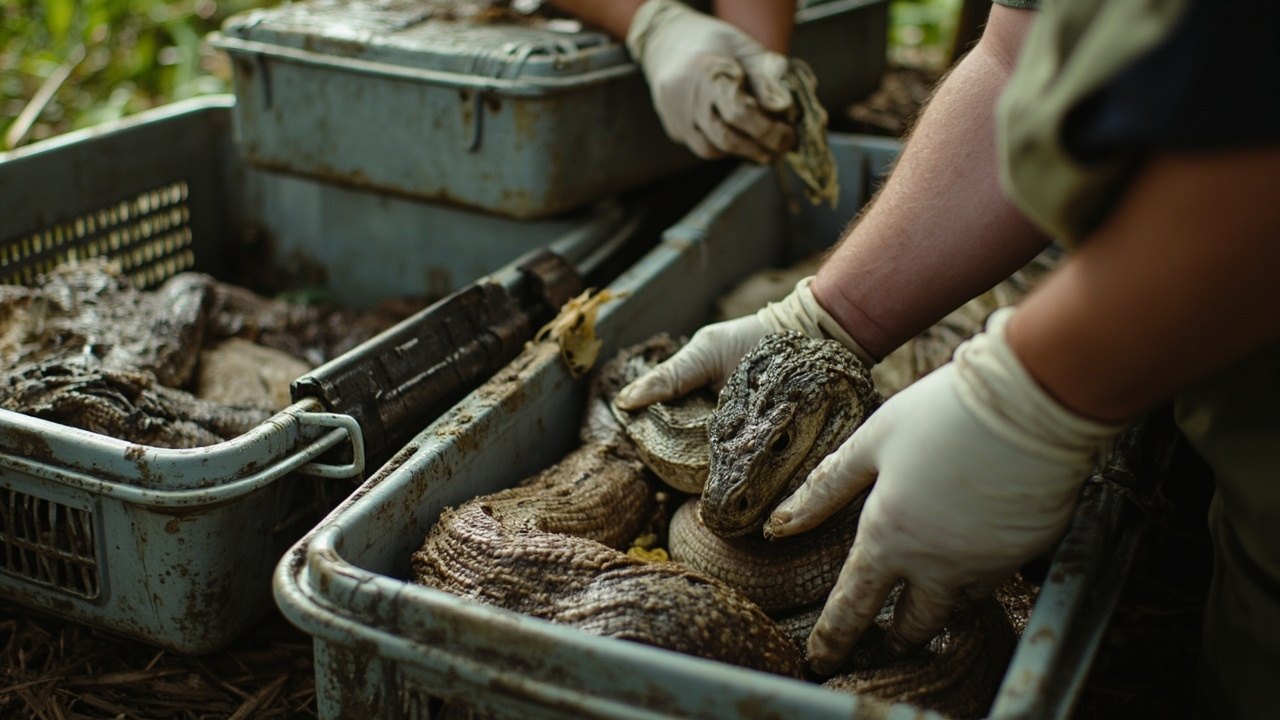
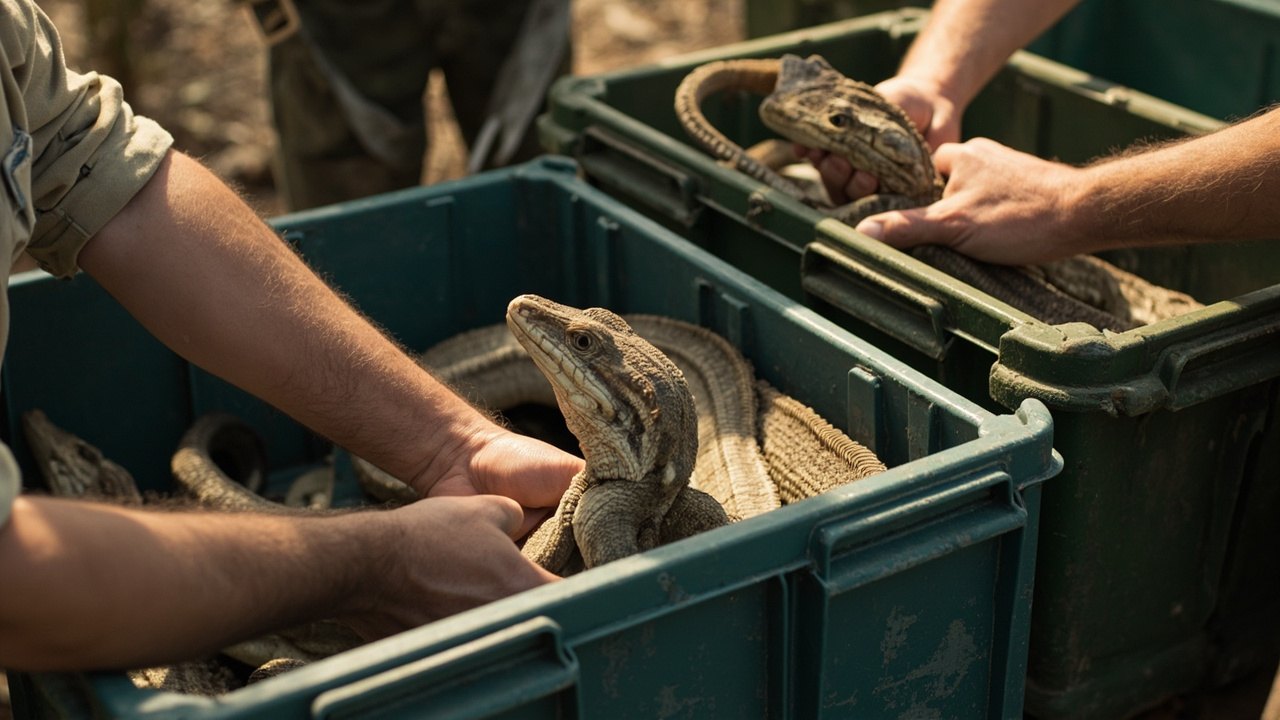
What buyers can do
Do not buy animals or products with unclear origin. Ask for lawful documentation, avoid impulsive purchases and report suspected illegal trade to the relevant wildlife authority rather than confronting sellers directly.
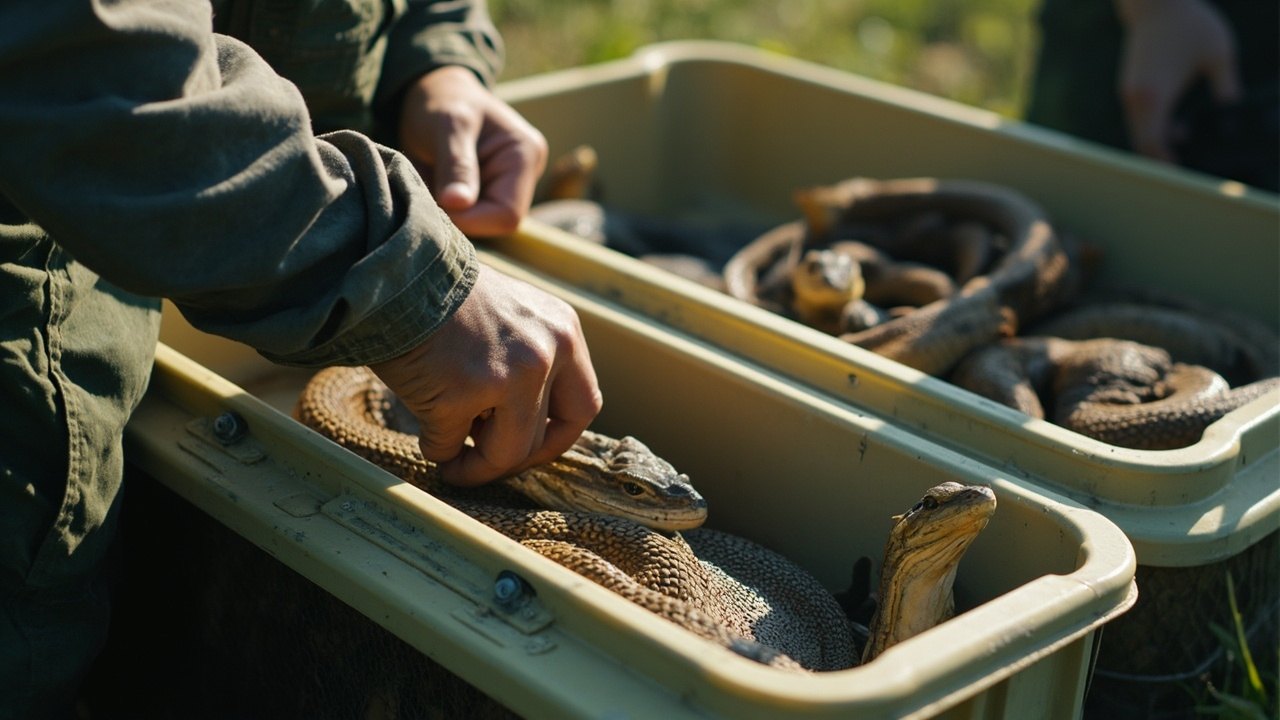
Demand Can Drive Collection Pressure
Rare colour forms, newly described species and claims of unusual origin can create demand that exceeds lawful supply. An advertisement, export document or digital record is not proof that an animal was legally bred. Meaningful traceability connects records to credible inspections, verified parentage where relevant and the laws of the country involved.
Enforcement works best with information from wildlife agencies, customs staff, researchers and communities near source habitats. Those partners may have different roles, and sensitive locations or investigation details should not be posted publicly. Public attention can help, but it can also increase interest in a species that is vulnerable to collection.
Technology Supports, Rather Than Replaces, Oversight
DNA, photographs, digital records and habitat monitoring can all provide useful evidence when methods are validated and staff are trained. They cannot determine legal origin by themselves. Data protection and lawful handling of information are also essential, especially when records identify people or sensitive wildlife sites.
Buyers Can Avoid Creating a Market
Do not buy an animal with unclear origin or missing lawful documentation. Report suspected illegal trade to the relevant authority rather than confronting a seller. Responsible choices reduce demand without putting an individual or an investigation at unnecessary risk.
Sources and review notes
Reviewed 23 August 2026. Conservation is rarely a one-step success story. We have kept the language specific about evidence, limits and local context, because a programme that helps one population may not transfer neatly to another.
Reference starting points: The IUCN Red List of Threatened Species, IUCN conservation-translocation guidelines, and the current CITES Appendices. Conservation status, taxonomy and local laws can change, so check the linked databases and the relevant local authority for current information.
Spotted something we should revisit? Send Reptile Explorer a correction—thoughtful reader feedback is always welcome.