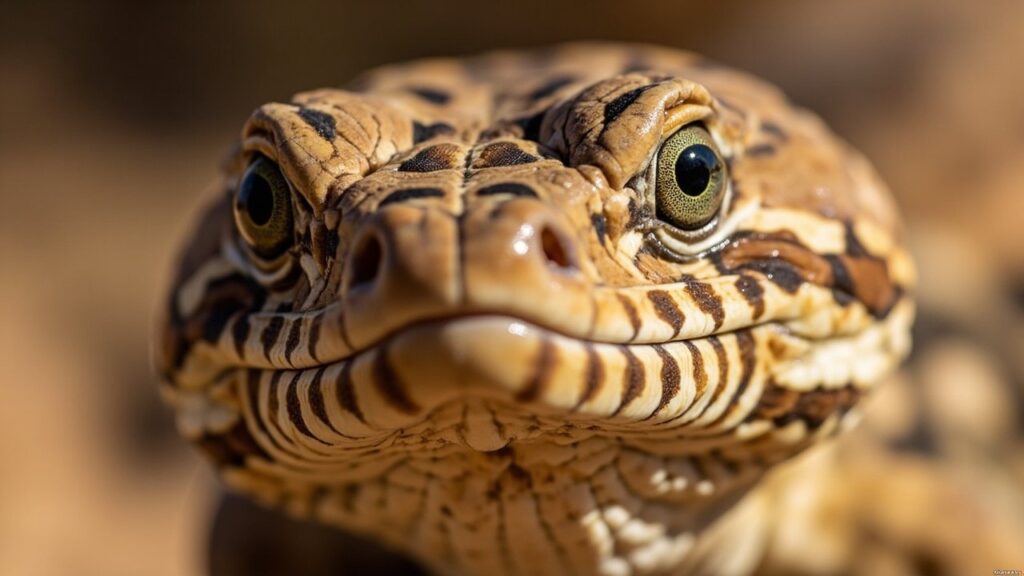
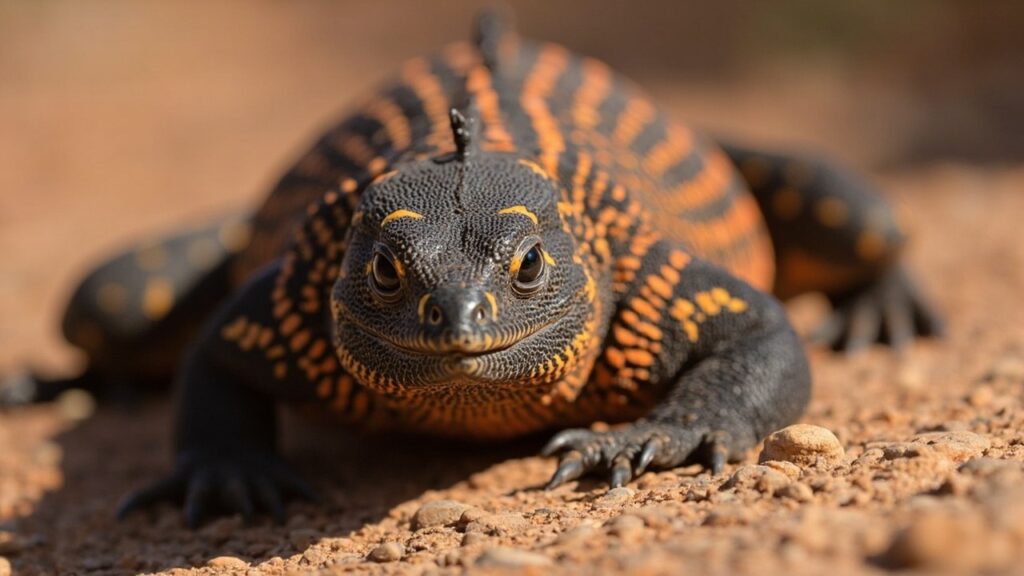
The Chihuahuan Desert contains grasslands, scrub, rocky slopes, arroyos and mountain islands, so its reptiles are more varied than a single desert stereotype suggests. Activity patterns, shelters and diet differ by species and season.
Name species accurately
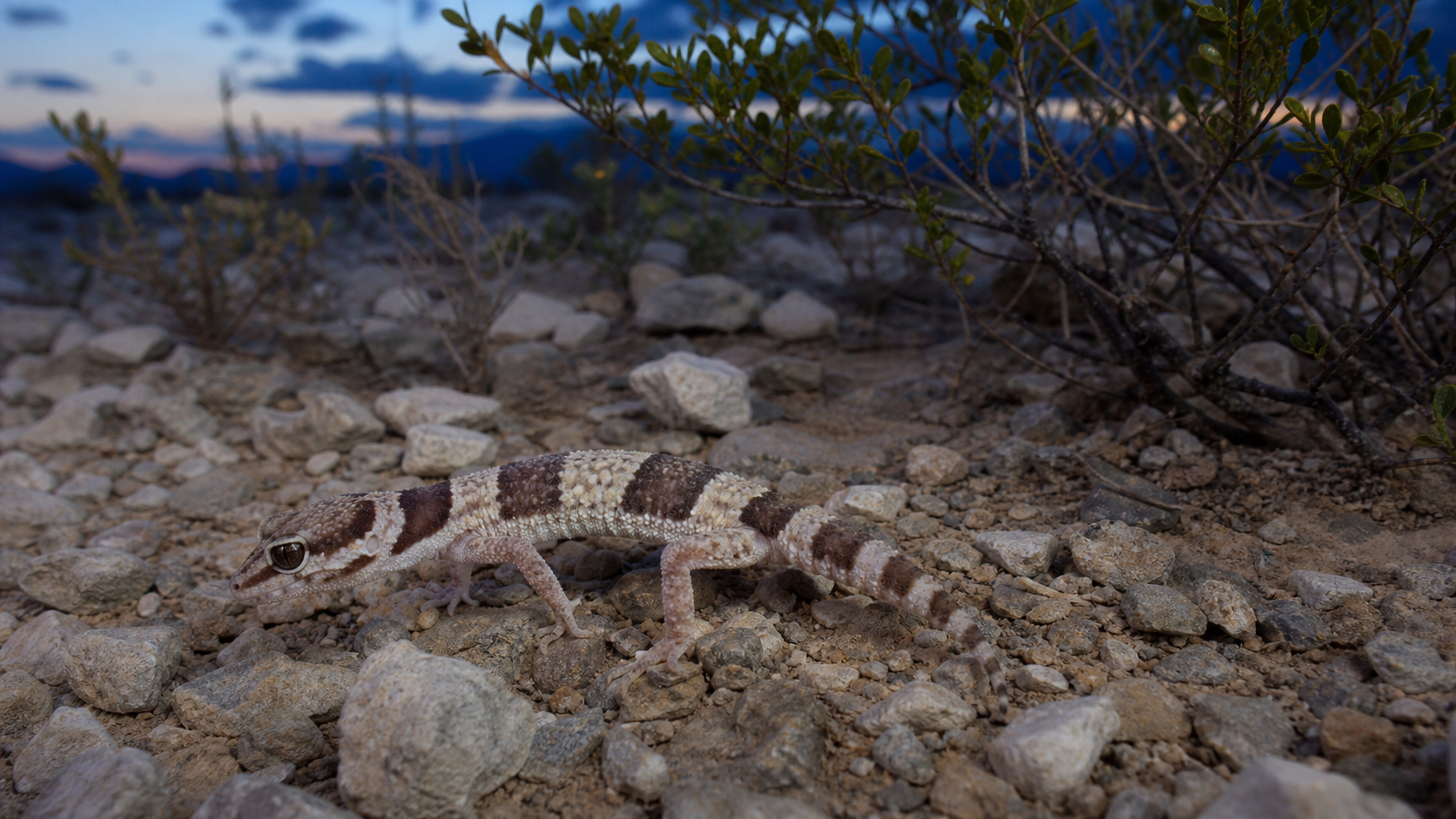
The Texas banded gecko (Coleonyx brevis) is a gecko, not a spiny lizard. It should be listed separately from Sceloporus spiny lizards. The western marbled whiptail (Aspidoscelis marmoratus) is not the classic obligately all-female whiptail; reproduction in whiptails must be described at the correct species level.

Desert survival is diverse
Reptiles may use burrows, rock crevices, vegetation and carefully timed activity to avoid dangerous conditions. Avoid universal claims about nocturnality, water storage or parthenogenesis, because an adaptation in one lizard does not define the entire desert fauna.
Observe responsibly
Do not collect reptiles, turn over rocks and leave them displaced, or drive off-road through fragile habitat. A clear photograph and location note are safer than close handling.
Conservation starts with habitat
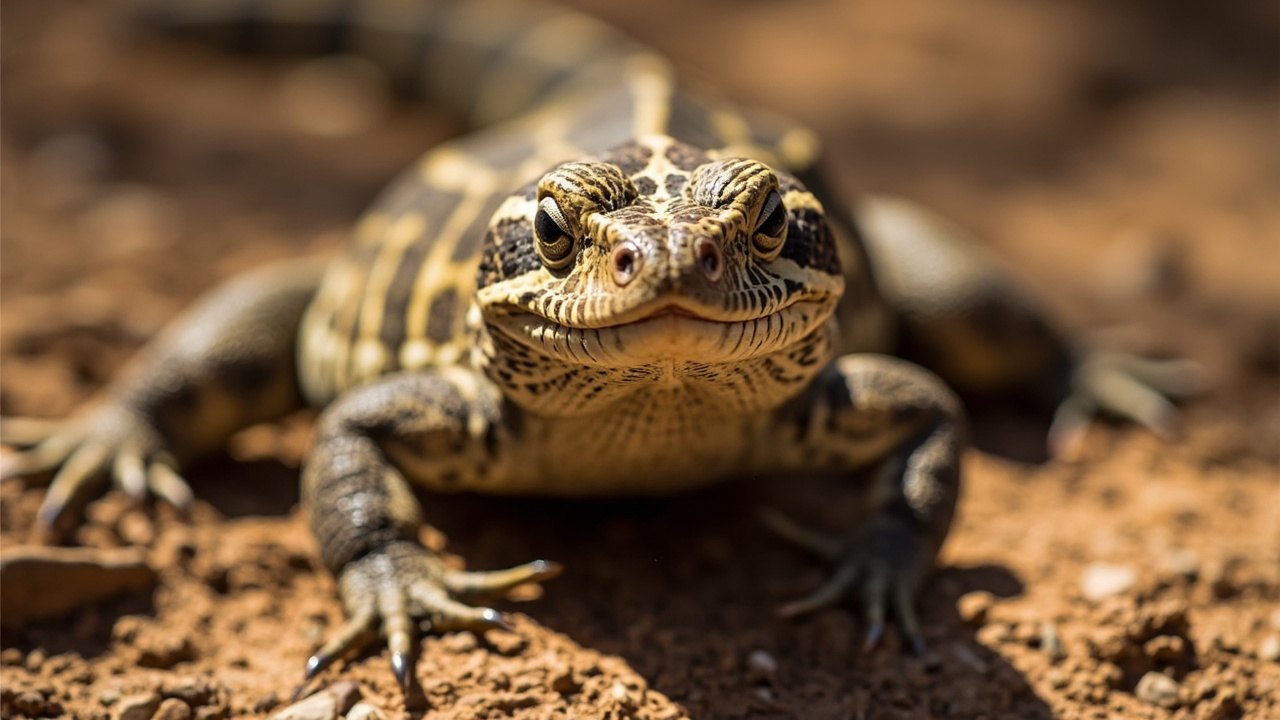
Connected habitat, intact ground cover and reduced road mortality support desert wildlife. Local park and wildlife agencies can provide current guidance for particular sites.
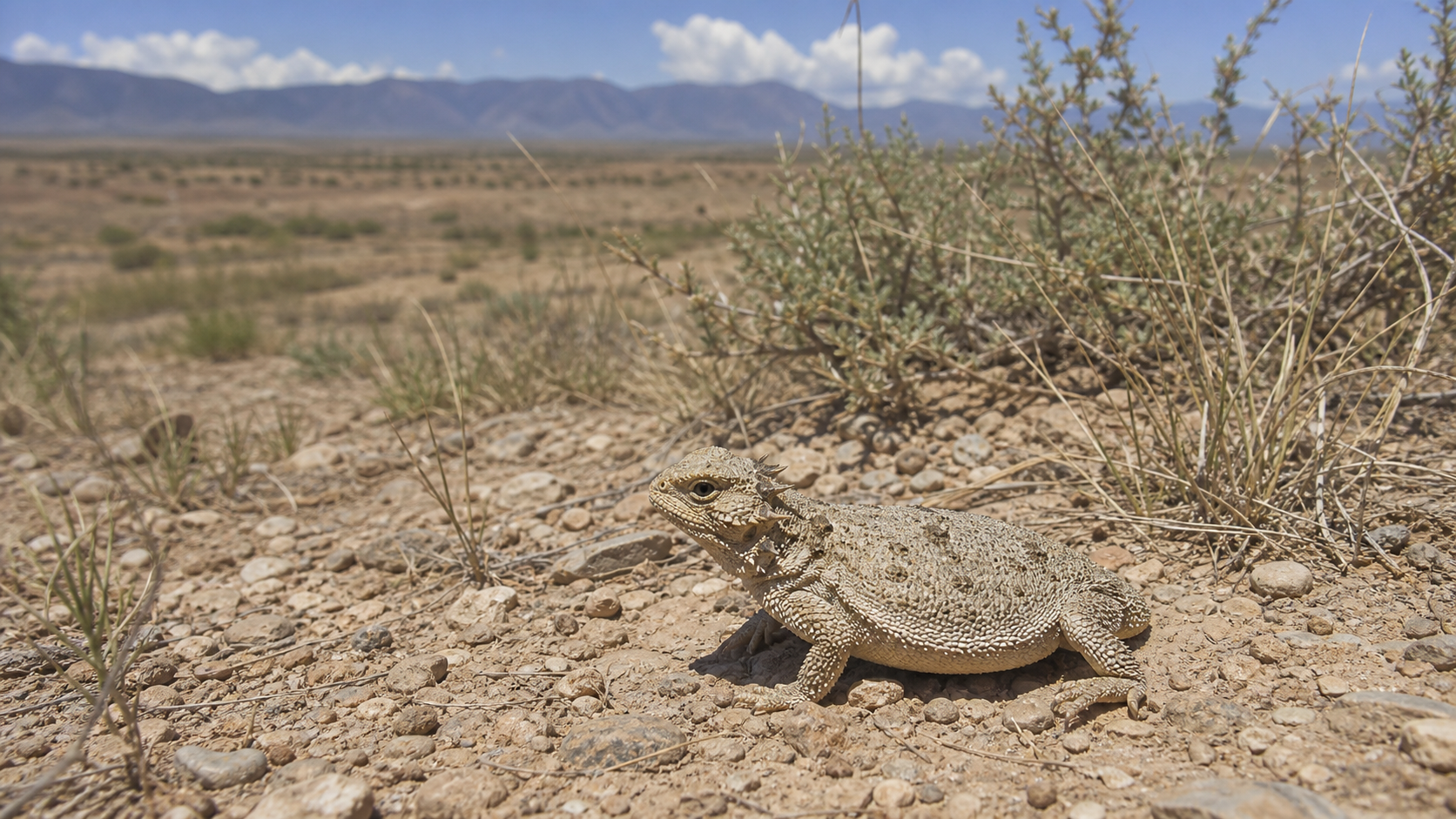
Elevation and Rain Shape the Chihuahuan Desert
The Chihuahuan Desert includes grasslands, shrublands, rocky slopes, basins and river corridors across parts of Mexico and the United States. Elevation and summer rainfall distinguish many sites from hotter low-elevation deserts farther west. Reptile habitat can change across a short distance as soil, vegetation, shade and access to water change.
A lizard, snake or turtle recorded in one desert valley should not be assumed to occur on a nearby mountain slope or river corridor. Accurate descriptions link a species to the microhabitat it uses rather than treating the whole region as uniform.
Activity Depends on More Than Air Temperature
Surface heat, burrows, rock crevices, vegetation and time of day can all affect when a reptile is active. Seasonal rains can alter prey and cover, while long dry periods can restrict available resources. These patterns are species-specific, so a general desert survival story should not replace field records.
Protect Refuge and Movement Routes
Roads, development, collection and off-route vehicles can fragment habitat or damage shelter. Visitors can help by leaving rocks and burrows intact, watching from a distance and reporting observations through appropriate local projects without disclosing sensitive locations.
Sources and review notes
Reviewed 23 August 2026. Reptile biology is wonderfully variable. We have avoided turning one species, photograph or dramatic observation into a rule for an entire group, and we have used cautious wording where evidence or local conditions differ.
Reference starting points: The Reptile Database, The IUCN Red List of Threatened Species, and PubMed-indexed research. Conservation status, taxonomy and local laws can change, so check the linked databases and the relevant local authority for current information.
Spotted something we should revisit? Send Reptile Explorer a correction—thoughtful reader feedback is always welcome.