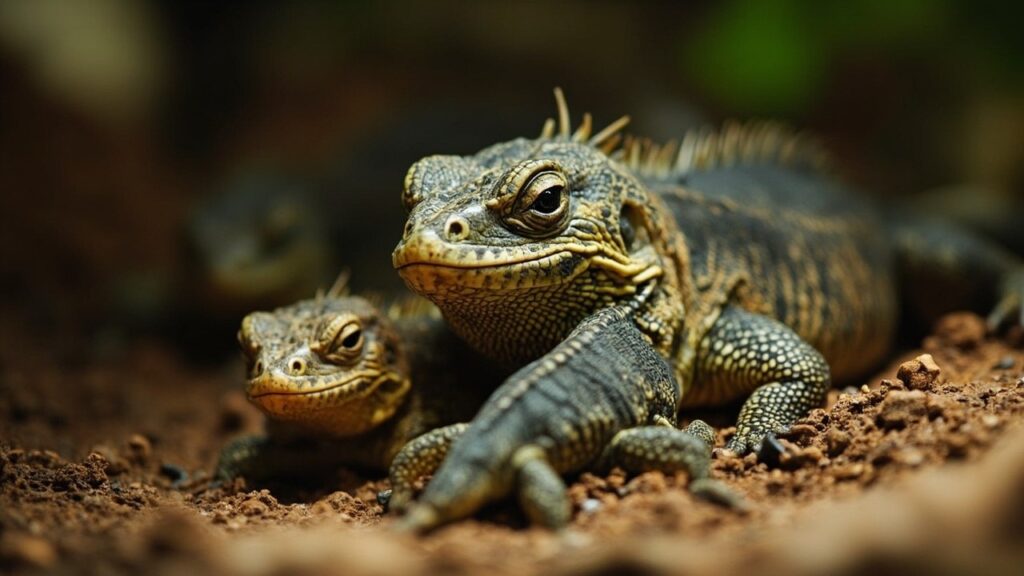
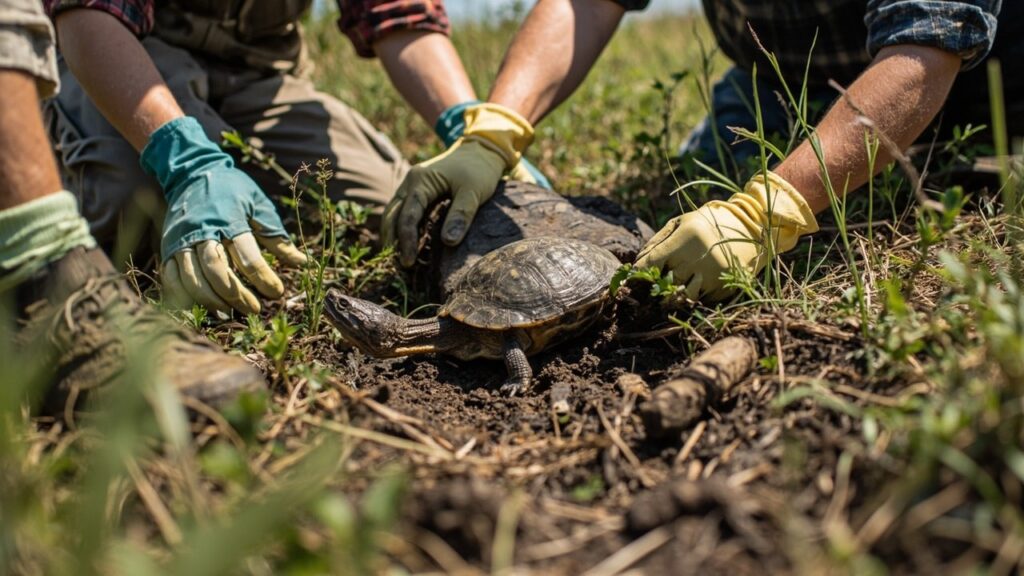
International reptile conservation depends on specialist networks, government agencies, Indigenous and local communities, researchers, NGOs and site managers working together. Reptiles face different threats in different places, so effective projects are built around a species, a location and measurable conservation needs rather than broad promises.
What sound collaboration looks like
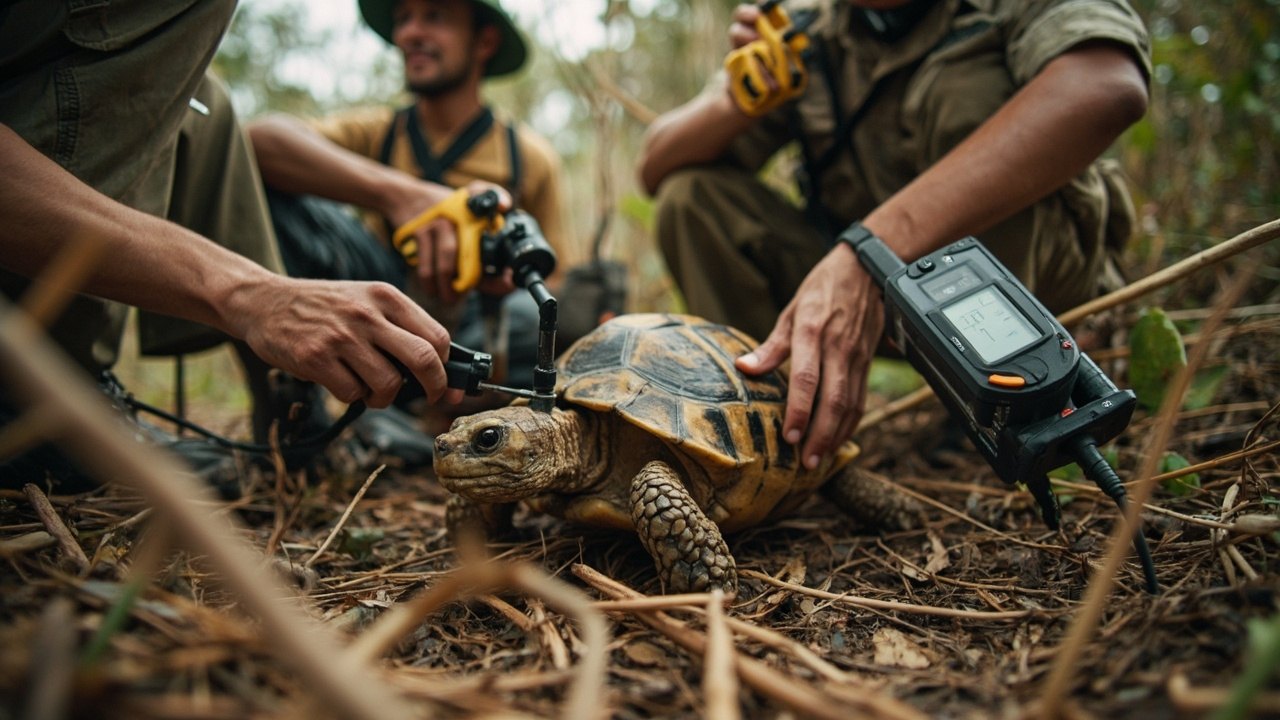
Useful partnerships combine field surveys, habitat protection, local knowledge, legal compliance, welfare standards and long-term monitoring. IUCN specialist groups help assess threats and develop action plans, while regional networks can connect practitioners and share methods across boundaries.

From aspiration to evidence
Claims about a project should distinguish planned work from verified outcomes. A supply chain is not automatically sustainable or humane because it uses conservation language; traceability, monitoring, animal welfare and conservation benefits need independent evidence. Trade-focused standards can be valuable tools when their requirements and results are transparent.
Examples of complementary roles
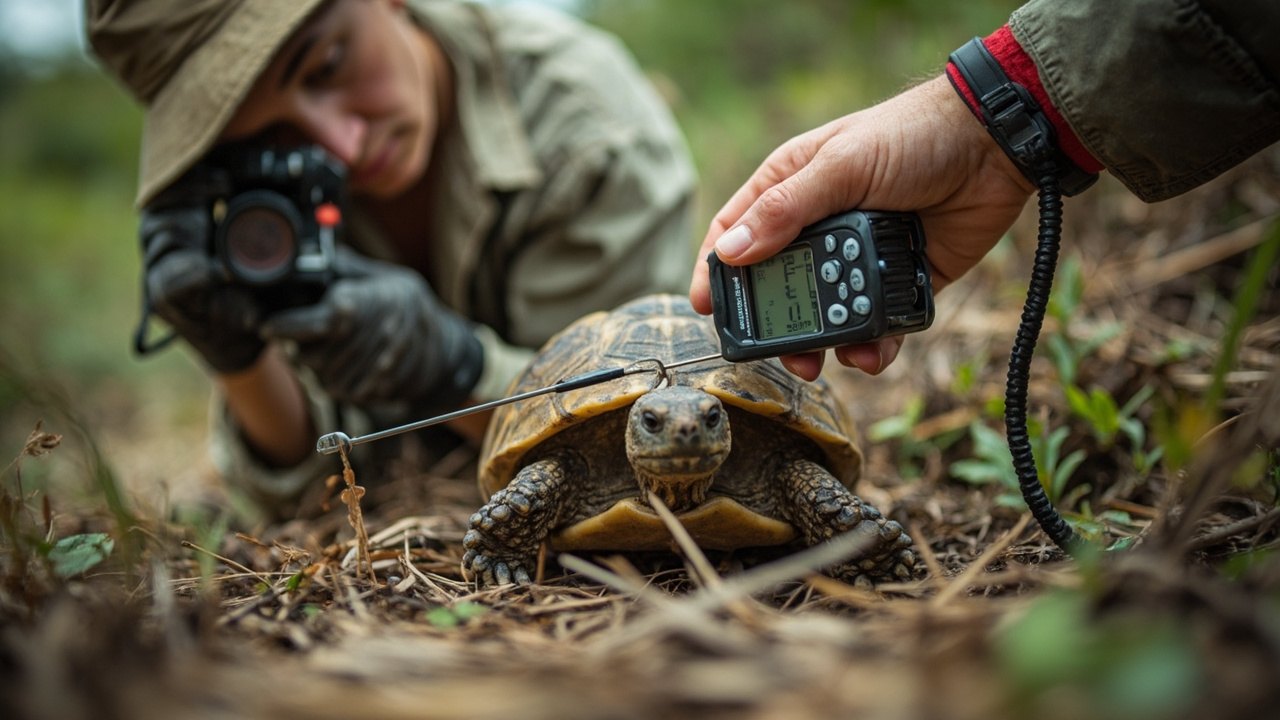
Organizations such as Turtle Survival Alliance support turtle and tortoise projects internationally, while PARC connects conservation partners across North America. Their work is most meaningful when paired with credible site-level data and accountable local leadership.
How readers can help
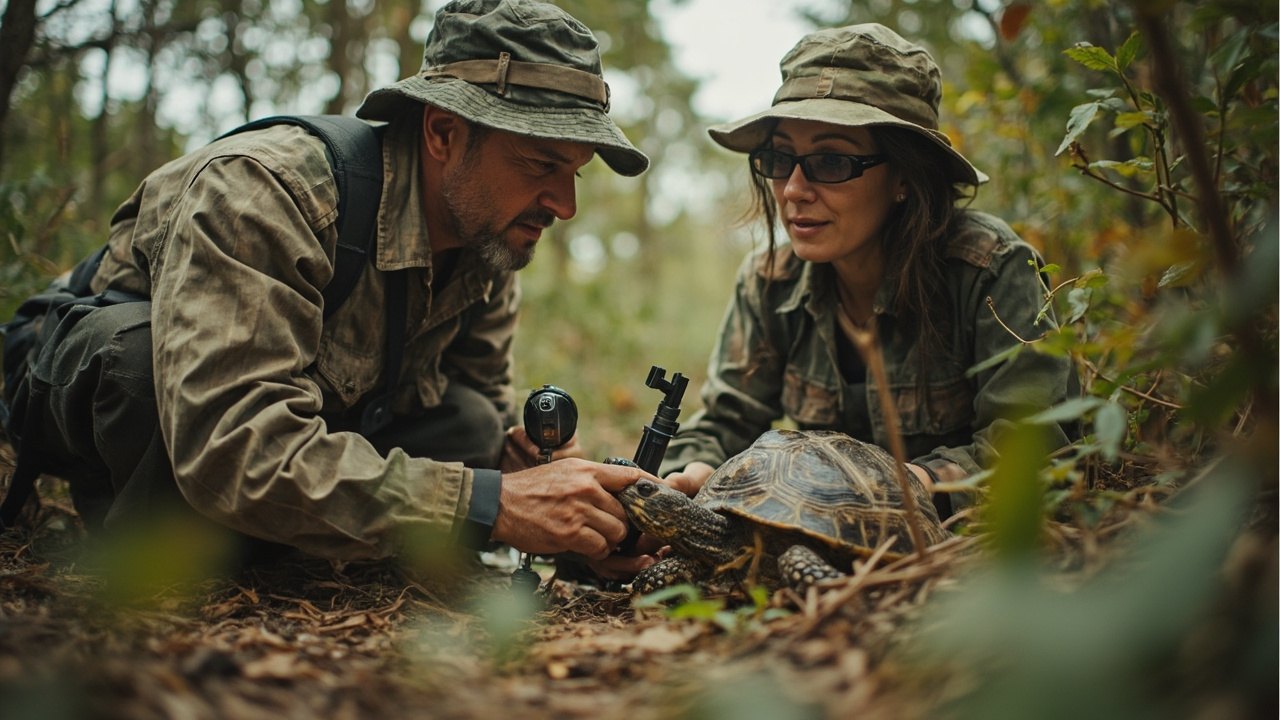
Support organizations that publish methods and results, avoid buying wild-caught animals or products of uncertain origin, and follow local wildlife laws. Sharing accurate information is more helpful than repeating unverified rescue totals or dramatic species stories.
Partnerships Need Clear Authority and Credit
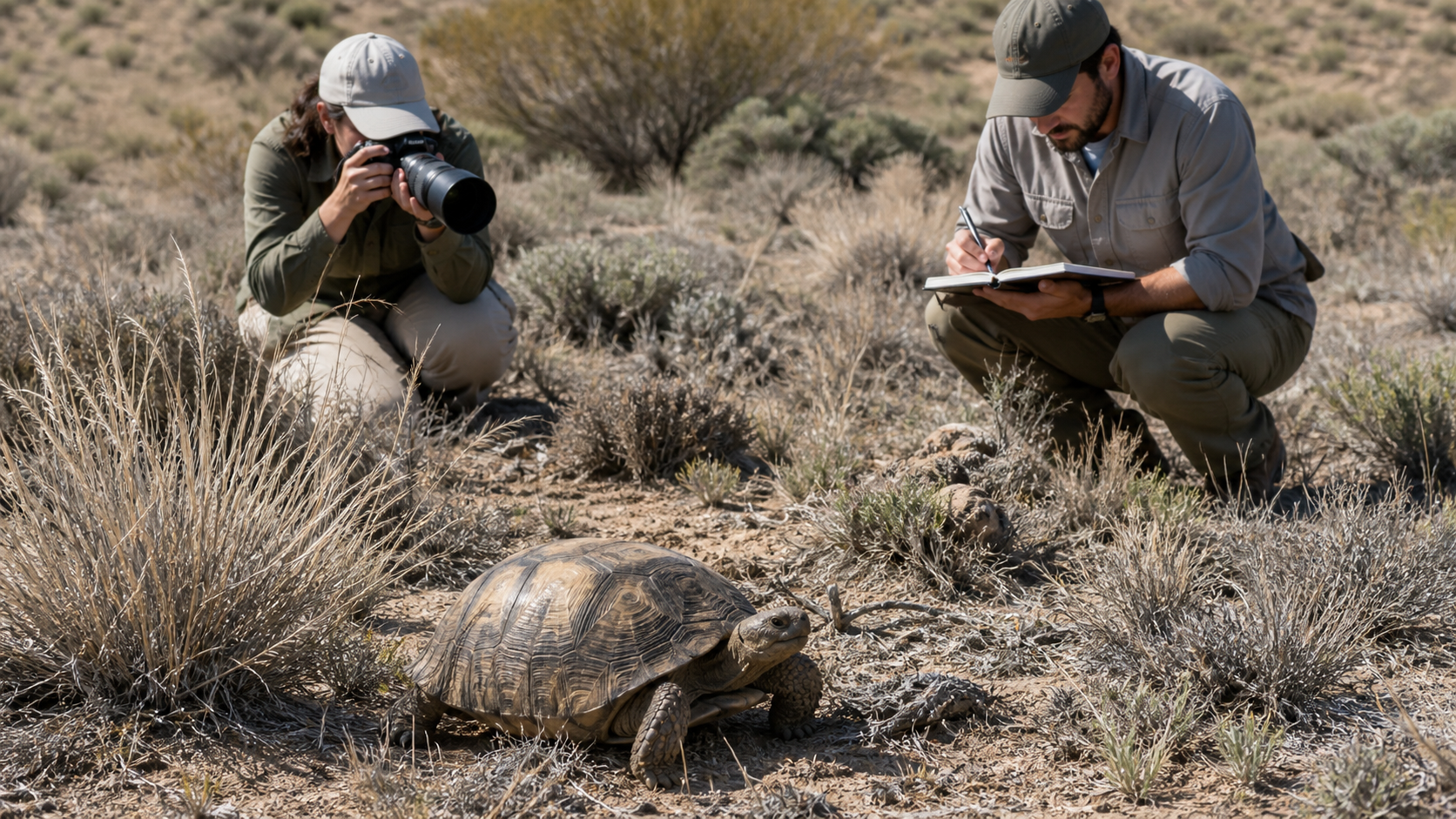
Good collaboration defines who holds permits, who makes site decisions, how local knowledge is recognised and how results are shared. International funding or technical support does not replace authority held by the people and institutions responsible for a place. Agreements are stronger when they set out roles before fieldwork begins.
Sharing Data Can Protect or Expose Wildlife
Maps, photographs and trade records can help identify threats, but they can also reveal nesting areas or routes used by collectors. Sensitive information should be handled through appropriate partners and access controls. Public communication can describe the work without publishing details that put animals or communities at greater risk.
Local Capacity Keeps Work Going
Training, stable employment, equipment maintenance and long-term monitoring help a project continue after one grant or survey team leaves. A collaboration is most useful when it strengthens the ability to manage habitat, enforce rules and respond to new evidence within the region itself.
Sources and review notes
Reviewed 23 August 2026. Conservation is rarely a one-step success story. We have kept the language specific about evidence, limits and local context, because a programme that helps one population may not transfer neatly to another.
Reference starting points: The IUCN Red List of Threatened Species, IUCN conservation-translocation guidelines, and the current CITES Appendices. Conservation status, taxonomy and local laws can change, so check the linked databases and the relevant local authority for current information.
Spotted something we should revisit? Send Reptile Explorer a correction—thoughtful reader feedback is always welcome.