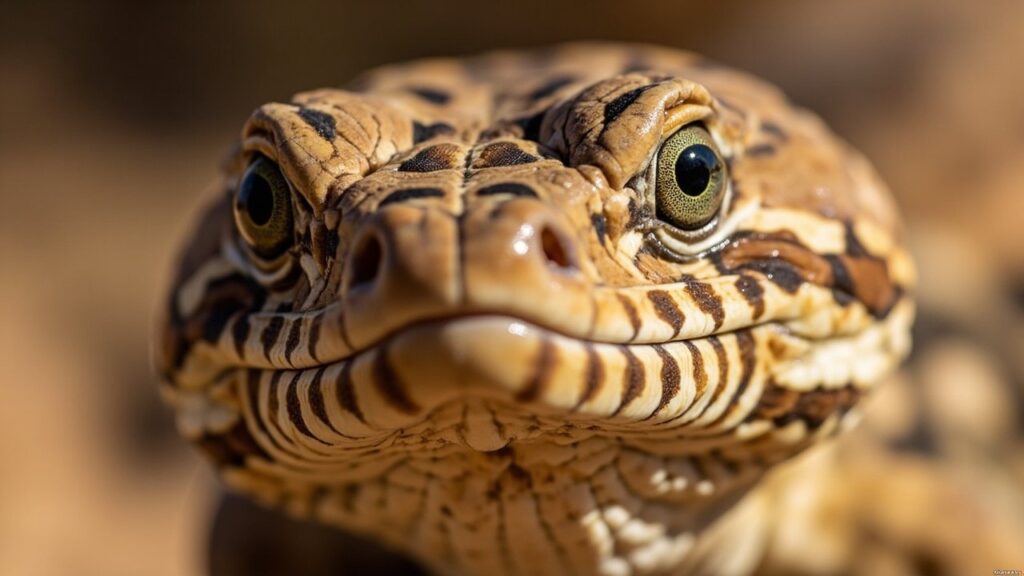
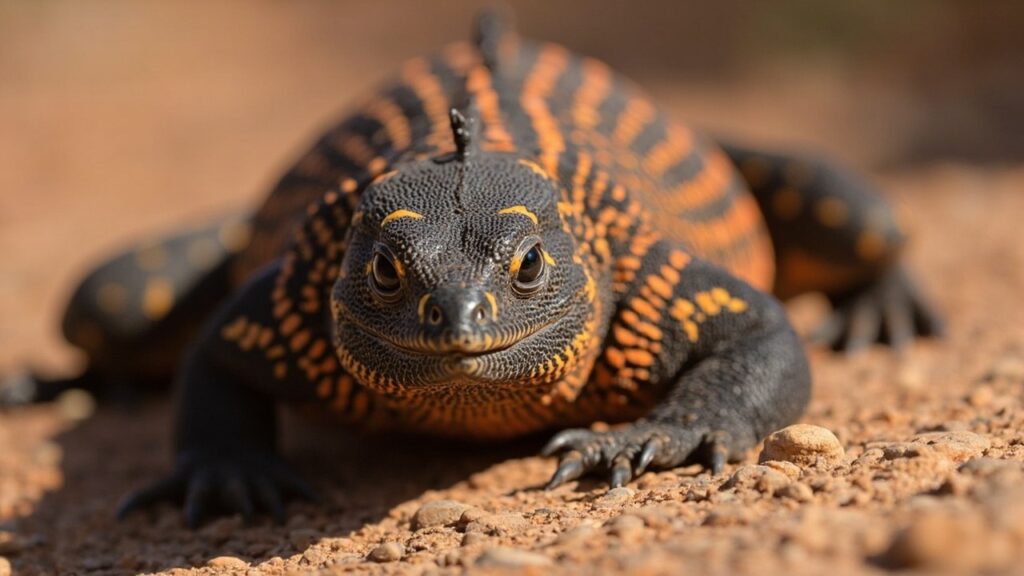
Mojave Desert reptiles do not all keep the same schedule. Activity changes with species, season and temperature: many animals avoid extreme daytime heat, while others are primarily active in daylight. Describing every Mojave reptile as nocturnal overlooks this diversity.
Night-active and secretive species
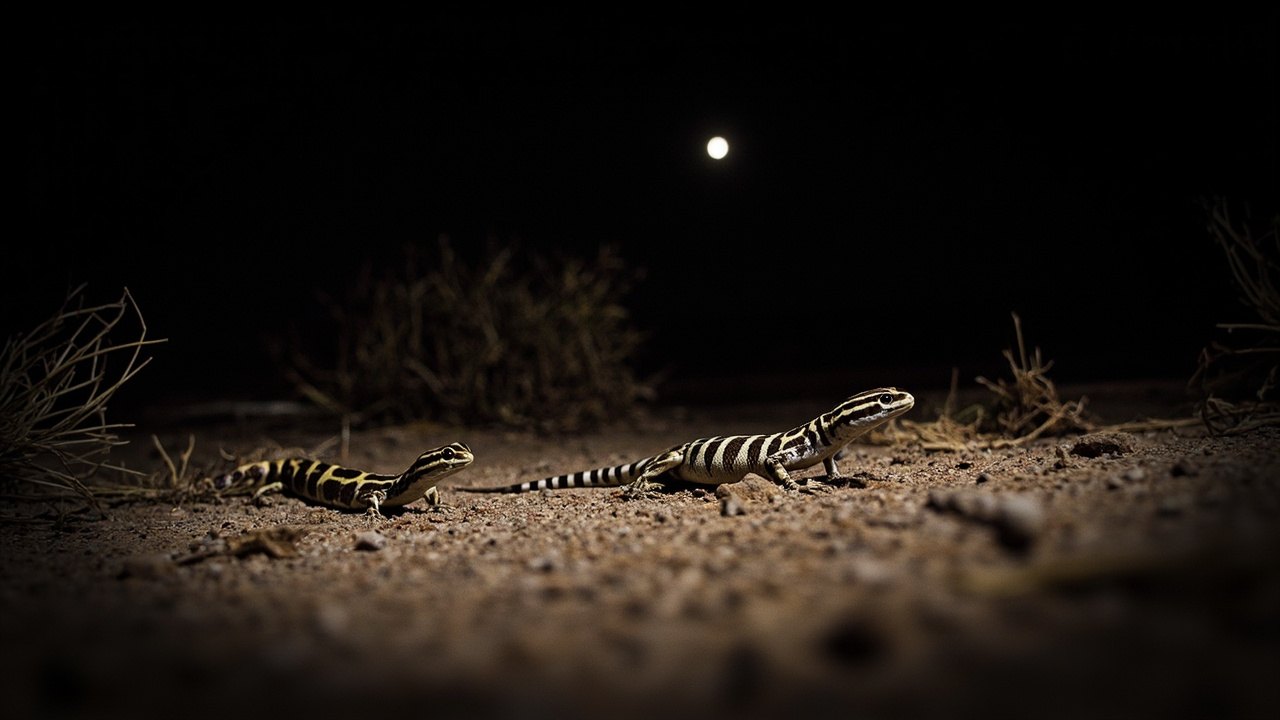
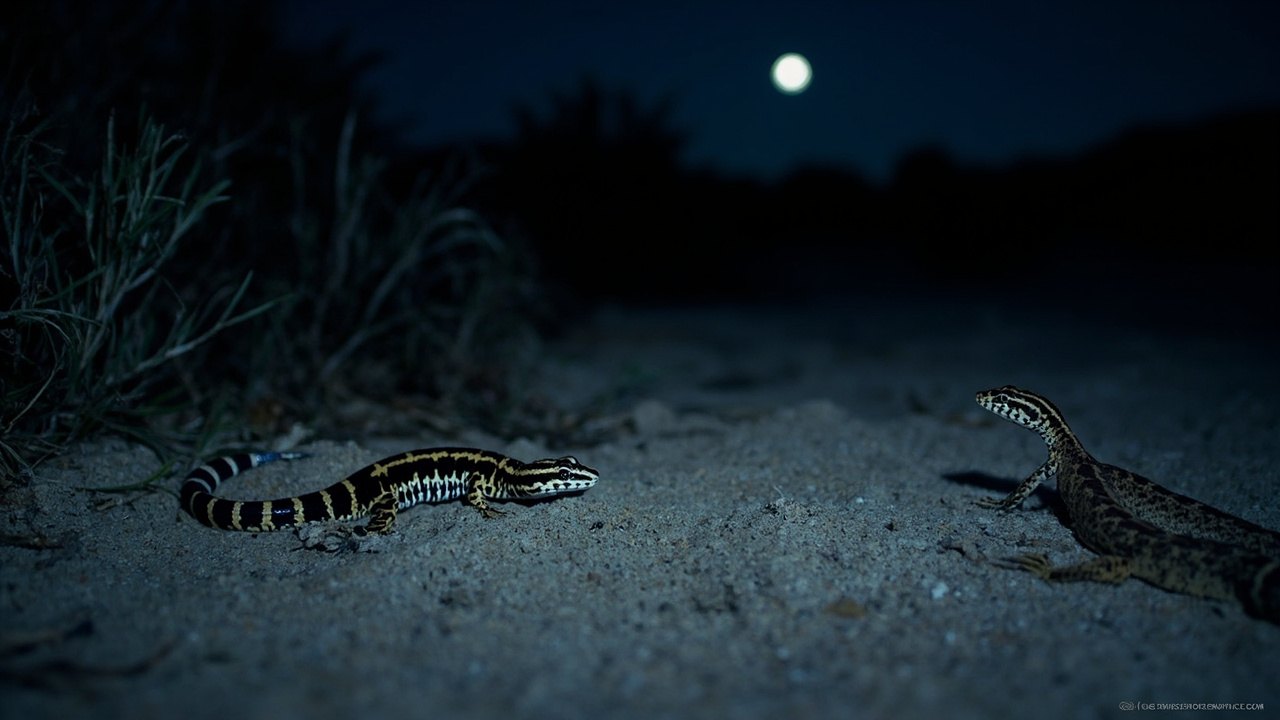
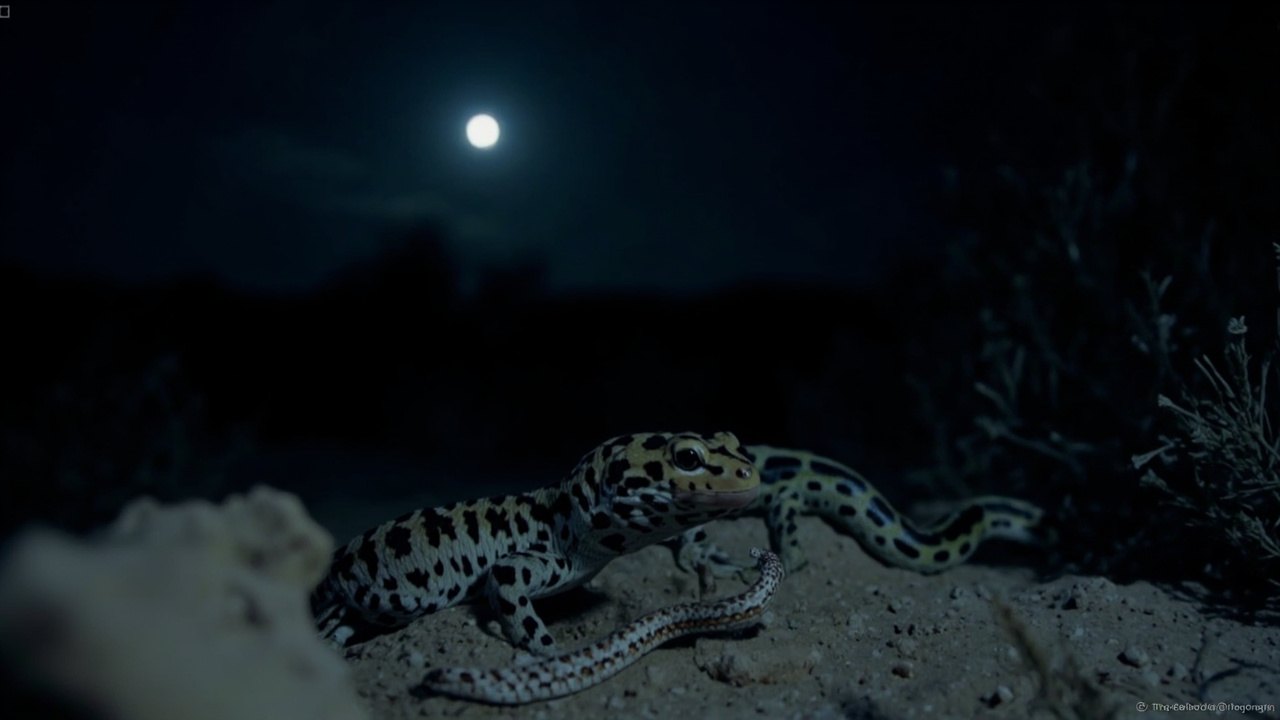
Desert banded geckos, night snakes, blind snakes and sidewinders are among reptiles that may be active at night or in low light. Desert night lizards are especially secretive and spend much of their time beneath cover such as fallen Joshua-tree branches, yucca debris, rocks and crevices rather than moving openly across the surface.
Day-active neighbors
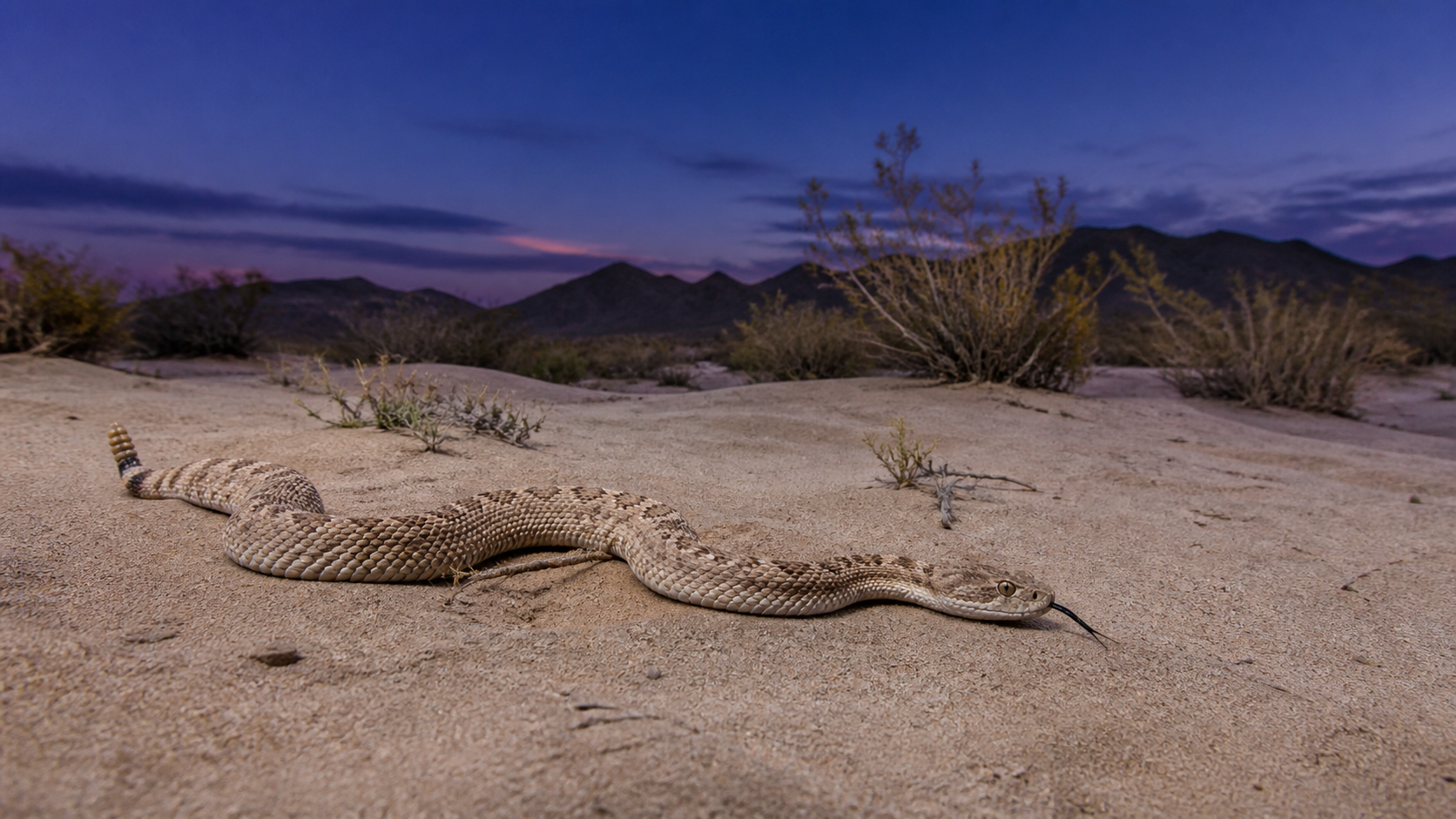
Desert tortoises and chuckwallas are primarily day-active, using shade and burrows to manage heat. Mojave rattlesnakes have infrared-sensitive facial pits that help detect warm prey, but their activity also depends on weather and season. There is no coral snake native to the Mojave Desert.
Observe with care
Use established trails, lift nothing from the ground and never handle a snake or lizard. Reptiles may be difficult to see precisely because their camouflage and sheltering behavior work well. A photograph from a respectful distance is safer than trying to identify an animal by touching it.
Protecting desert habitat
Off-road damage, unnecessary collection and disturbance of cover objects can harm reptiles even when an animal is not visible. Leave rocks, logs and desert vegetation where they are, and follow park-specific rules for wildlife observation.
Temperature Changes From Ground to Shelter
Desert surface temperatures can be very different from those inside a burrow, under a rock or beneath vegetation. Reptiles use those small differences to avoid dangerous heat and conserve water. A species that appears at dusk may still spend part of the day in a sheltered microhabitat. Activity is shaped by recent weather, season, body size and the choices available at a particular site.
Night Activity Is Not a Spectacle
Bright lights, lifting rocks and close pursuit can disturb animals that are trying to feed, travel or reach cover. Use established routes, keep noise low and view wildlife from a distance. A flash photograph or road stop should never create a traffic hazard or block an animal’s route. The best sighting leaves the reptile able to continue its normal behaviour.
Desert Protection Includes Connectivity
Burrows, washes, vegetation patches and rocky ground can serve different functions across a small area. Off-road driving, construction and removal of natural cover can break links between those places. Protecting only the open ground where an animal is seen misses the refuges and movement routes that help it survive through changing conditions.
Sources and review notes
Reviewed 23 August 2026. Reptile biology is wonderfully variable. We have avoided turning one species, photograph or dramatic observation into a rule for an entire group, and we have used cautious wording where evidence or local conditions differ.
Reference starting points: The Reptile Database, The IUCN Red List of Threatened Species, and PubMed-indexed research. Conservation status, taxonomy and local laws can change, so check the linked databases and the relevant local authority for current information.
Spotted something we should revisit? Send Reptile Explorer a correction—thoughtful reader feedback is always welcome.