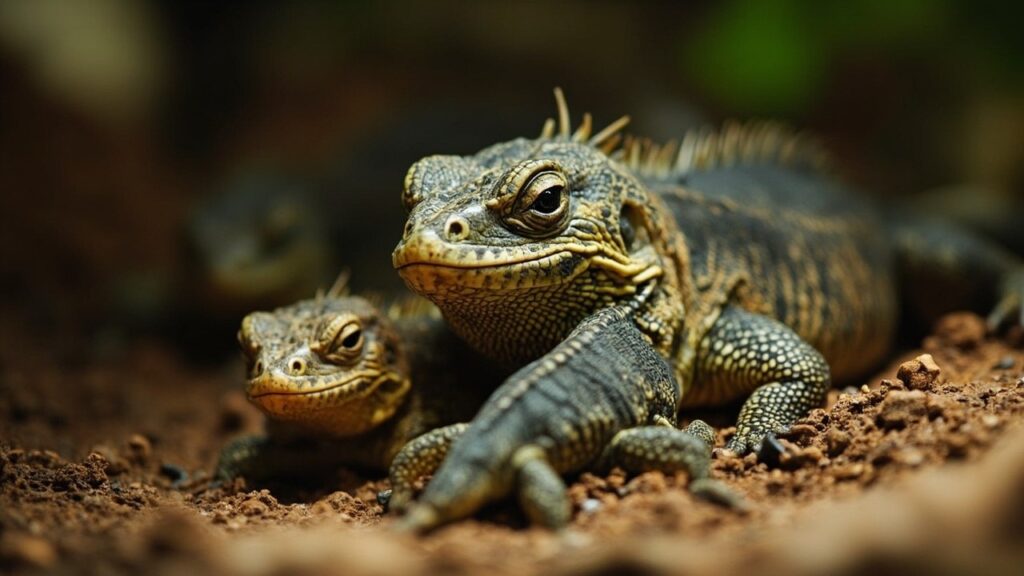
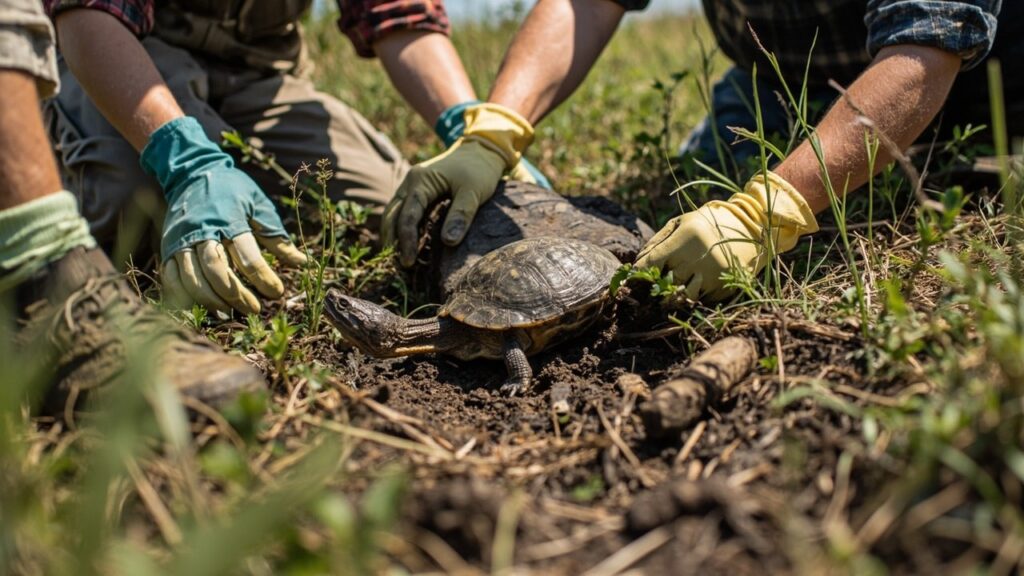
Human-reptile conflicts are best prevented with local, species-specific measures. Reduce rodent and food attractants, limit clutter that creates hiding places and use locally recommended exclusion only after confirming animals can leave safely. Do not rely on a generic odor, sound or homemade repellent.
If you encounter a reptile
Keep people and pets away, give the animal an escape route and never try to identify a snake by its head shape or behavior. Do not touch, capture or relocate it yourself. If it cannot safely remain, contact an authorized wildlife professional who knows the relevant local law and species.

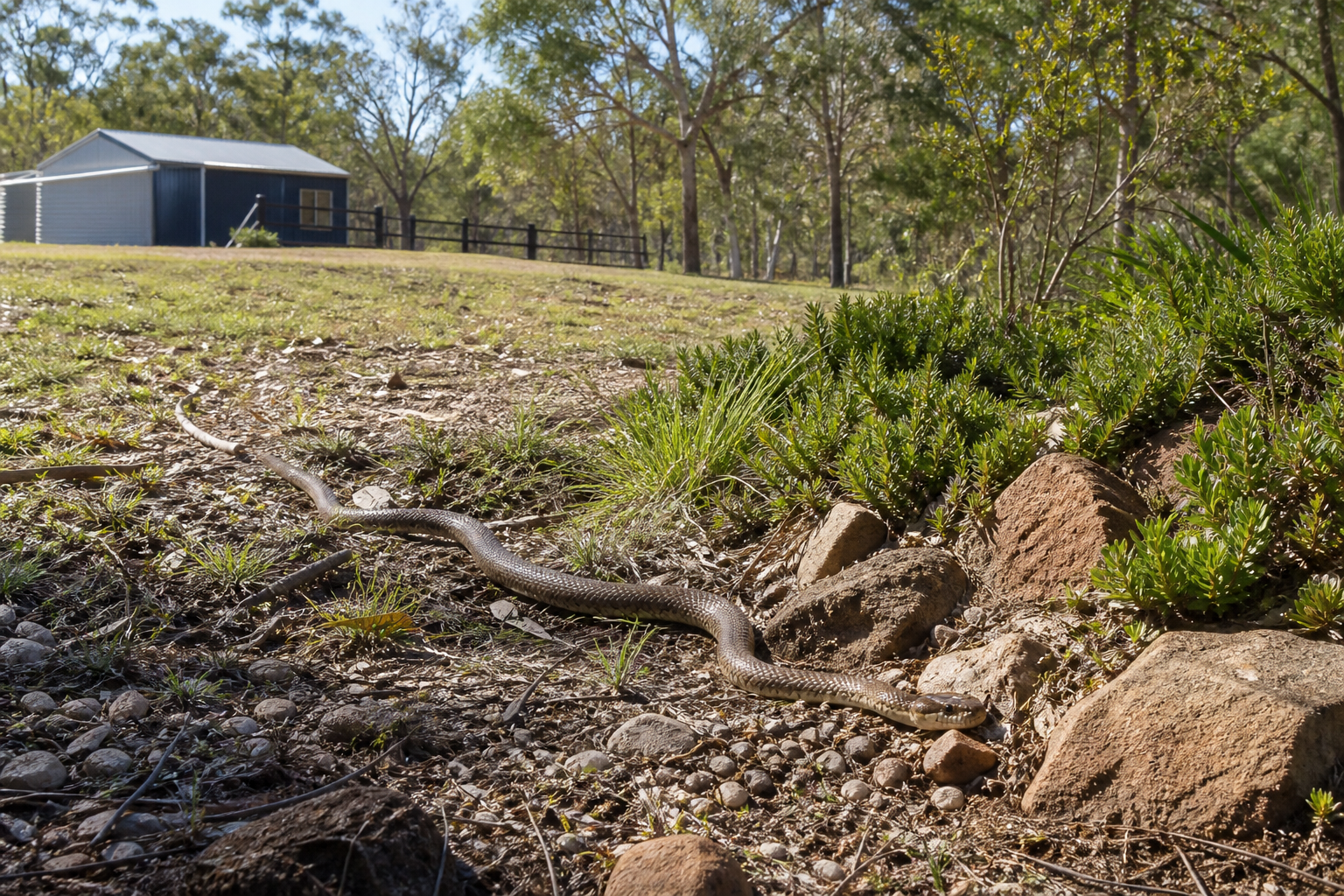
Avoid harmful responses
Poisons, glue traps, smoke and improvised capture can injure animals, pets and people. DIY removal also increases the chance of a bite. Prevention works better when it is planned around the property, the likely species and the season rather than an attempt to control every reptile on sight.
If a snakebite occurs
Move away from the snake, remove tight jewelry or clothing near swelling and keep the affected person calm and as still as practical while obtaining urgent medical care. Do not use a tourniquet, cut or suck the wound, apply ice or try to catch the snake.
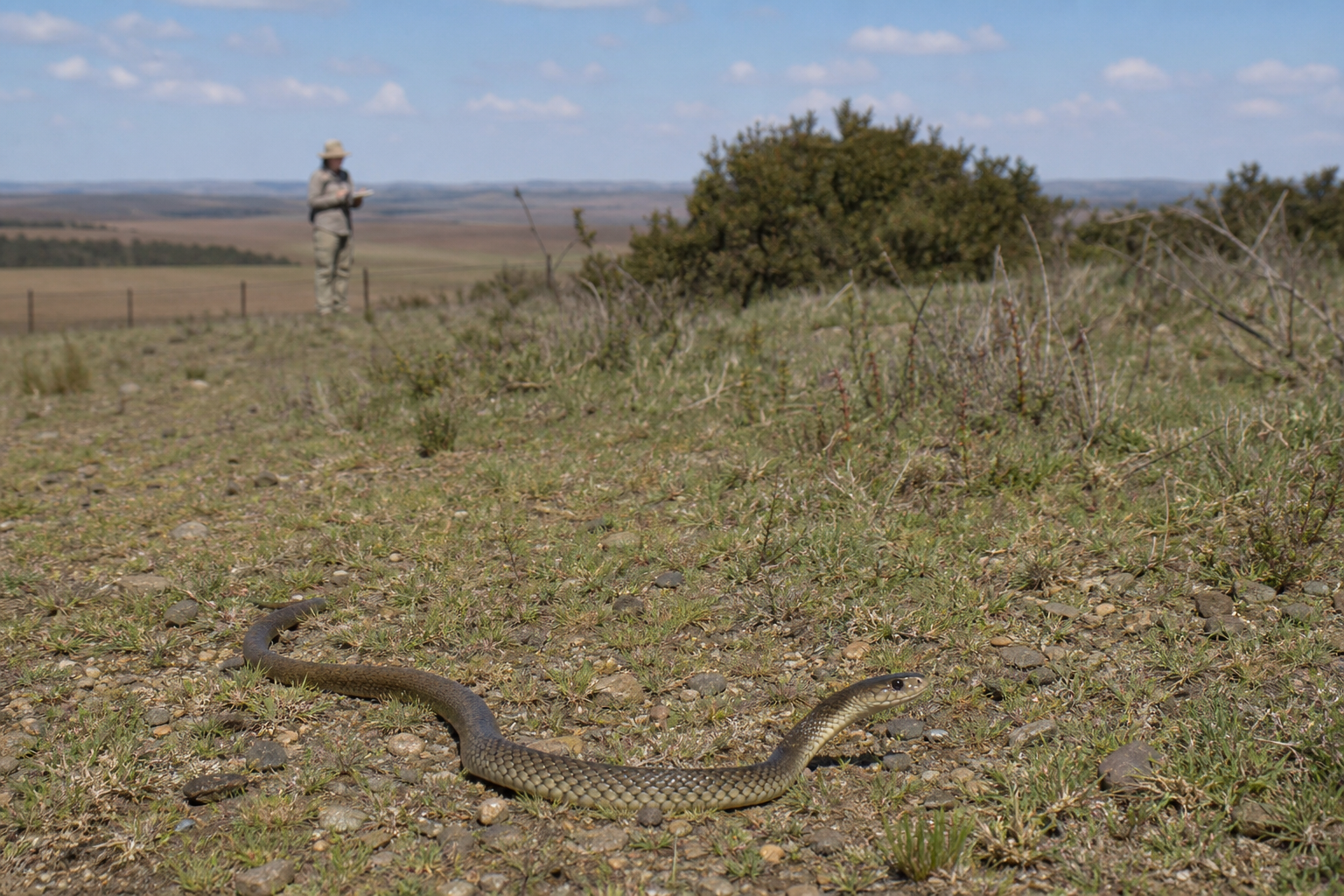
Coexistence is practical
Many reptiles help regulate food webs and avoid people when given space. Clear information, careful property maintenance and professional help when needed protect both residents and wildlife.
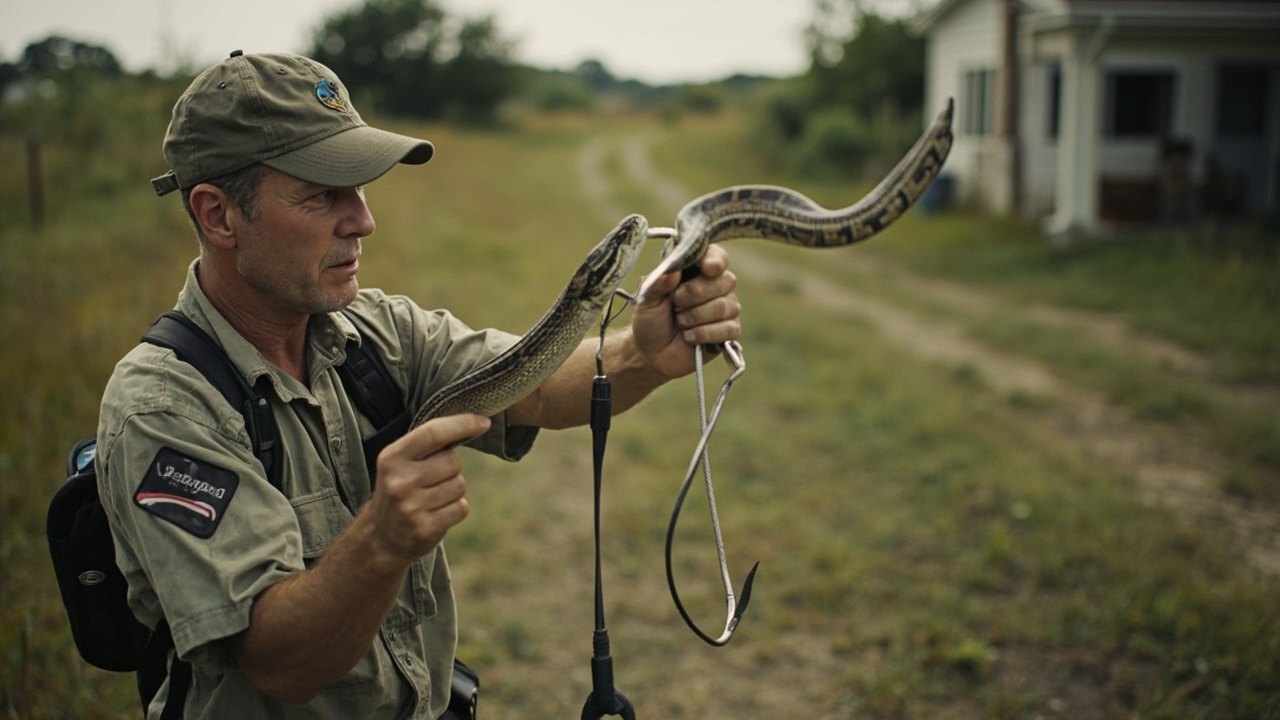
Prevention Starts With a Property Check
Look for gaps around buildings, stored materials, unsecured food waste and conditions that attract rodents. Exclusion work should be planned so an animal is not sealed inside a structure. A local wildlife professional can identify likely entry points and explain which measures are lawful and appropriate for the species in that area. Repeated pesticide or repellent use is not a substitute for fixing the cause.
Good Reports Help Agencies Respond
A report is more useful when it gives a safe description of the location, the time and the situation without requiring close identification. Say whether people, pets or an animal are immediately at risk, then keep back while awaiting advice. A wildlife authority can decide whether observation, exclusion or an authorised response is needed. Do not post precise locations of sensitive wildlife online.
Success Means Less Contact
Good conflict reduction lets people use their homes and outdoor spaces while wildlife keeps normal routes and cover elsewhere. The goal is not to remove every reptile from a landscape. It is to reduce surprise encounters, prevent injury and avoid harmful responses that create new problems for people, pets and native species.