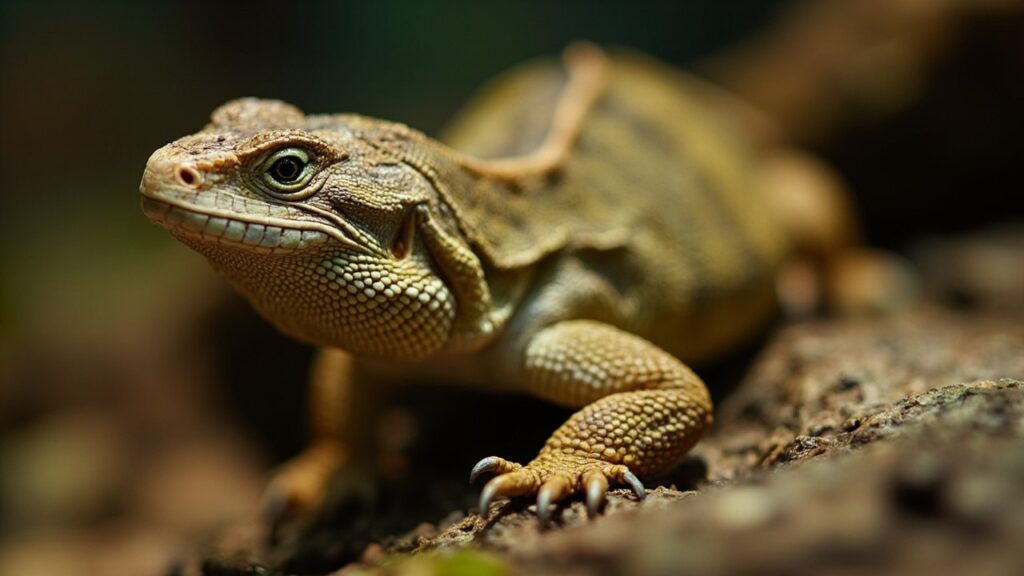
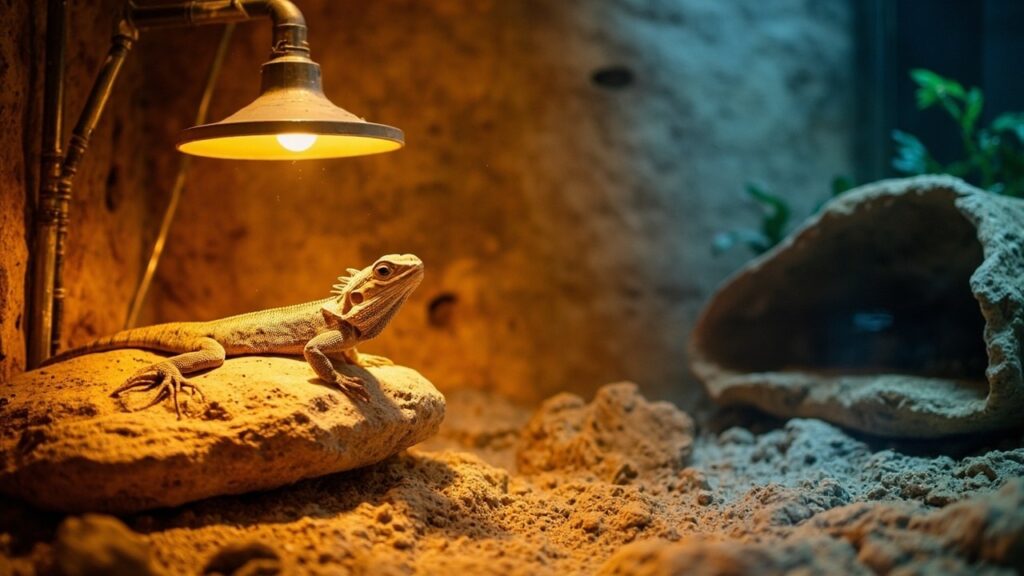
No single daily water volume suits every reptile. Aquatic, terrestrial, arboreal and desert species use water differently, so provide clean water in a safe, species-appropriate form. Humidity, temperature gradient and diet are part of hydration management, but humidity is not a substitute for access to drinking water.
Match care to the species
A shallow, stable bowl may work for one animal while another needs a larger soaking option, moving water or carefully managed enclosure moisture. Research the species before changing a water setup, and make sure a small or weak animal can enter and leave any water container safely.

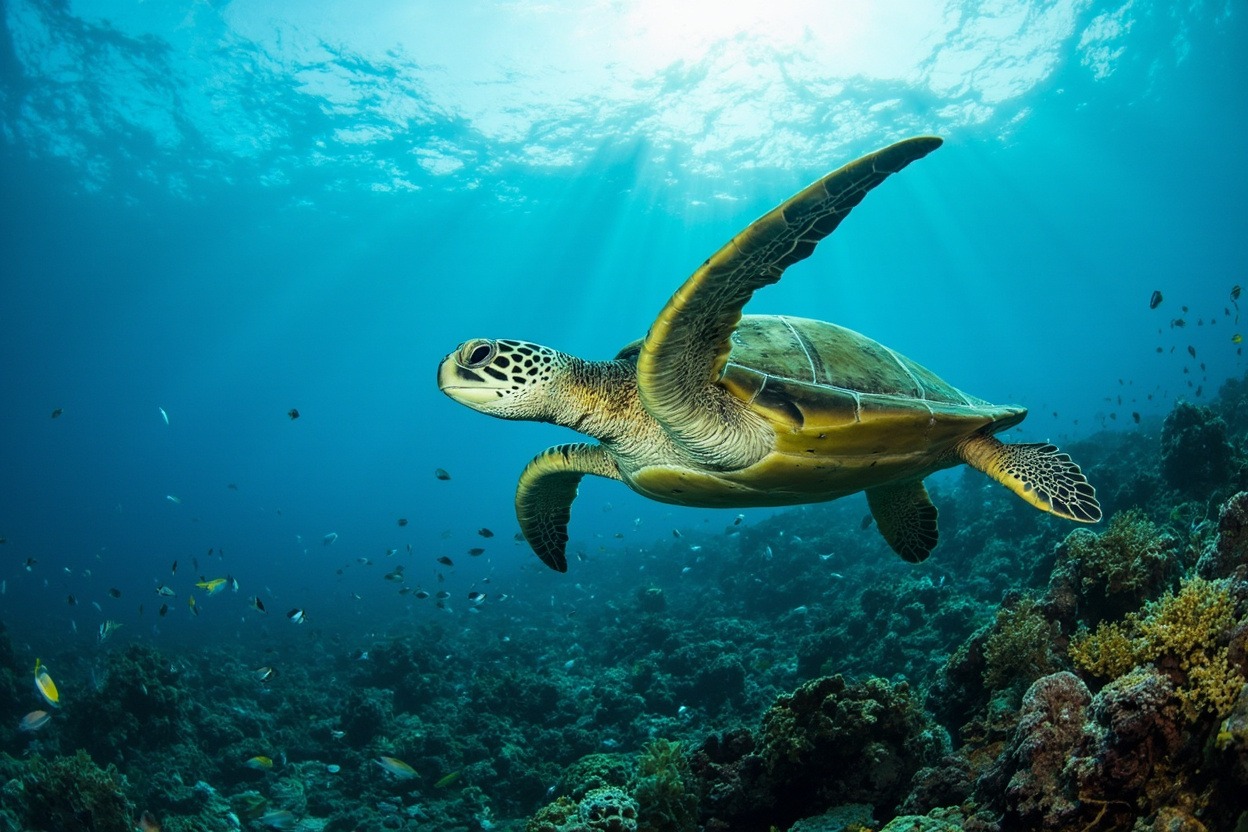
Keep water clean and accessible
Refresh water regularly, clean containers before buildup becomes a problem and position them so they are not overheated or constantly fouled by substrate. Do not assume that a reptile which drinks rarely is dehydrated, and do not force water or use supplements without veterinary guidance.
Know when to seek help
Changes in appetite, activity, appearance, urates or shedding are nonspecific. They can reflect husbandry, illness or normal variation. A reptile veterinarian should assess concerning changes rather than relying on urine color, human hydration charts or internet dosing advice.
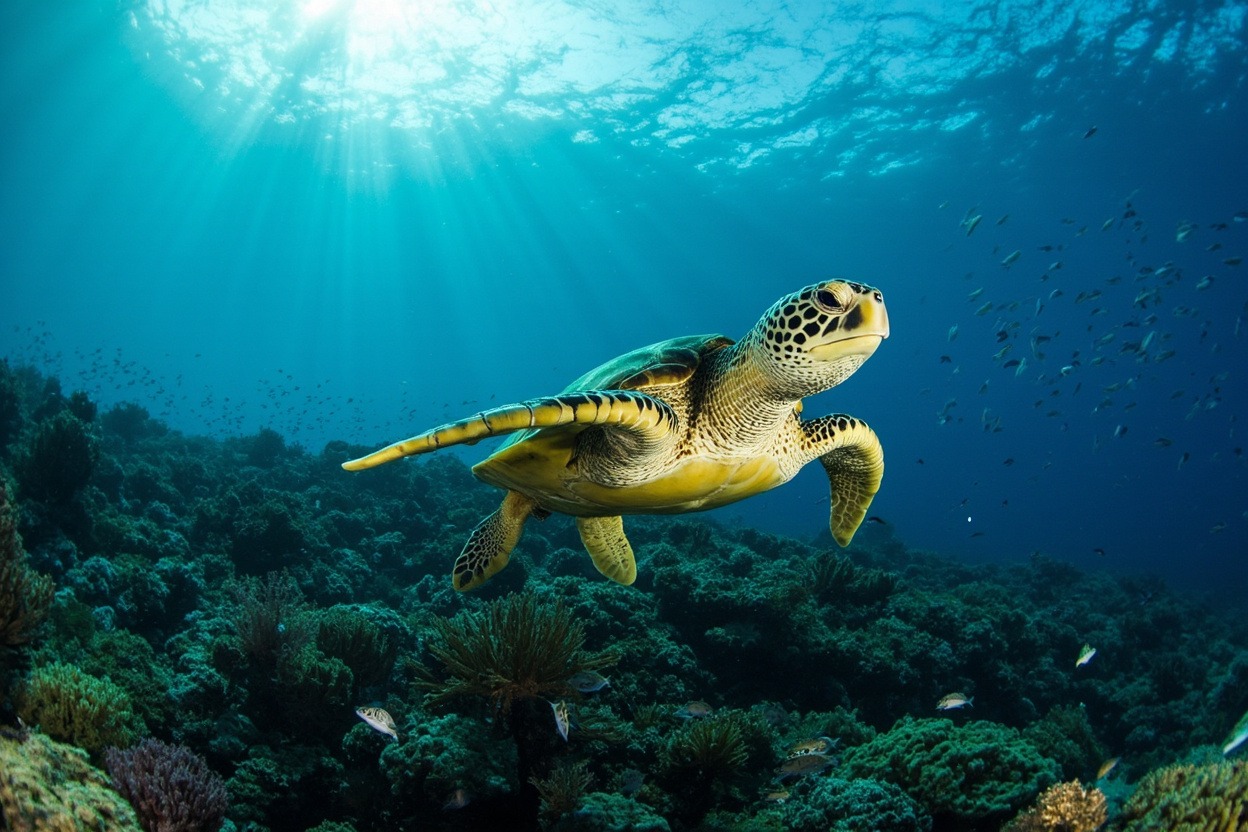
Good records support good care
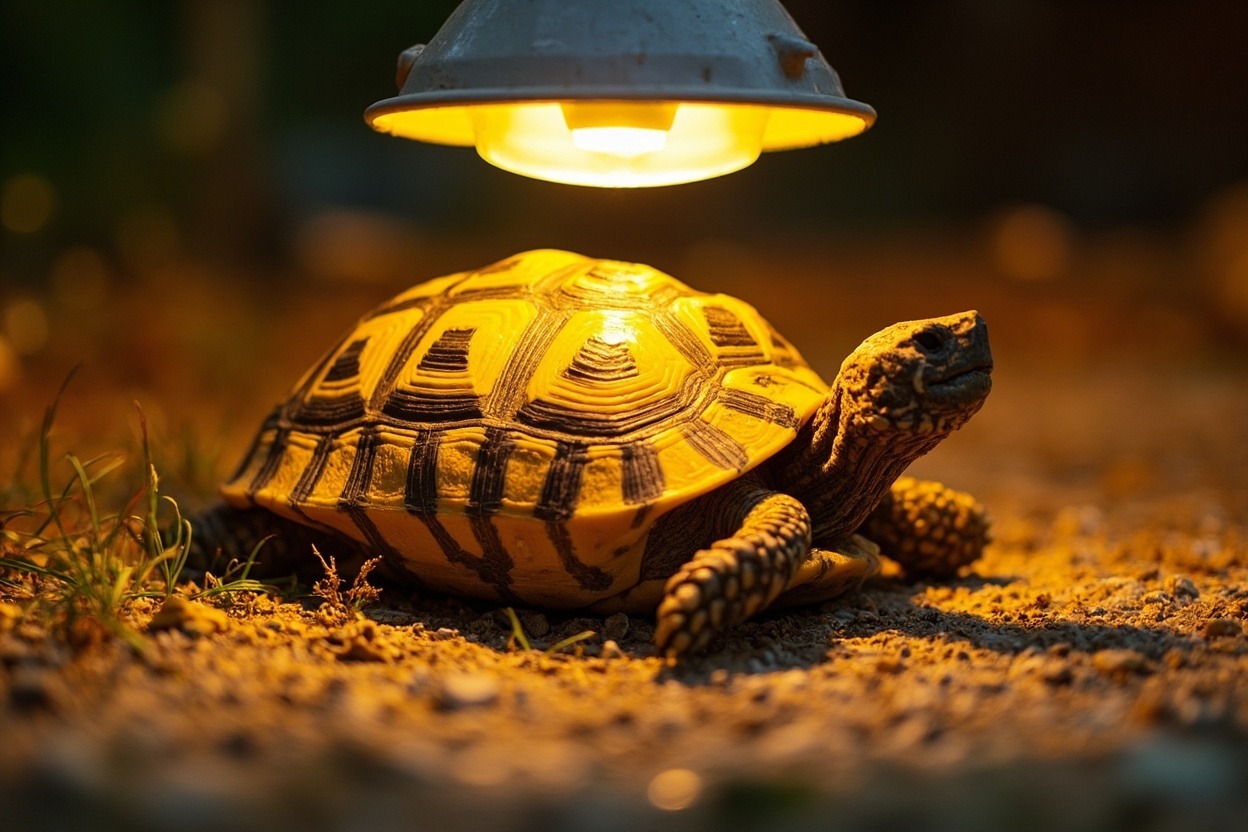
Track enclosure temperatures, humidity where relevant, feeding, weights and observations over time. That context helps distinguish a one-off change from a pattern and gives a veterinarian useful information.
Water Access Is One Part of the System
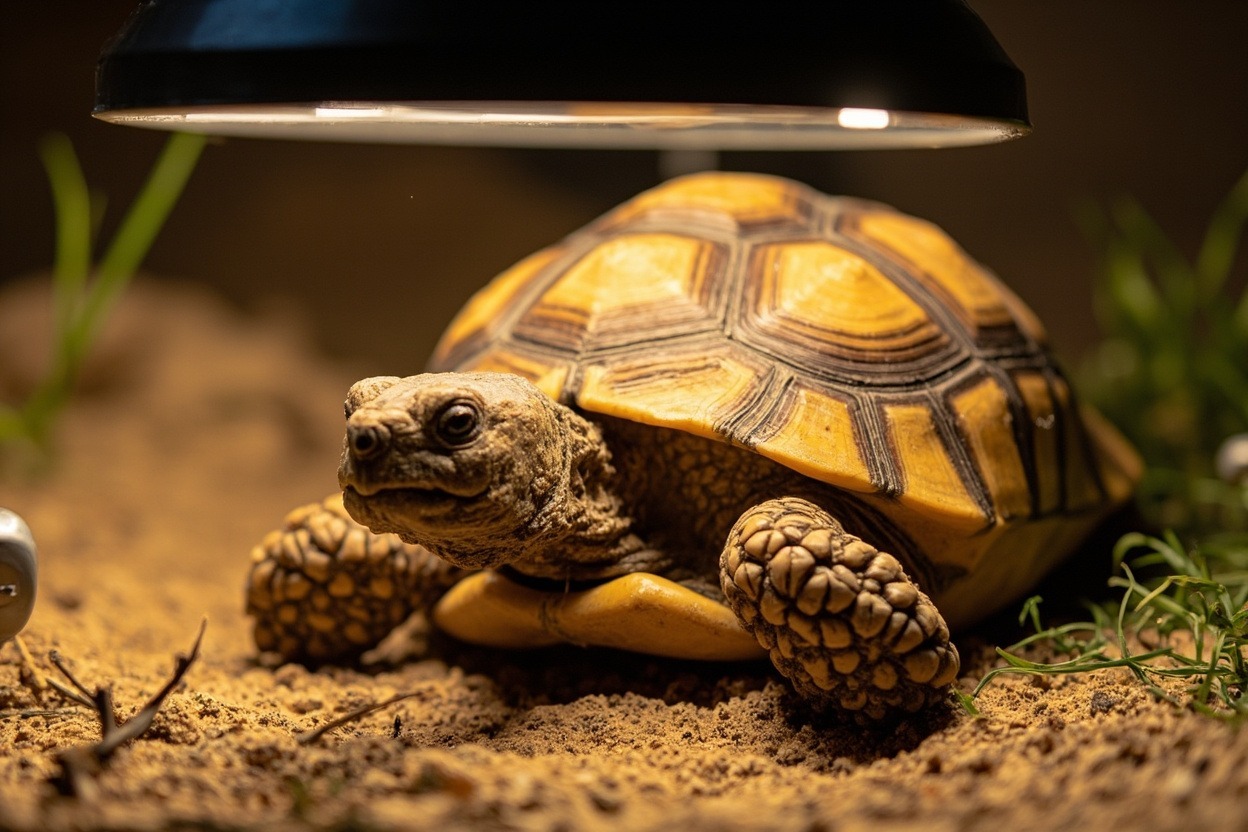
Hydration is affected by temperature, humidity where relevant, diet, activity, shedding and health. A bowl that looks full does not prove that an animal can reach it, recognises it as a water source or remains safe while using it. Check access from the animal’s level and keep the water free of substrate and waste. Changes should be made one at a time where possible so their effect can be understood.
Small Changes Are Worth Recording
Regular records of weight, feeding, enclosure measurements and observations can make a developing issue easier to recognise. Drinking more or less often is not a diagnosis on its own, because species and individuals differ. A clear pattern paired with poor appetite, weakness, abnormal urates, skin changes or reduced activity deserves professional assessment rather than an internet remedy.
Do Not Force Fluids
Giving liquid by mouth to a reluctant reptile can cause injury or aspiration. Supplements, electrolyte products and changes to enclosure moisture should not be used as substitutes for veterinary guidance when an animal seems unwell. A reptile-qualified veterinarian can assess the cause of a problem and advise the safest treatment for that species and condition.
Sources and review notes
Reviewed 23 August 2026. Care works best when it starts with the exact species in front of you. We checked this article against current veterinary husbandry guidance, but measured enclosure conditions and a reptile-experienced veterinarian should guide decisions for an individual animal.
Reference starting points: Merck Veterinary Manual: reptile management and husbandry, CDC: healthy handling around reptiles and amphibians, and The Reptile Database. Conservation status, taxonomy and local laws can change, so check the linked databases and the relevant local authority for current information.
Spotted something we should revisit? Send Reptile Explorer a correction—thoughtful reader feedback is always welcome.