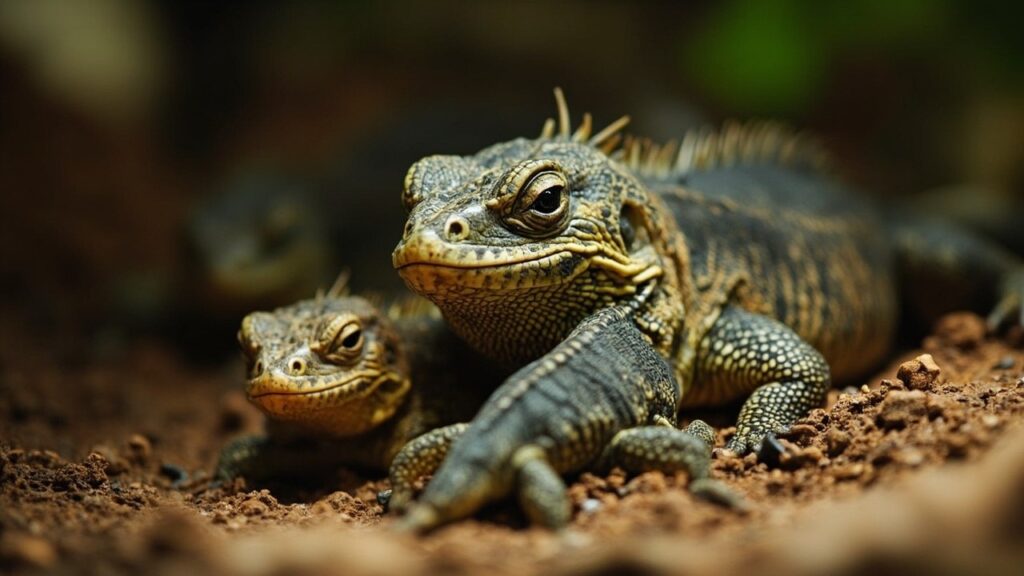
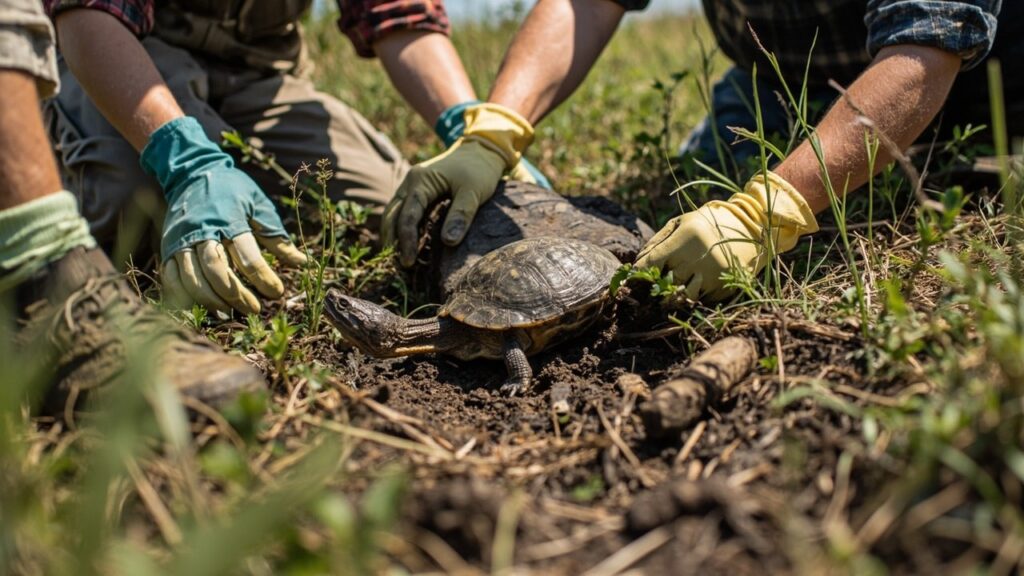
Reintroducing a reptile is not simply a release event. A credible project begins with the reason for decline and asks whether the original threats have been reduced, whether suitable habitat remains and whether the animals chosen for release are appropriate genetically and medically.
What a responsible project needs
Threat removal, habitat assessment, disease-risk planning, legal permission, community engagement and long-term monitoring are all important. Reintroductions can be costly and uncertain, and success should be measured over years rather than by the number of animals released on one day.
A project-specific example
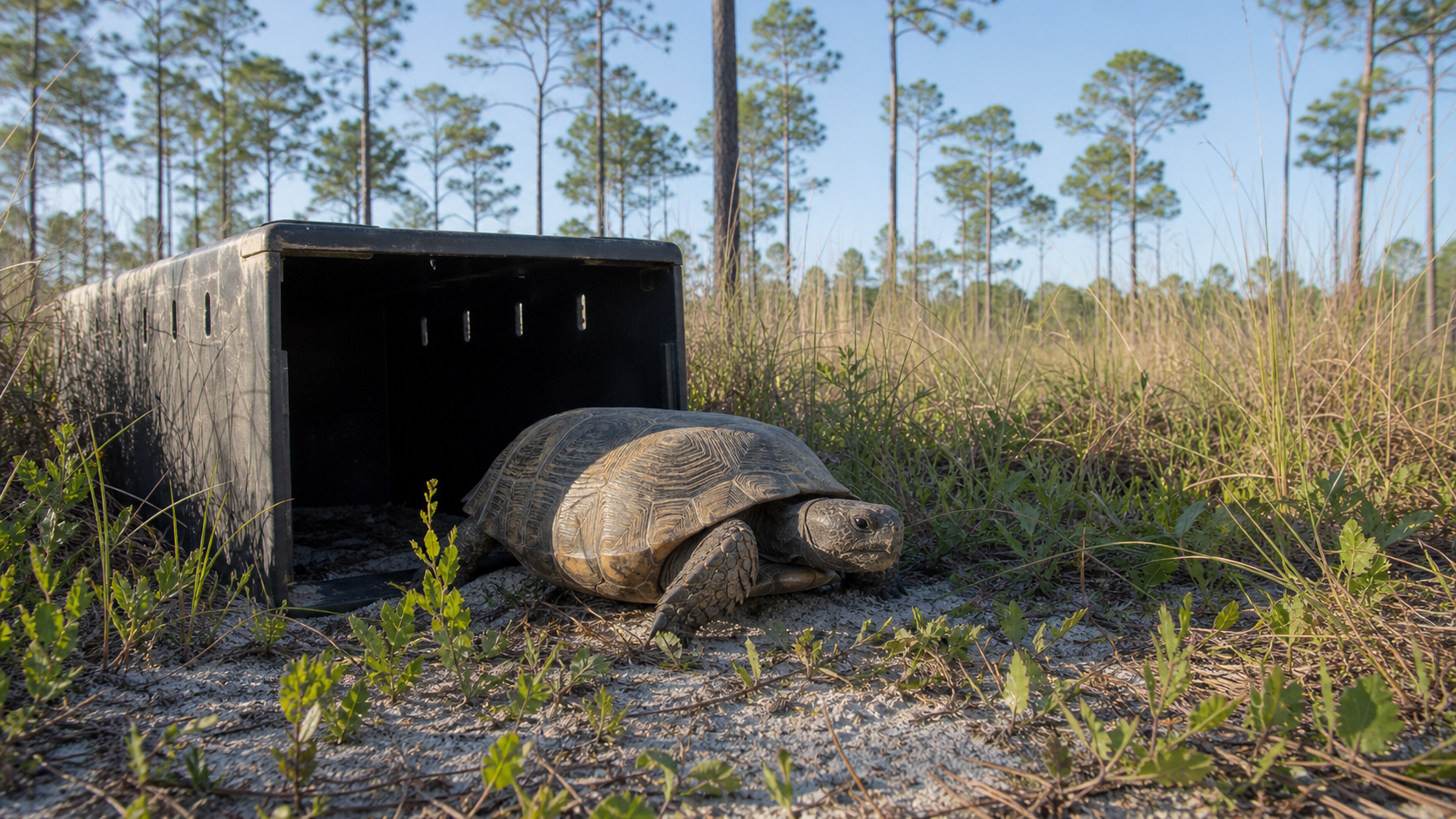
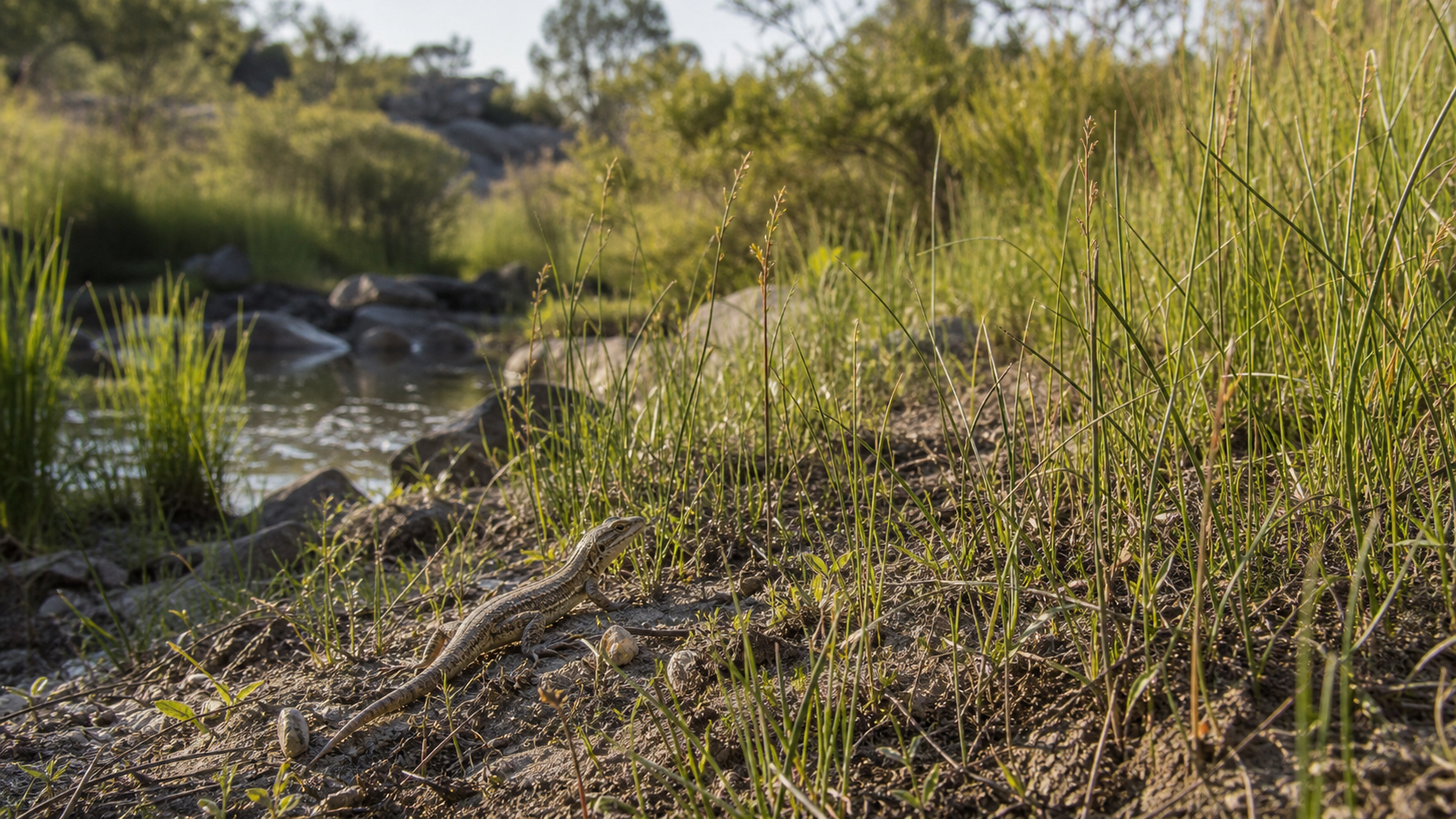
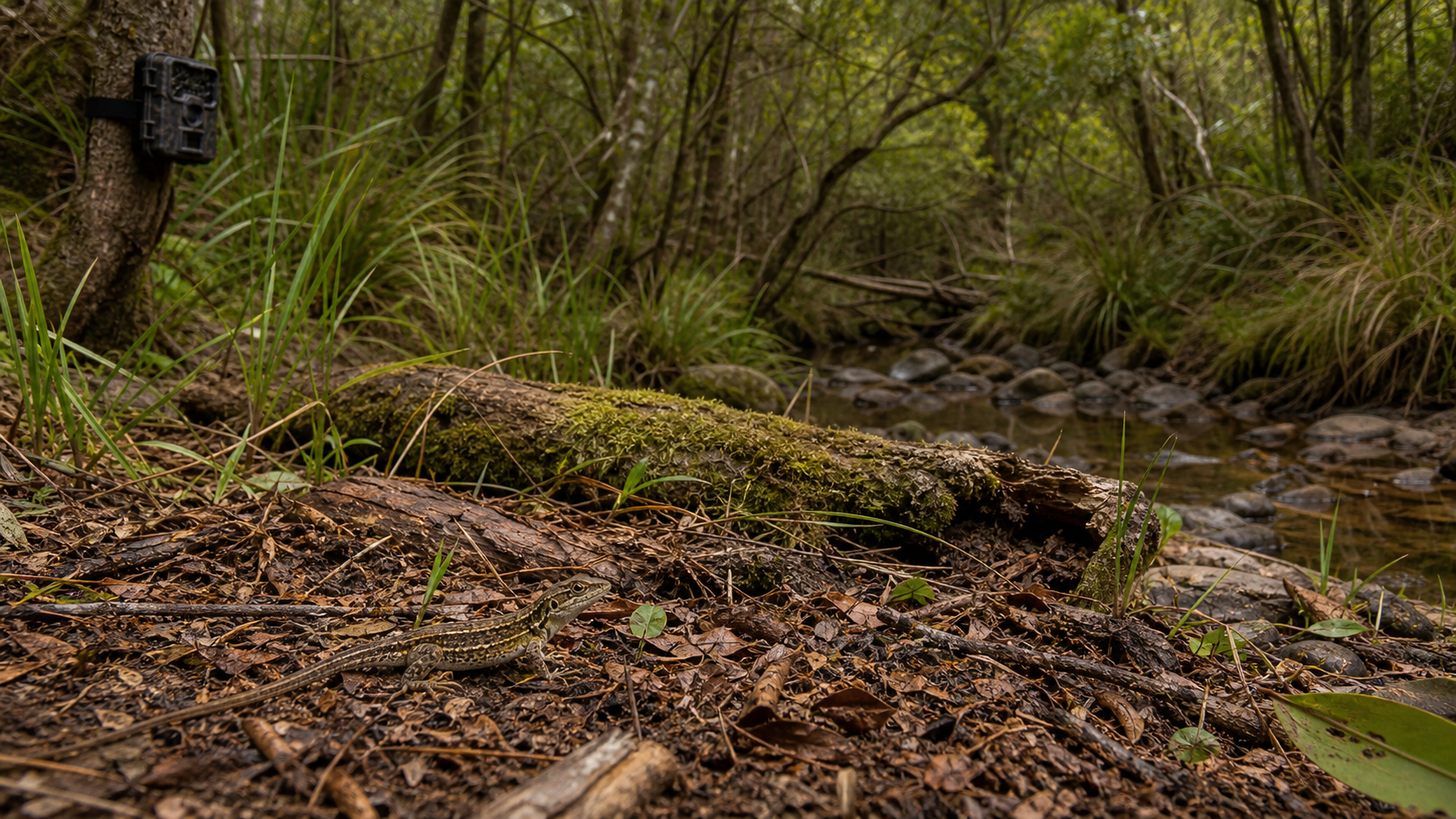
The recovery program for Espanola giant tortoises began with a very small founder group and combined captive breeding, habitat work and staged return to the island. Its importance is not a simple slogan about easy reptile recovery; it shows how sustained management can rebuild a population when the causes of decline are addressed.
Use evidence carefully
Claims about restored food webs, exact release totals or benefits to other species should be tied to a documented project. A result at one island or wetland does not automatically transfer to another species or landscape.
How to support recovery
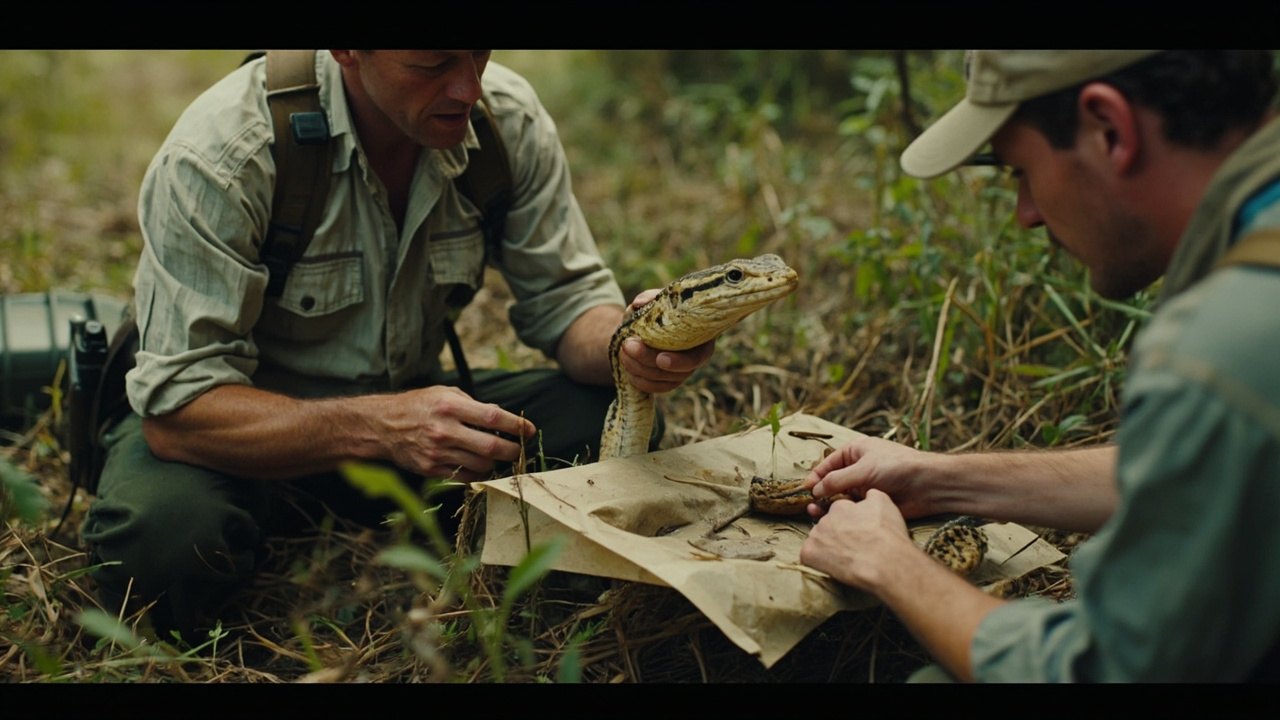
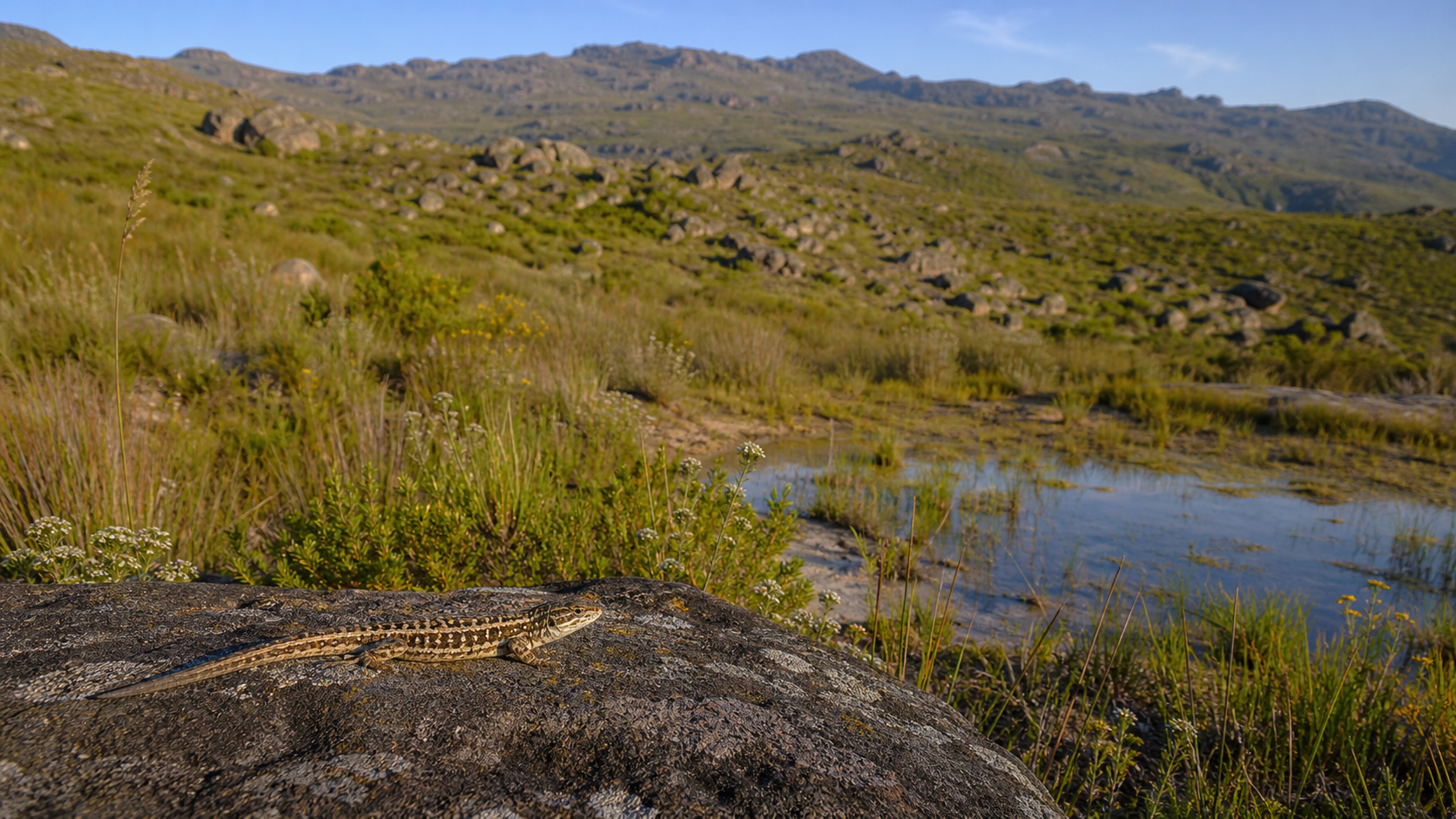
Support projects that publish their methods and monitoring results, respect release-site restrictions and avoid buying animals of uncertain origin. Reintroduction is a conservation tool, not a substitute for protecting wild habitat.
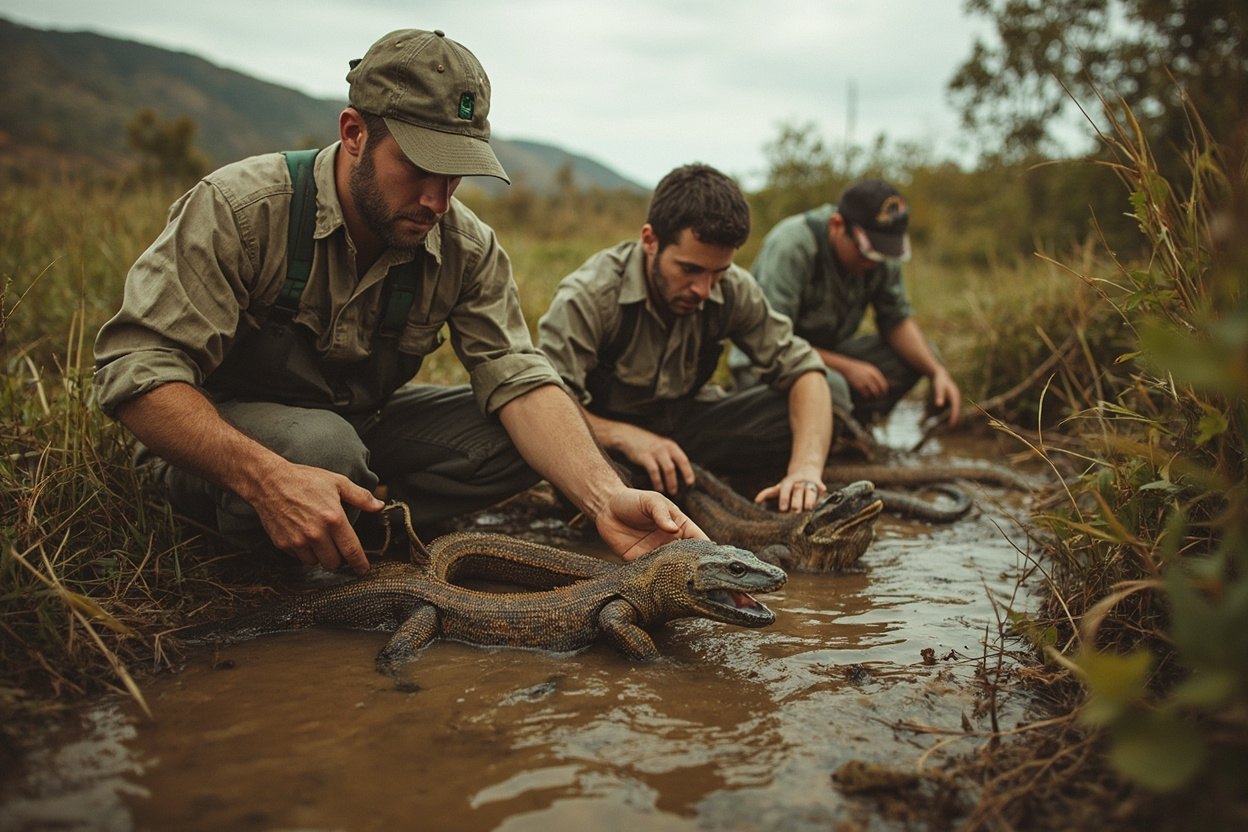
Recovery Goals Should Be Measurable
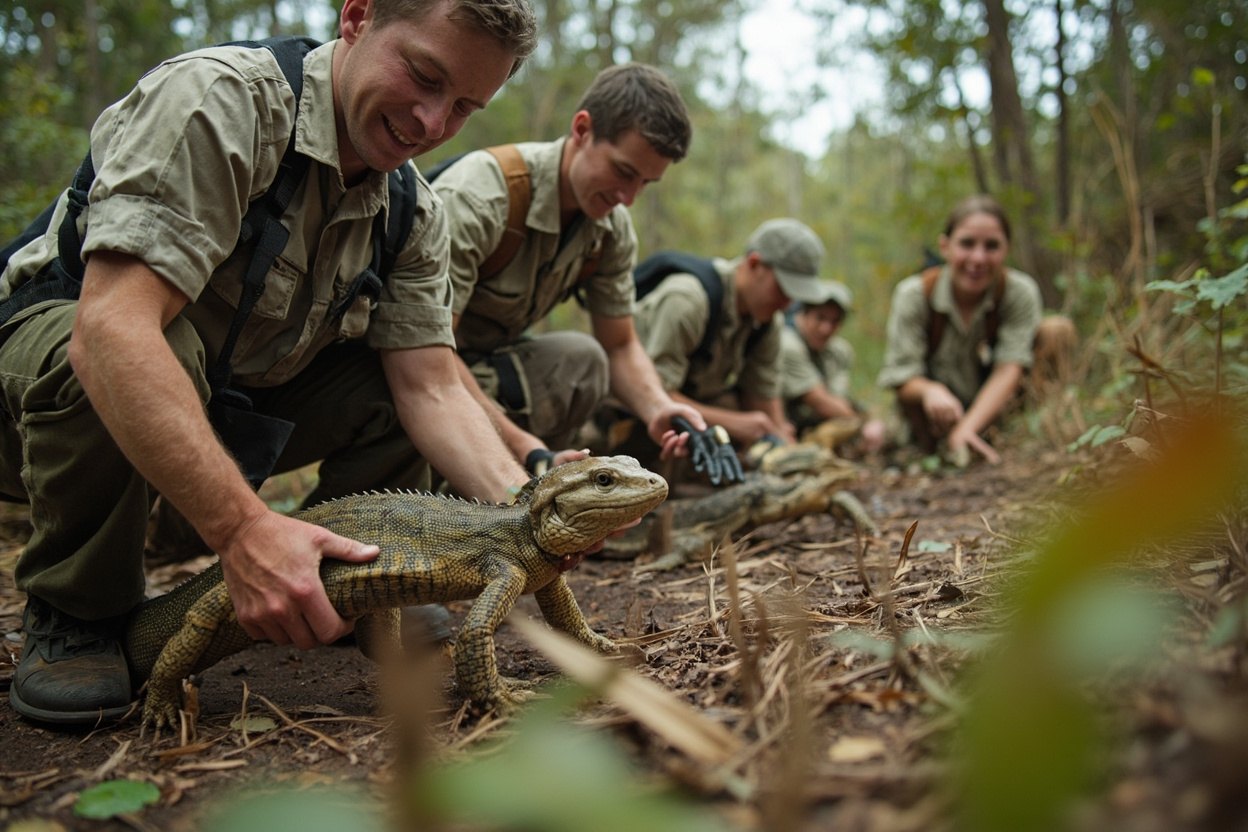
A project should state what it expects to change and how that will be measured. Survival after release is useful, but it is not the same as a self-sustaining population. Breeding, recruitment of young, movement through suitable habitat and reduced threats can provide a fuller picture over time.
Not Every Move Is a Reintroduction
Conservationists may reinforce an existing population, return a species to part of its former range or move animals away from an immediate danger. These actions have different goals and risks. Clear language helps readers understand why animals are being moved and prevents one successful example from becoming a generic template.
After Release, Data Still Matter
Monitoring can reveal whether animals are using the intended habitat, whether new conflicts have appeared and whether threats have returned. Results should be published with the limits of the project, including uncertainty and unexpected outcomes. Honest follow-up improves future decisions more than a celebration based only on the day of release.
Sources and review notes
Reviewed 23 August 2026. Conservation is rarely a one-step success story. We have kept the language specific about evidence, limits and local context, because a programme that helps one population may not transfer neatly to another.
Reference starting points: The IUCN Red List of Threatened Species, IUCN conservation-translocation guidelines, and the current CITES Appendices. Conservation status, taxonomy and local laws can change, so check the linked databases and the relevant local authority for current information.
Spotted something we should revisit? Send Reptile Explorer a correction—thoughtful reader feedback is always welcome.