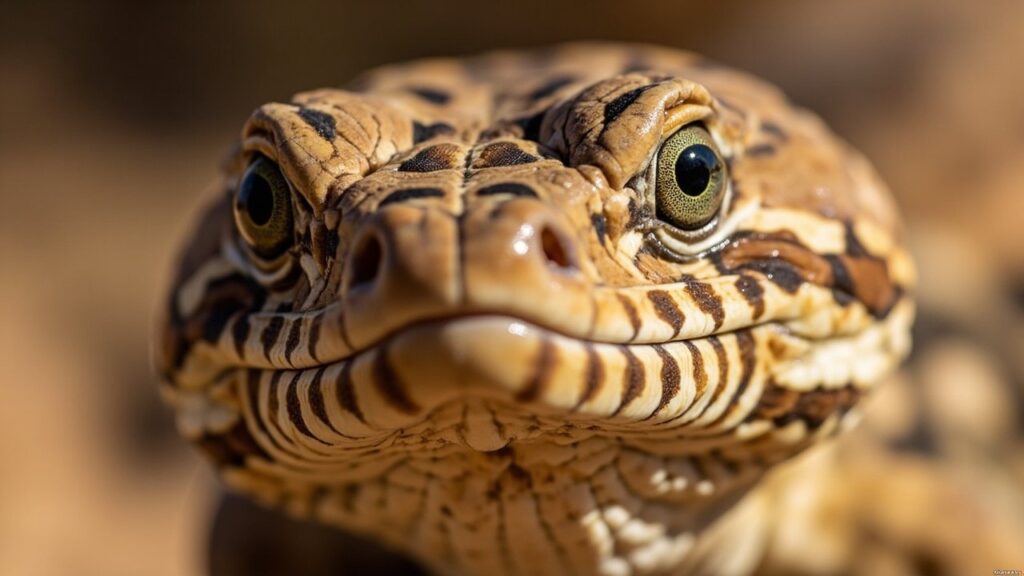
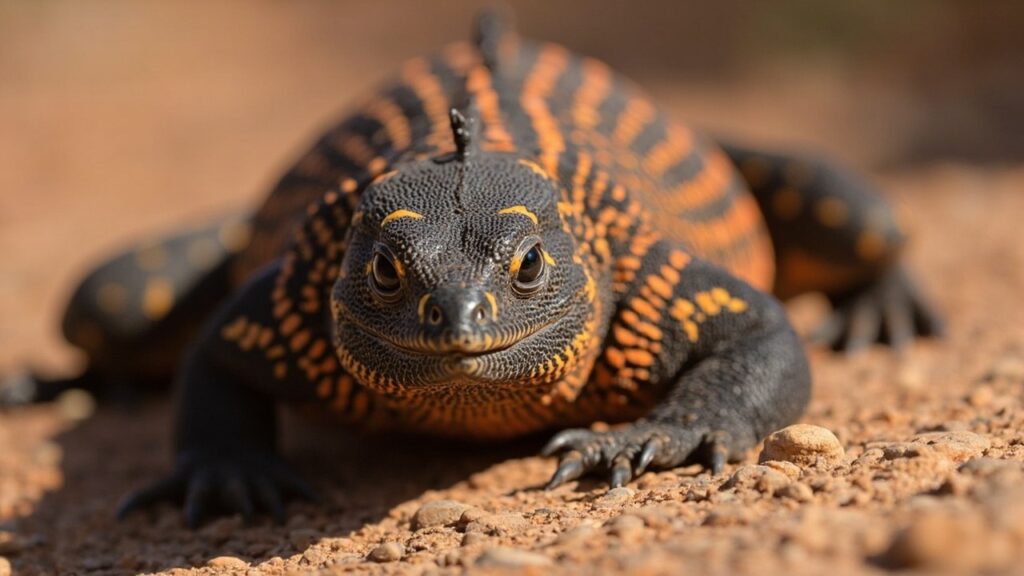
The Atacama is one of the driest regions on Earth, but it is not biologically empty. Its reptiles use a mosaic of coastal desert, valleys, rocky slopes and high-elevation habitats, and the species present change across that varied landscape.
Living with extreme aridity
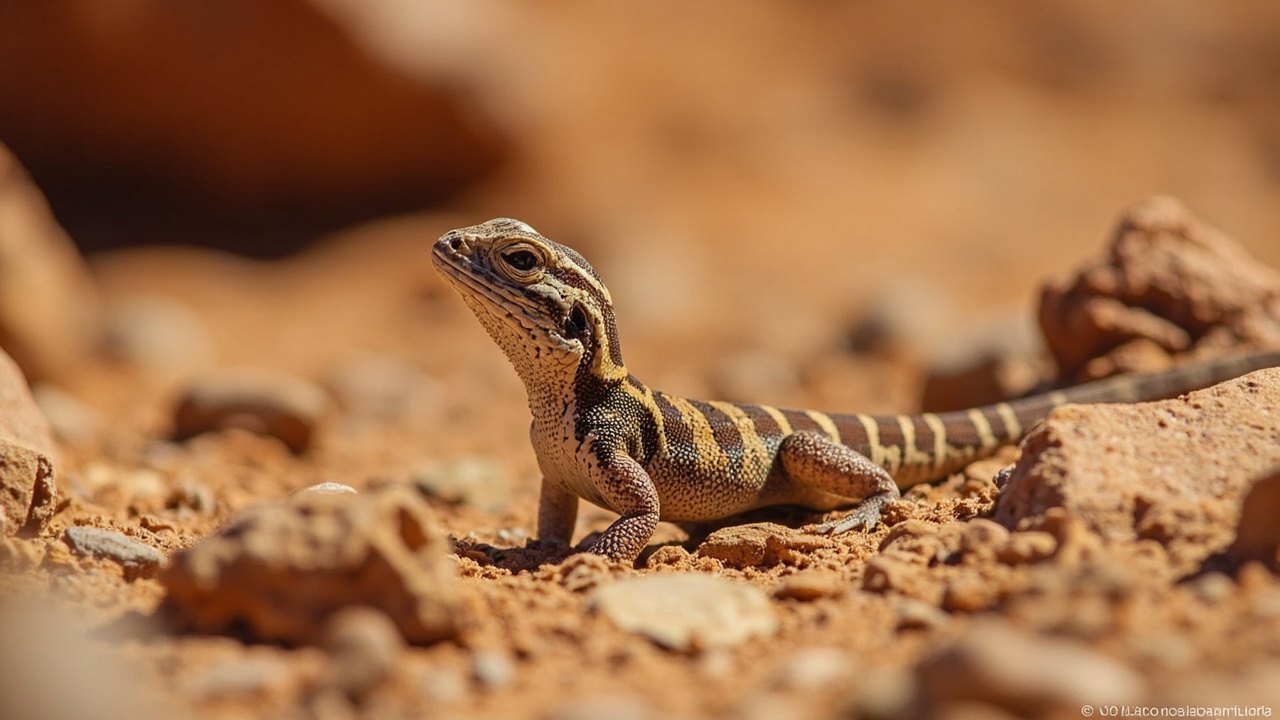
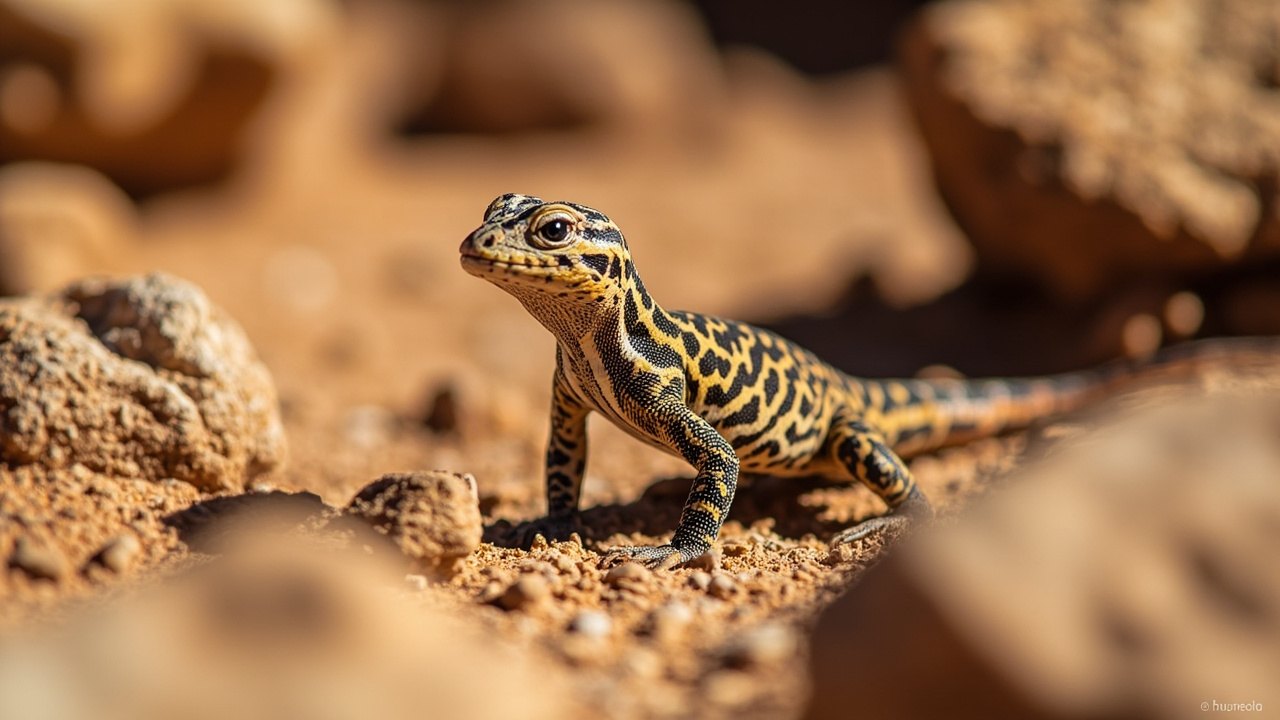
Reptiles cope through behavior as well as physiology. Sheltering in crevices or burrows, choosing safe activity times and using local microhabitats can reduce exposure to heat and water loss. There is no single adaptation shared by every Atacama reptile.

Range-specific conservation
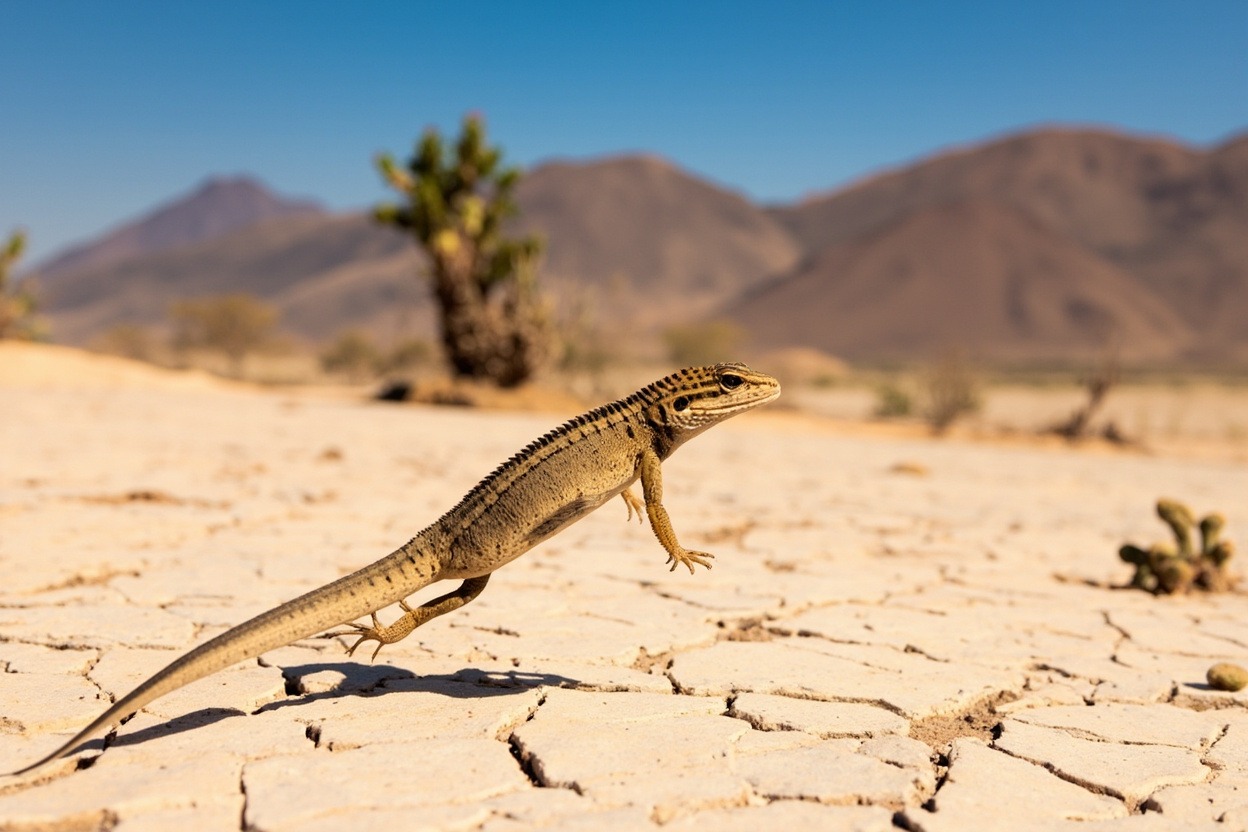
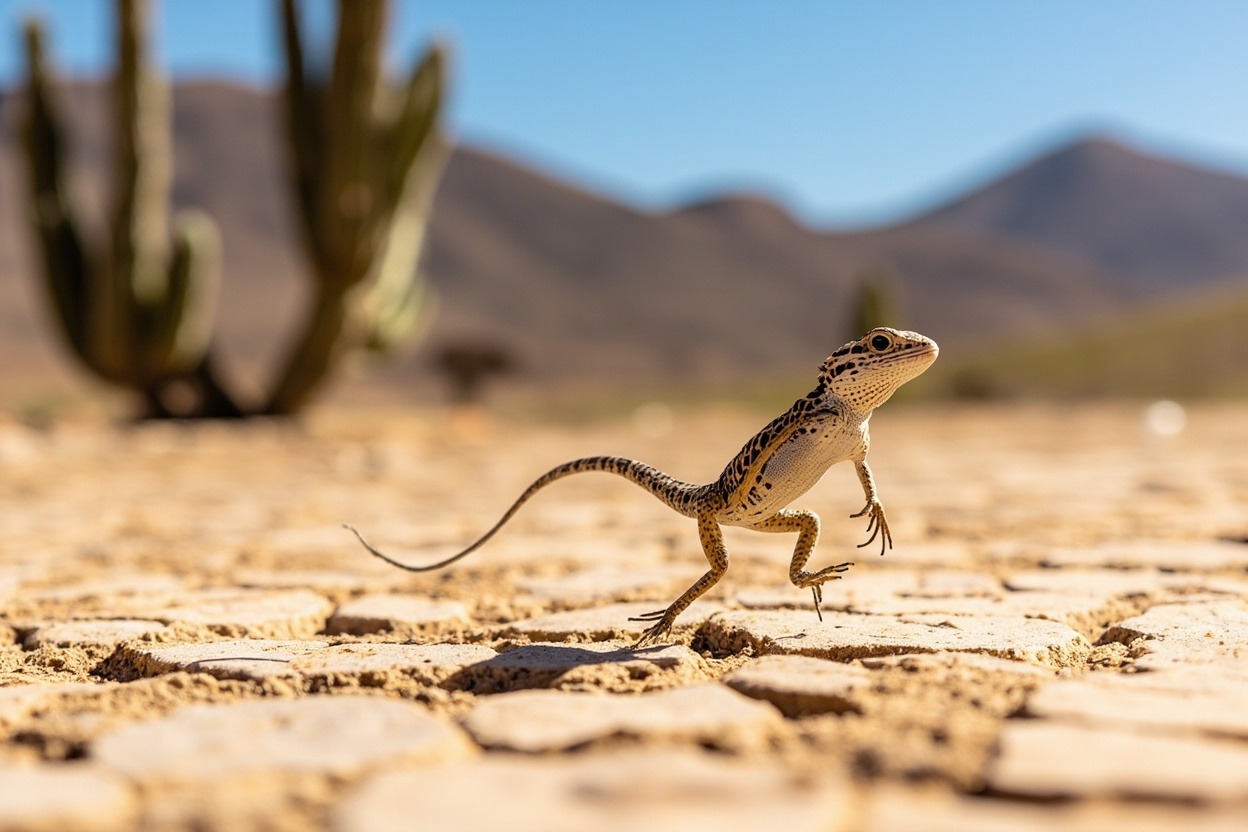
Regional reviews record a diverse reptile fauna, but each species has its own range and conservation needs. Mining, roads, habitat fragmentation and climate pressure can affect sites differently. Tourist itineraries, cuisine and unrelated mammals do not explain how this reptile community survives.
Observe lightly
Stay on permitted routes, do not lift rocks or collect animals and avoid driving off-road. In a harsh environment, a disturbed refuge can be more consequential than it appears.
Use local sources
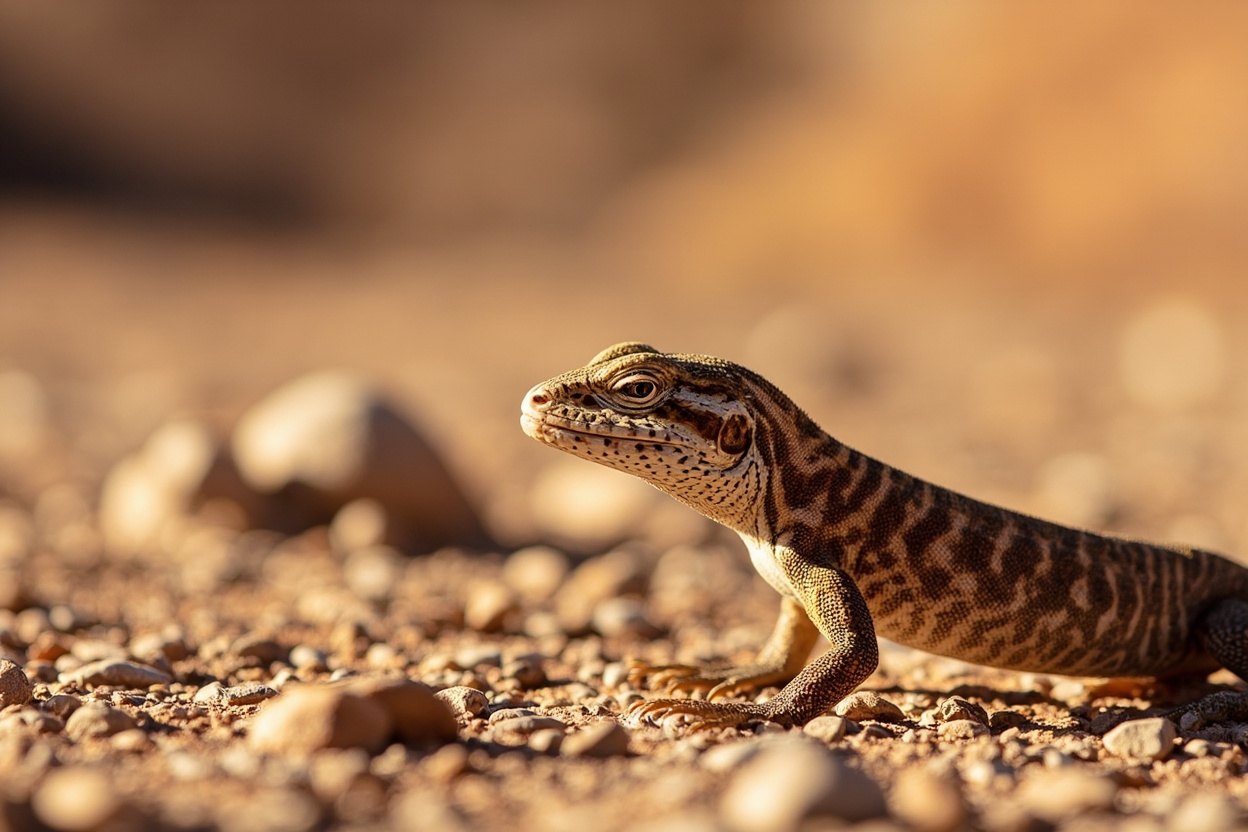
For identification or conservation status, rely on current Chilean or regional authorities. A broad desert list is not enough to establish that a particular species occurs at a particular site.
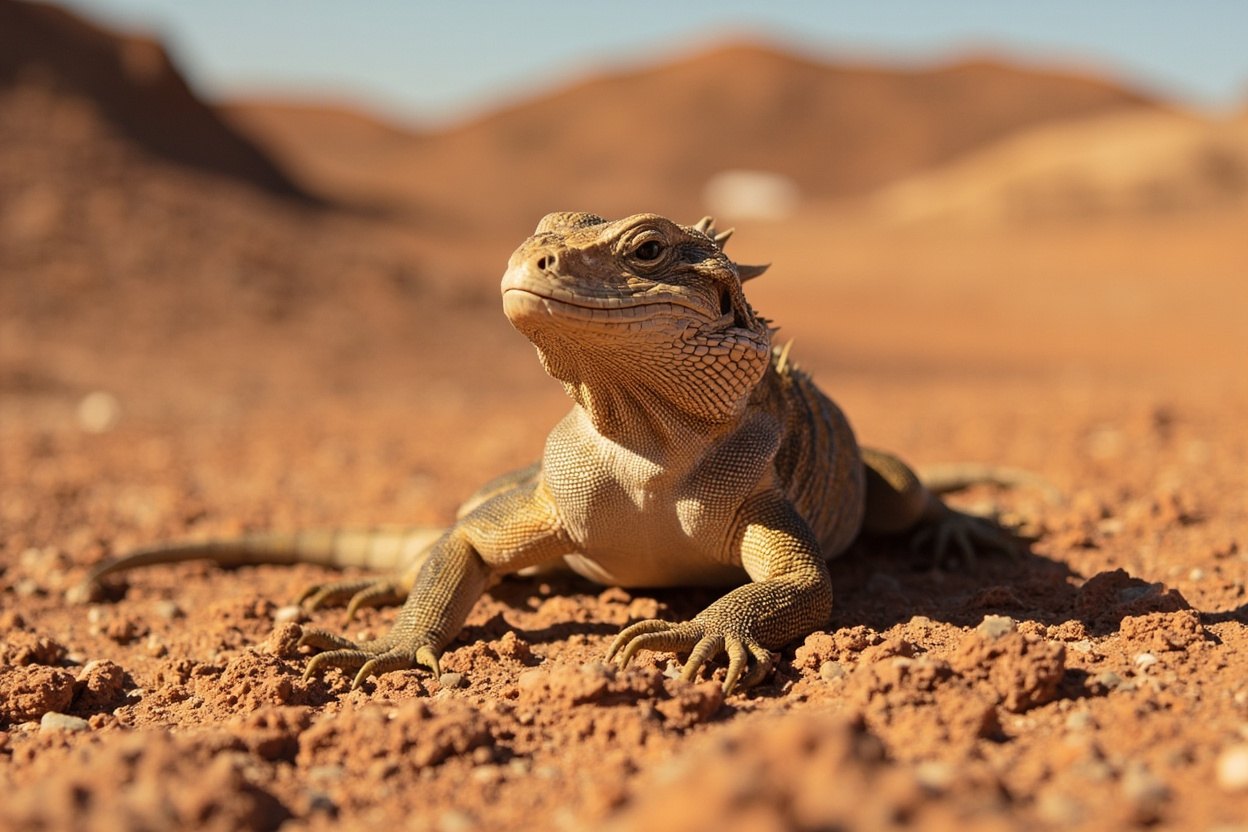
The Atacama Includes Cold, Coastal and High-Elevation Desert
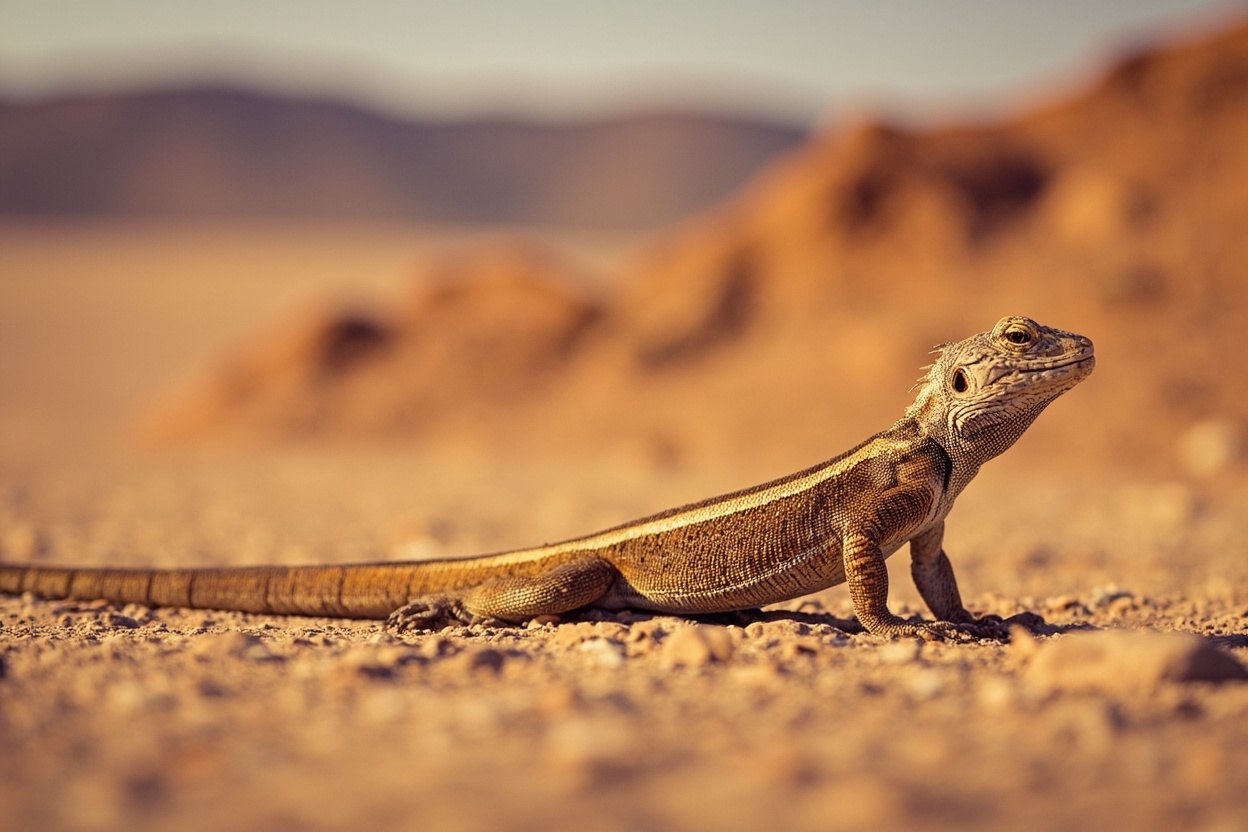
The Atacama is often described only as hot and dry, yet temperature, fog, elevation and substrate vary across the region. Coastal areas can receive fog, valleys can support different vegetation and high sites can become cold. A reptile adapted to one of these settings may not occur in another, so a regional label should not replace a site-specific record.
Behaviour helps reptiles manage short periods of heat or cold. A crevice, burrow, rock surface or shaded vegetation can change body temperature and exposure to wind. These choices depend on the species, time of day and availability of cover. They are not proof that every desert reptile has the same physiology.
Habitat Change Can Be Subtle at First
Roads, mining infrastructure, off-road driving and removal of shelter can fragment a landscape that appears open. A single rock pile, wash or vegetated drainage may provide the limited refuge used by an animal. Surveys should note those microhabitats as well as the wider desert view.
Identification Needs Local Evidence
Use current Chilean or regional sources for names, ranges and conservation status. Do not lift rocks, collect reptiles or drive away from approved routes for a closer look. Quiet observation protects fragile habitat and produces records that are easier to interpret.
Sources and review notes
Reviewed 23 August 2026. Reptile biology is wonderfully variable. We have avoided turning one species, photograph or dramatic observation into a rule for an entire group, and we have used cautious wording where evidence or local conditions differ.
Reference starting points: The Reptile Database, The IUCN Red List of Threatened Species, and PubMed-indexed research. Conservation status, taxonomy and local laws can change, so check the linked databases and the relevant local authority for current information.
Spotted something we should revisit? Send Reptile Explorer a correction—thoughtful reader feedback is always welcome.