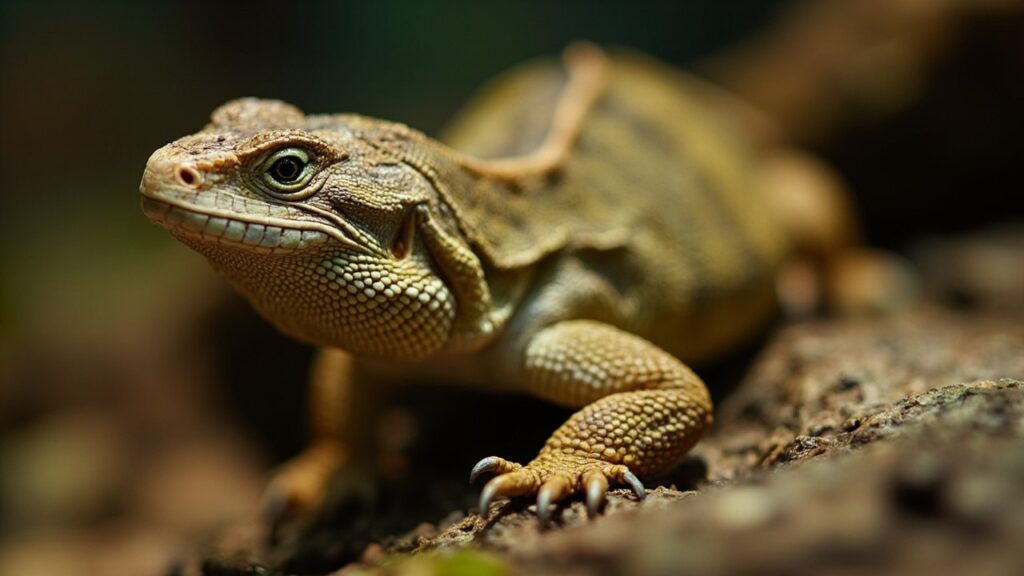
There is no universal feeding schedule for pet reptiles. Diet, prey or plant type, portion size and feeding frequency depend on species, life stage, health, activity, temperature and the animal’s natural history. Human infant feeding, formula and vitamin advice do not apply to reptiles.
Start with the species
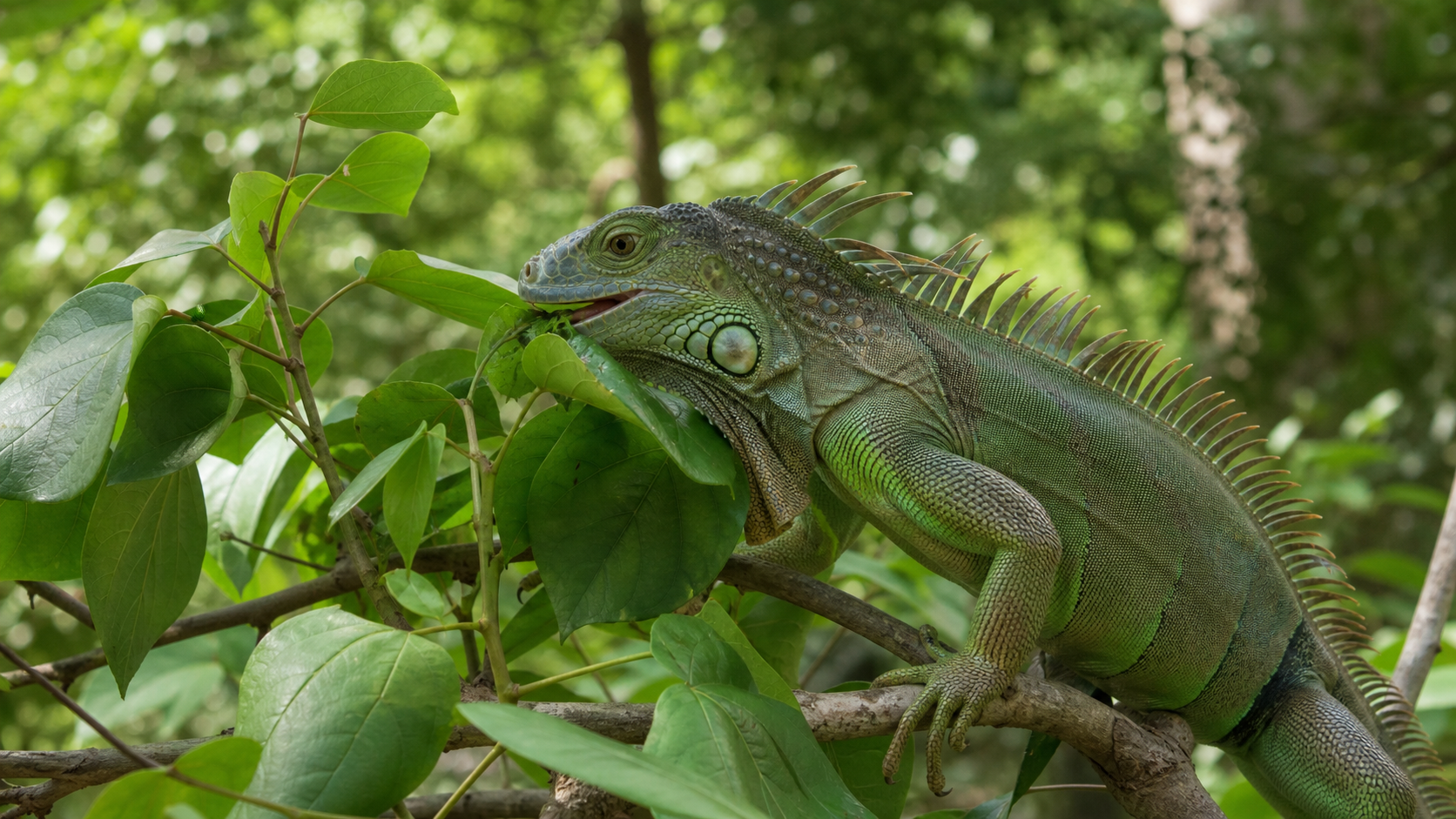
Research what the species naturally eats and provide a balanced, safe diet from reputable sources. Carnivores, insectivores, herbivores and omnivores have different needs, and hatchlings are not simply smaller adults. Avoid changing a diet based only on a generic online chart.
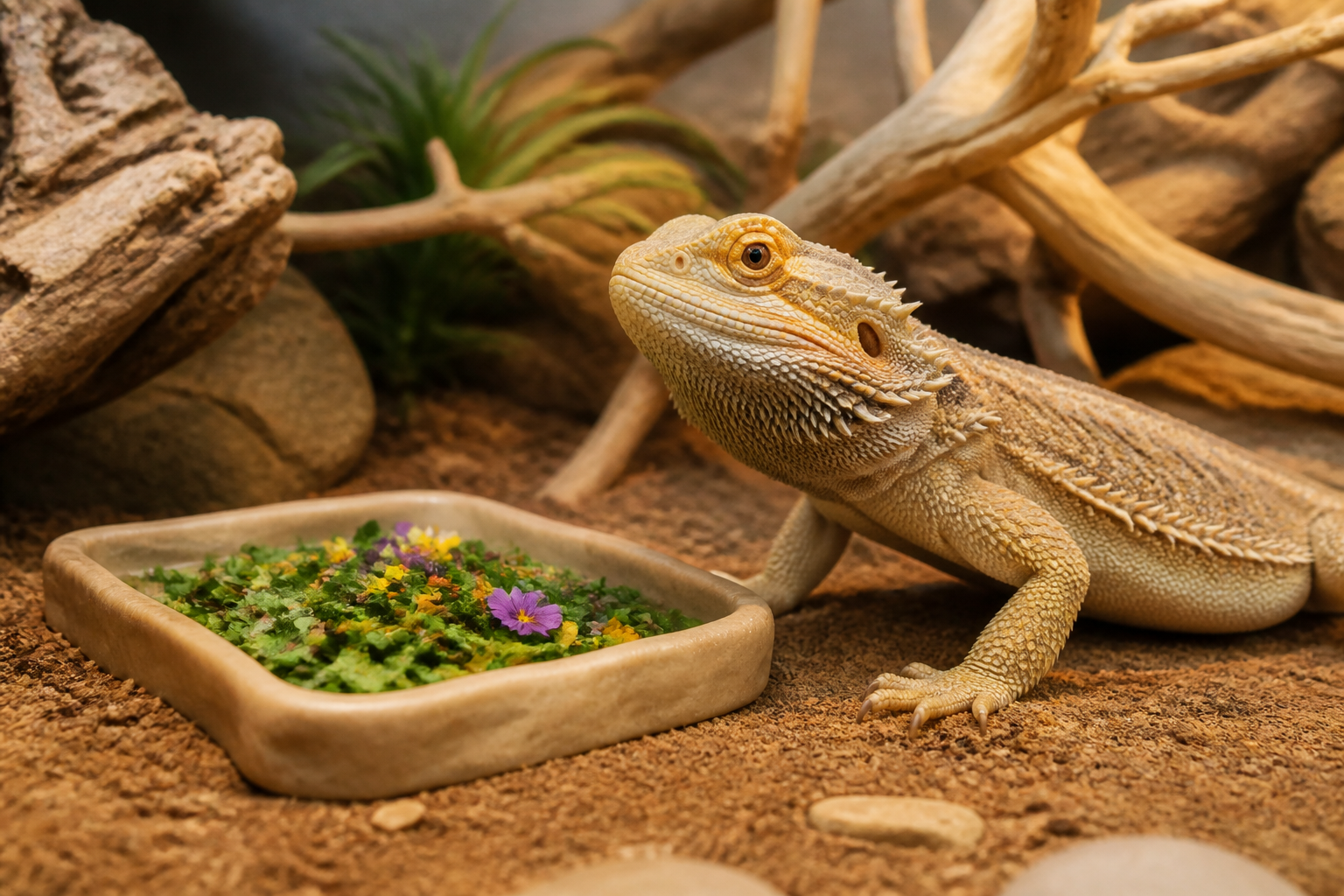
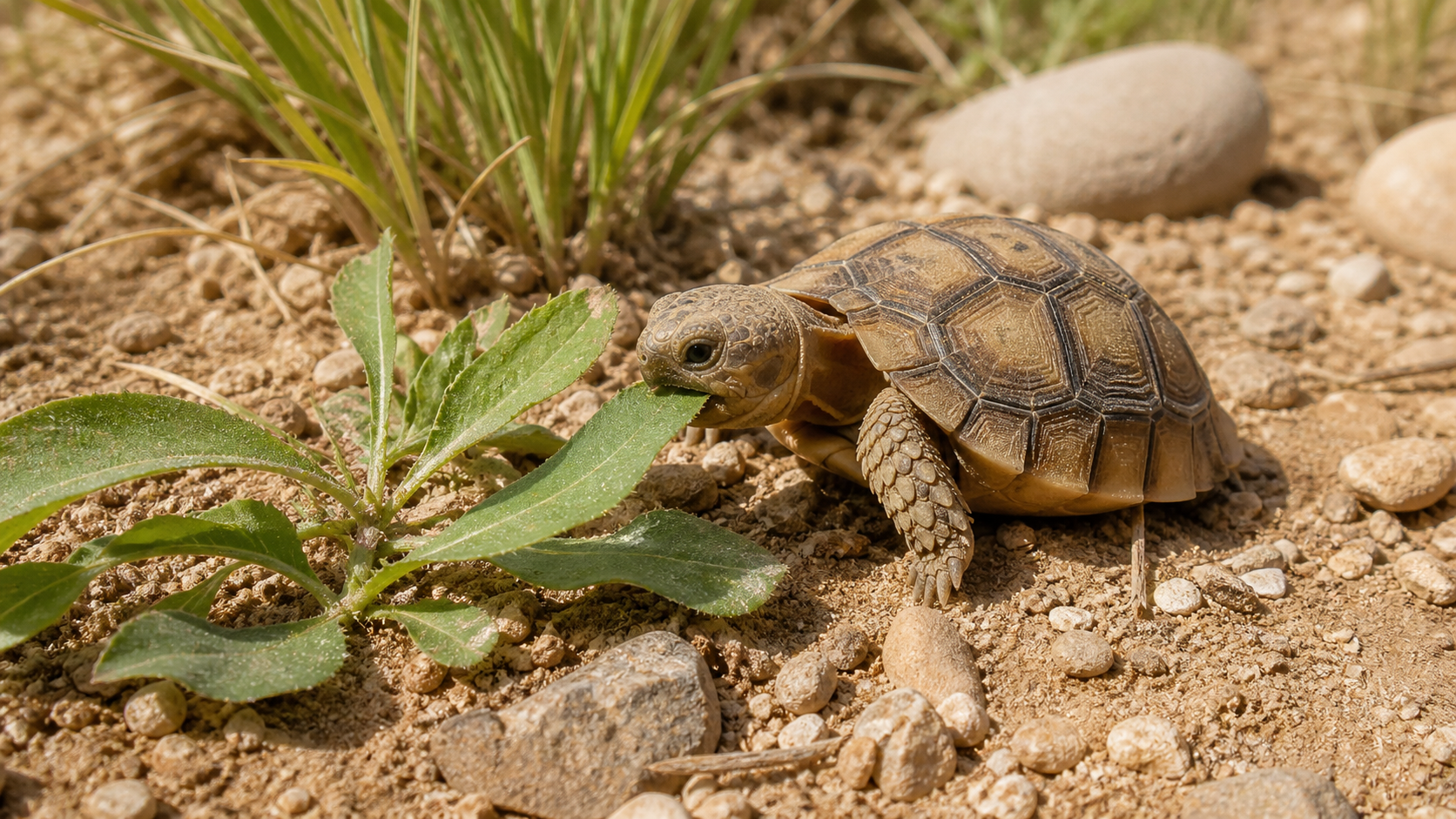
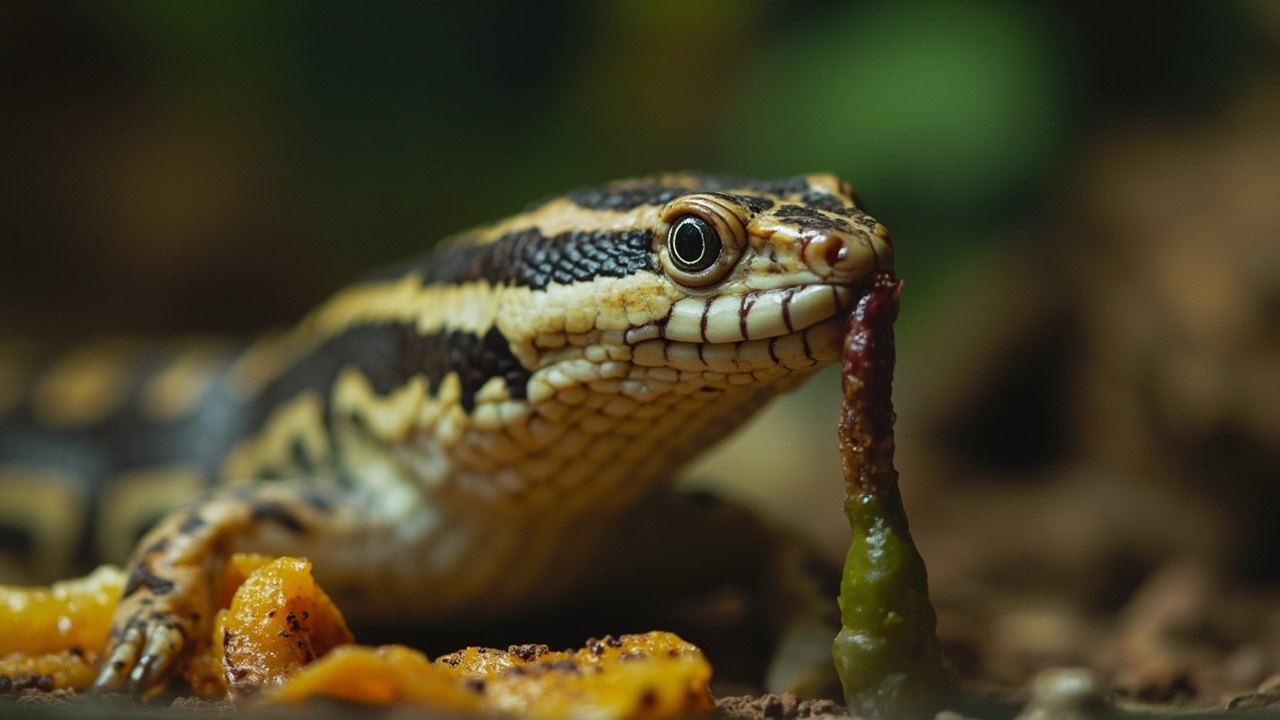
Husbandry affects appetite
Temperature gradients, lighting, hydration, enclosure security and stress can influence feeding. An animal that refuses food may have a husbandry issue, illness, reproductive change or a normal seasonal pattern, so do not force-feed or dose supplements without professional guidance.
Monitor the whole animal
Track body weight, body condition, food offered and eaten, and stool or shedding changes where relevant. A reptile veterinarian can help interpret a pattern and create a species-specific plan, especially for young, breeding, underweight or ill animals.
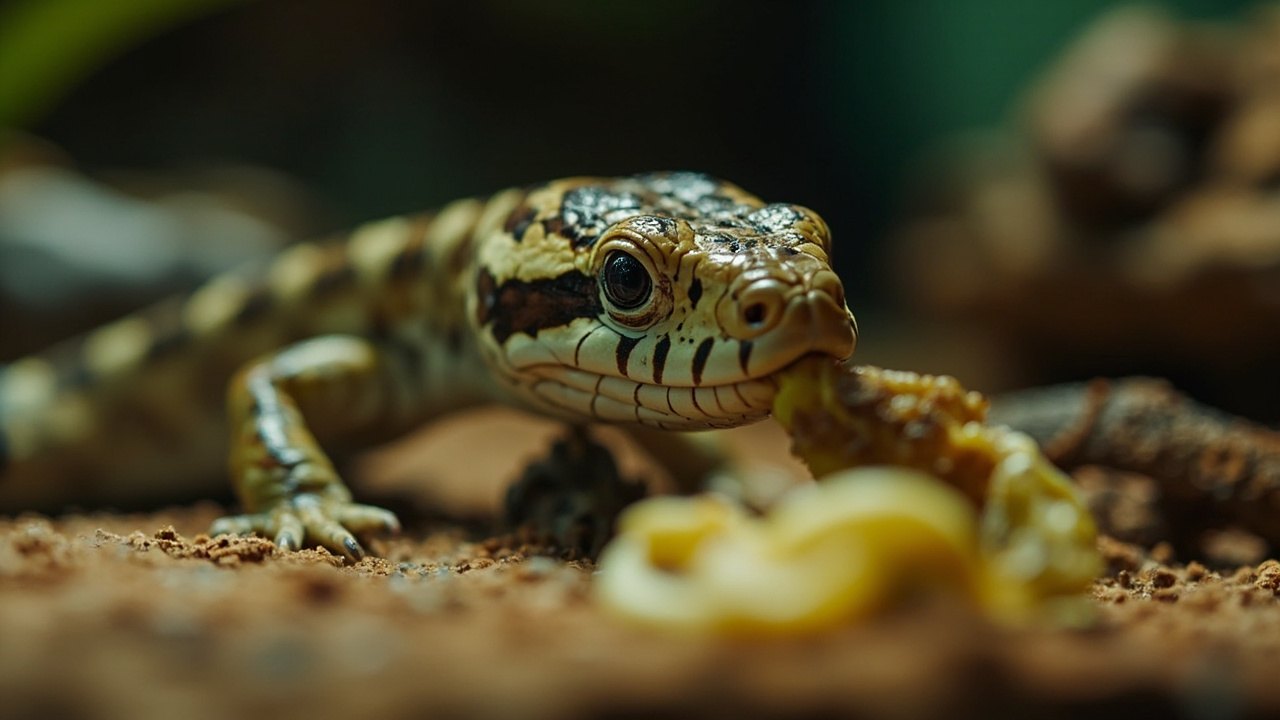
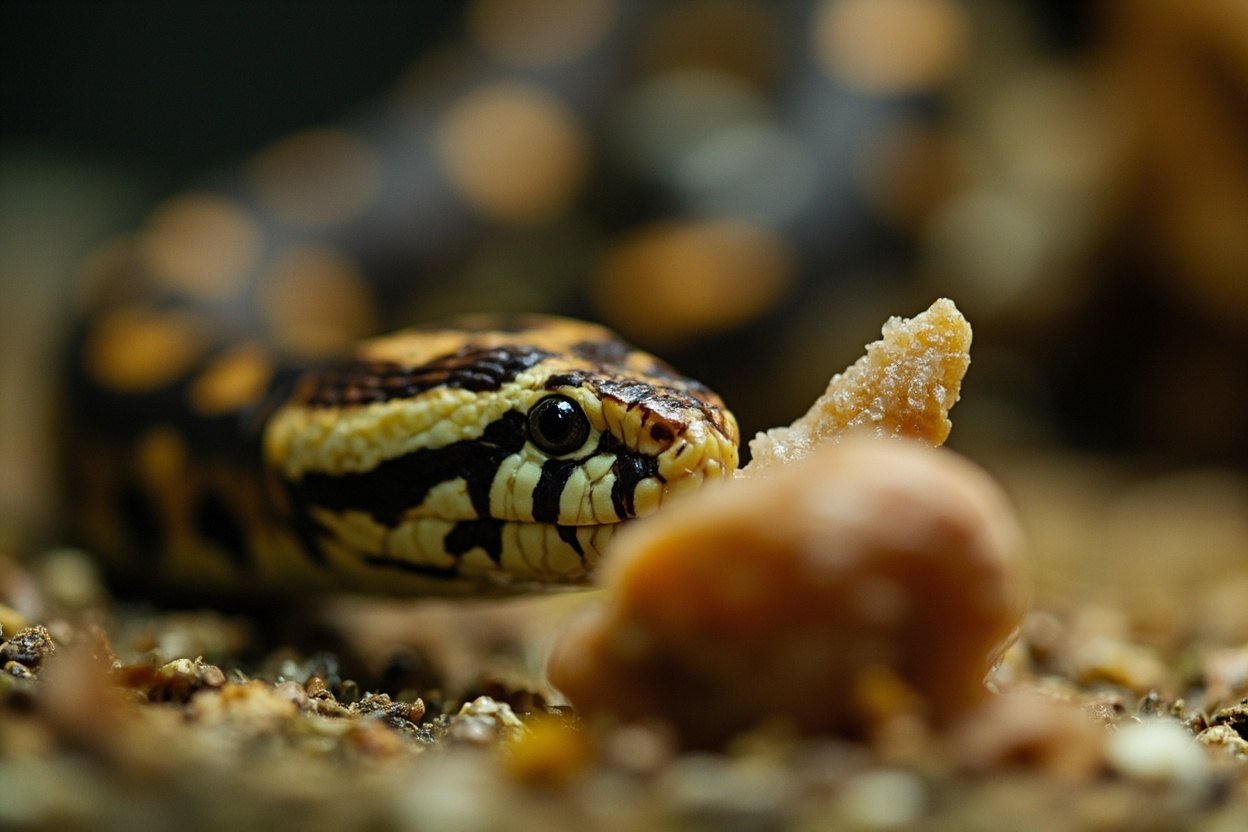
Food safety
Use clean utensils, store food safely and wash hands after handling reptiles or their food. Feeding should support welfare, not create a stressful spectacle.
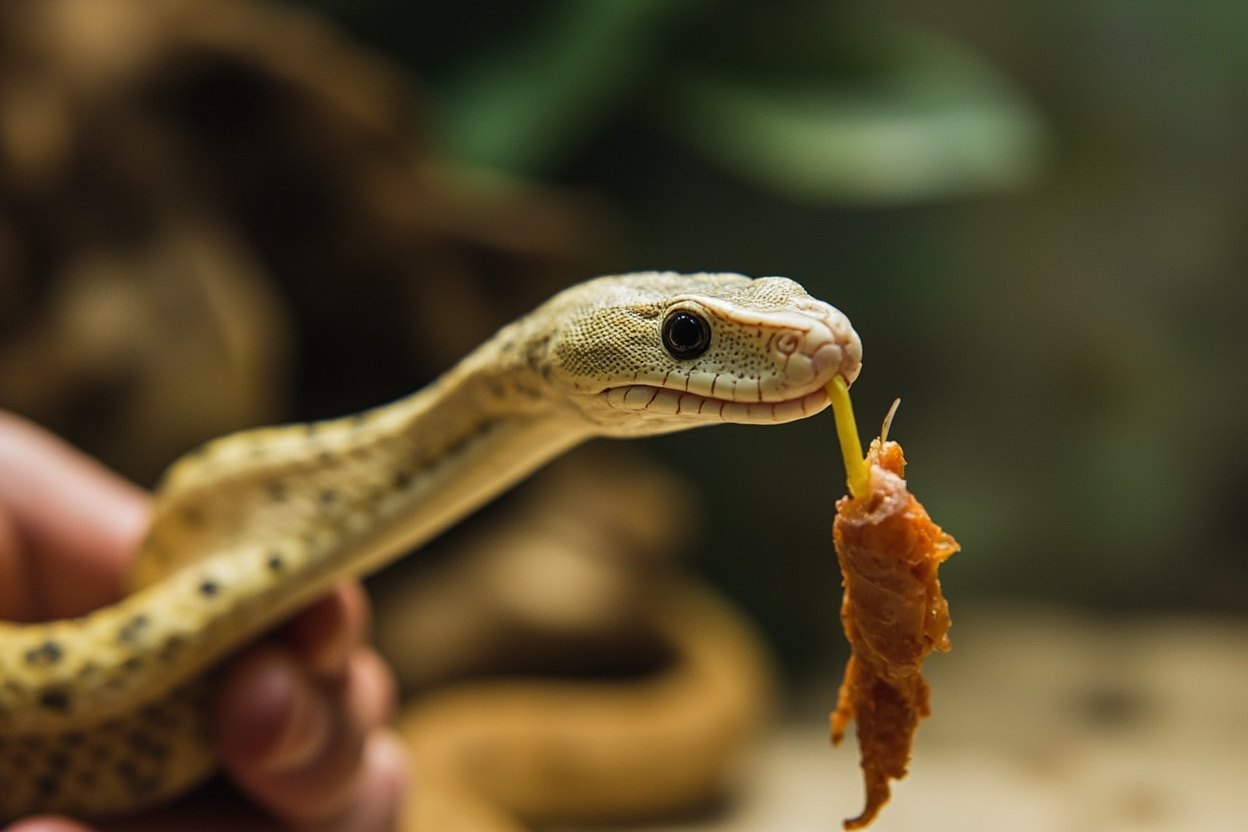
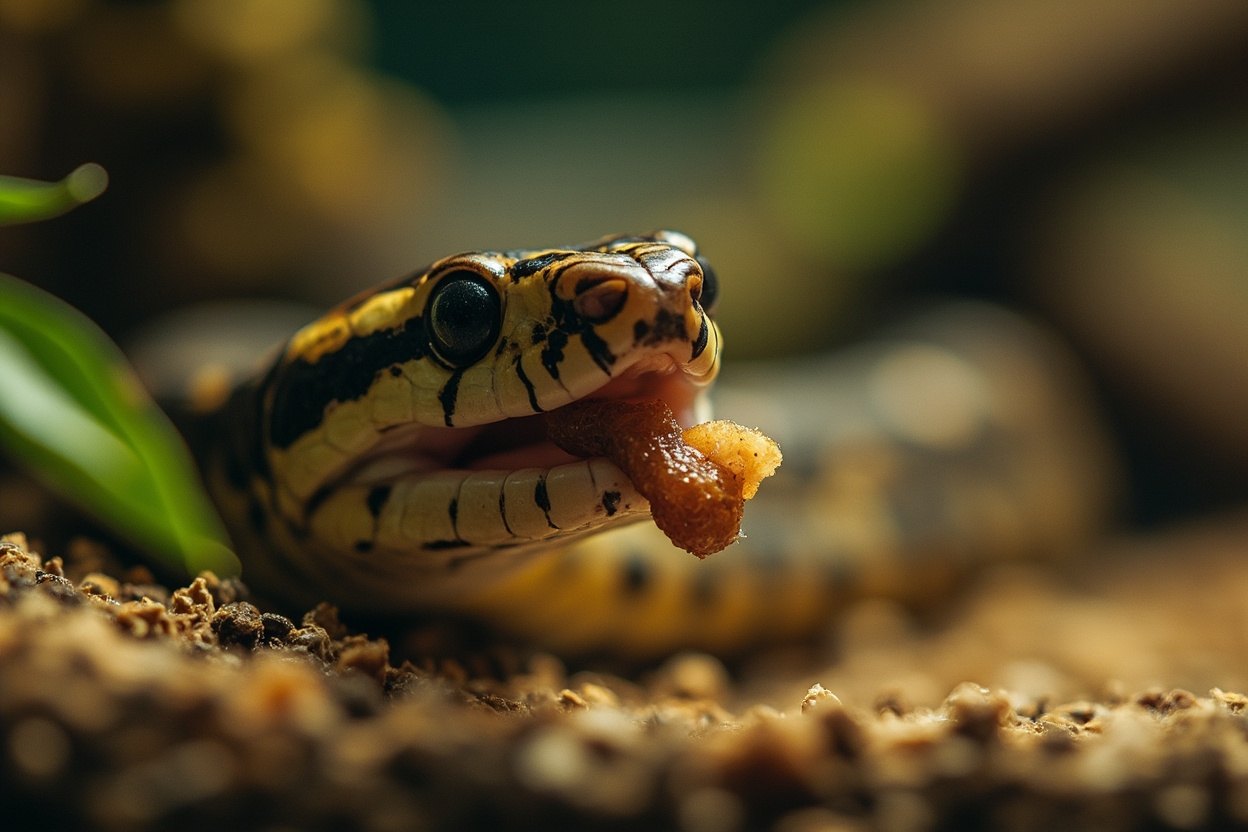
Food Choice and Environment Work Together
A suitable food can still create problems if the animal is unable to regulate temperature, feels exposed or is ill. Feeding decisions should be considered alongside secure housing, water, light where required and the species’ normal activity pattern. A generic schedule cannot account for the needs of every hatchling, adult, breeding animal or rescue case.
Diet categories such as herbivore, insectivore and carnivore are starting points, not complete instructions. Species within the same category can differ in fibre, prey size, mineral needs and feeding frequency. Reliable care sources and a reptile-qualified veterinarian are especially important before changing an established diet or adding supplements.
Records Make Patterns Visible
Log food offered, food eaten, body weight, shedding, droppings and enclosure measurements where relevant. A single missed meal can have several explanations, while a pattern across days or weeks may show a husbandry or health issue. Do not force-feed without professional direction.
Safe Handling Protects People and Animals
Use clean equipment, store food safely and wash hands after handling reptiles, feeders or enclosure items. Feeding should not become a staged performance that increases stress or teaches the animal to associate hands with food.
Sources and review notes
Reviewed 23 August 2026. Care works best when it starts with the exact species in front of you. We checked this article against current veterinary husbandry guidance, but measured enclosure conditions and a reptile-experienced veterinarian should guide decisions for an individual animal.
Reference starting points: Merck Veterinary Manual: reptile management and husbandry, CDC: healthy handling around reptiles and amphibians, and The Reptile Database. Conservation status, taxonomy and local laws can change, so check the linked databases and the relevant local authority for current information.
Spotted something we should revisit? Send Reptile Explorer a correction—thoughtful reader feedback is always welcome.