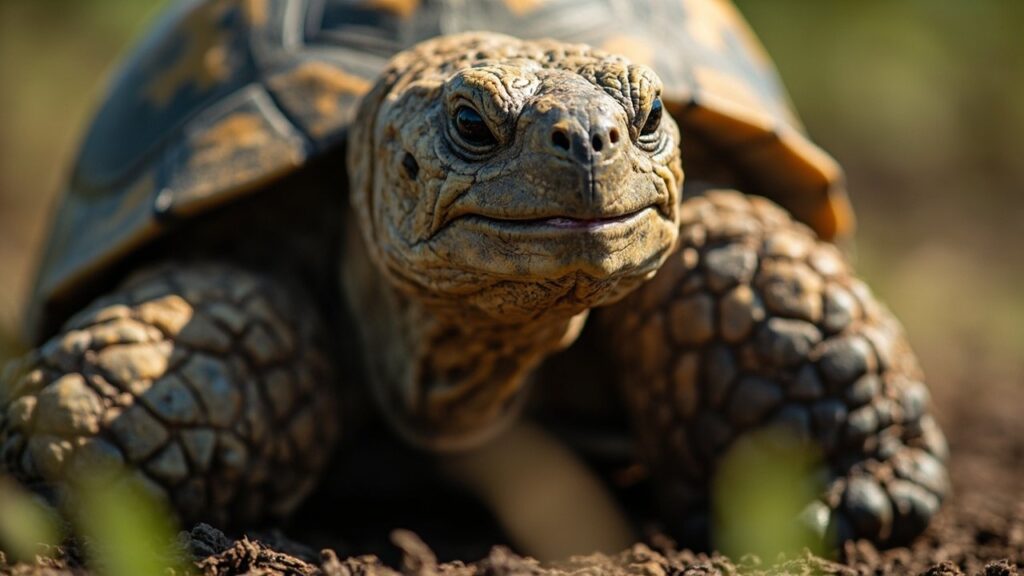
A dry-forest specialist
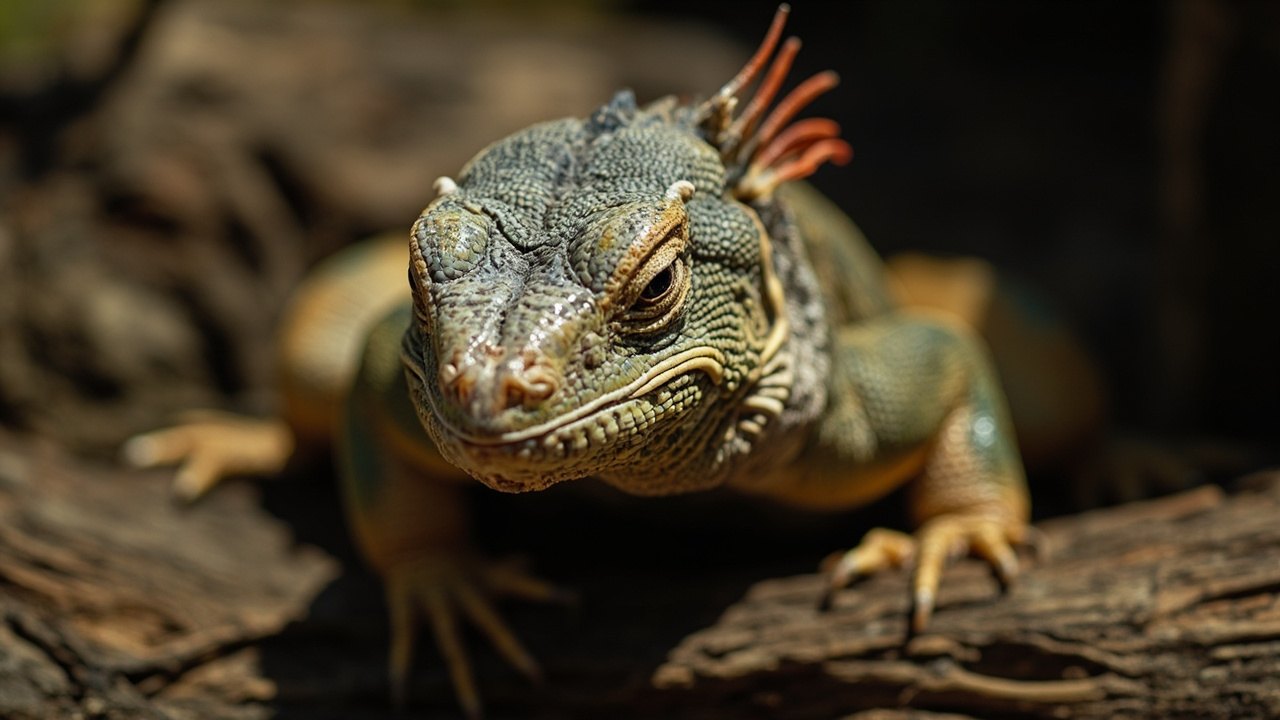
The Fiji crested iguana, Brachylophus vitiensis, survives on a small number of Fijian islands with remaining tropical dry forest. It is critically endangered. Habitat loss, introduced predators and herbivores, illegal collection, and severe storms can all threaten small island populations. Protecting intact forest and restoring damaged sites are essential parts of the species’ recovery.

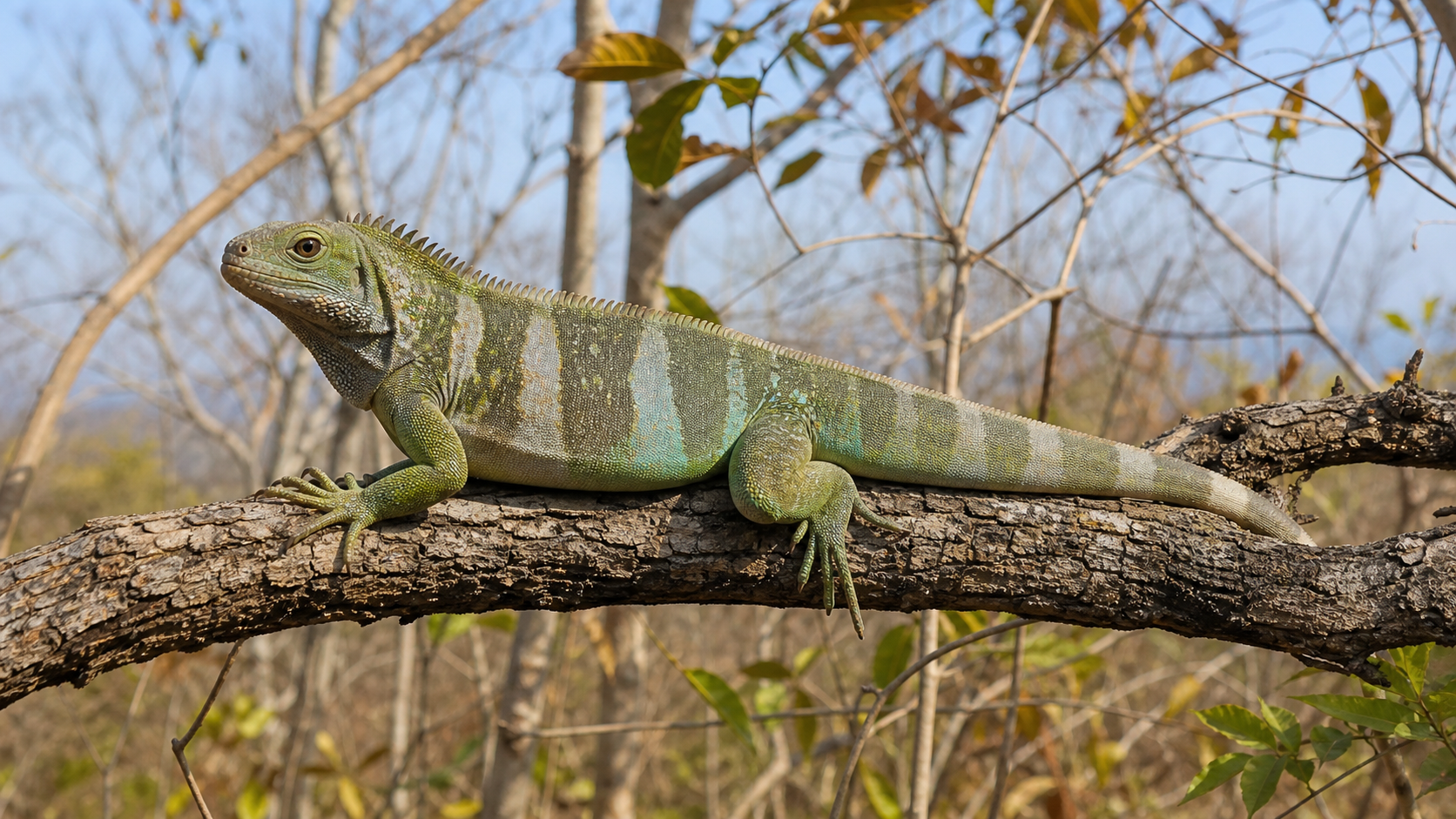
Translocation follows habitat recovery
Moving iguanas is a conservation tool only when the destination has suitable vegetation, shelter, food, and lasting protection from invasive species. On Monuriki Island, recovery work has included the removal of goats and rats, habitat restoration, captive breeding, releases, and post-release monitoring. Such projects require permits, health screening, careful release planning, and local knowledge.
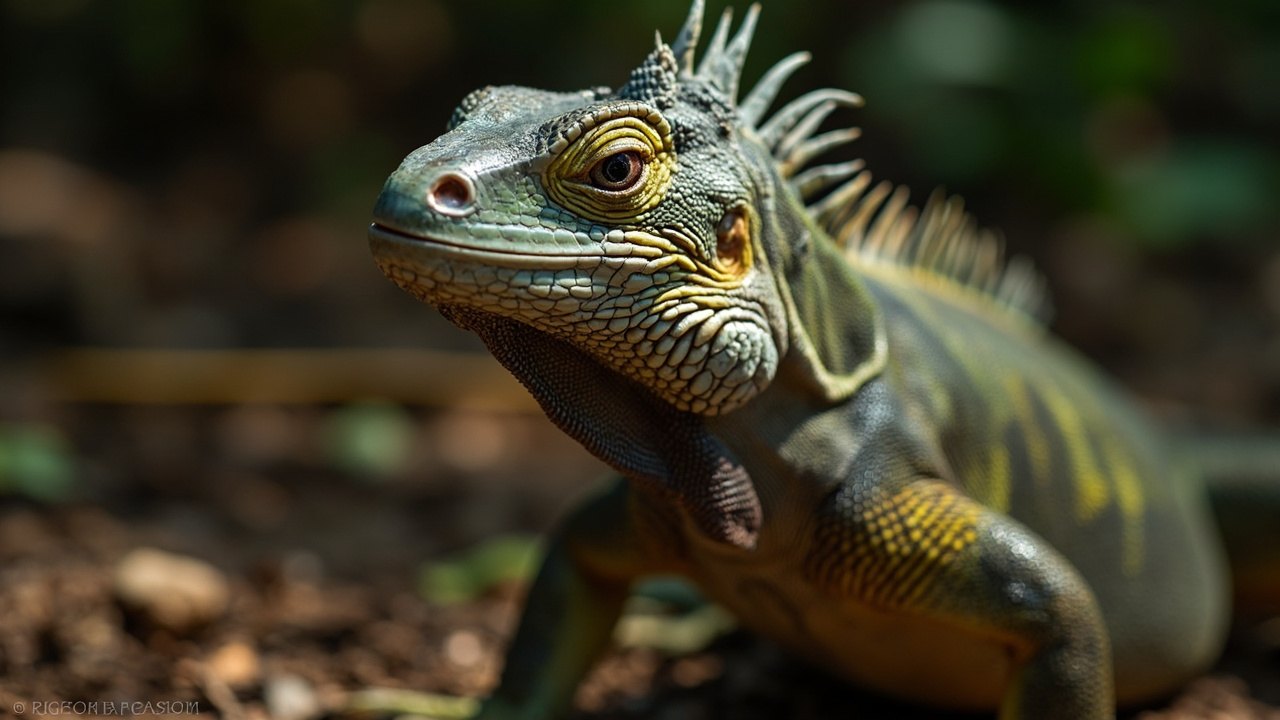
Monitoring turns a release into evidence
Radio tracking and repeated surveys can show where released iguanas move, whether they survive, and how they use the restored habitat. That information helps conservation teams refine future actions. Community partners, Fijian agencies, landowners, researchers, and conservation organizations are all important because a secure population depends on continued protection after the release day.
Release Sites Need Lasting Protection
A destination island for Brachylophus vitiensis needs more than suitable trees on the day of release. Conservation teams assess vegetation, shelter, food, invasive predators, human disturbance and the likelihood that those conditions will persist. A restored dry forest can become suitable only after long-term work. Releasing iguanas before those pressures are addressed could place a small population in another unstable situation.
Translocation Is a Managed Biological Decision
Source populations, health screening, handling and the number and age of released animals all affect a translocation plan. Teams also need to avoid weakening the population from which animals are taken. Captive breeding can support recovery, but captive-born animals still require appropriate habitat and post-release follow-up. The action is successful only when released iguanas survive, establish and contribute to a secure population.
Island Recovery Involves Local Stewardship
Fijian agencies, landowners, local communities and conservation groups help protect nesting areas, forest cover and biosecurity after a release. Continued checks can reveal predator return, storm damage, habitat change or failed recruitment before those problems become permanent. This type of collaboration gives recovery work a practical future beyond a single translocation event and helps protect the dry-forest conditions the iguanas use.
Sources and review notes
Reviewed 23 August 2026. Conservation is rarely a one-step success story. We have kept the language specific about evidence, limits and local context, because a programme that helps one population may not transfer neatly to another.
Reference starting points: The IUCN Red List of Threatened Species, IUCN conservation-translocation guidelines, and the current CITES Appendices. Conservation status, taxonomy and local laws can change, so check the linked databases and the relevant local authority for current information.
Spotted something we should revisit? Send Reptile Explorer a correction—thoughtful reader feedback is always welcome.