Learning changes behaviour through experience
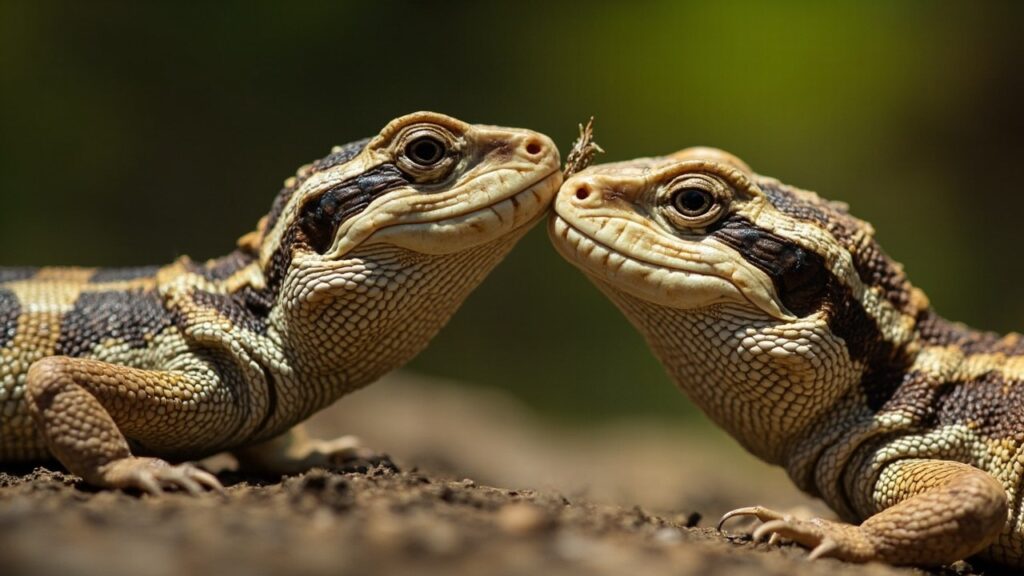
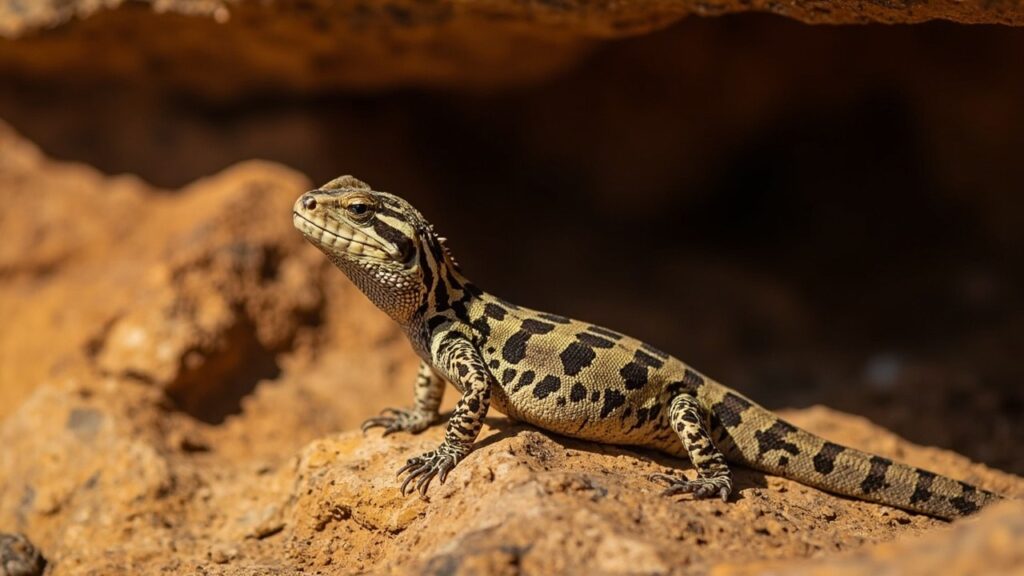
Learning is not one ability. It includes becoming used to a harmless stimulus, associating a cue with food or danger, remembering a route, and adjusting behaviour after conditions change. Research has documented several of these processes in non-avian reptiles, including turtles, lizards, snakes, and crocodilians. The strength of the evidence depends on the species and the question being tested.

Species-specific tests matter
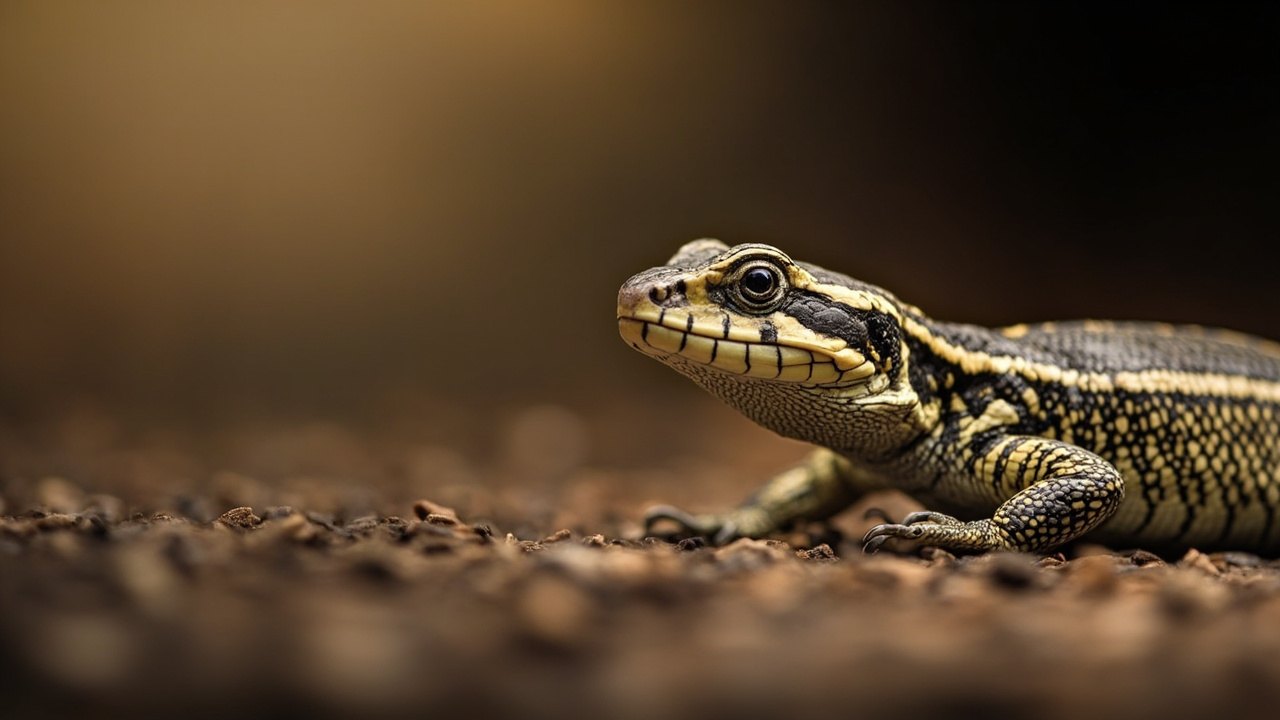
A task designed for a bird or mammal may not suit an animal that relies on different senses, moves at a different temperature, or is motivated by different rewards. Spatial-learning studies, foraging tasks, and conditioning experiments can reveal useful information when they match the animal’s ecology. A failure on one puzzle does not prove that a reptile lacks learning ability.
Better questions improve welfare and research
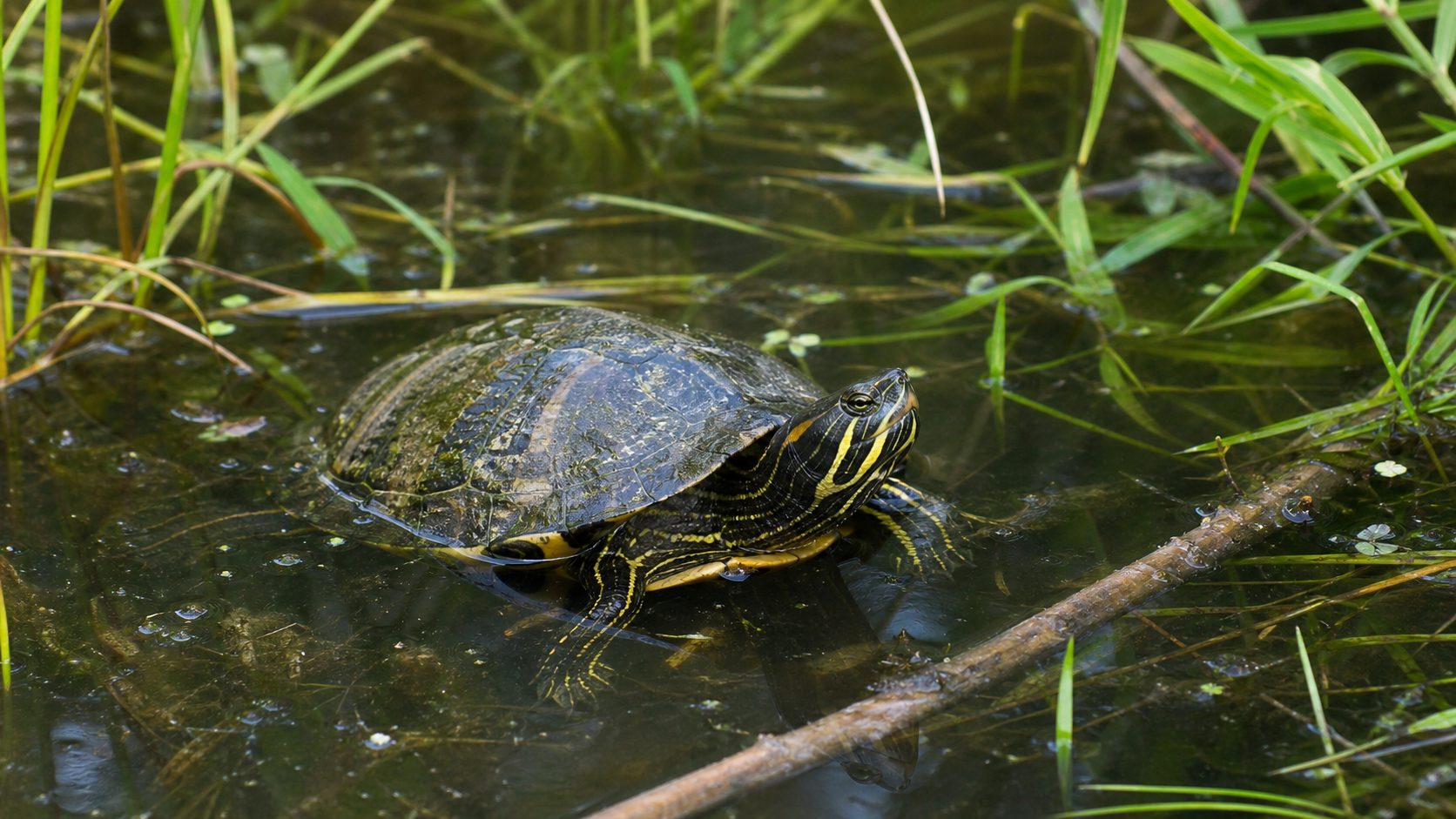
Careful cognition research can guide enrichment, handling practices, and conservation work. It can also test claims that reptiles recognize people, copy one another, or solve novel problems. Those claims need controlled evidence, not a single anecdote. Respectful observation and species-appropriate husbandry offer a better starting point than trying to turn a reptile into a performer.
Experiments Need a Fair Question
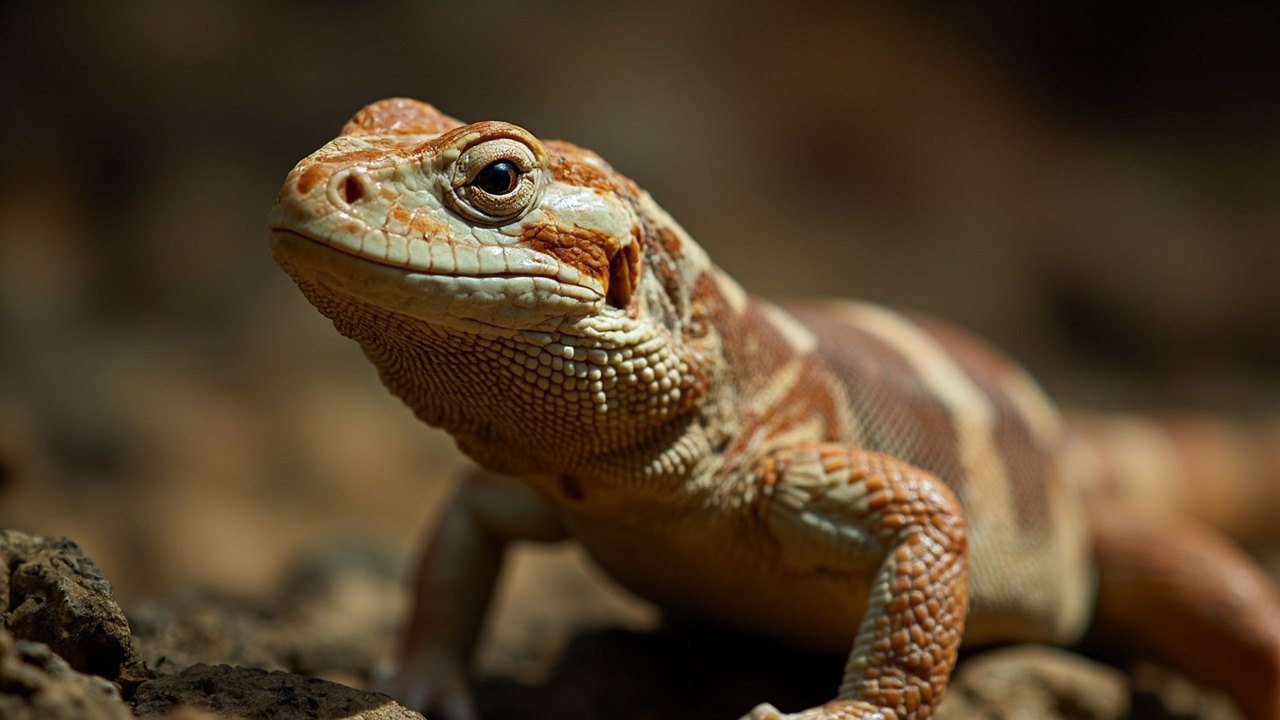
Learning studies are most informative when the task fits an animal’s senses, activity period and normal movement. A diurnal lizard may respond to visual cues that are less useful to a nocturnal snake, while a turtle may show a choice only after enough time to explore. Temperature, prior experience and food motivation can change performance, so good studies record those conditions instead of treating one result as a fixed measure of ability.
Controls matter as well. If an animal reaches food after seeing a cue, researchers need to distinguish learned association from following an unintended smell, familiar route or human movement. Repeated trials and clear methods make a claim more reliable than a single memorable observation.
Individual Differences Are Expected
Age, health, past conditions and temperament can affect how one animal responds. A result from a few individuals should be described as evidence about those individuals and the tested species, not as a verdict on every reptile. This careful wording keeps research useful without making cognition seem less interesting.
Knowledge Can Improve Care Without Creating Performers
Predictable routines and voluntary movement can reduce stress during weighing, transport or examinations. Such practices should be based on the animal’s welfare and should not require repeated handling for entertainment. A reptile-qualified professional can help adapt medical training to a species and individual.
Sources and review notes
Reviewed 23 August 2026. Reptile biology is wonderfully variable. We have avoided turning one species, photograph or dramatic observation into a rule for an entire group, and we have used cautious wording where evidence or local conditions differ.
Reference starting points: The Reptile Database, The IUCN Red List of Threatened Species, and PubMed-indexed research. Conservation status, taxonomy and local laws can change, so check the linked databases and the relevant local authority for current information.
Spotted something we should revisit? Send Reptile Explorer a correction—thoughtful reader feedback is always welcome.