
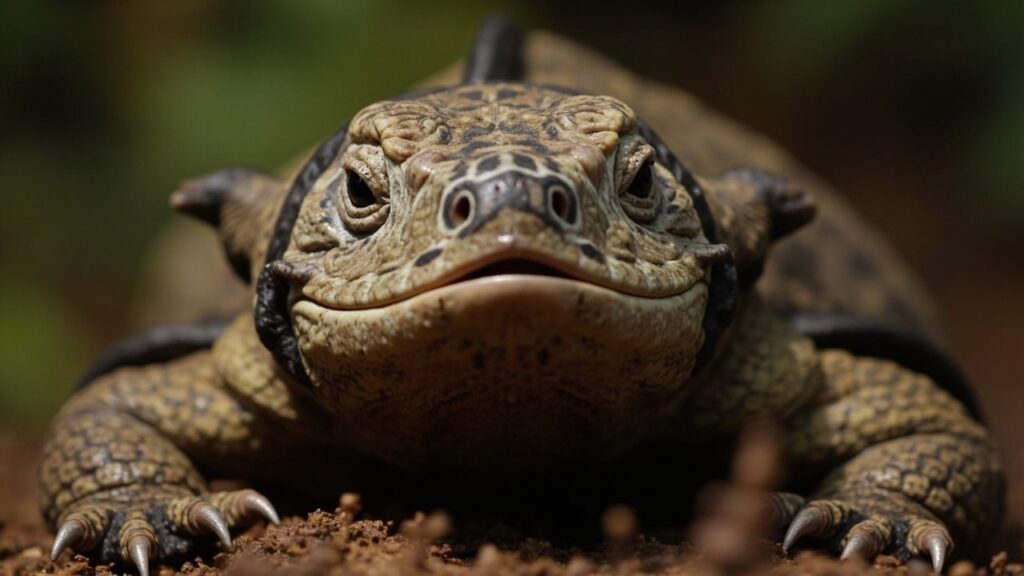
Tuatara Recovery in New Zealand
Tuatara recovery in New Zealand includes island protection, invasive mammal control, translocation and long-term population monitoring.
Tuatara recovery in New Zealand includes island protection, invasive mammal control, translocation and long-term population monitoring.
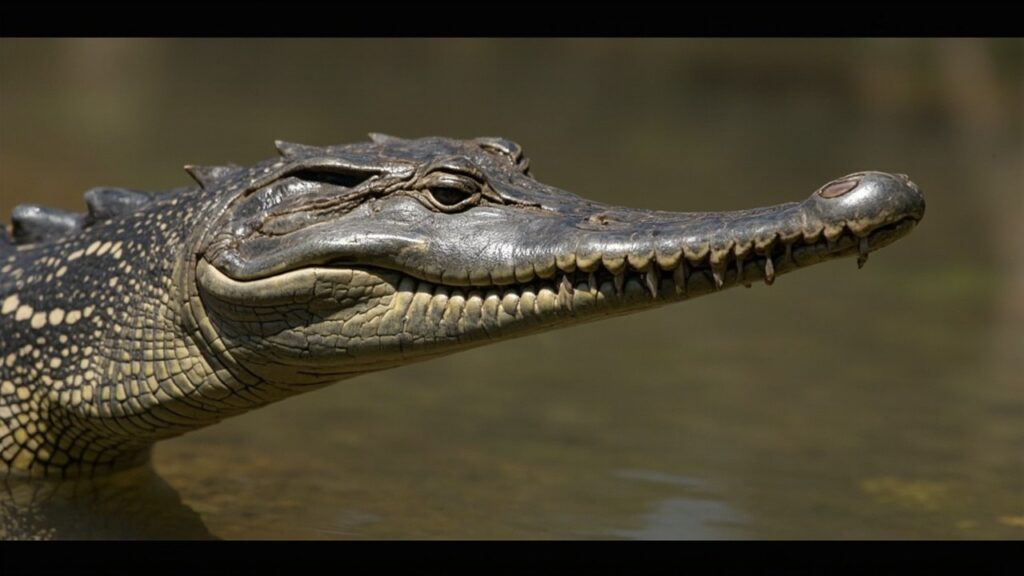
Gharial recovery in India and Nepal includes nest protection, captive rearing, releases, safer fishing practices and river habitat protection.
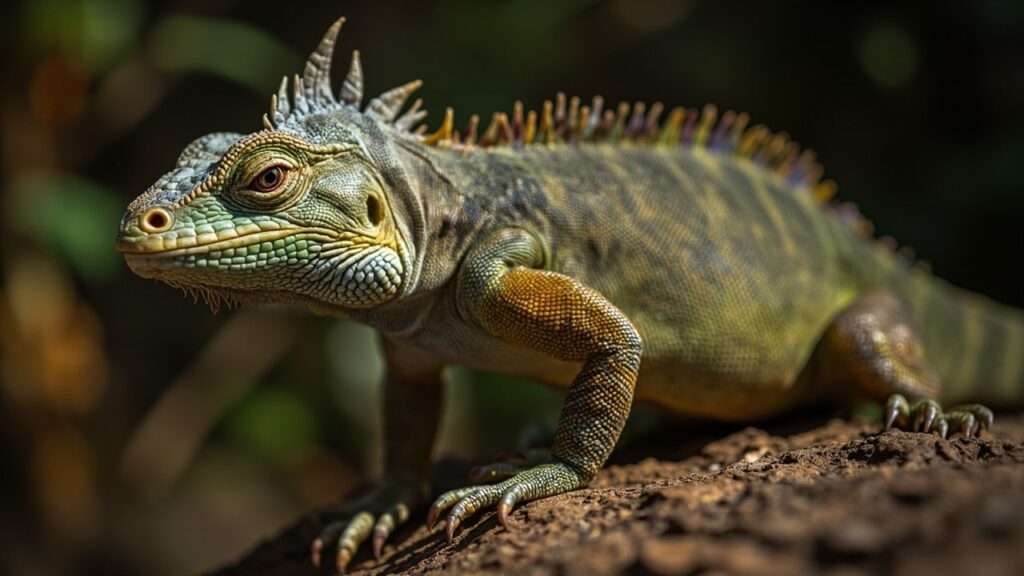
Fiji crested iguana translocations follow invasive-species control and habitat restoration. Health screening, careful release planning and long-term monitoring determine whether populations persist.
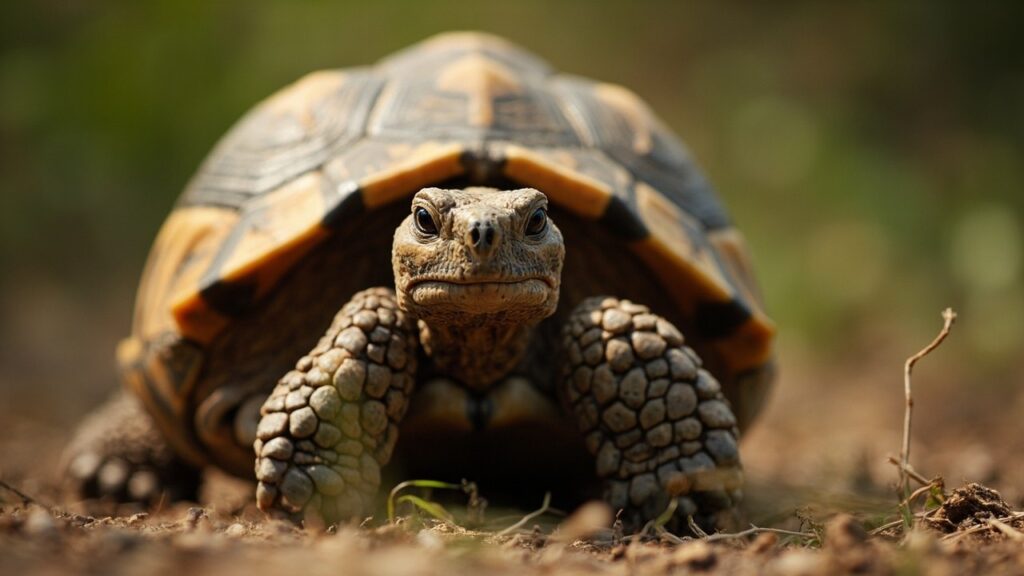
The ploughshare tortoise survives in a small dry-forest range in northwestern Madagascar. Anti-poaching work, habitat protection and reduced demand from illegal collectors are all needed.
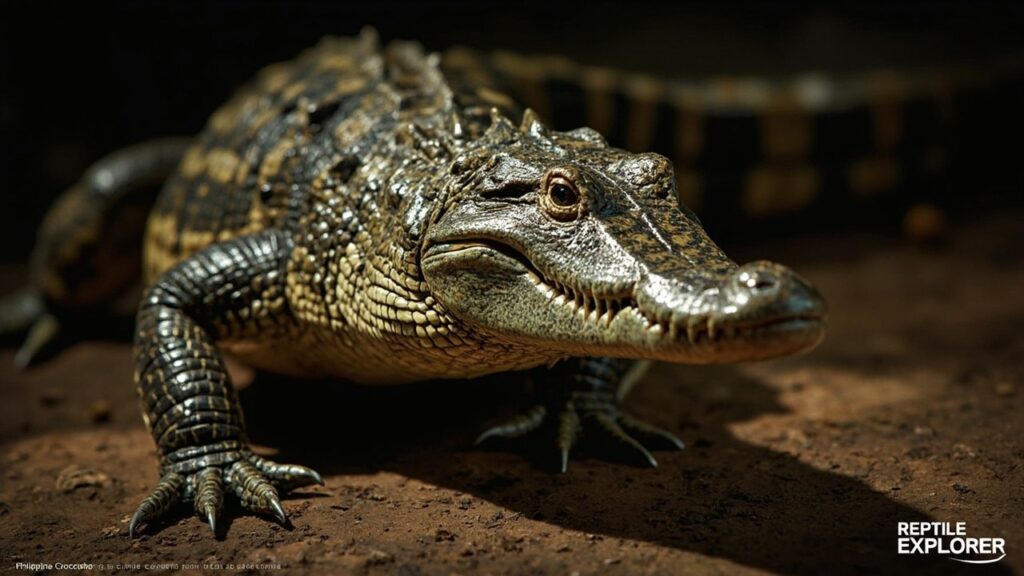
The Critically Endangered Philippine crocodile depends on freshwater wetlands and protection from killing and accidental capture. Captive breeding can support, but not replace, secure wild habitat.
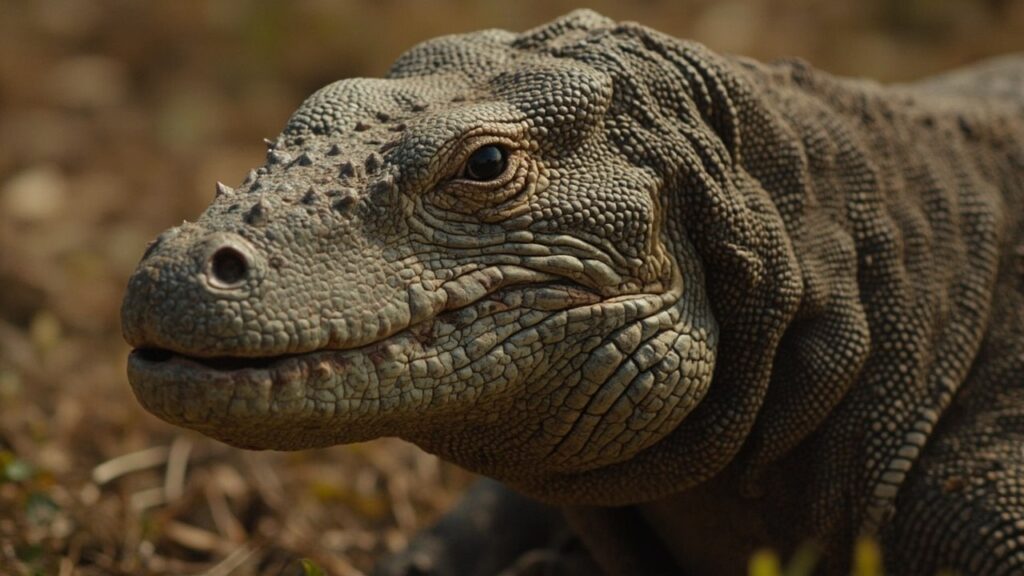
Komodo dragon conservation depends on protected habitat, prey availability, enforcement and work with communities living near their range.
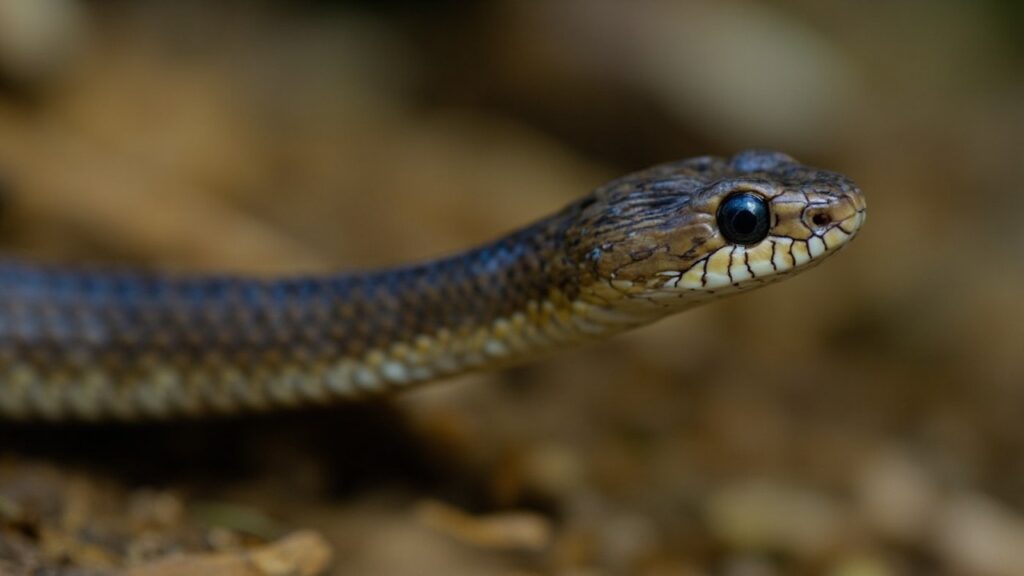
Antiguan racer recovery has relied on invasive predator control, habitat protection and reintroduction to islands within its former range.
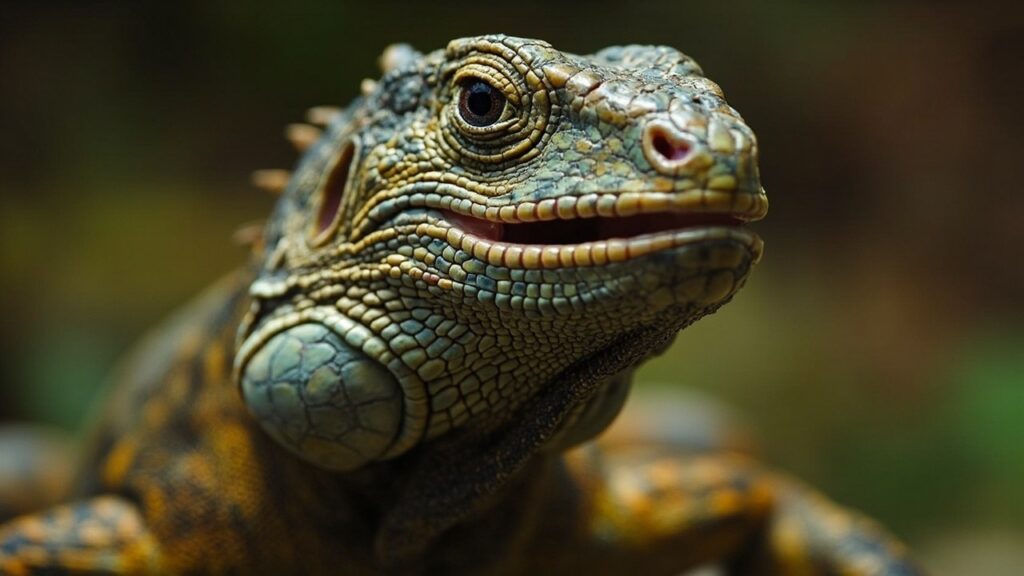
The Jamaican iguana survives in a small area of dry forest in the Hellshire Hills. Recovery work combines headstarting, releases, predator control, monitoring and habitat protection.
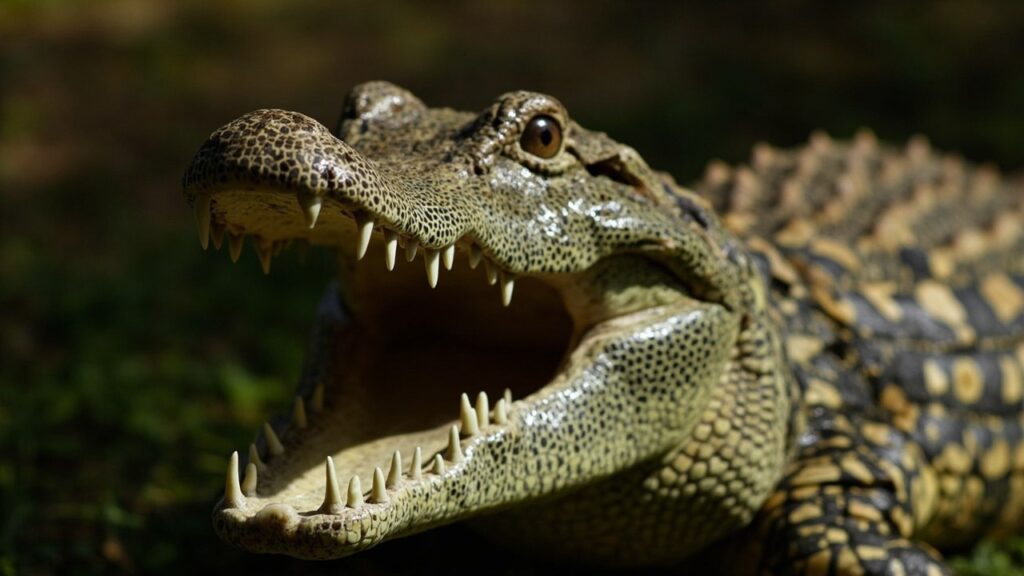
Siamese crocodile recovery includes habitat protection, enforcement, captive breeding and reintroduction, with results varying by site.
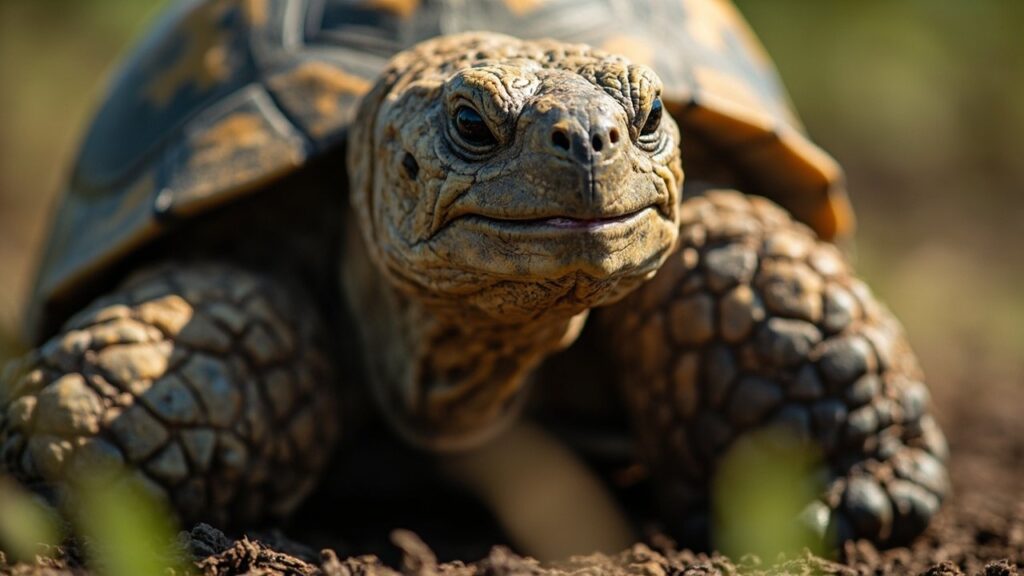
Miraculous resurgence of the Galapagos giant tortoises from near extinction to thriving populations hints at deeper conservation challenges still ahead.