From Fifteen Founders to a Wild Population
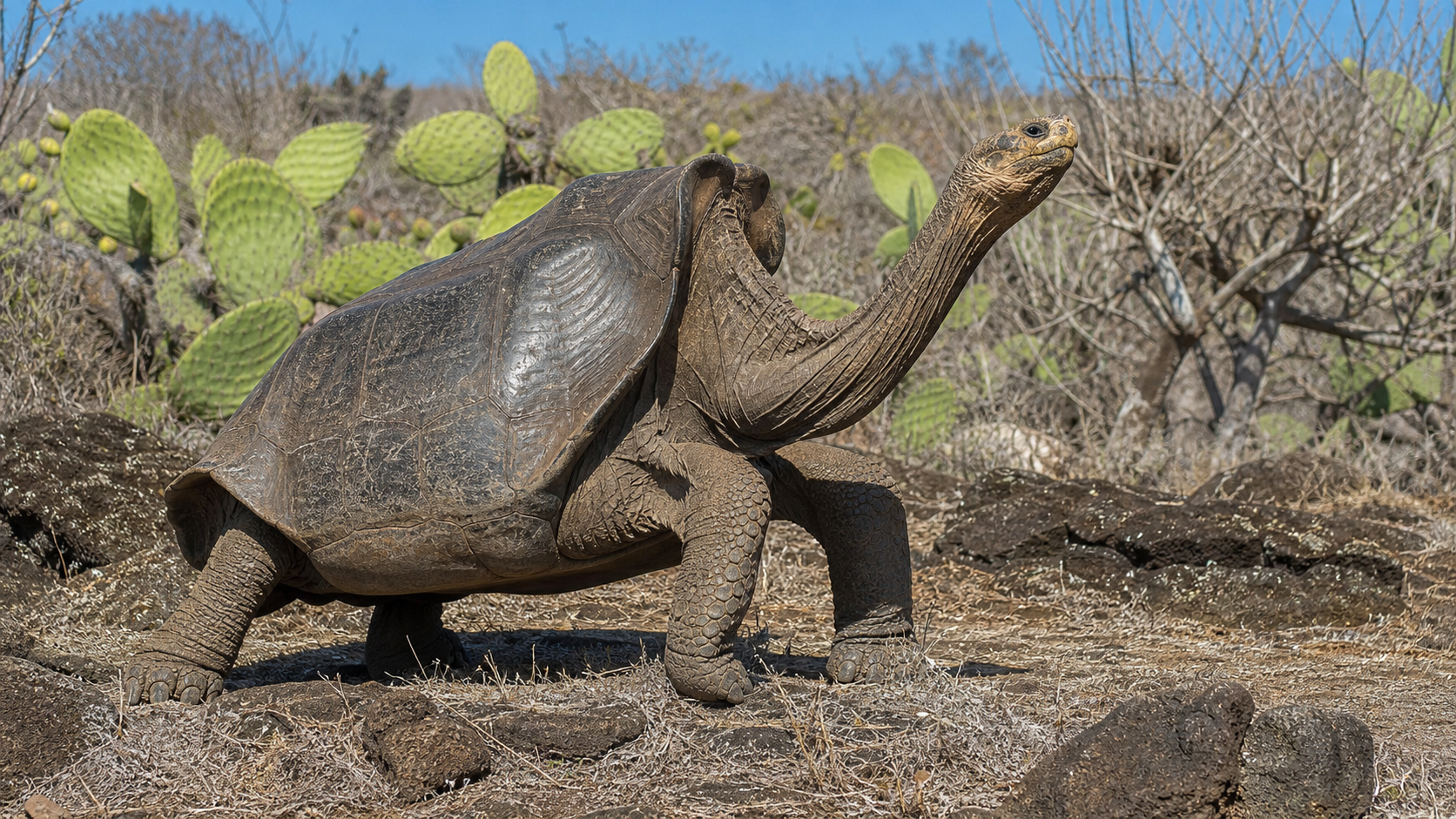
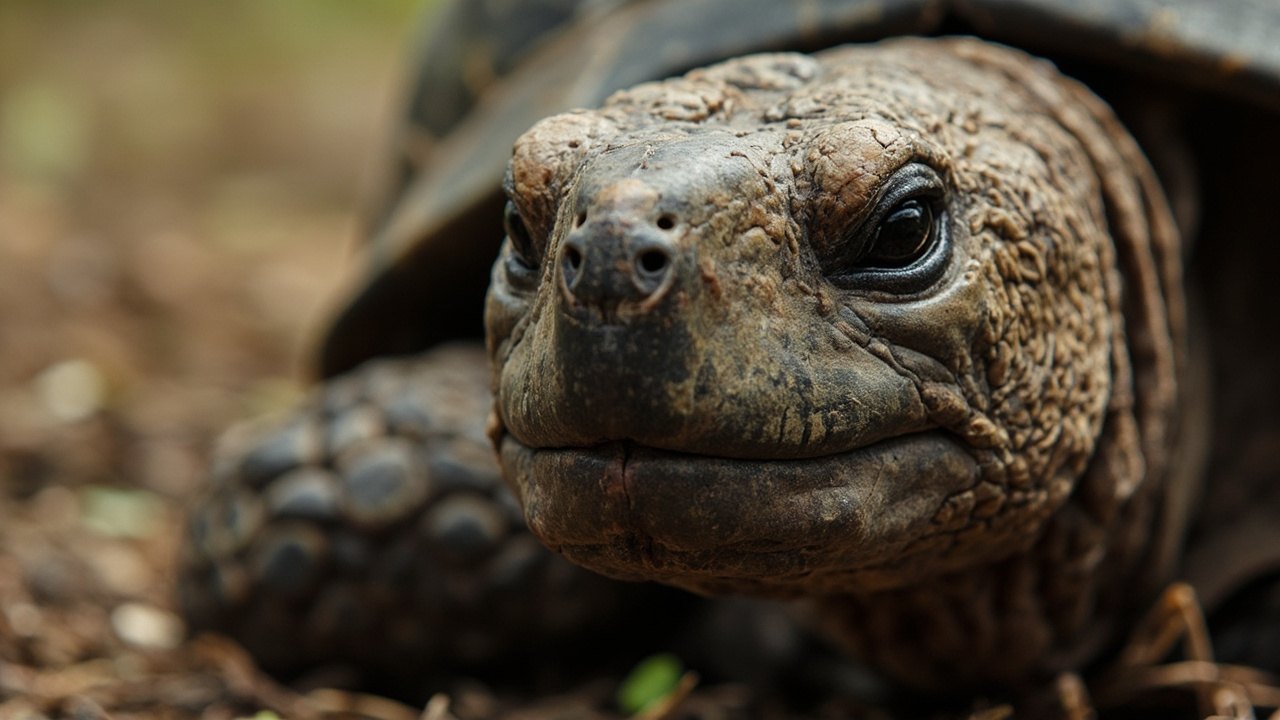
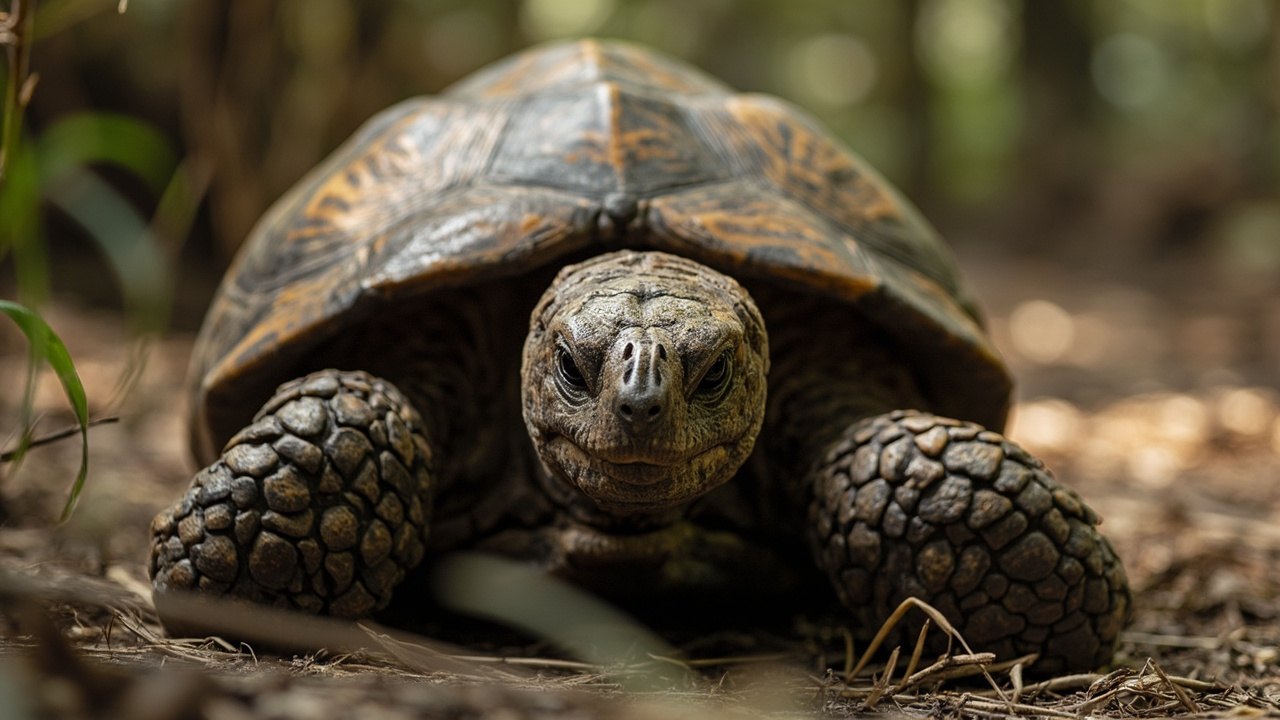
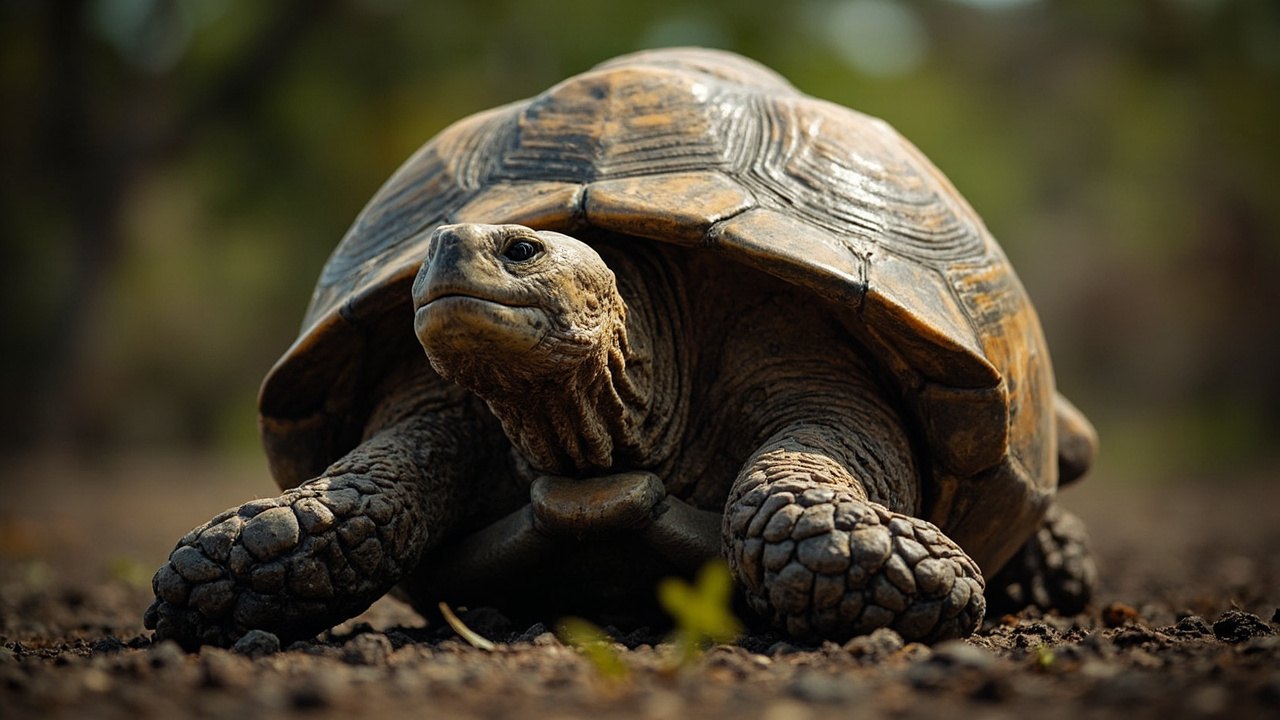
The Española giant tortoise (Chelonoidis hoodensis) is found only in the Galapagos Islands. By the 1960s, only 14 tortoises remained on Española after decades of exploitation and damage from introduced goats. They were brought into managed care between 1963 and 1974; a third male, Diego, joined the breeding group from the San Diego Zoo in 1977, bringing the founders to 15. The recovery illustrates how every living descendant on Española traces back to this very small group.
Breeding, Repatriation and Habitat Repair
Young tortoises were reared at the breeding centre on Santa Cruz and returned to Española over many years. Releases began in 1972, and the returned animals later started breeding naturally. Removing goats was equally important because the animals had stripped vegetation and changed the island’s habitat. More than 2,300 tortoises now live freely on Española, where natural reproduction is an essential sign that recovery is taking hold.
Restoring an Ecological Role
Giant tortoises are major herbivores that move seeds and help keep parts of the vegetation open as they feed and travel. Those actions can support wider restoration, including open ground used by waved albatrosses. The work still requires monitoring, protection from new introduced species and attention to changing climate conditions. A healthy population depends on both the tortoises and the island habitat that supports them.
Recovery Has a Genetic Dimension
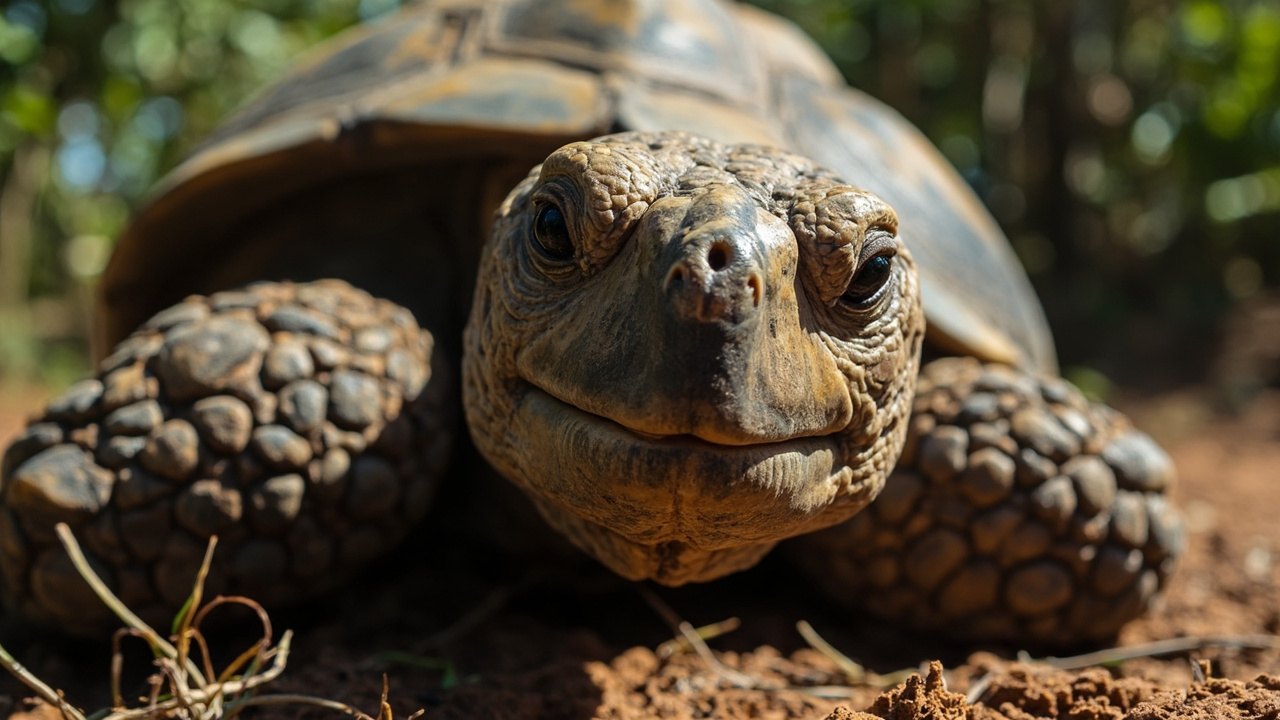
A population founded by very few animals can carry less genetic variation than a larger population. Breeding records, parentage information and health monitoring help conservation teams make decisions that protect the remaining options. Those records do not replace habitat restoration, but they can reduce avoidable risk as a population grows. A large number of tortoises is encouraging only when the animals can survive and reproduce over time.
Numbers Need Context
Release totals show effort, while repeated field surveys show whether animals remain, mature and contribute to the next generation. Natural nesting and young animals in the wild are particularly meaningful evidence because they indicate that the life cycle is continuing on the island. Monitoring also helps identify new pressures before a decline becomes obvious from casual sightings.
Biosecurity Protects Island Recovery
Introduced plants, animals and pathogens can undo habitat gains if they arrive or spread unchecked. Visitors and project staff can support recovery by following quarantine, cleaning and access rules. Protecting Española’s tortoises means protecting the distinctive island community that supports them, not treating a breeding centre as the only place where conservation occurs.
Sources and review notes
Reviewed 23 August 2026. Conservation is rarely a one-step success story. We have kept the language specific about evidence, limits and local context, because a programme that helps one population may not transfer neatly to another.
Reference starting points: The IUCN Red List of Threatened Species, IUCN conservation-translocation guidelines, and the current CITES Appendices. Conservation status, taxonomy and local laws can change, so check the linked databases and the relevant local authority for current information.
Spotted something we should revisit? Send Reptile Explorer a correction—thoughtful reader feedback is always welcome.