A freshwater crocodile under pressure
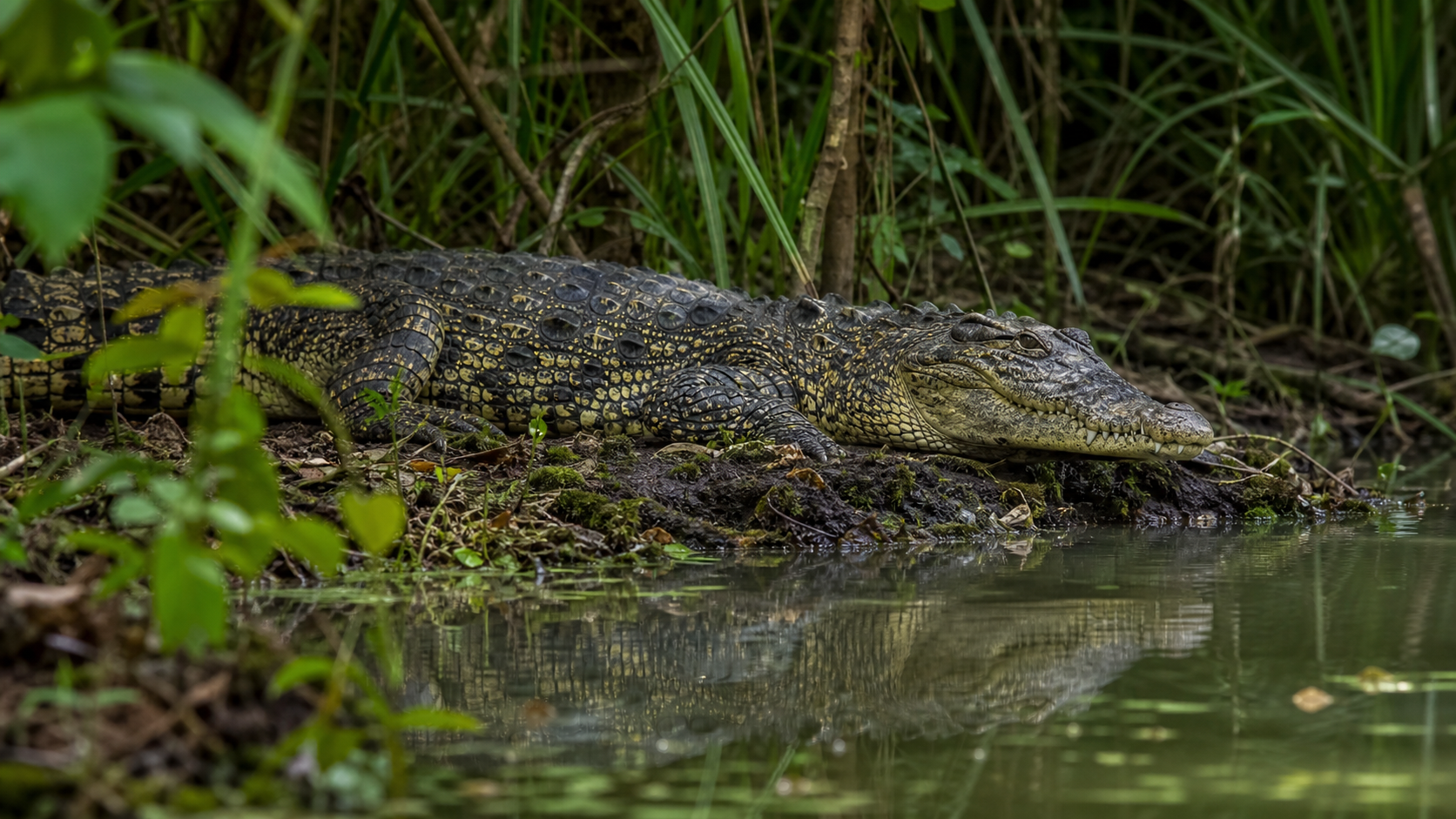
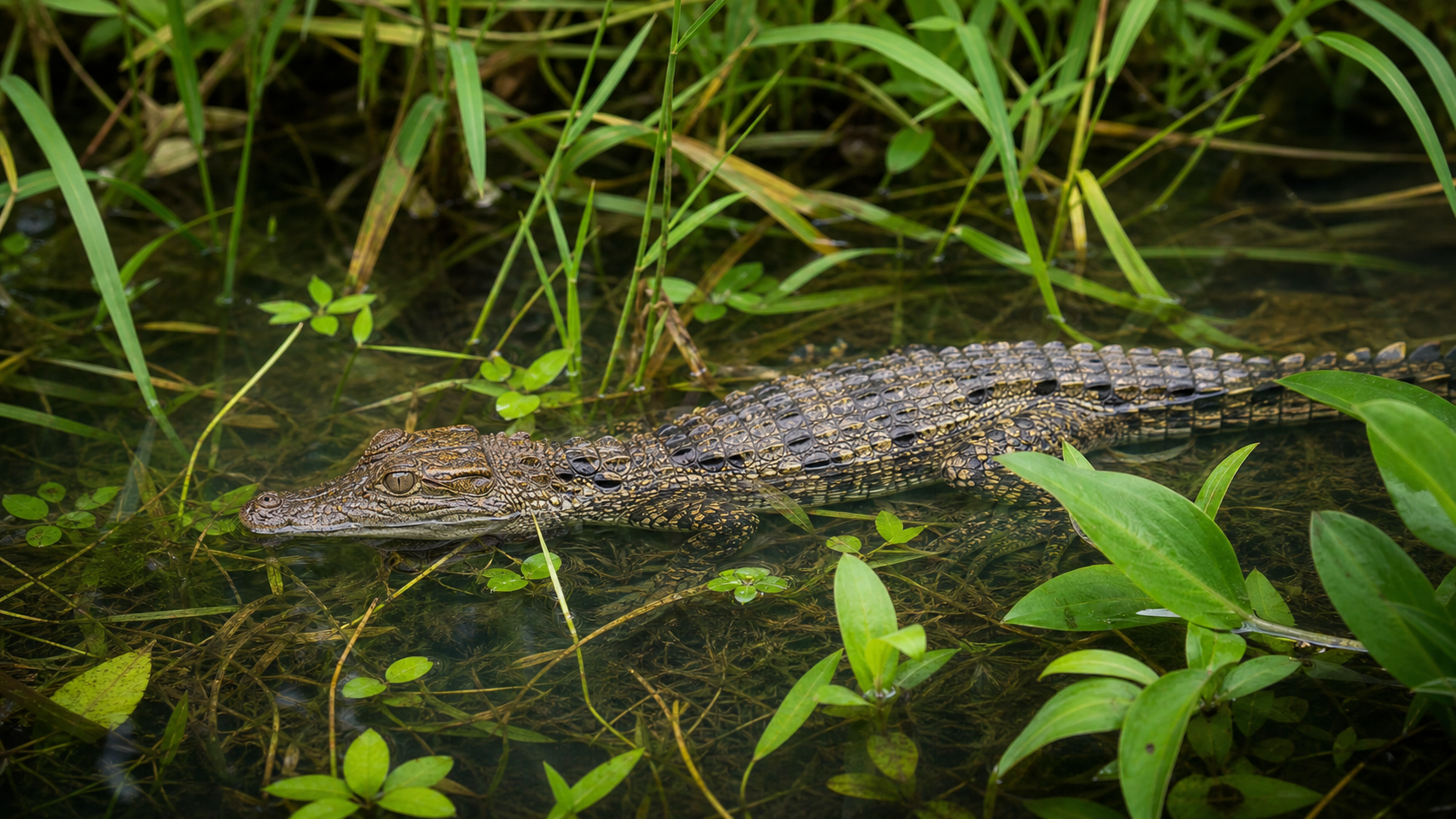
The Siamese crocodile, Crocodylus siamensis, is listed as Critically Endangered. Once found more widely across Southeast Asia, it now survives in small, fragmented wild populations. Freshwater wetlands, slow rivers, marshes, and seasonally flooded forest are important parts of its habitat. Hunting, capture for farms, habitat loss, and disturbance at nesting areas have all contributed to its decline.
Recovery begins with secure habitat
Protecting rivers and wetlands is central to recovery. In Cambodia, field teams and local communities monitor crocodiles, locate nests, and reduce threats in important landscapes such as the Cardamom Mountains. This work can include patrols, nest protection, community agreements, and surveys that help conservation teams understand where animals are still breeding.
Breeding and releases need careful safeguards
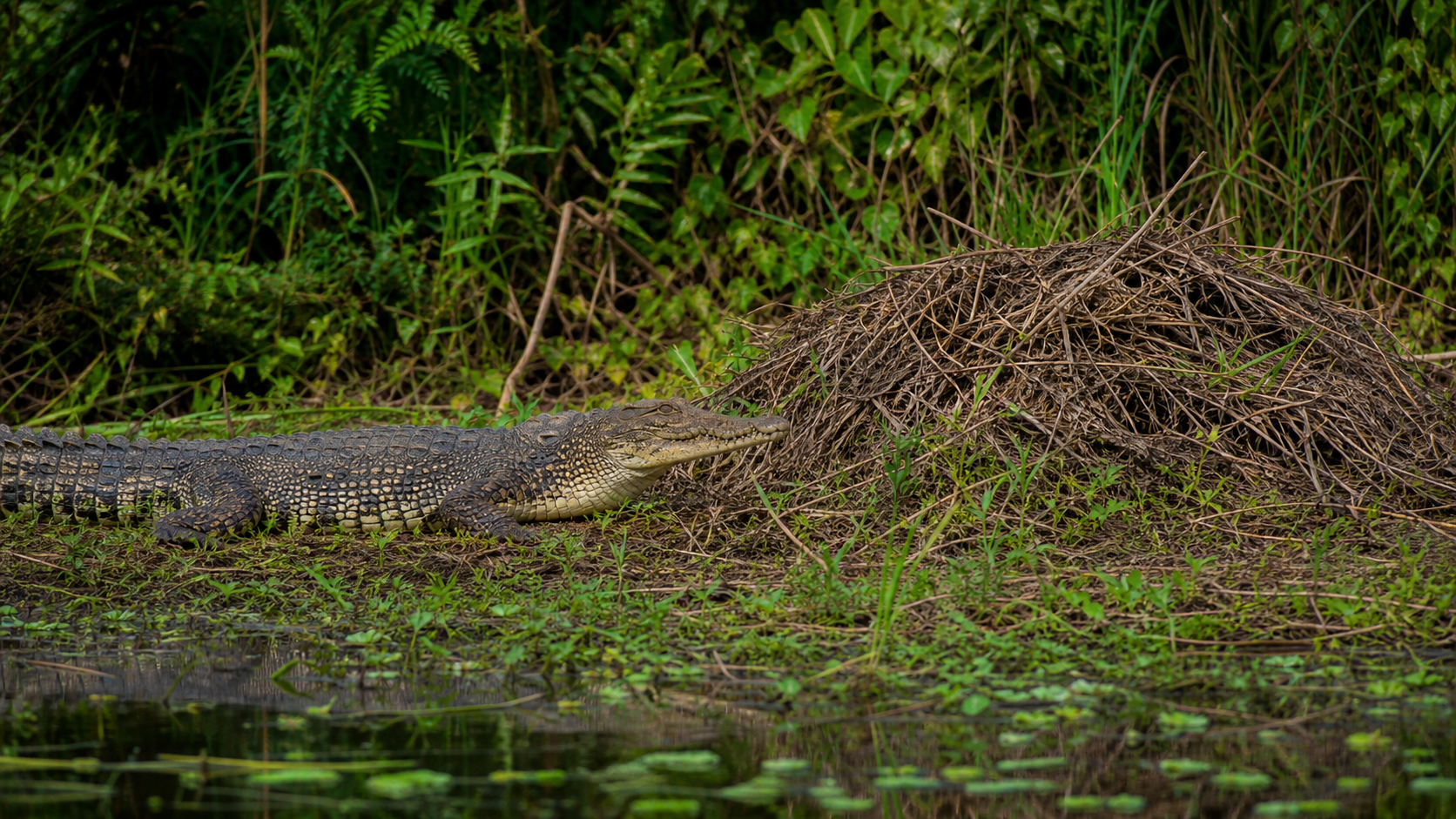
Captive breeding and releases can support recovery when they are linked to safe habitat and sound genetic management. A released animal still needs food, shelter, low conflict with people, and protection from illegal capture. Long-term monitoring of adults, nests, hatchlings, and habitat condition shows whether a programme is building a self-sustaining wild population rather than only increasing the number of crocodiles handled.
Wild Recovery Needs Verified Populations
The Siamese crocodile, Crocodylus siamensis, depends on evidence from the wild, not only on the number of animals in farms or breeding facilities. Surveys, camera records, nest observations and genetic work can help teams identify which populations are breeding and whether released animals are appropriate for a recovery programme. This is especially important where hybridisation with other crocodilian species may complicate the origin of captive animals.
Wetlands that support crocodiles also support fish, waterbirds, plants and nearby communities. Maintaining water quality, seasonal connections and quiet nesting areas can benefit several parts of that system at the same time. A reserve boundary alone cannot protect habitat if water use or pollution upstream changes the wetland.
Release Is a Step, Not the Outcome
Before a release, managers need suitable habitat, a clear reason for the action, health precautions and a plan for tracking survival. Afterwards, records of movement, feeding, nesting and local conflict show whether the animals are establishing rather than simply being placed in the landscape. Outcomes should be reported over years because crocodilians are long-lived and breeding may take time.
Community Participation Supports Safer Coexistence
Local residents, fishers and land managers can identify changing water levels, nets, nesting sites and areas of conflict. Recovery is more durable when those observations inform decisions and when people have clear ways to report a crocodile safely.
Sources and review notes
Reviewed 23 August 2026. Conservation is rarely a one-step success story. We have kept the language specific about evidence, limits and local context, because a programme that helps one population may not transfer neatly to another.
Reference starting points: The IUCN Red List of Threatened Species, IUCN conservation-translocation guidelines, and the current CITES Appendices. Conservation status, taxonomy and local laws can change, so check the linked databases and the relevant local authority for current information.
Spotted something we should revisit? Send Reptile Explorer a correction—thoughtful reader feedback is always welcome.