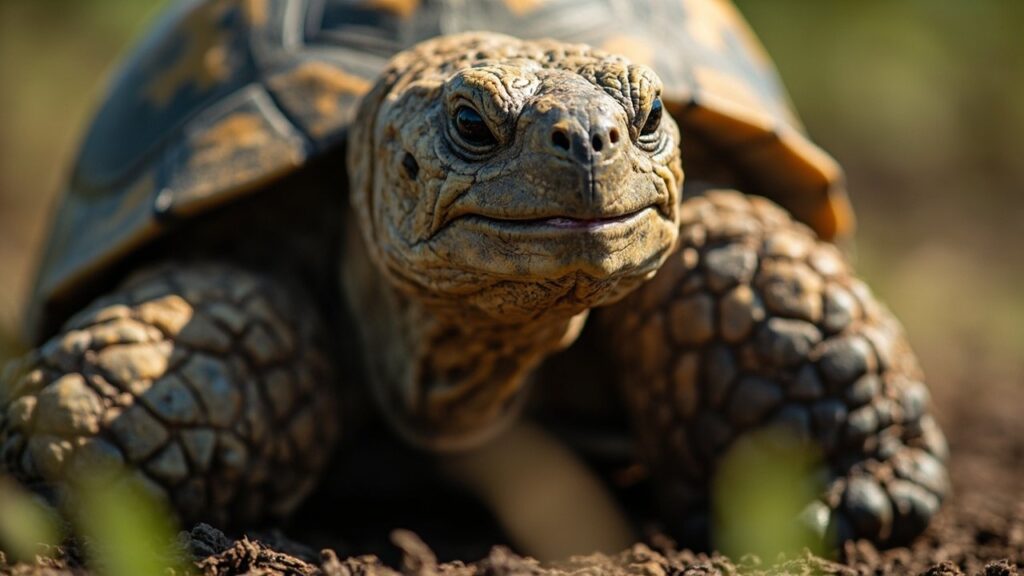
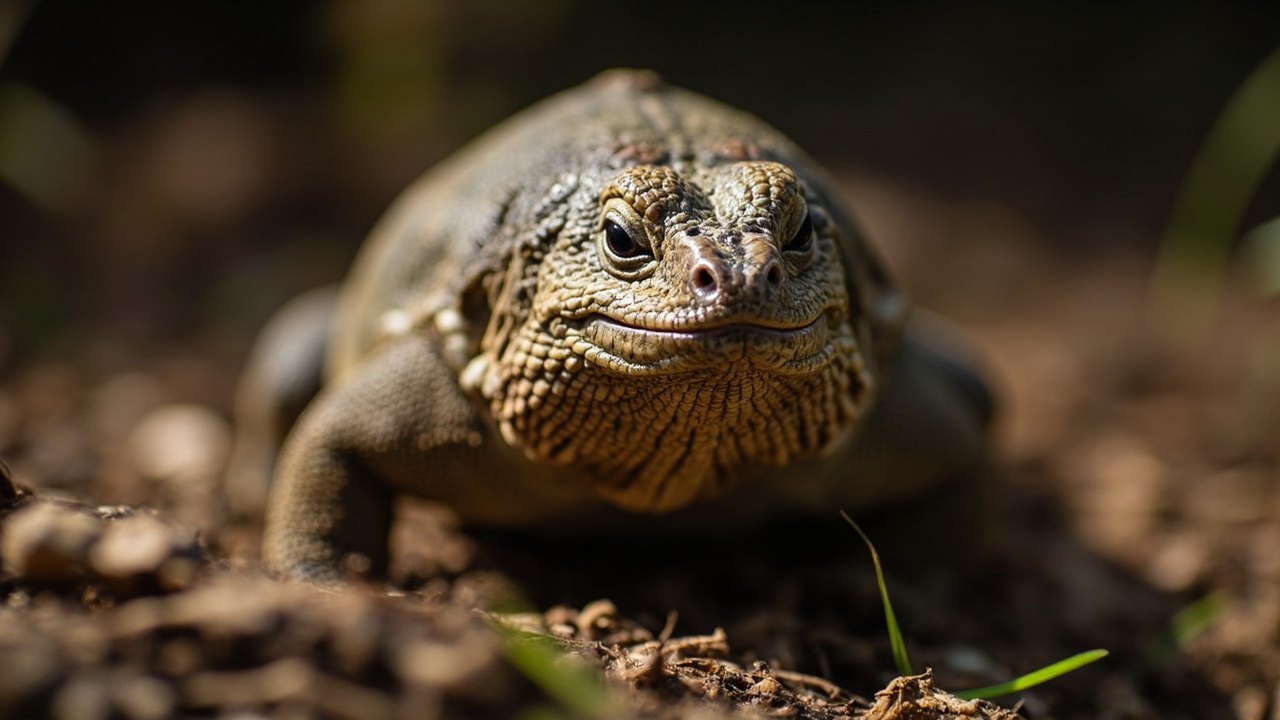
A reptile found nowhere else
Tuatara, Sphenodon punctatus, are endemic to New Zealand and are the only living members of the reptile lineage Rhynchocephalia. Their survival is not secured by rarity alone. Tuatara mature slowly, reproduce slowly, and depend on places where eggs and young can survive. Wild populations now persist mainly on offshore islands, alongside carefully managed populations in protected mainland sanctuaries.

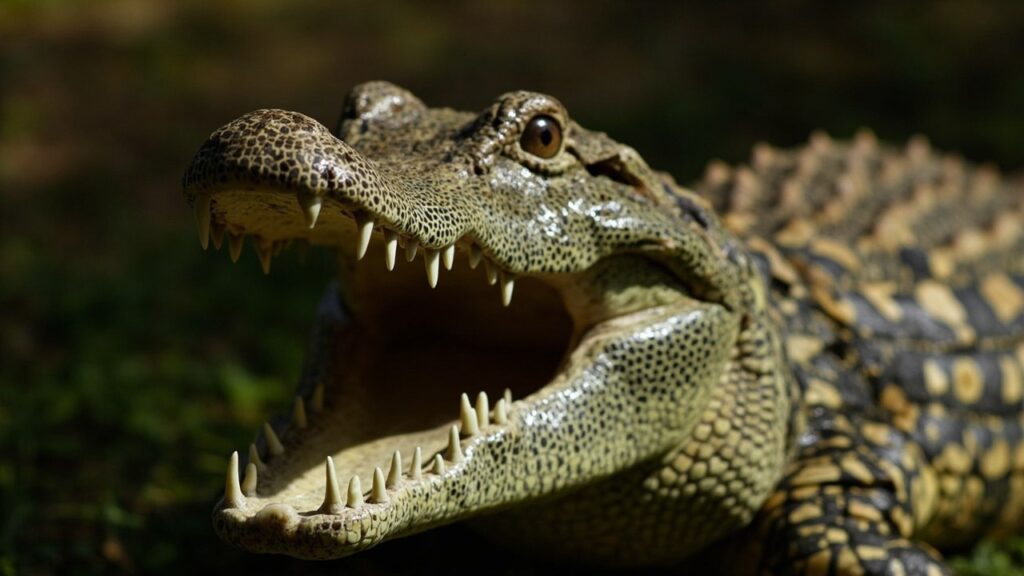
Why recovery needs protected places
Introduced mammalian predators, especially rats, have been a major threat because they eat eggs and young and compete for invertebrate prey. Habitat damage, illegal collection, small isolated populations, and low genetic diversity can add pressure. Effective recovery joins habitat protection with strict island biosecurity, predator control, and long-term population monitoring.
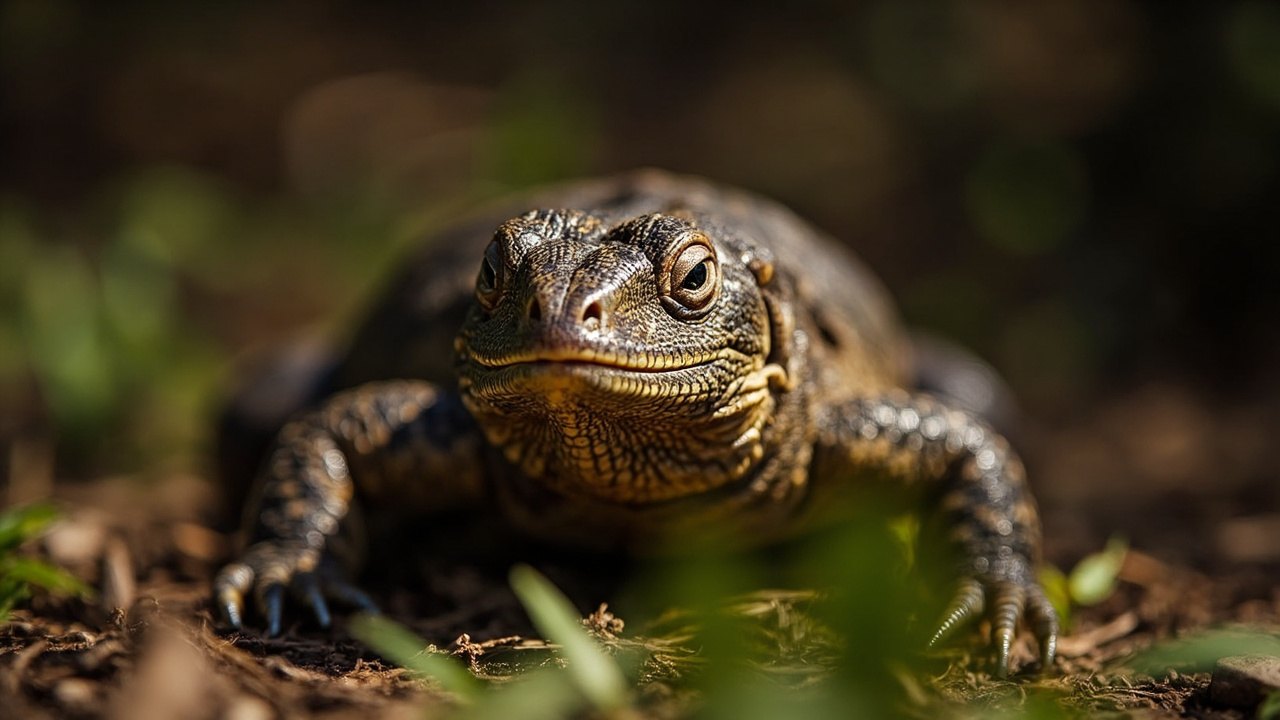
Translocation needs a long view
Moving tuatara can help restore suitable predator-free sites, but it is not a quick fix. Conservation teams consider the source population, genetic representation, animal health, habitat quality, and whether food and shelter are available at the release site. Follow-up monitoring matters because a release is successful only when animals survive, reproduce, and become part of a secure population.
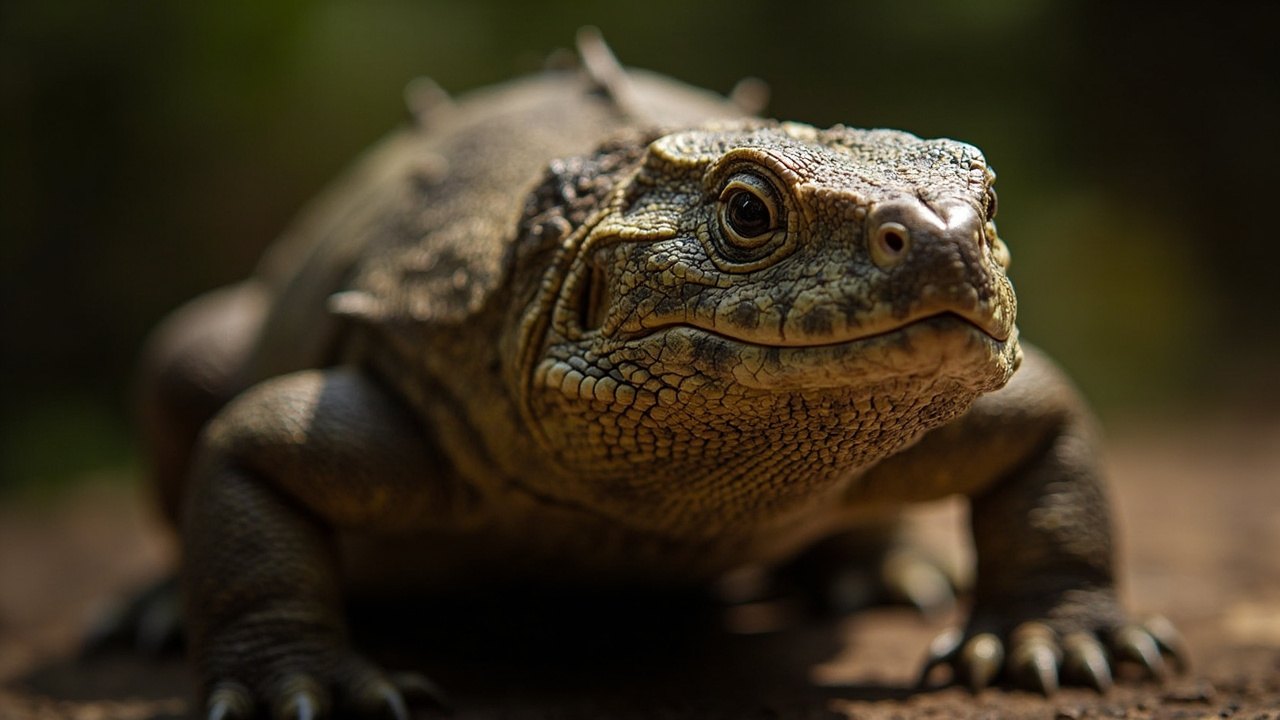
Tuatara Are a Distinct Reptile Lineage
The tuatara, Sphenodon punctatus, is not a lizard even though it can look lizard-like at a glance. It is the only living species of Rhynchocephalia, a reptile lineage with a long evolutionary history. That distinction makes accurate naming useful, but it does not make the animal a relic outside normal conservation needs. It still requires suitable habitat, food, shelter and protection from introduced predators.
Cooler conditions, slow growth and long life influence how population change is measured. A group of adults can remain visible for years without showing whether young animals are surviving and entering the population.
Translocation Requires More Than Moving Animals
A release or translocation needs a site with appropriate habitat, low threat levels, secure management and a plan to monitor survival. Individual identity, health and genetic considerations are also important. The work continues after release because animals must establish, feed, reproduce and avoid the pressures that caused earlier losses.
Respect Protected Wildlife
Visitors should follow site rules, avoid handling reptiles and keep sensitive locations private. Recovery succeeds through sustained habitat care, predator management, monitoring and community support rather than through one high-profile release.
Sources and review notes
Reviewed 23 August 2026. Conservation is rarely a one-step success story. We have kept the language specific about evidence, limits and local context, because a programme that helps one population may not transfer neatly to another.
Reference starting points: The IUCN Red List of Threatened Species, IUCN conservation-translocation guidelines, and the current CITES Appendices. Conservation status, taxonomy and local laws can change, so check the linked databases and the relevant local authority for current information.
Spotted something we should revisit? Send Reptile Explorer a correction—thoughtful reader feedback is always welcome.