Ectotherms Still Regulate
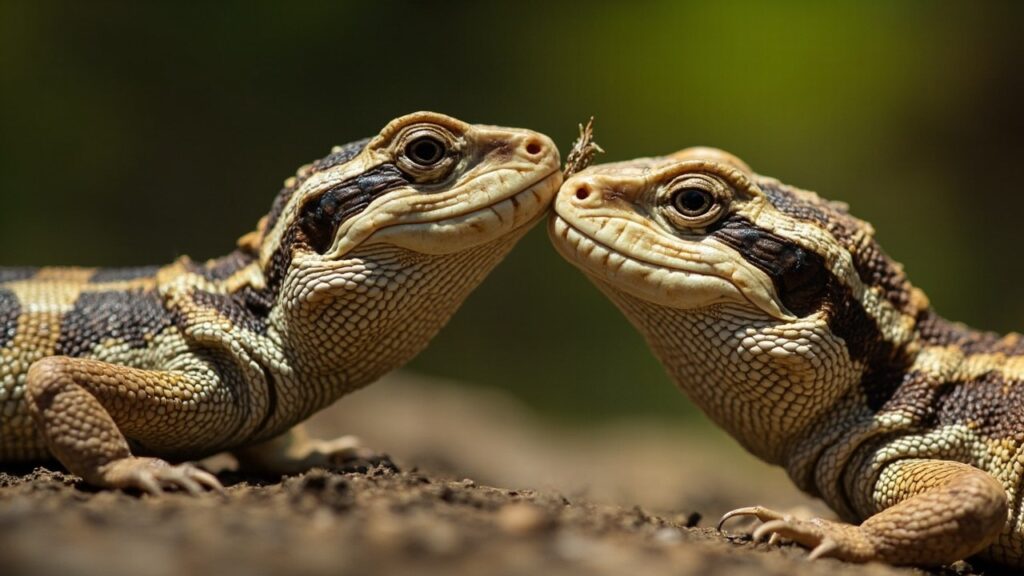
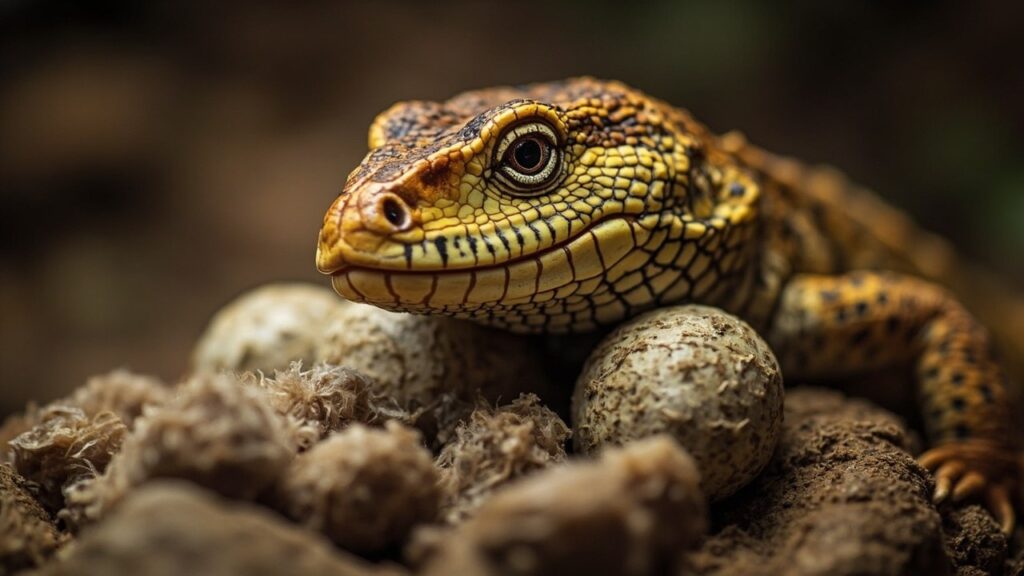
Reptiles obtain most of their body heat from the environment, but that does not mean their temperatures are entirely passive. Many choose sun, shade, water, burrows, rocks or vegetation to remain within a workable range. Basking, changing posture and adjusting activity times are forms of behavioural thermoregulation that can be as important as any internal physiological response.
Small Places Make a Big Difference
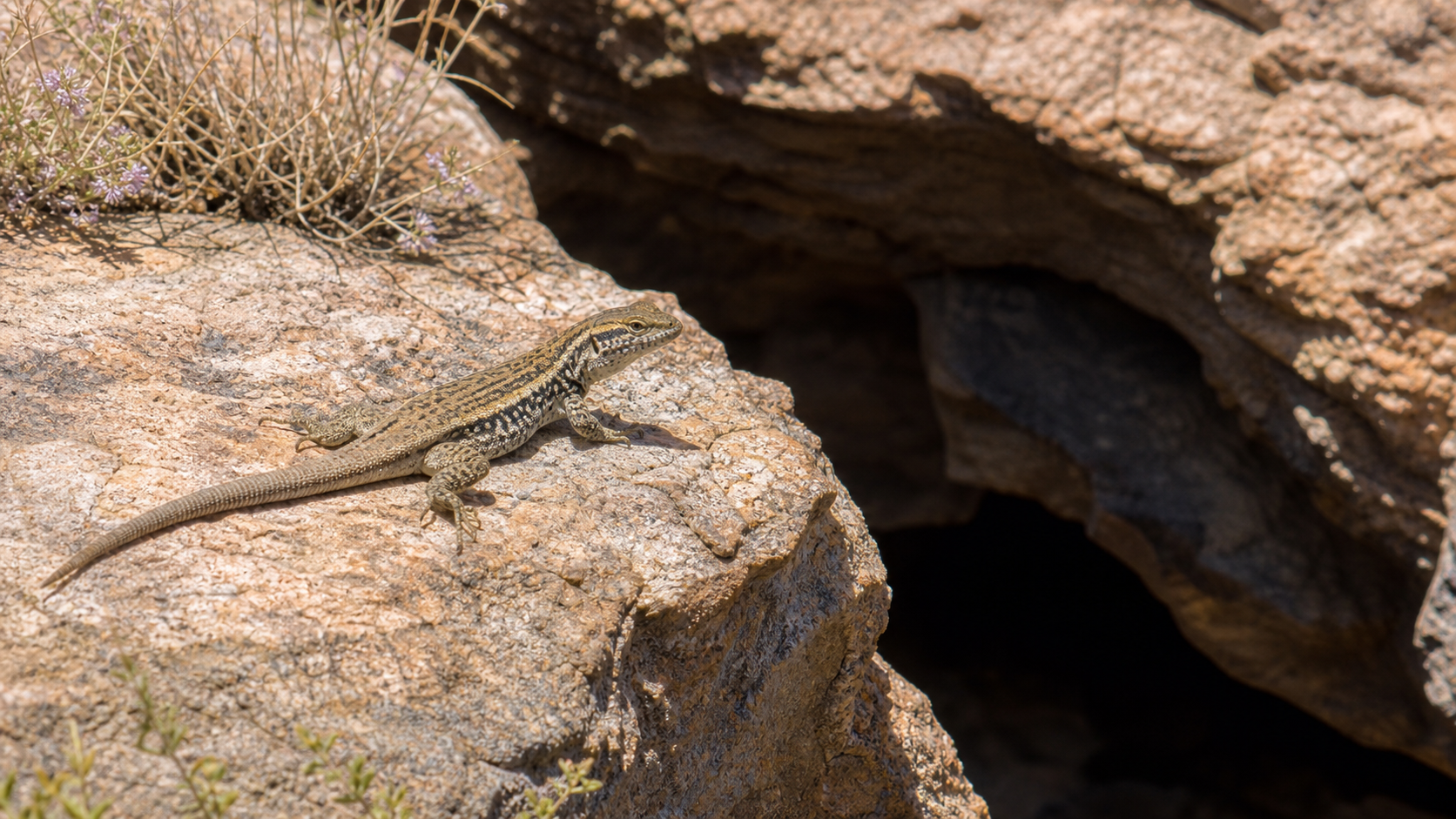
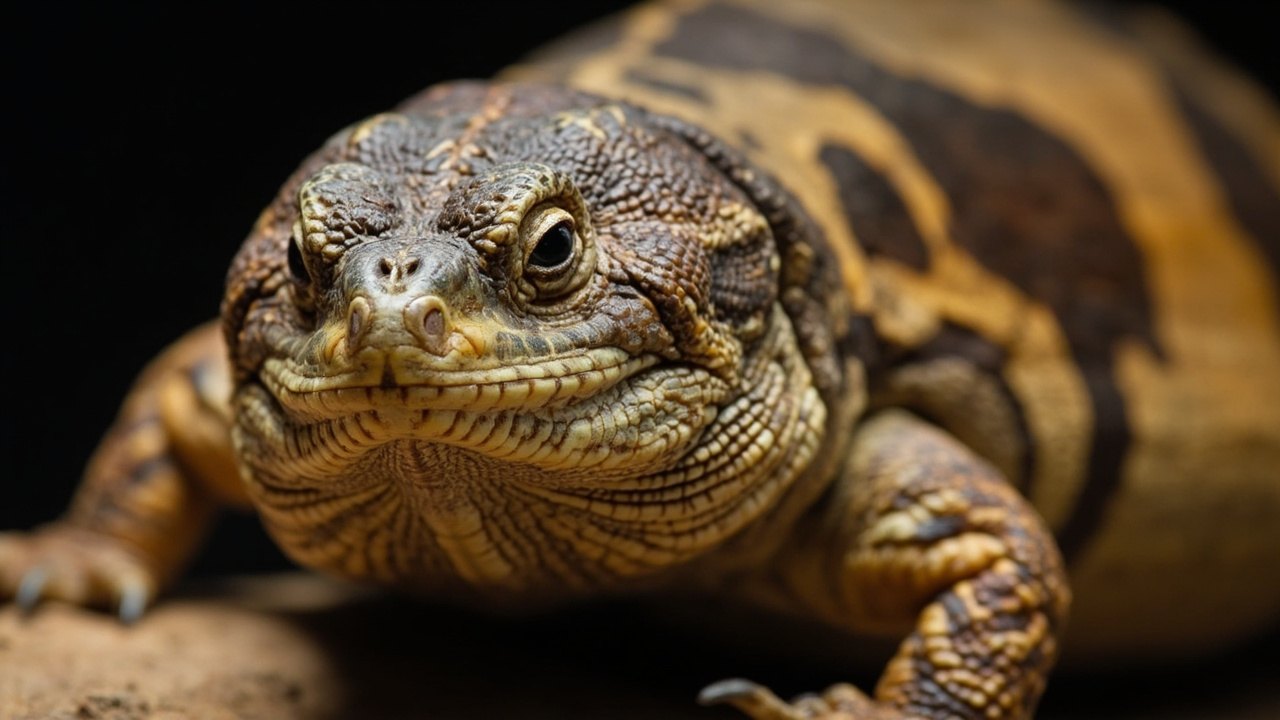
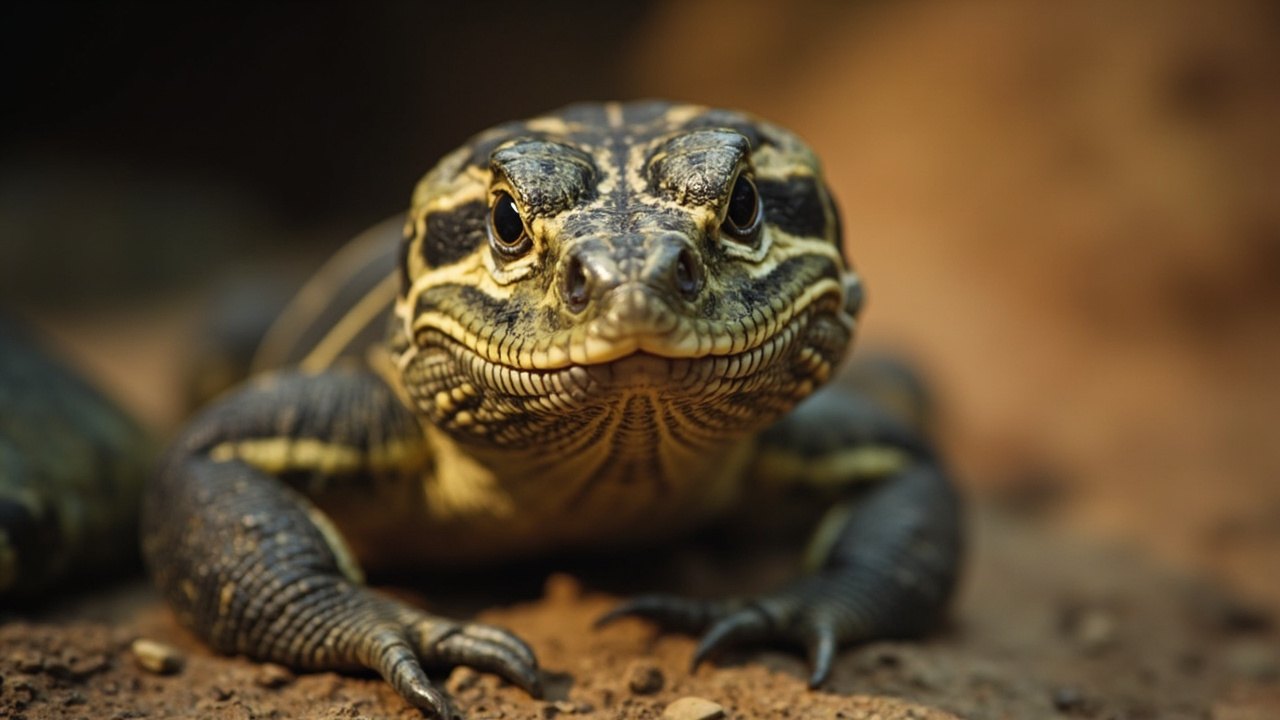
A few metres can separate an exposed rock from deep shade or a burrow. Those microhabitats allow a reptile to warm, cool or avoid dangerous conditions without leaving its home area. The preferred range and tolerance limits are species-specific and can change with season, reproductive state and acclimation. A temperature suitable for one lizard can be stressful or unsafe for another.
Habitat Structure Supports Survival
Rising temperatures and the loss of shade, burrows or vegetation can restrict when reptiles feed, reproduce and move. Protecting thermal refuges is therefore a practical conservation action. In captivity, a measured temperature gradient lets an animal choose among conditions instead of being held at one uniform temperature. Settings should be based on reliable care guidance for the exact species, not on a generic reptile range.
Body Temperature Changes With More Than Air Temperature
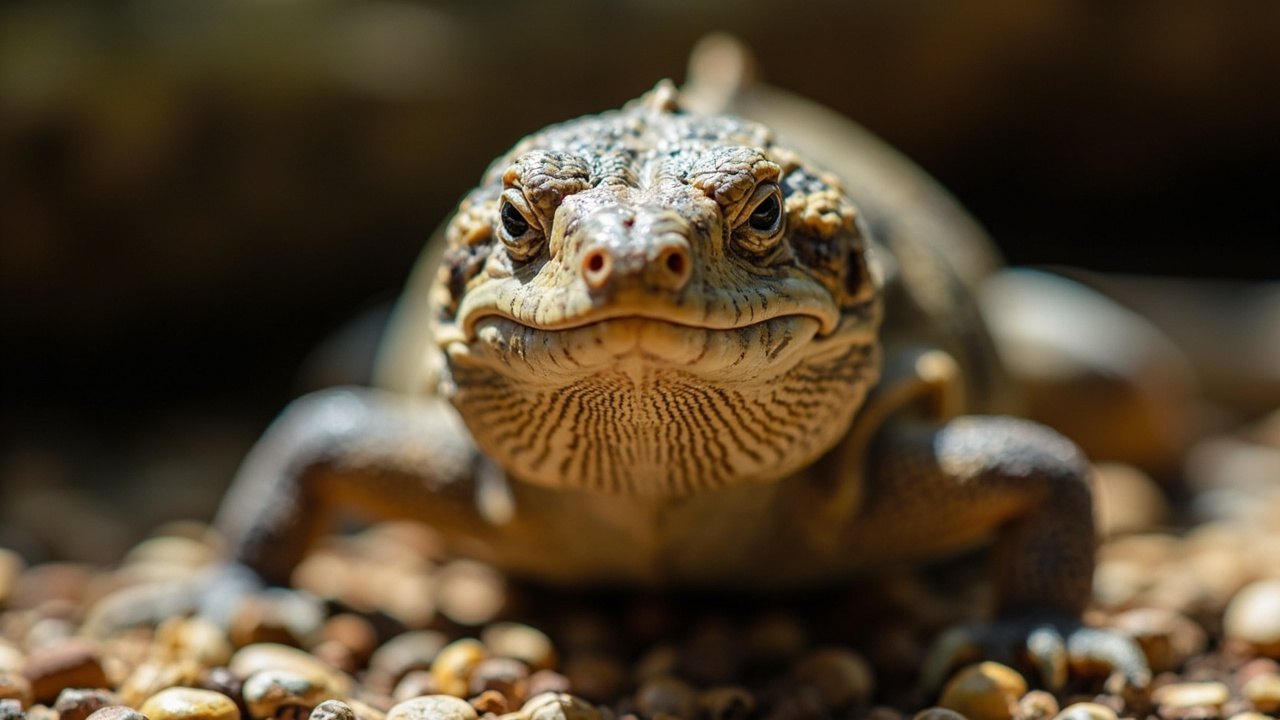
Sun exposure, surface temperature, wind, water, body size and posture can change how quickly a reptile gains or loses heat. Two animals in the same area may make different choices because they differ in size, activity, reproductive state or tolerance. A weather report does not tell the whole story of the thermal conditions available at ground level or inside a burrow.
Behavioural thermoregulation can include basking, moving into shade, changing orientation, using water or sheltering underground. These actions help an animal stay within a workable range while also avoiding predators and finding food. It is not simply a choice between being hot and being cold.
Thermal Refuges Are Conservation Features
Vegetation, rock crevices, burrows and shaded banks can make habitat usable during difficult parts of the day or year. Removing them can reduce feeding, movement and reproduction even if a site still has the same average temperature. Good habitat assessment looks for the variety and arrangement of available microhabitats.
Captive Gradients Need Measurement
An enclosure should provide appropriate thermal choices for the exact species, with temperatures checked where the animal can actually rest and bask. A single thermostat setting is not proof of a usable gradient. Persistent changes in activity, appetite or posture should be considered with veterinary advice.
Sources and review notes
Reviewed 23 August 2026. Reptile biology is wonderfully variable. We have avoided turning one species, photograph or dramatic observation into a rule for an entire group, and we have used cautious wording where evidence or local conditions differ.
Reference starting points: The Reptile Database, The IUCN Red List of Threatened Species, and PubMed-indexed research. Conservation status, taxonomy and local laws can change, so check the linked databases and the relevant local authority for current information.
Spotted something we should revisit? Send Reptile Explorer a correction—thoughtful reader feedback is always welcome.