Relatives of Dinosaurs, Not Their Descendants
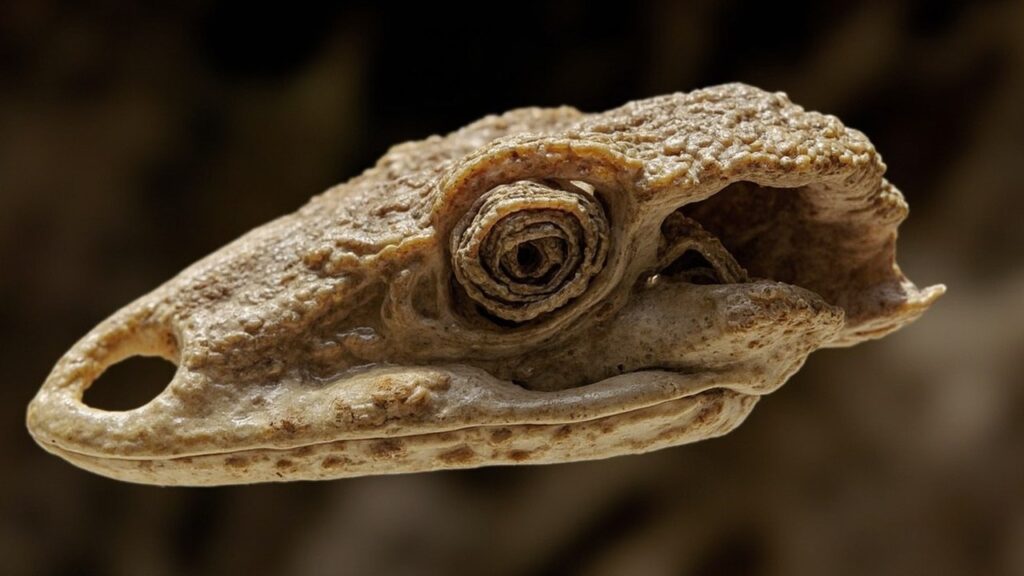
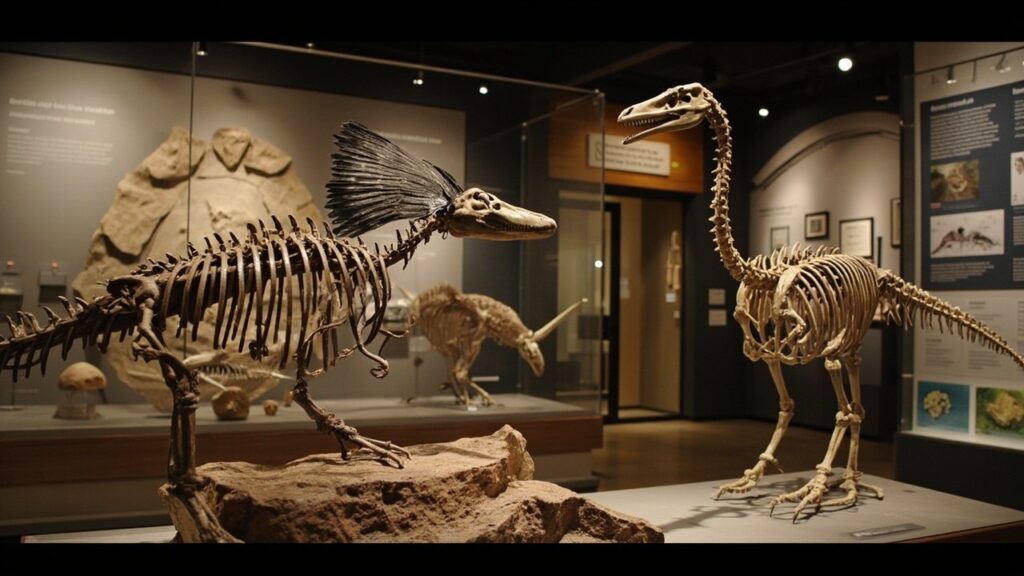
Crocodilians did not evolve from dinosaurs. Crocodilians and dinosaurs belong to separate branches of Archosauria, the larger group that also includes birds. Birds and living crocodilians are the only surviving archosaur lineages.

A Long and Diverse History
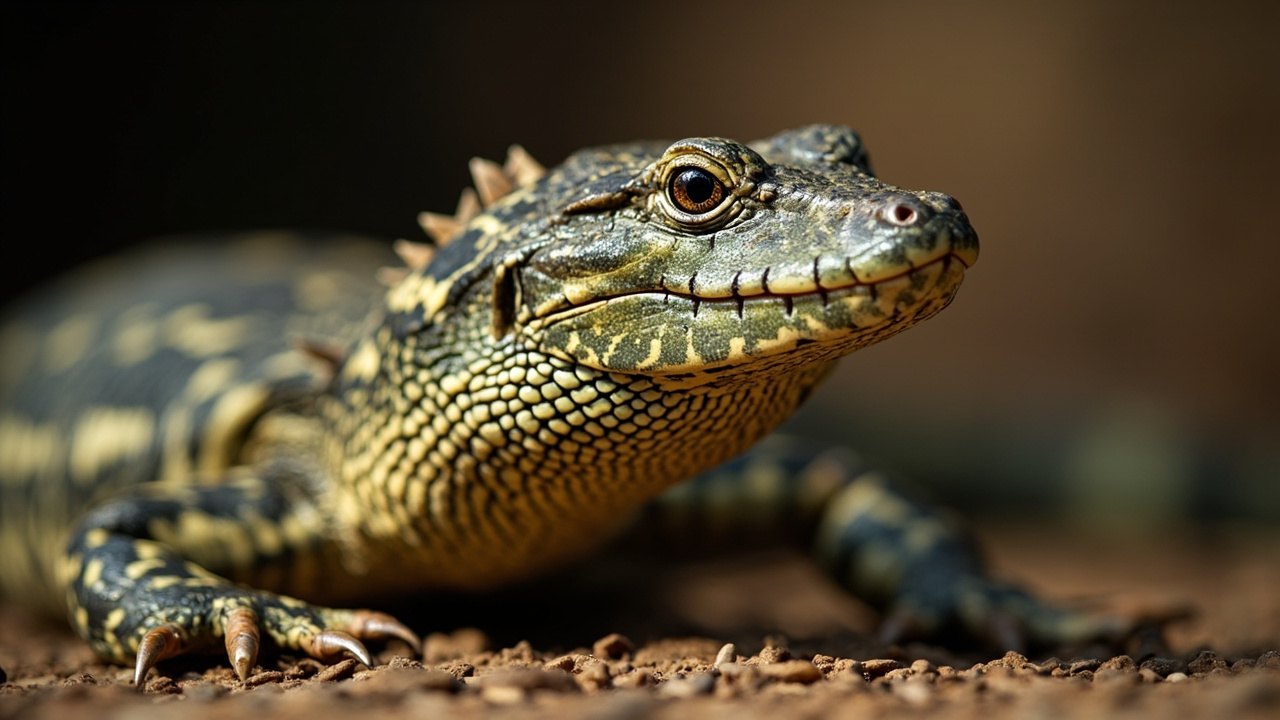
Crocodylomorph ancestors extend far back into the Mesozoic, but the modern crocodilian crown group is much younger than the earliest crocodile-line reptiles. Fossils show far more variety in body shape, diet, and habitat than the living alligators, crocodiles, caimans, and gharials alone suggest.
Resilience Has Limits
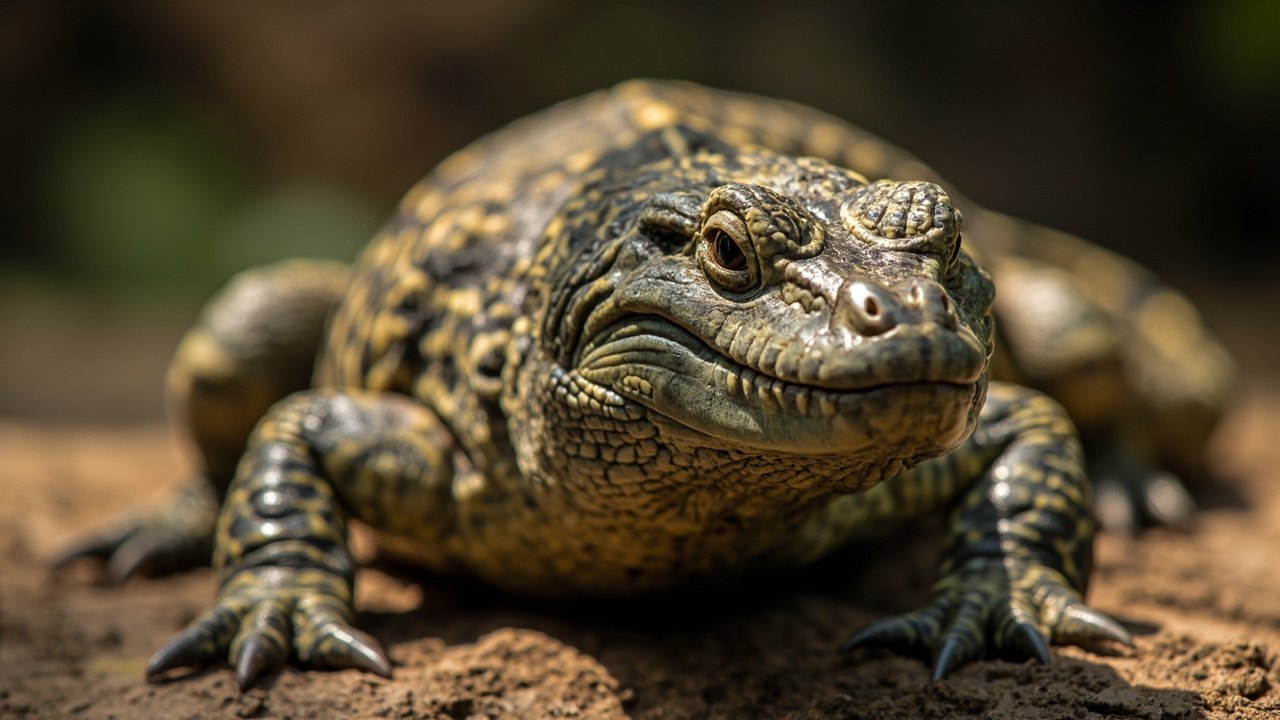
Behavioural thermoregulation, aquatic habits, parental care, and flexible diets can help some species cope with change, but they do not guarantee survival. Modern crocodilian conservation depends on the needs of each species, including habitat quality, water flow, nesting sites, human conflict, and illegal killing.
What Fossils Add to the Living Picture
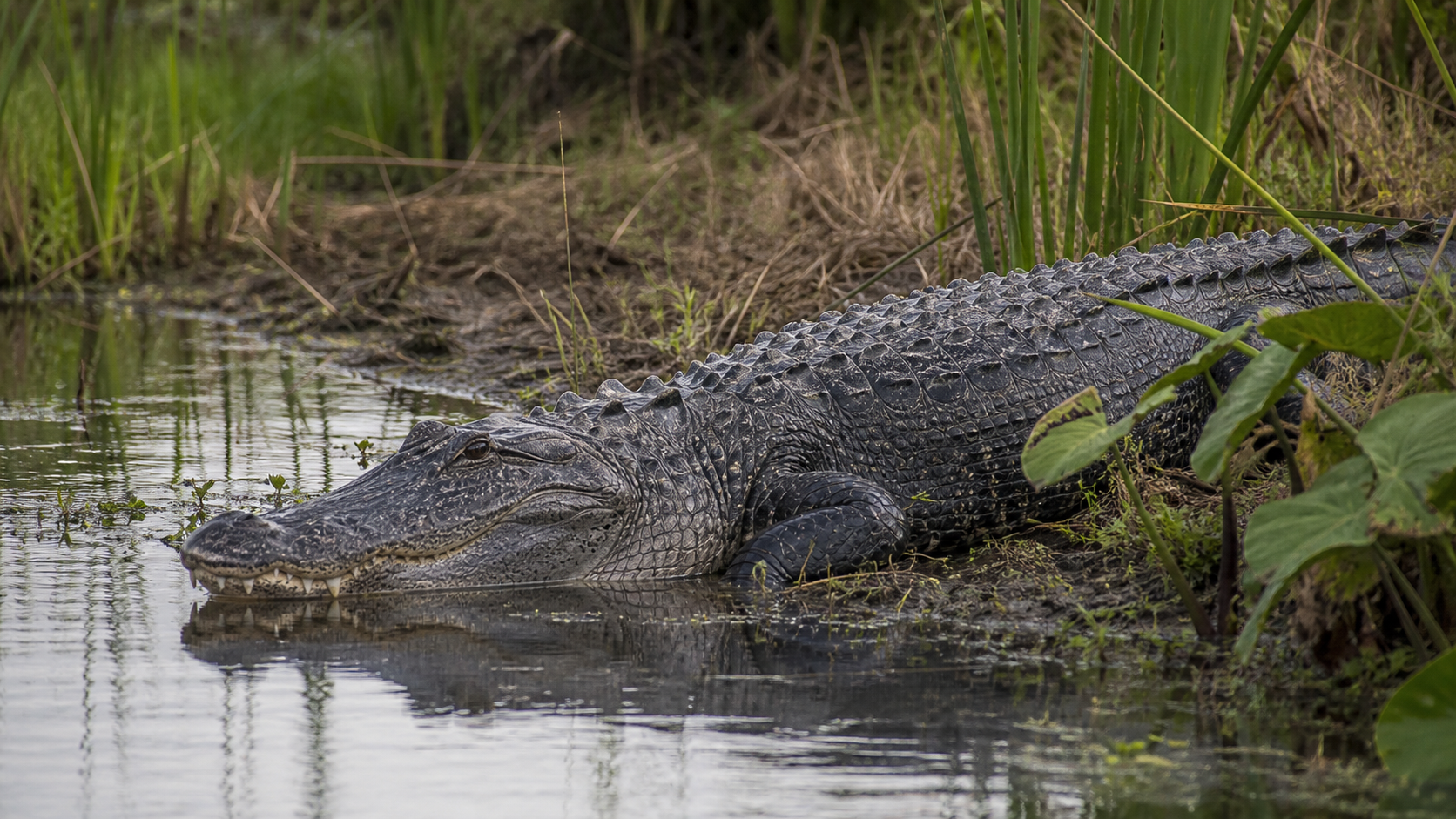
Living alligators, crocodiles, caimans, and gharials represent only a small part of the history of Crocodylomorpha. Fossil relatives occupied a wider range of settings and included forms with different skulls, limbs, body sizes, and feeding styles. That diversity is a reminder that the familiar semi-aquatic body plan of living crocodilians is not the only form their broader lineage has taken.
Fossils must be placed carefully on an evolutionary tree. A fossil that looks crocodile-like is not necessarily part of the modern crocodilian crown group, and a feature shared by two fossils may have evolved independently. Researchers compare many anatomical characters and use geological context to test relationships, rather than relying on one dramatic trait.
Survival Is Not a Guarantee
The long history of crocodile-line reptiles is sometimes reduced to a claim that they “outlived everything.” That is misleading. Many lineages disappeared, and the species alive today face conditions very different from past mass extinctions. Persistence through deep time does not protect a modern population from drainage, dams, nest loss, direct killing, pollution, or repeated conflict with people.
Evolutionary History Informs Conservation
Evolutionary relationships can help identify distinct lineages and guide the protection of genetic diversity, but they do not replace field-based conservation. A viable population still needs appropriate water, nesting habitat, prey, safe movement routes, and a workable relationship with nearby communities. The most accurate lesson from crocodilian evolution is not that the group is invulnerable, but that its living diversity is the remaining result of a much larger and more varied history.
Sources and review notes
Reviewed 23 August 2026. Fossils, anatomy and family trees become more interesting—not less—when uncertainty is made visible. We have separated well-supported observations from interpretations that may change as new specimens and studies appear.
Reference starting points: The Reptile Database, PubMed-indexed research, and Smithsonian natural-history resources. Conservation status, taxonomy and local laws can change, so check the linked databases and the relevant local authority for current information.
Spotted something we should revisit? Send Reptile Explorer a correction—thoughtful reader feedback is always welcome.