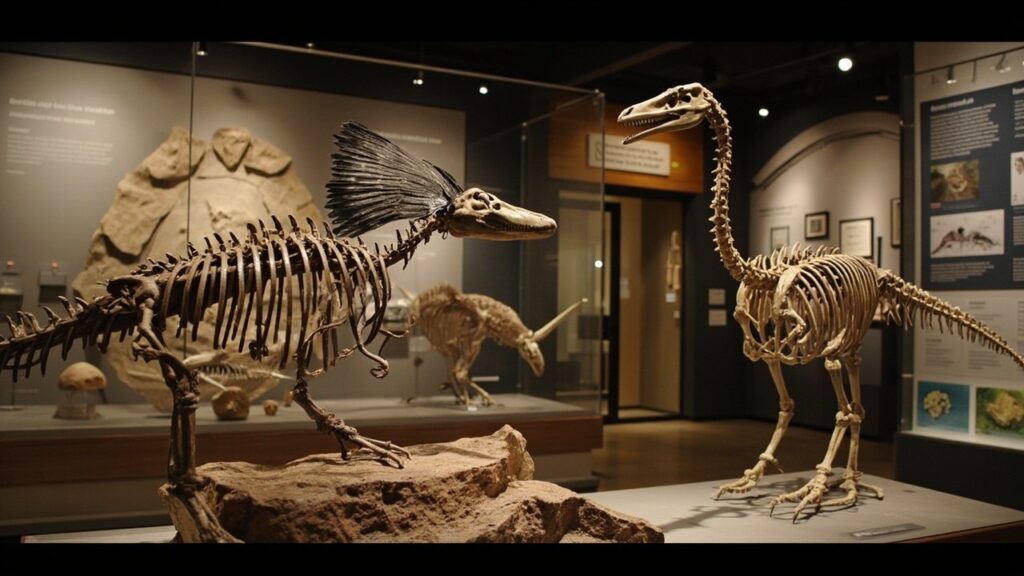
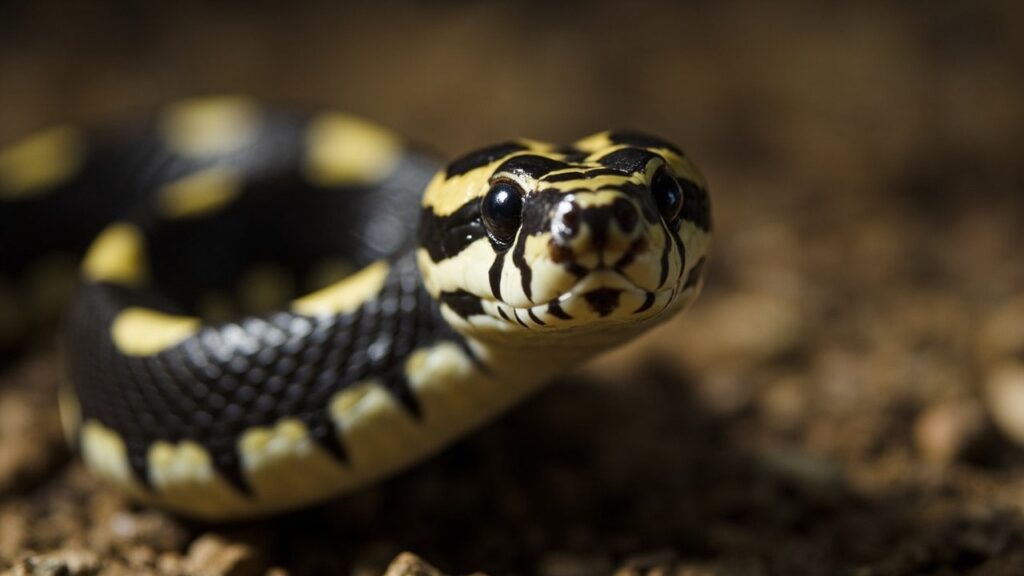
Life on land changed with the amniotes
The ancestors of reptiles and mammals belonged to the amniotes, vertebrates whose embryos develop with protective membranes. This reproductive system made full dependence on open water for breeding unnecessary and helped vertebrates spread across land. Reptiles did not appear as one finished group. Their history is a long pattern of branching lineages, extinctions, and new adaptations.

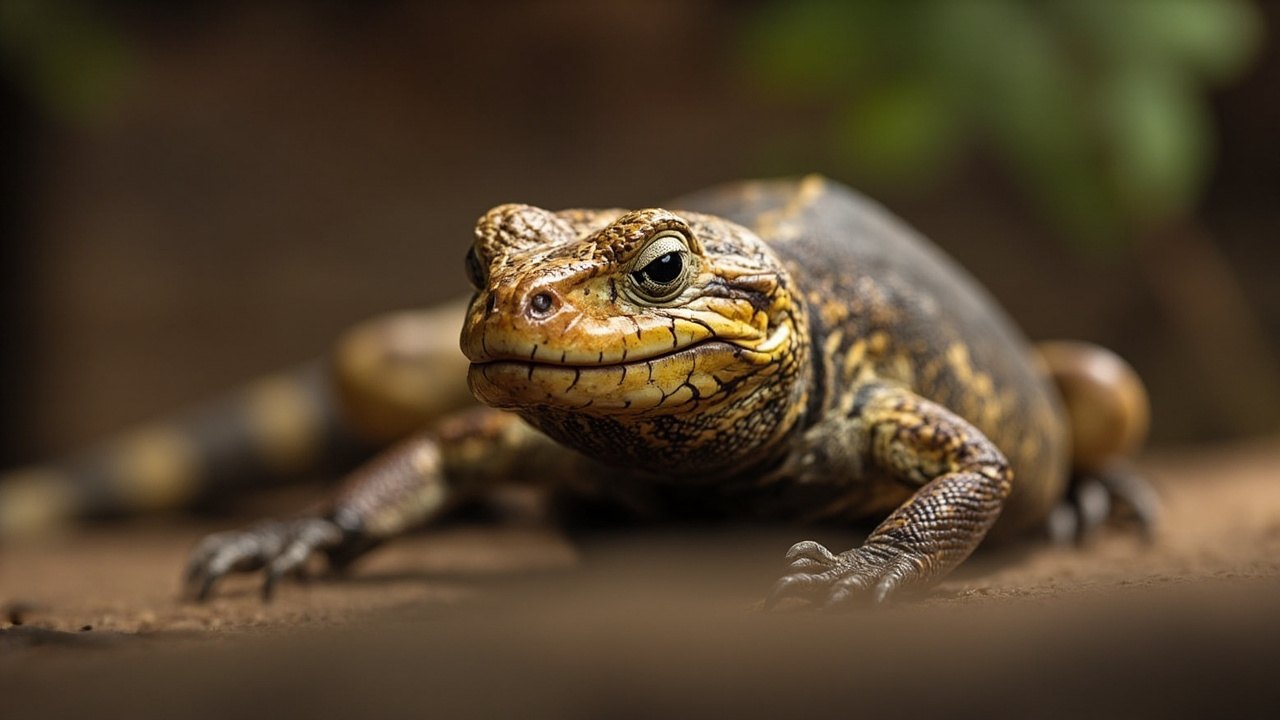
Living reptiles represent several lineages
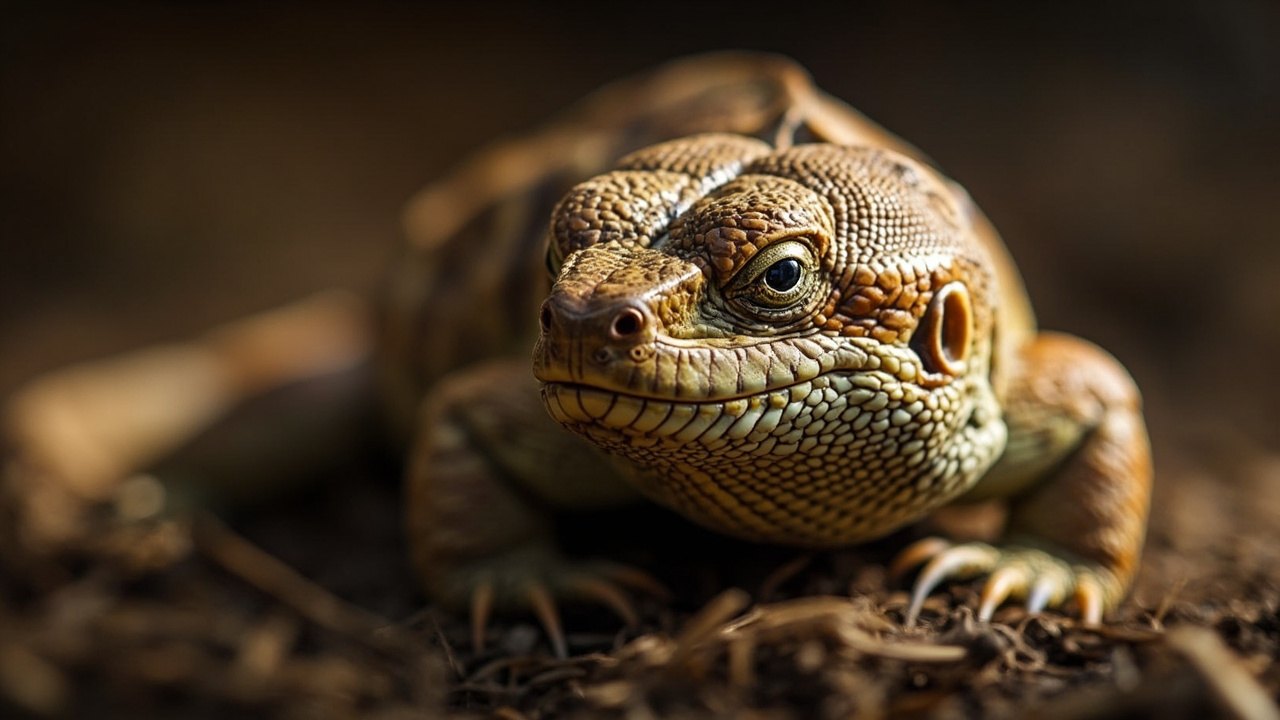
Turtles, crocodilians, tuatara, lizards, and snakes are the familiar living non-avian reptiles. In evolutionary terms, birds are also part of the reptile lineage because they are living dinosaurs. Each branch has its own anatomy and history: turtles have a shell integrated with the skeleton, snakes evolved limbless body plans, and crocodilians retain a close living relationship with birds.
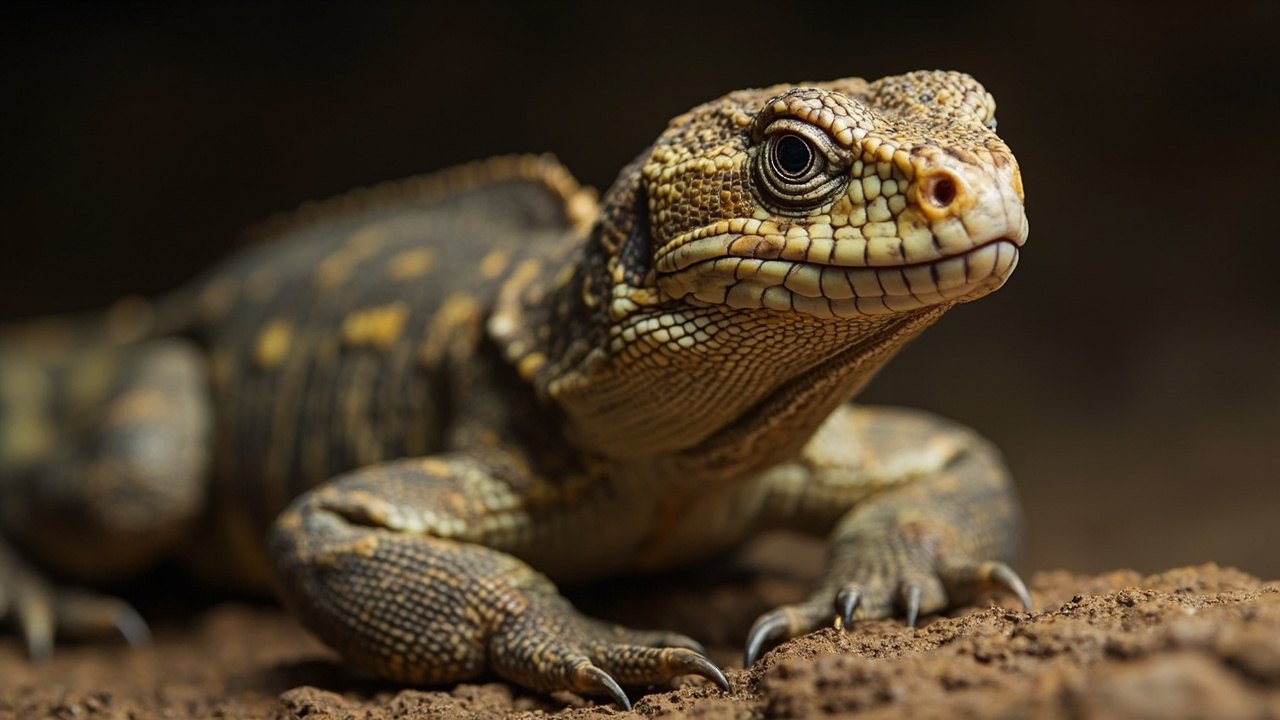
Fossils and genes work together
Fossils preserve evidence of extinct forms and show when features appeared in the past. Comparative anatomy and genetic data help scientists test how living groups are related. New discoveries can refine a family tree, so science does not depend on a single fossil or a fixed textbook diagram. The strength of the picture comes from evidence that can be compared and re-examined.
A Family Tree Represents Testable Relationships
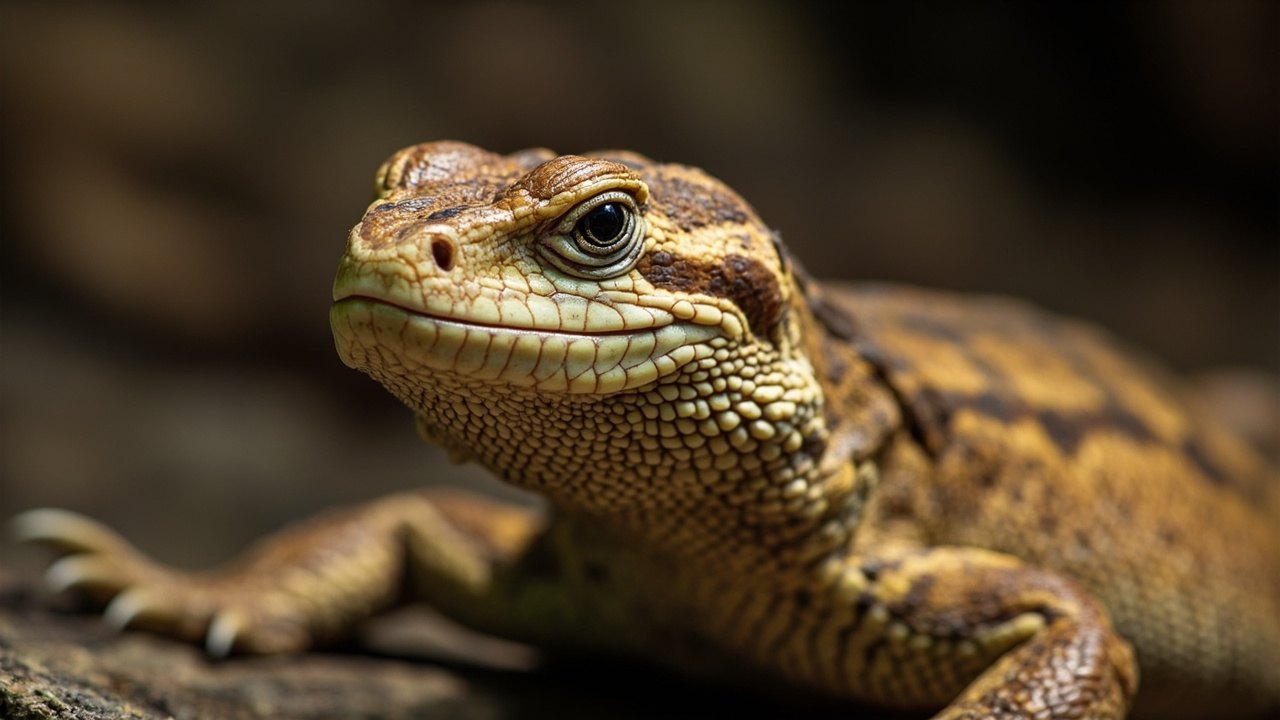
An evolutionary tree is a hypothesis about shared ancestry based on evidence. Fossils can show anatomical features from extinct lineages, while genetic data can compare living species. Neither source is a magic answer on its own. Researchers test how the evidence fits together and revise a relationship when stronger data or a better analysis changes the result.
Terms such as reptile, dinosaur and bird can be confusing because common usage and evolutionary classification do not always match. Birds are living dinosaurs and sit within the broader reptile lineage. Non-avian reptiles remain a useful everyday description, but they do not represent one separate branch that excludes birds from their ancestry.
Change Does Not Follow a Ladder
Living reptiles are not earlier versions of mammals or birds. Each lineage has been evolving for the same amount of time since its shared ancestors. Shells, limbs, skulls and body shapes reflect different histories and environments, not a simple progression from basic to advanced.
Deep History Can Guide Present Questions
Evolutionary history helps explain why a species has particular structures or environmental needs, but it does not identify current conservation status by itself. Field surveys, habitat information and population evidence are still needed to protect living reptiles.
Sources and review notes
Reviewed 23 August 2026. Fossils, anatomy and family trees become more interesting—not less—when uncertainty is made visible. We have separated well-supported observations from interpretations that may change as new specimens and studies appear.
Reference starting points: The Reptile Database, PubMed-indexed research, and Smithsonian natural-history resources. Conservation status, taxonomy and local laws can change, so check the linked databases and the relevant local authority for current information.
Spotted something we should revisit? Send Reptile Explorer a correction—thoughtful reader feedback is always welcome.