Birds Are Living Dinosaurs
Modern birds are a surviving lineage of theropod dinosaurs. They did not arise from one named dinosaur suddenly turning into a bird; instead, bird features evolved over many branches of a long family tree. Fossils and evolutionary analyses show that birds share deep ancestry with small, mostly bipedal theropods.
Evidence in Fossils
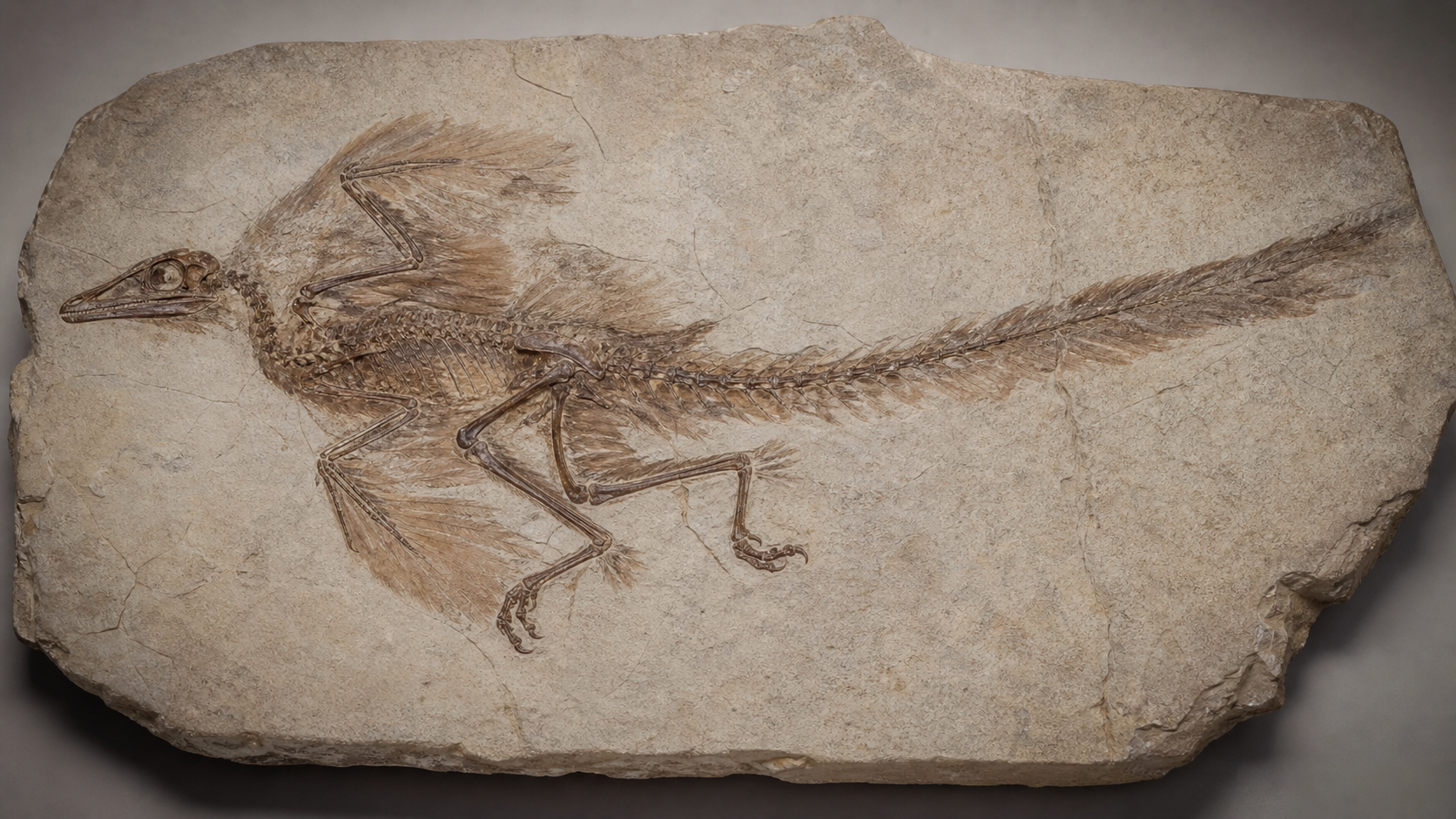
Fossils reveal combinations of features that once seemed uniquely bird-like, including feathers, wishbones, lightweight bones and specialised wrists. Archaeopteryx remains important because it shows a mosaic of traits: feathers and flight-related features alongside teeth, clawed fingers and a long bony tail. Many feathered dinosaurs could not fly.
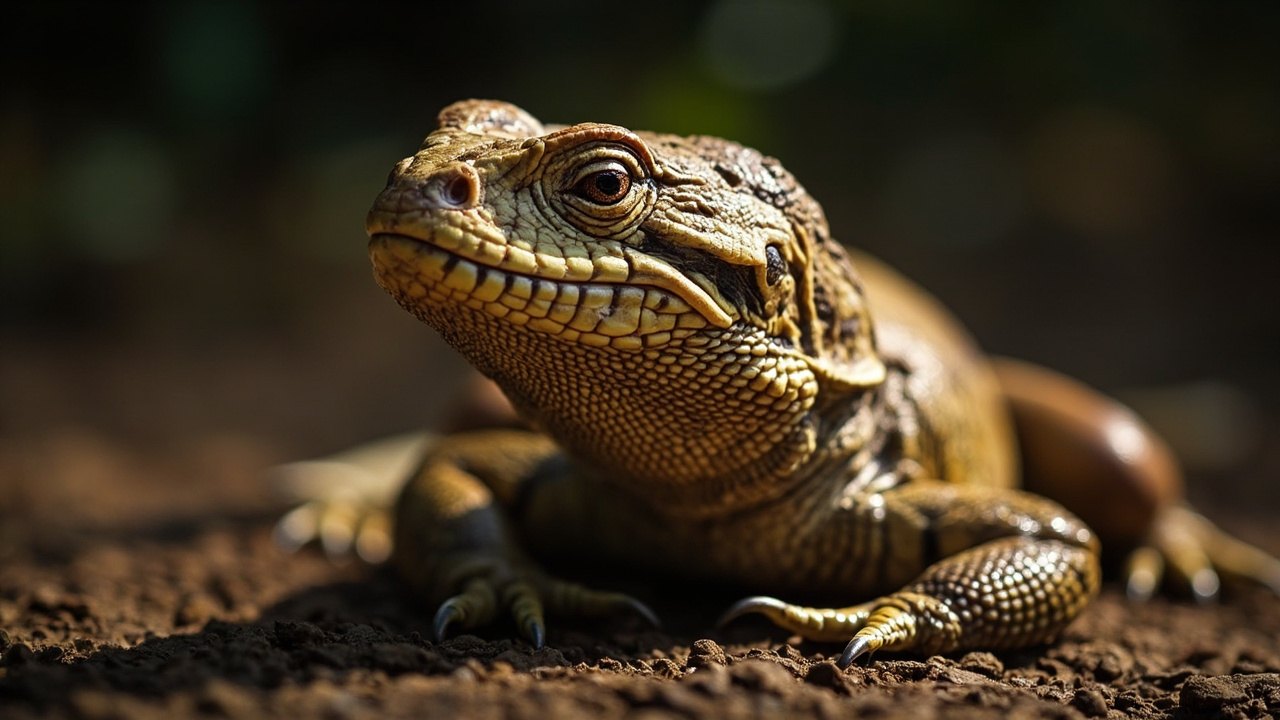
Flight Was an Evolutionary Process
Feathers evolved before powered flight and likely served several roles, including insulation, display and gliding. Over time, changes in forelimbs, shoulders, tails and body size helped some theropod lineages become increasingly capable fliers. After the end-Cretaceous extinction, avian dinosaurs survived while non-avian dinosaur lineages disappeared.
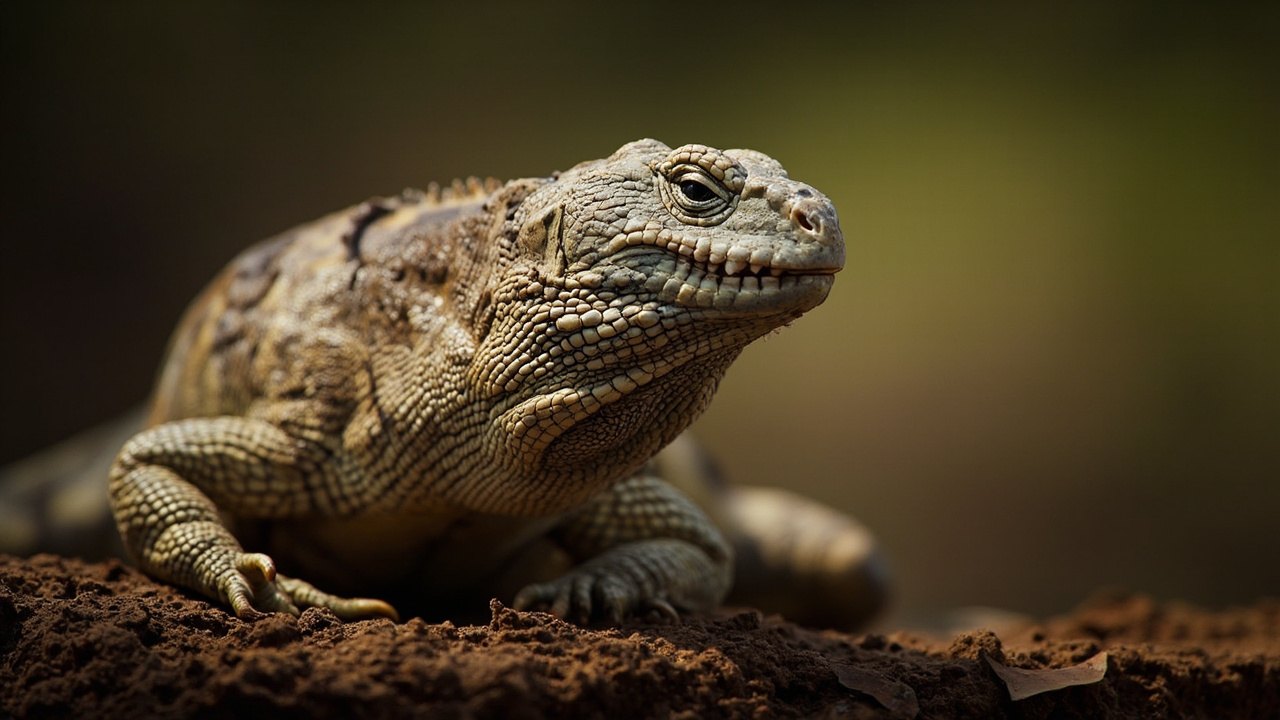
Evolution is a branching history
When scientists say that birds evolved from theropod dinosaurs, they mean that birds are nested within a branching dinosaur family tree. Modern birds are not descended from Tyrannosaurus rex or from a single famous fossil species. Instead, birds and those other theropods share earlier ancestors, while the bird lineage retained and developed its own combination of traits over many generations.
Researchers compare many fossils and living animals to test relationships. Shared features can include parts of the shoulder, wrist, pelvis, legs, feathers, and eggs, but no one feature is enough by itself. Fossils are incomplete and new discoveries can refine dates or family relationships. That is a normal part of science, not a reason to discard the wider evidence that birds are living dinosaurs.
Feathers came before modern flight
Feathers served several roles before the earliest birds had the sustained, powered flight of many modern species. Insulation, display, brooding, balance, and controlled descent are all plausible functions in different lineages and contexts. Flight evolved through changes to the forelimb, shoulder, tail, body size, and feather arrangement, rather than through one sudden transformation. Crocodilians are birds’ closest living relatives within Archosauria, while birds remain a distinct living branch with their own anatomy and ecology.
Sources and review notes
Reviewed 23 August 2026. Fossils, anatomy and family trees become more interesting—not less—when uncertainty is made visible. We have separated well-supported observations from interpretations that may change as new specimens and studies appear.
Reference starting points: The Reptile Database, PubMed-indexed research, and Smithsonian natural-history resources. Conservation status, taxonomy and local laws can change, so check the linked databases and the relevant local authority for current information.
Spotted something we should revisit? Send Reptile Explorer a correction—thoughtful reader feedback is always welcome.