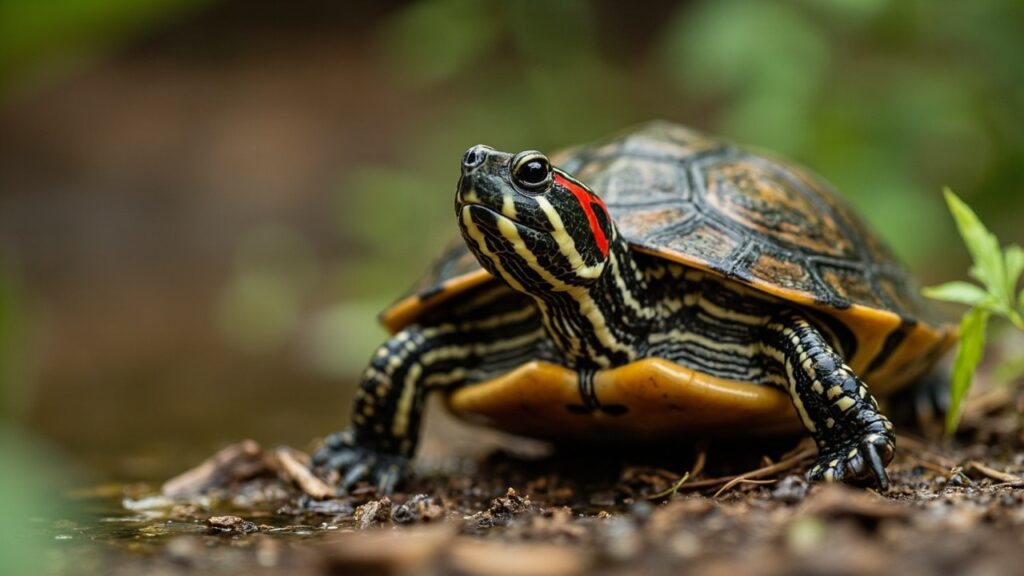
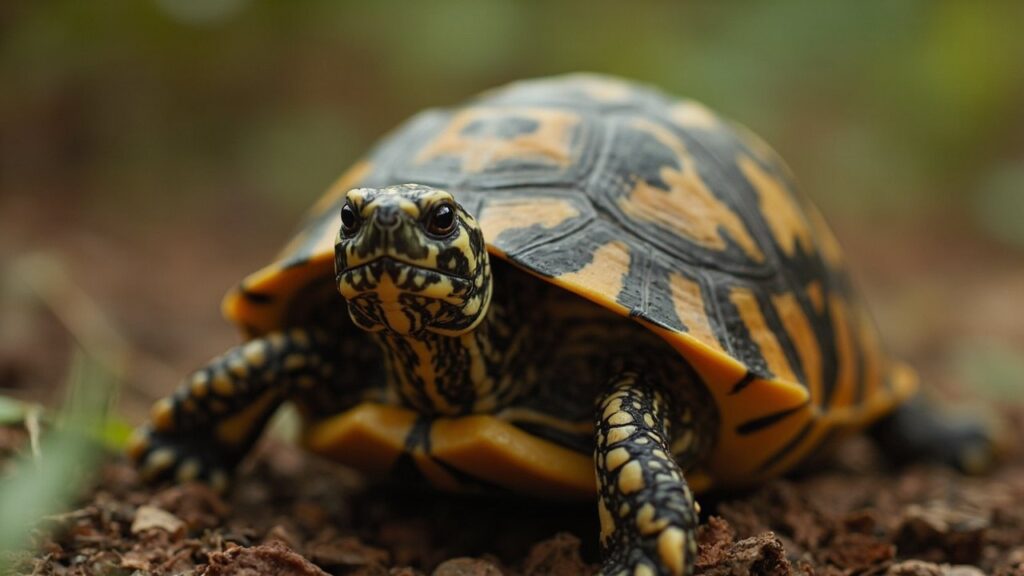
One Genus, Many Species
Map turtles belong to the genus Graptemys, a group of freshwater turtles found in eastern and central North America. Individual species use different river systems, lakes, and tributaries, so a general description should not be treated as a complete account of every map turtle.

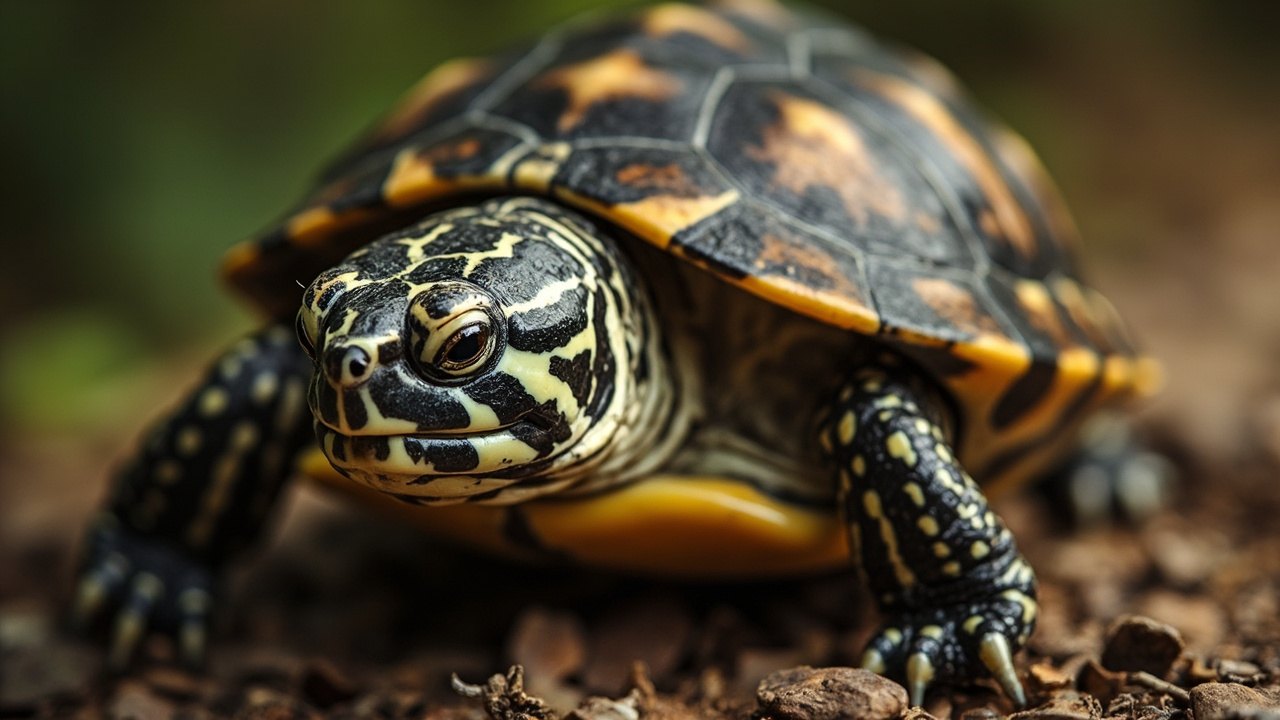
Patterns, Size, and Food Vary
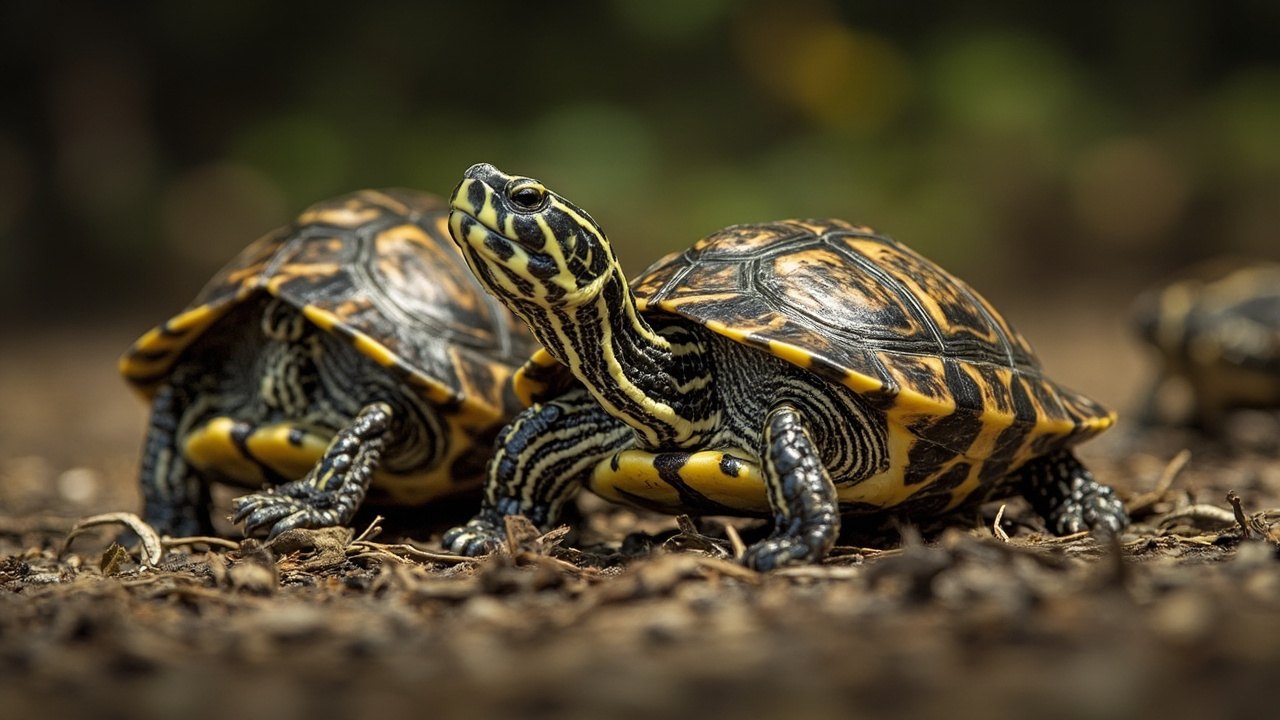
Map-like lines and blotches on the shell and skin help give the group its name. In several species, females grow larger and have broader heads than males, allowing them to use different prey. Diet, body size, and habitat preference should be described at species level.
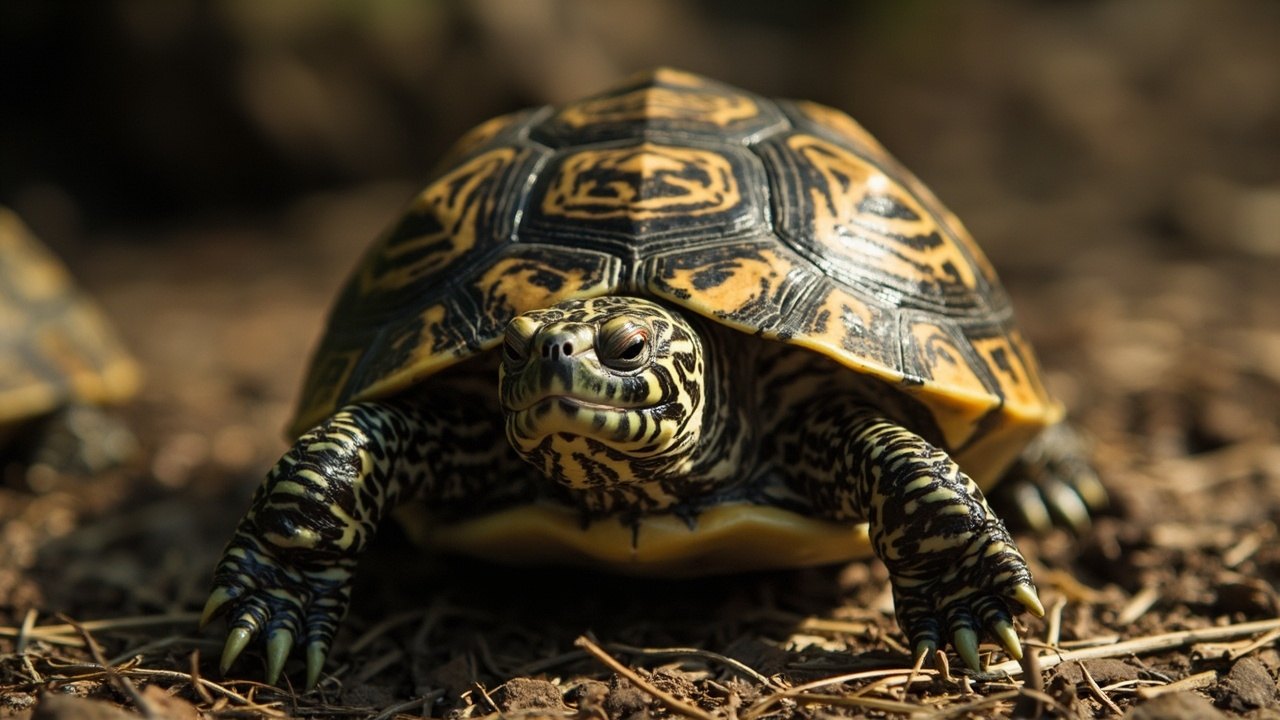
Healthy Rivers Are Essential
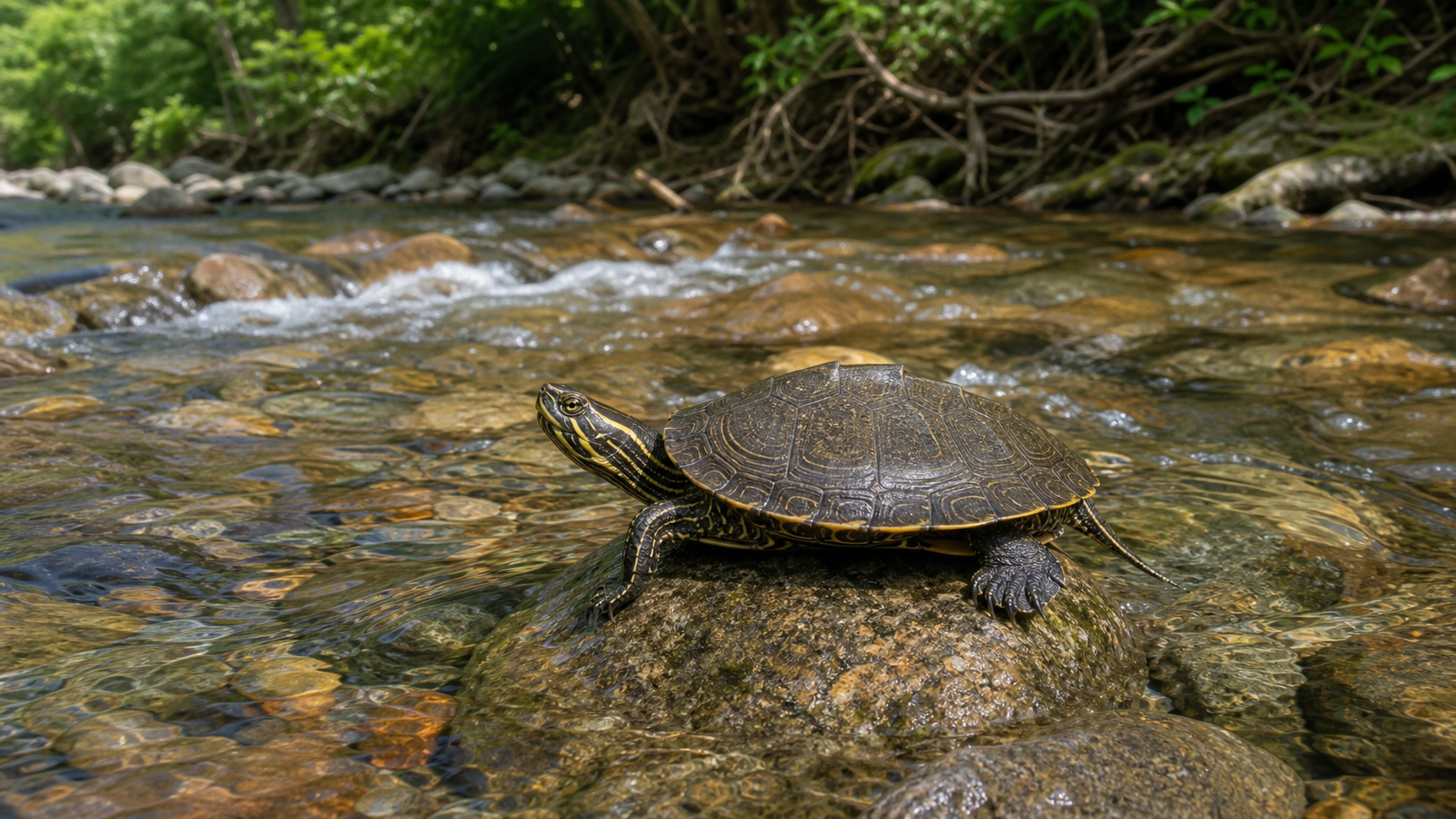
Clean water, natural shorelines, basking structures, and connected river habitat support map turtles. Pollution, shoreline development, altered flow, and collection pressure can affect some species severely. Conservation status and wildlife laws should always be checked for the exact species involved.
River structure affects map turtle life
Map turtles use more than open water. A river with submerged logs, rock, natural banks, side channels, and sunlit basking sites provides several resources at once. Flow, depth, current, and prey availability can vary over short distances, so one reach may suit a species better than the next. Some Graptemys species have narrow distributions tied to particular drainages, which makes accurate location information especially valuable.
In many map turtle species, larger females can take harder or larger prey than males because their heads and jaws are broader. That difference does not mean that every individual eats the same food, or that one observation identifies a species. Shell pattern, head markings, body size, range, and habitat should be considered together. A photograph taken from a distance can be preferable to handling because capture disrupts basking and may spread pathogens between waterways.
Protect the river and its banks
Healthy river habitat includes water quality, natural flow, shoreline vegetation, and access to suitable nesting ground. Removing logs or replacing natural banks with uniform hard edges can reduce basking and refuge opportunities. Turtles are also vulnerable when roads divide nesting areas from the water. If a turtle is found crossing a road, local wildlife guidance is the safest source for help; moving it far from the direction it was travelling can create another problem. Conservation plans should name the exact Graptemys species and river system rather than treating every patterned turtle as interchangeable.
Sources and review notes
Reviewed 23 August 2026. Reptile biology is wonderfully variable. We have avoided turning one species, photograph or dramatic observation into a rule for an entire group, and we have used cautious wording where evidence or local conditions differ.
Reference starting points: The Reptile Database, The IUCN Red List of Threatened Species, and PubMed-indexed research. Conservation status, taxonomy and local laws can change, so check the linked databases and the relevant local authority for current information.
Spotted something we should revisit? Send Reptile Explorer a correction—thoughtful reader feedback is always welcome.