
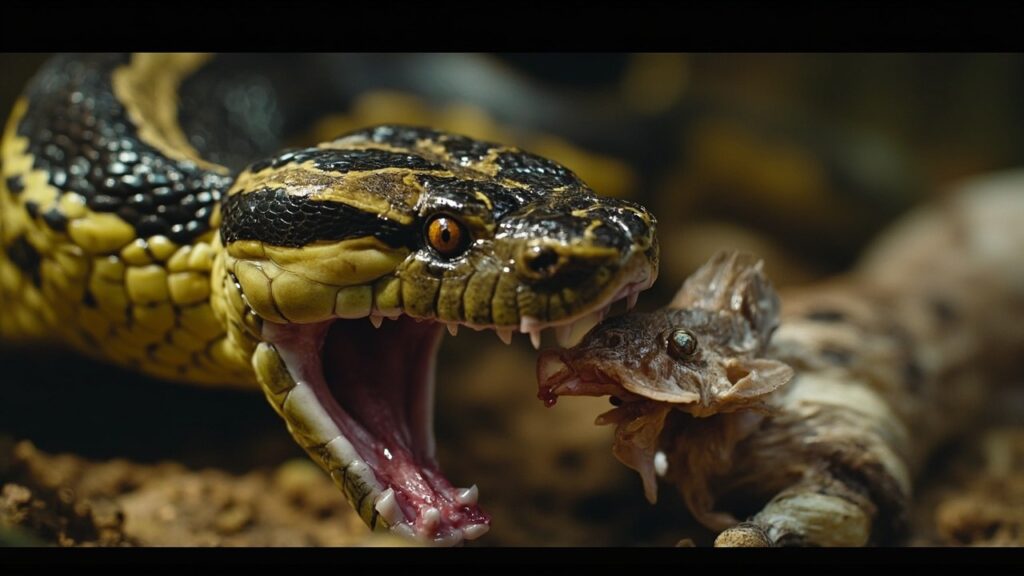
Venomous Reptiles and Evolutionary Arms Races
Venomous reptiles and their prey can exert reciprocal selection on toxins, resistance and behaviour. Evidence varies among species and populations.
Venomous reptiles and their prey can exert reciprocal selection on toxins, resistance and behaviour. Evidence varies among species and populations.
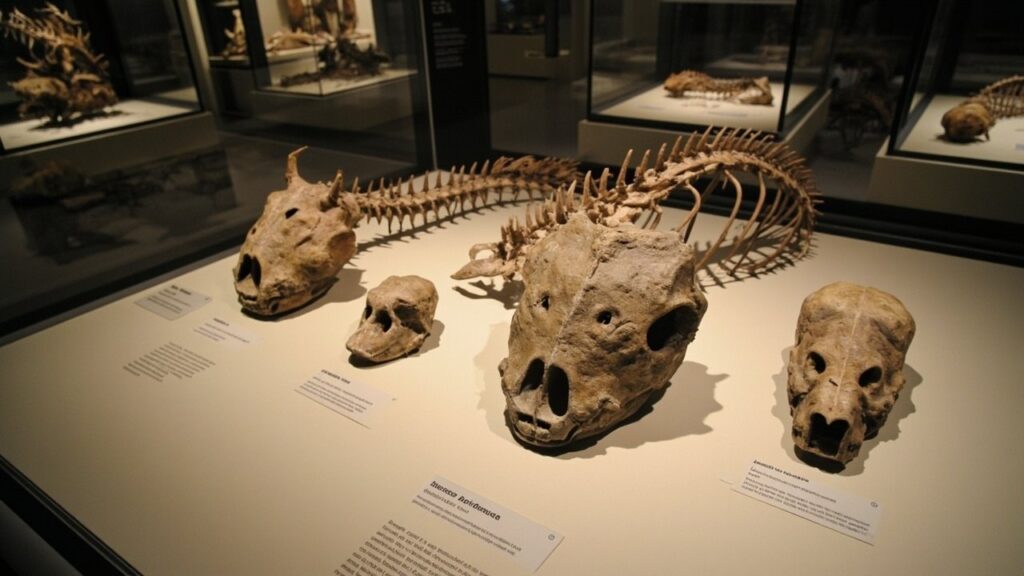
Mammals and reptiles trace back to separate synapsid and sauropsid branches of early amniotes. Fossils show how each lineage changed over time.
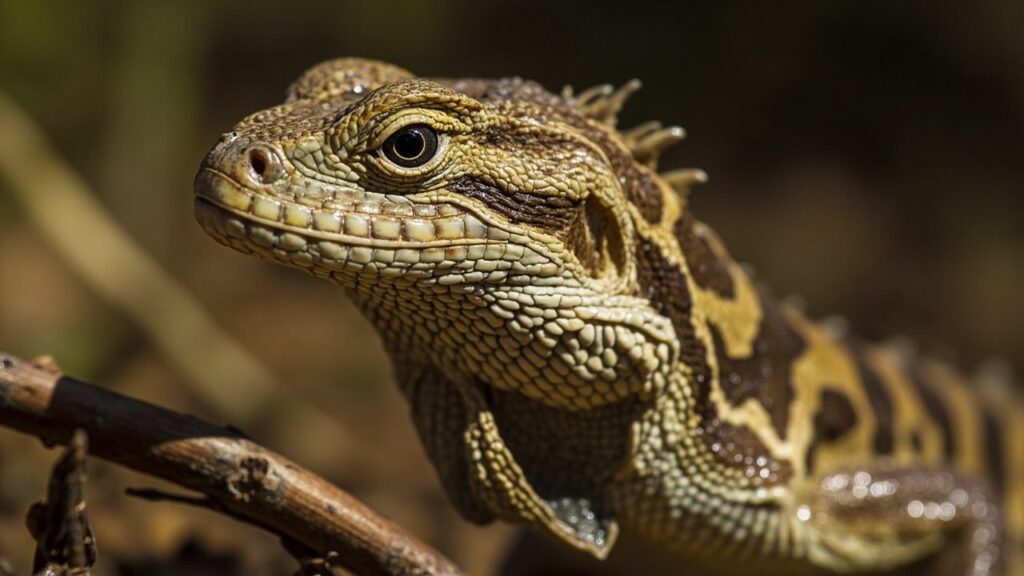
Anolis lizards repeatedly evolved different body forms as populations adapted to varied habitats. These radiations are useful tests of evolutionary theory.
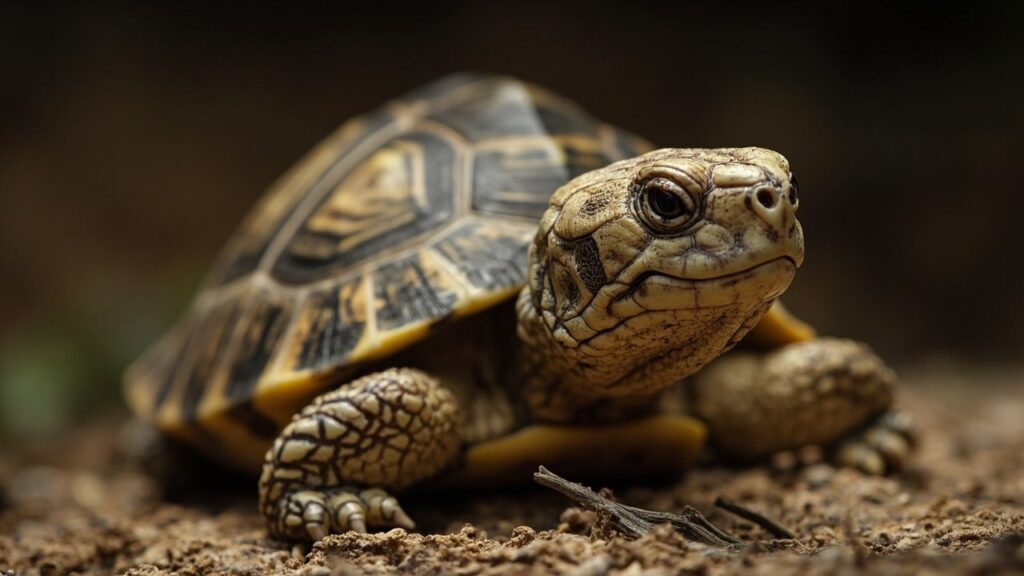
Turtle shells are integrated with the ribs and vertebrae rather than worn as external armour. Fossils and embryology show that this body plan developed through a complex evolutionary sequence.
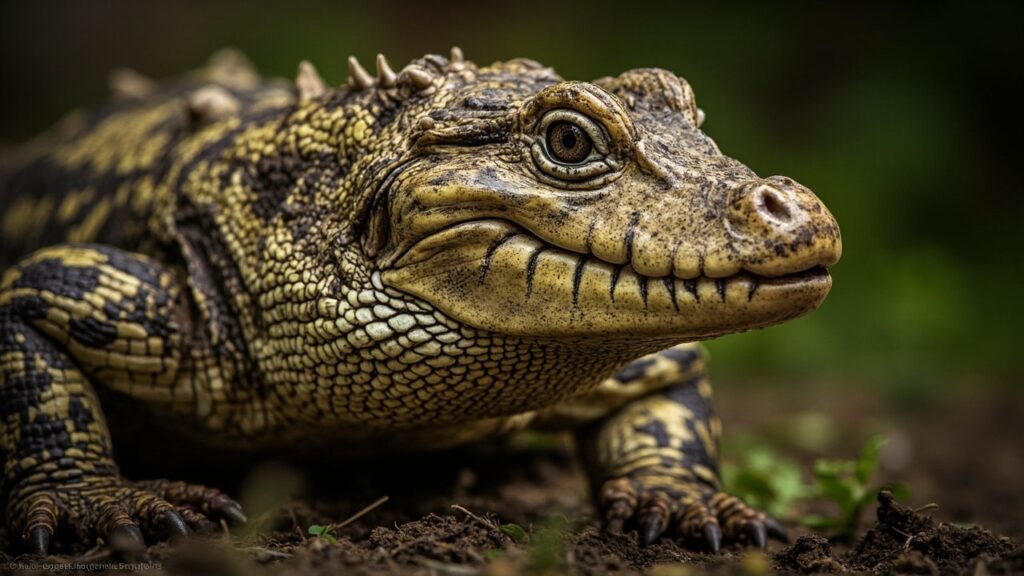
Crocodilian lineages have a long fossil history, but living species remain limited by temperature, habitat, prey and human pressures.
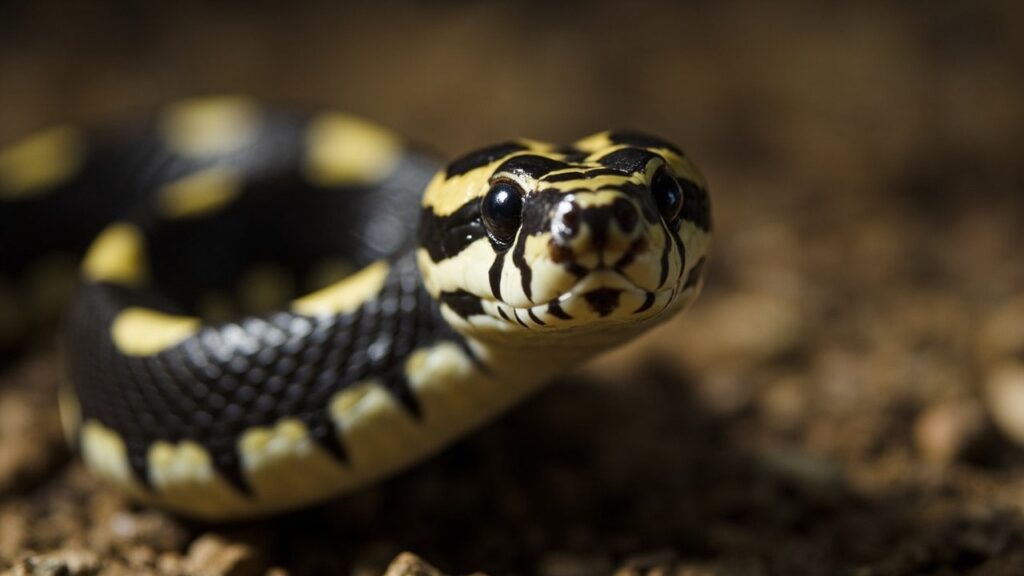
Snakes diversified into aquatic, burrowing, arboreal and terrestrial forms. Their skulls, senses and movement patterns vary with habitat and prey.
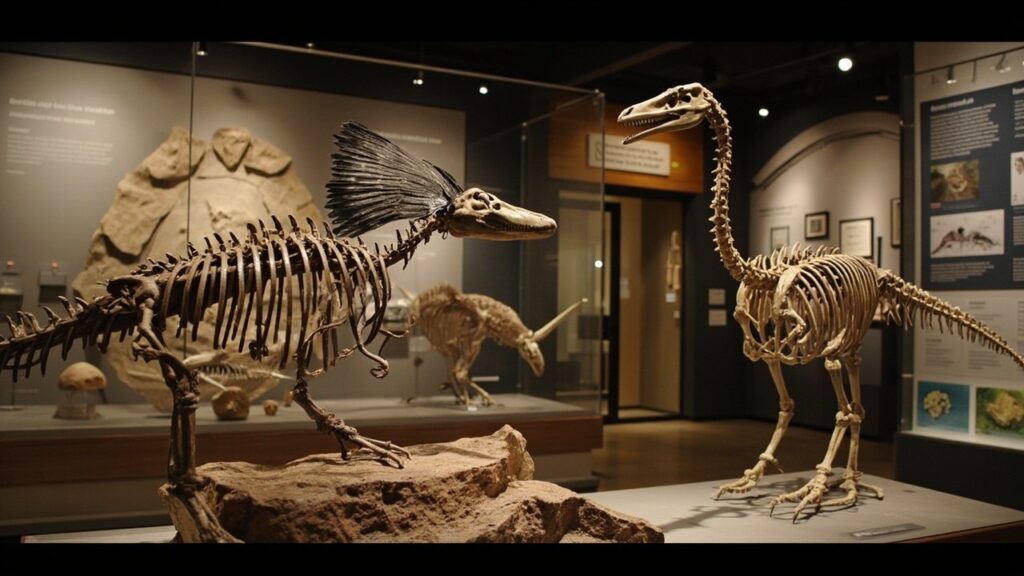
Modern birds are a surviving lineage of theropod dinosaurs. Fossils record the gradual appearance of feathers, specialised wrists, lighter skeletons and other traits linked to flight.
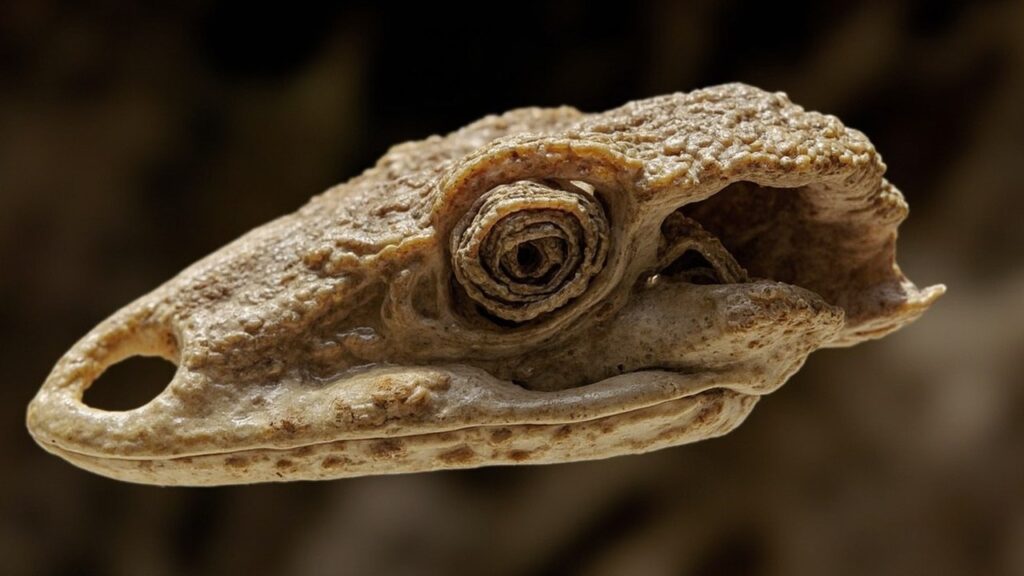
Reptile evolution spans several branches of the amniote family tree. Fossils and genetic evidence help reconstruct the history of living lineages.