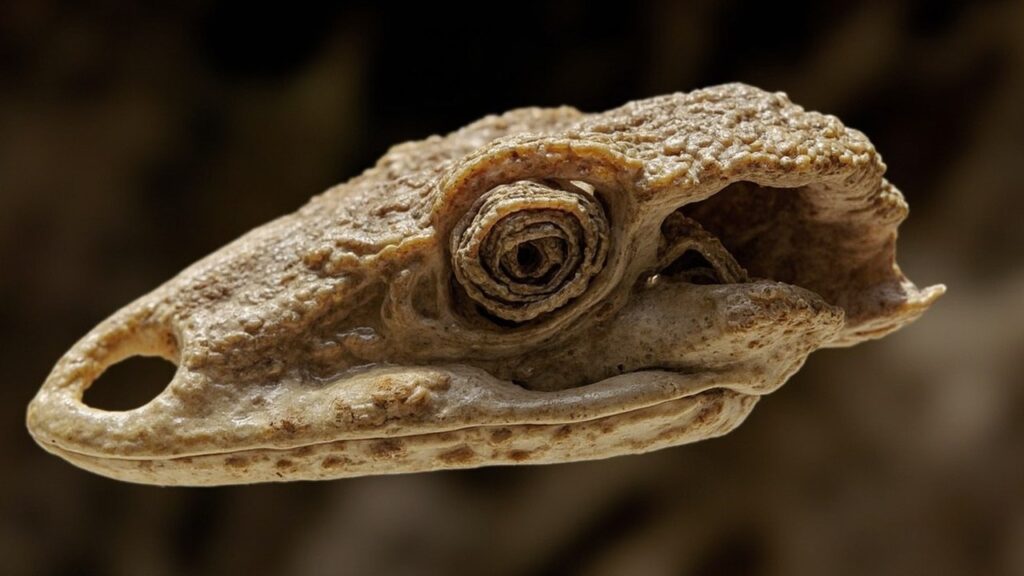
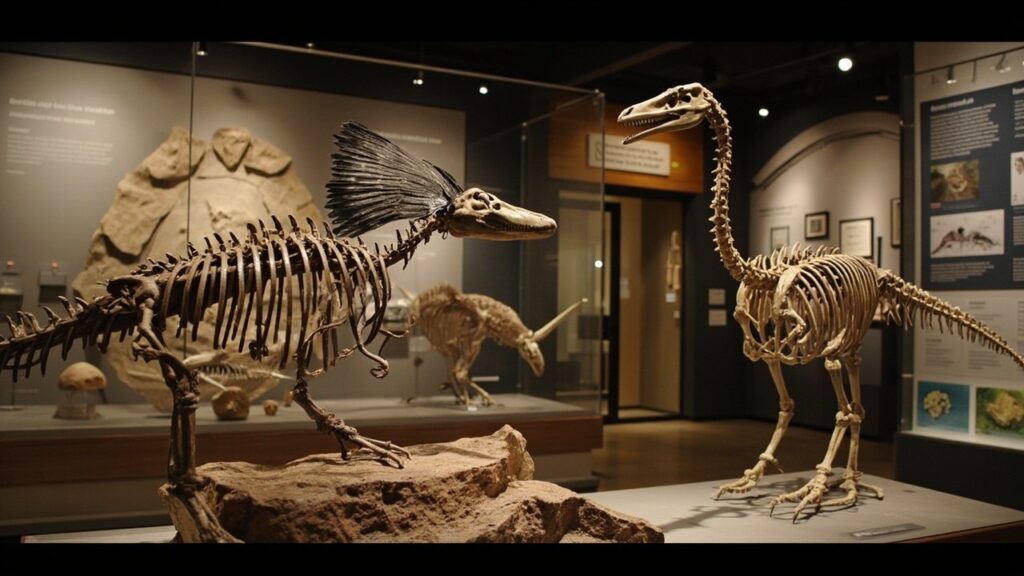
What Adaptive Radiation Means
Adaptive radiation occurs when related lineages diversify into different ecological roles. New opportunities can arise after colonisation, environmental change, or the appearance of unoccupied habitat, but the pace and outcome of diversification depend on the lineage and the setting.
Anoles as a Natural Experiment
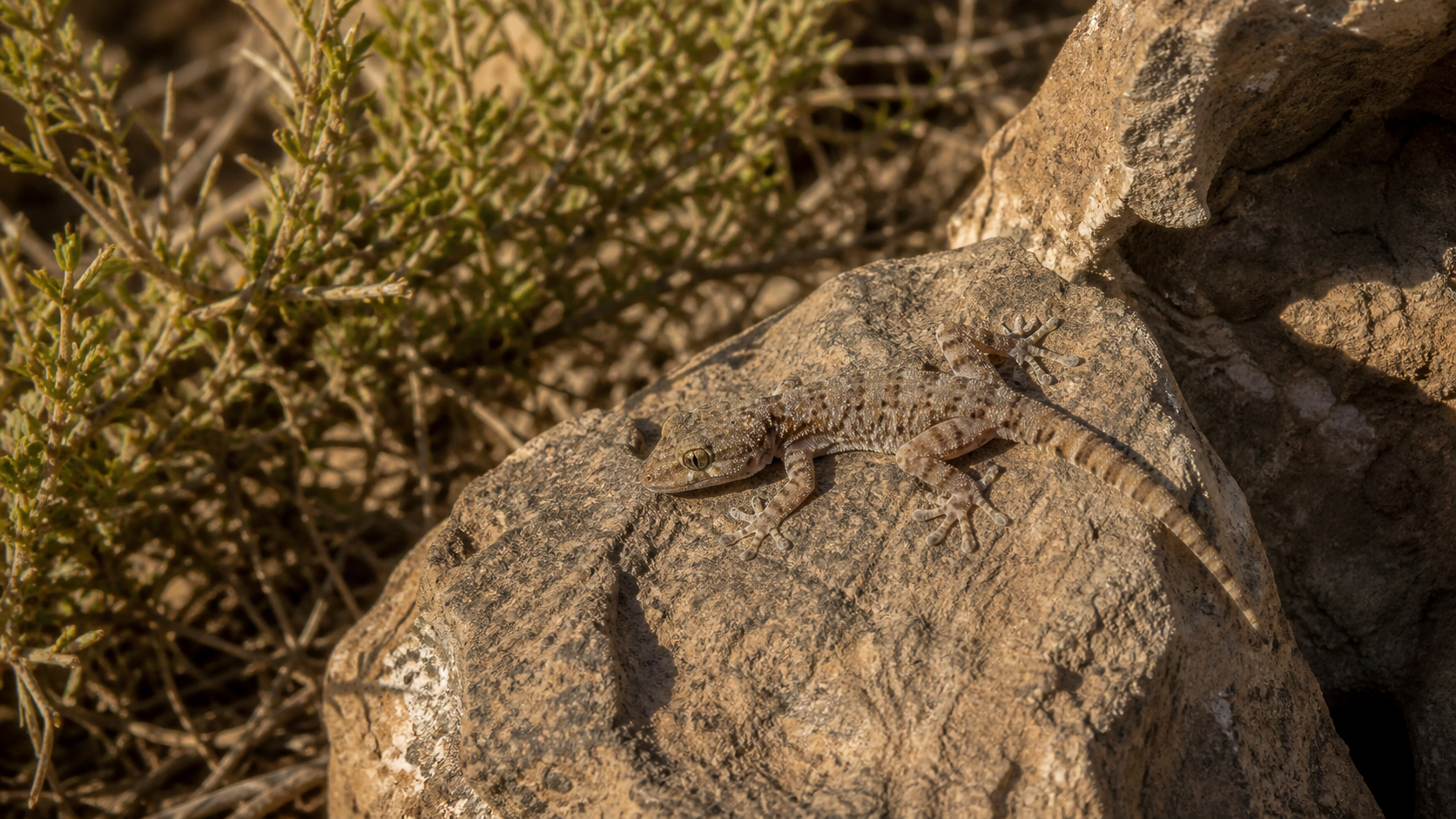
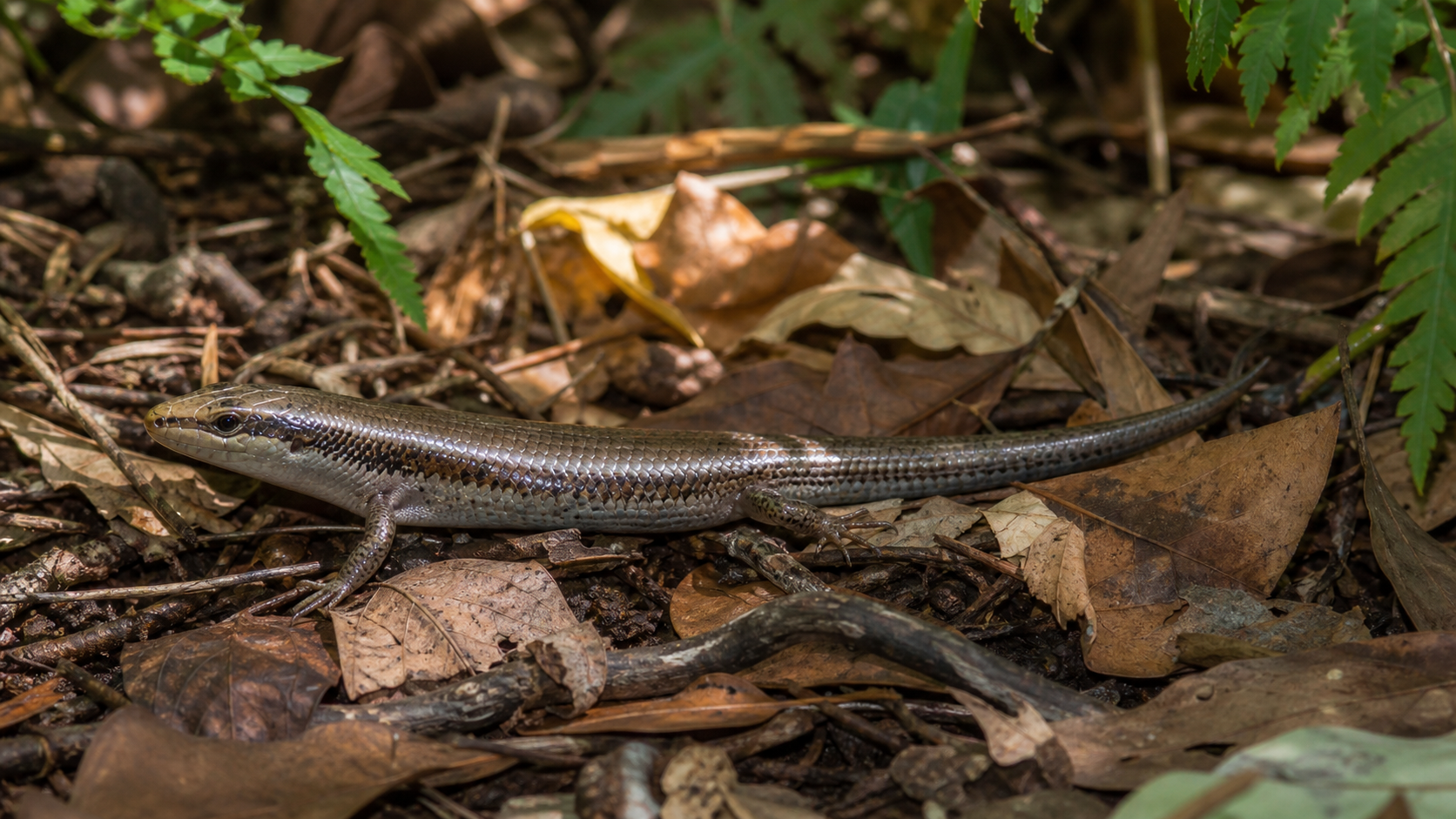
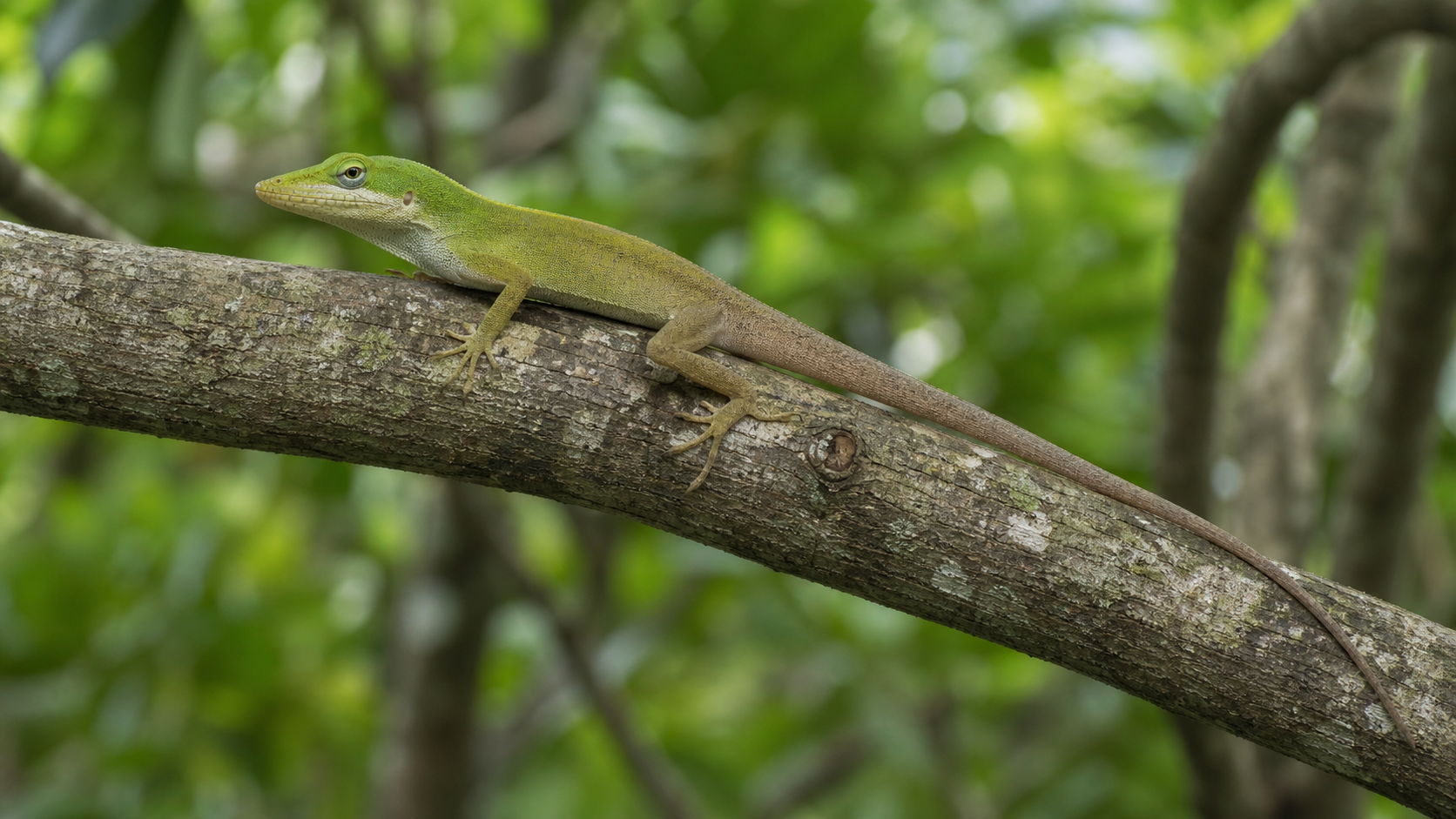
Caribbean Anolis lizards are a well-studied example. On several Greater Antillean islands, related lineages repeatedly evolved similar body forms associated with different perch heights, perch widths, and styles of movement. That repeated pattern is a striking example of evolutionary convergence.
Convergence Has Limits
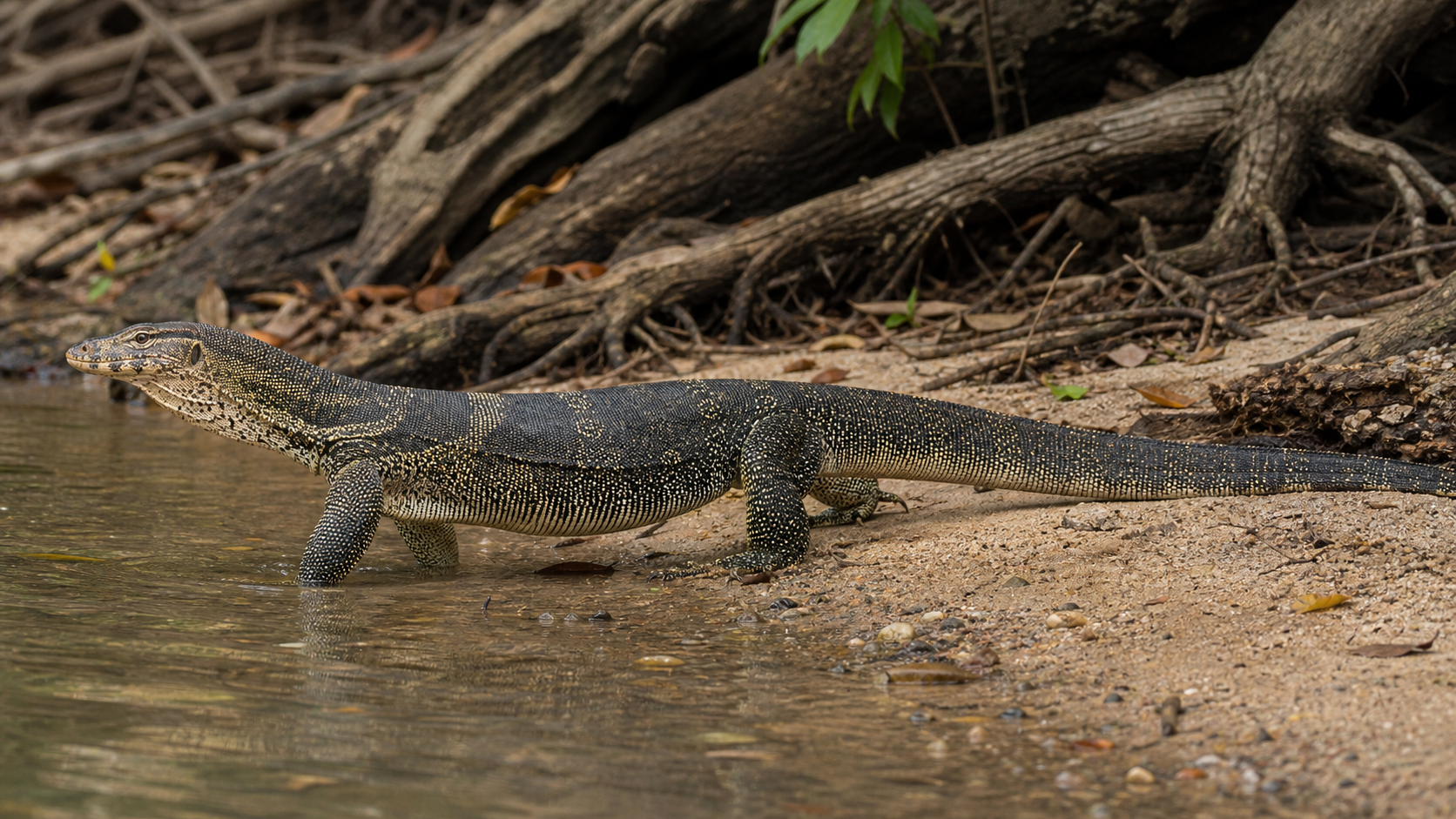
Similar habitats can favour similar traits, yet no single rule explains every lizard radiation. Island and mainland lineages may experience different histories, competitors, climates, and opportunities. Comparing these details helps explain why some traits converge while others remain distinctive.
How Researchers Test a Radiation
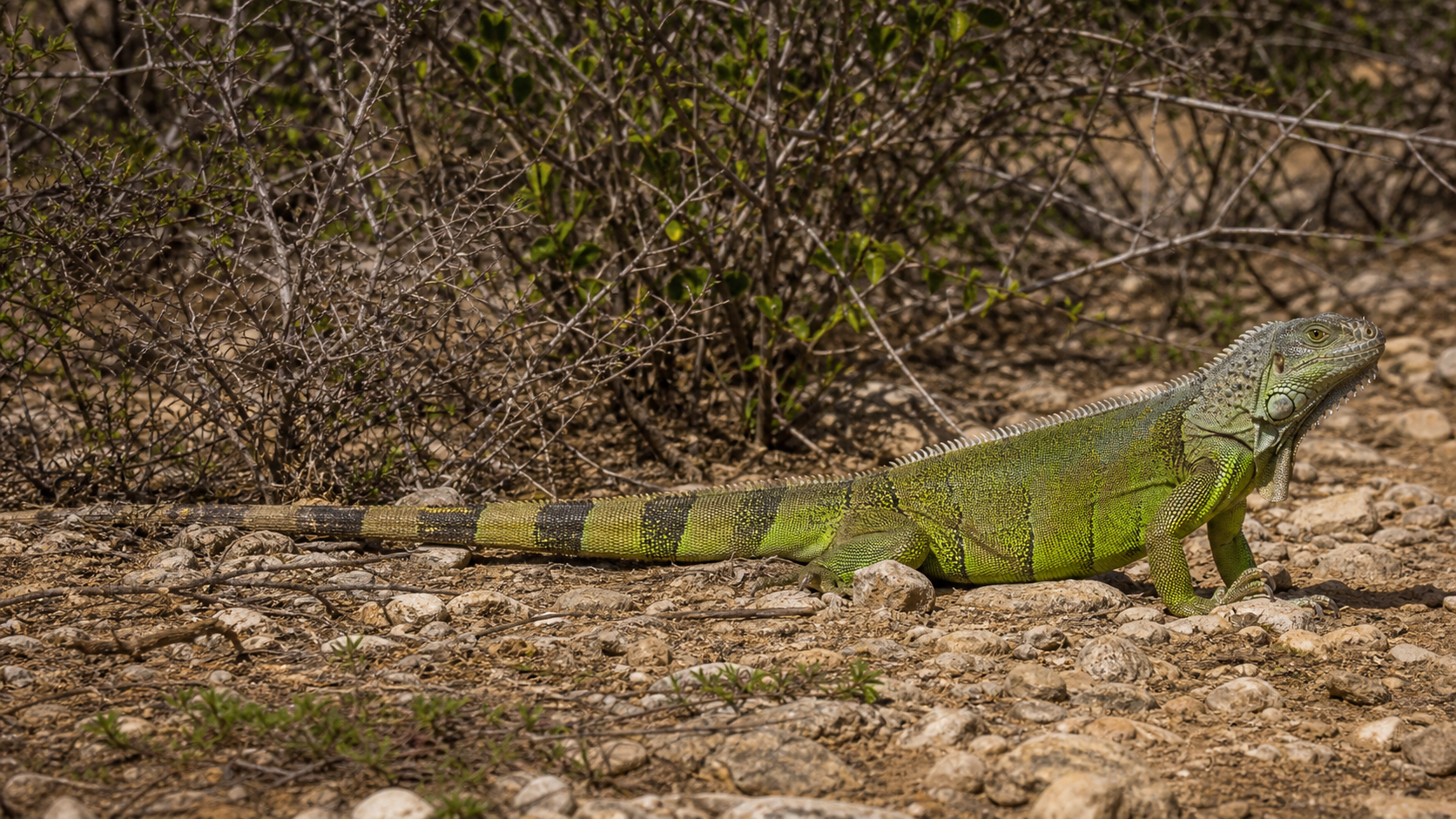
A species-rich group is not automatically an adaptive radiation. Researchers compare an evolutionary tree with records of habitat use, body form, diet, movement, and geographic history. The question is whether related lineages diversified in ways that are linked to different ecological opportunities, rather than merely accumulating species over time.
Measurements matter because labels such as “tree-dwelling” or “ground-dwelling” can hide important differences. Perch diameter, height above the ground, vegetation density, activity time, and predator pressure can all influence how a lizard moves and feeds. A useful comparison asks which traits recur in similar settings and which traits remain unique to one lineage.
Repeated Patterns Need Careful Interpretation
The Greater Antillean anoles are valuable because islands provide several independent comparisons. Similar body forms evolved on separate islands, but that does not mean every island contains the same species or that the process followed one fixed route. Chance colonisation events, extinctions, gene flow, climate, and the species already present can alter the result.
Mainland lizard communities add another perspective. They may contain more competitors, predators, habitats, and opportunities for dispersal than isolated islands. For that reason, an island pattern should not be presented as a rule for all lizards. Comparing the evolutionary history of each group helps distinguish convergence from resemblance that was inherited from a shared ancestor.
Why Habitat Diversity Matters
Adaptive-radiation research shows why structurally varied habitat can support different ways of life. Shrubs, tree trunks, leaf litter, rock crevices, open ground, and water edges do not offer identical resources. Protecting that variety preserves the conditions in which lizard lineages can continue to use distinct niches, while avoiding the claim that any single habitat feature explains all diversity.
Sources and review notes
Reviewed 23 August 2026. Fossils, anatomy and family trees become more interesting—not less—when uncertainty is made visible. We have separated well-supported observations from interpretations that may change as new specimens and studies appear.
Reference starting points: The Reptile Database, PubMed-indexed research, and Smithsonian natural-history resources. Conservation status, taxonomy and local laws can change, so check the linked databases and the relevant local authority for current information.
Spotted something we should revisit? Send Reptile Explorer a correction—thoughtful reader feedback is always welcome.