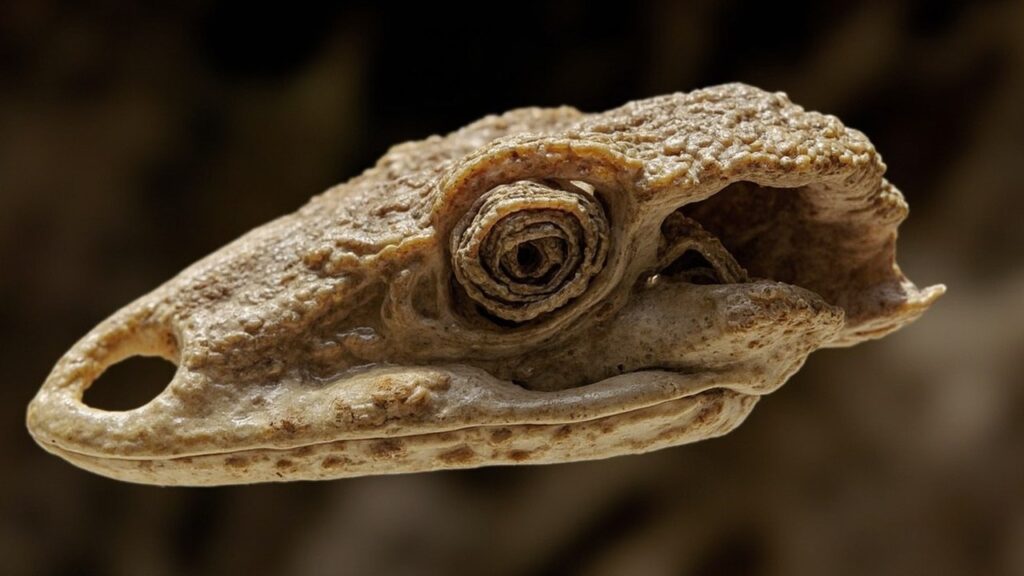
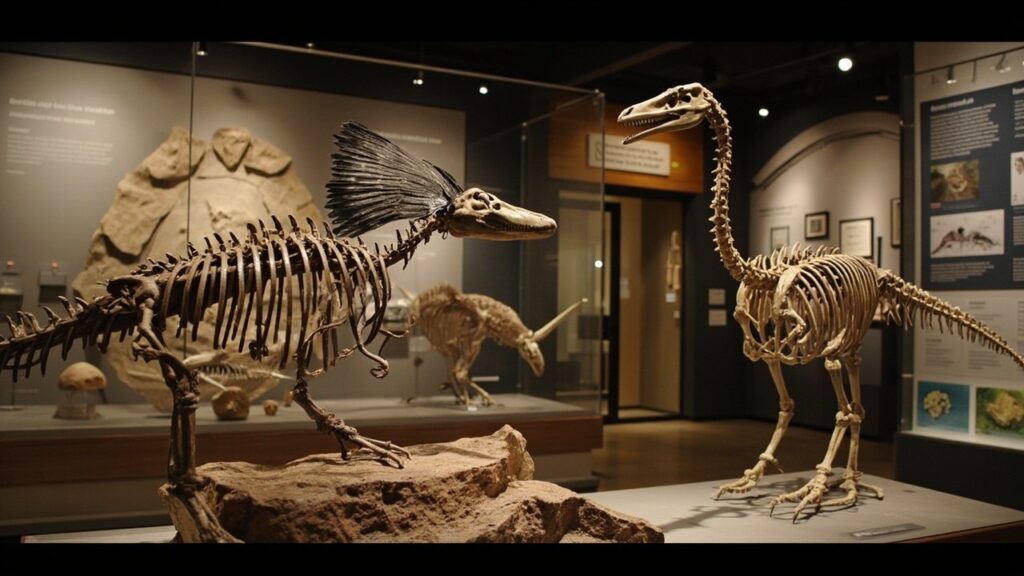
Snakes evolved from lizard ancestors
Snakes are a branch of squamate reptiles that evolved from lizard ancestors. Fossils, anatomy and genetic studies continue to refine the story, so the most accurate account focuses on patterns rather than a single dramatic date. Limb reduction, elongation and specialised skull anatomy evolved alongside many different ways of living.
Adaptations differ across lineages
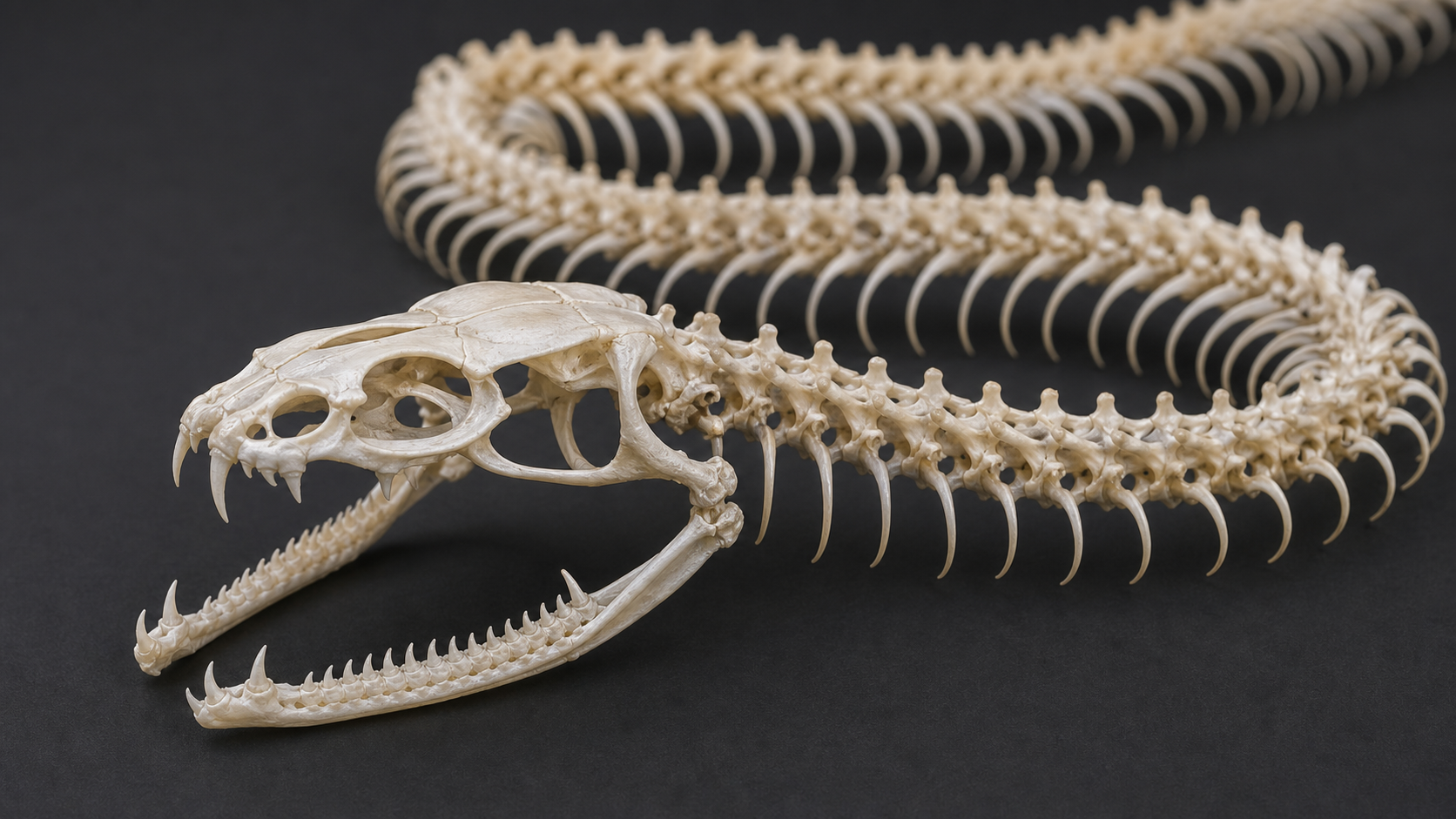
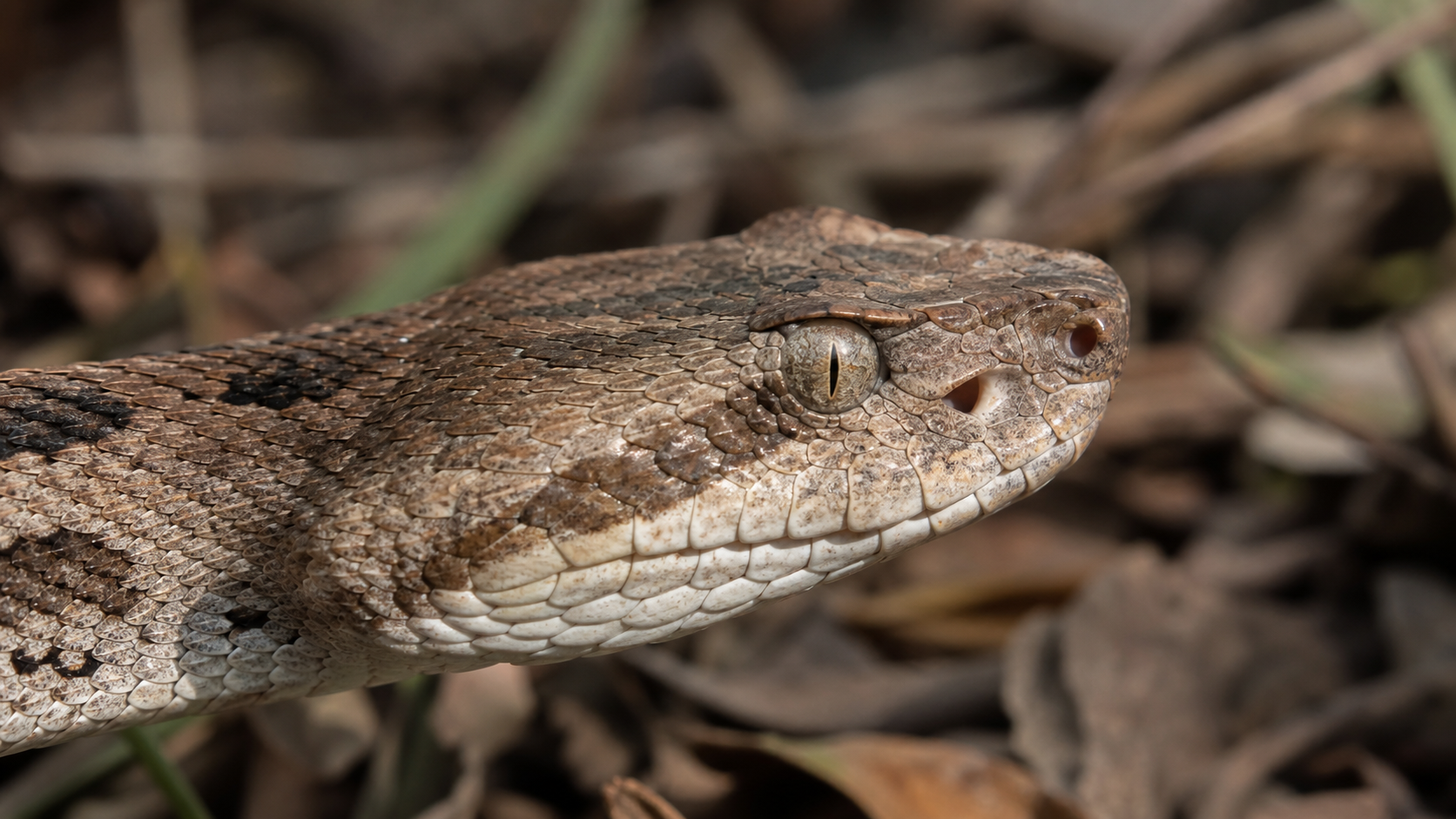
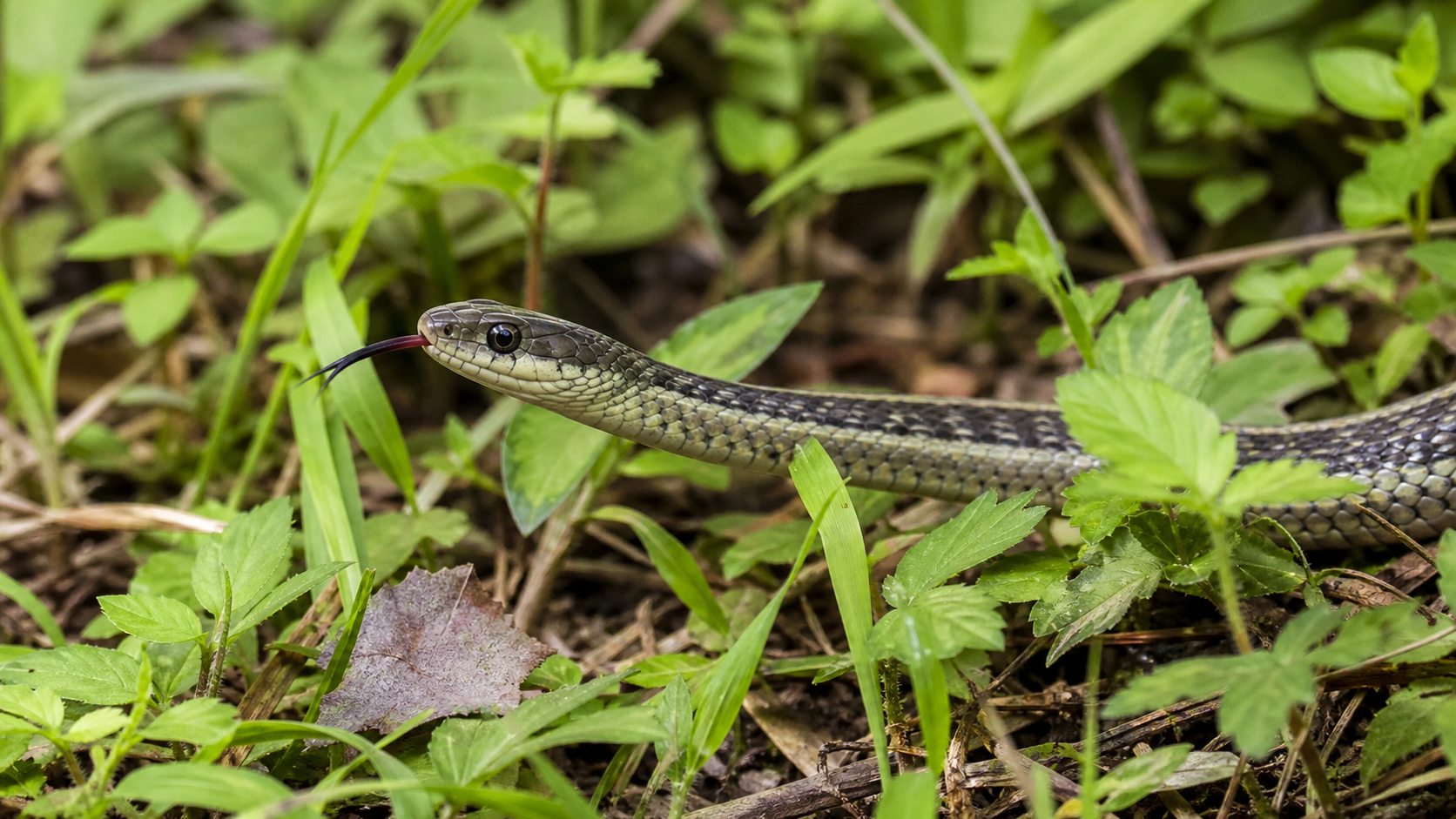
All snakes use chemical cues collected by the tongue and processed by the vomeronasal system, but other traits are not universal. Heat-sensitive pits occur in some lineages, venom systems occur in many but not all snakes, and skull mobility varies with diet and ancestry. Snakes do not “unhinge” their jaws; flexible joints and ligaments allow the skull to accommodate prey.
Diversity is ecological as well as anatomical
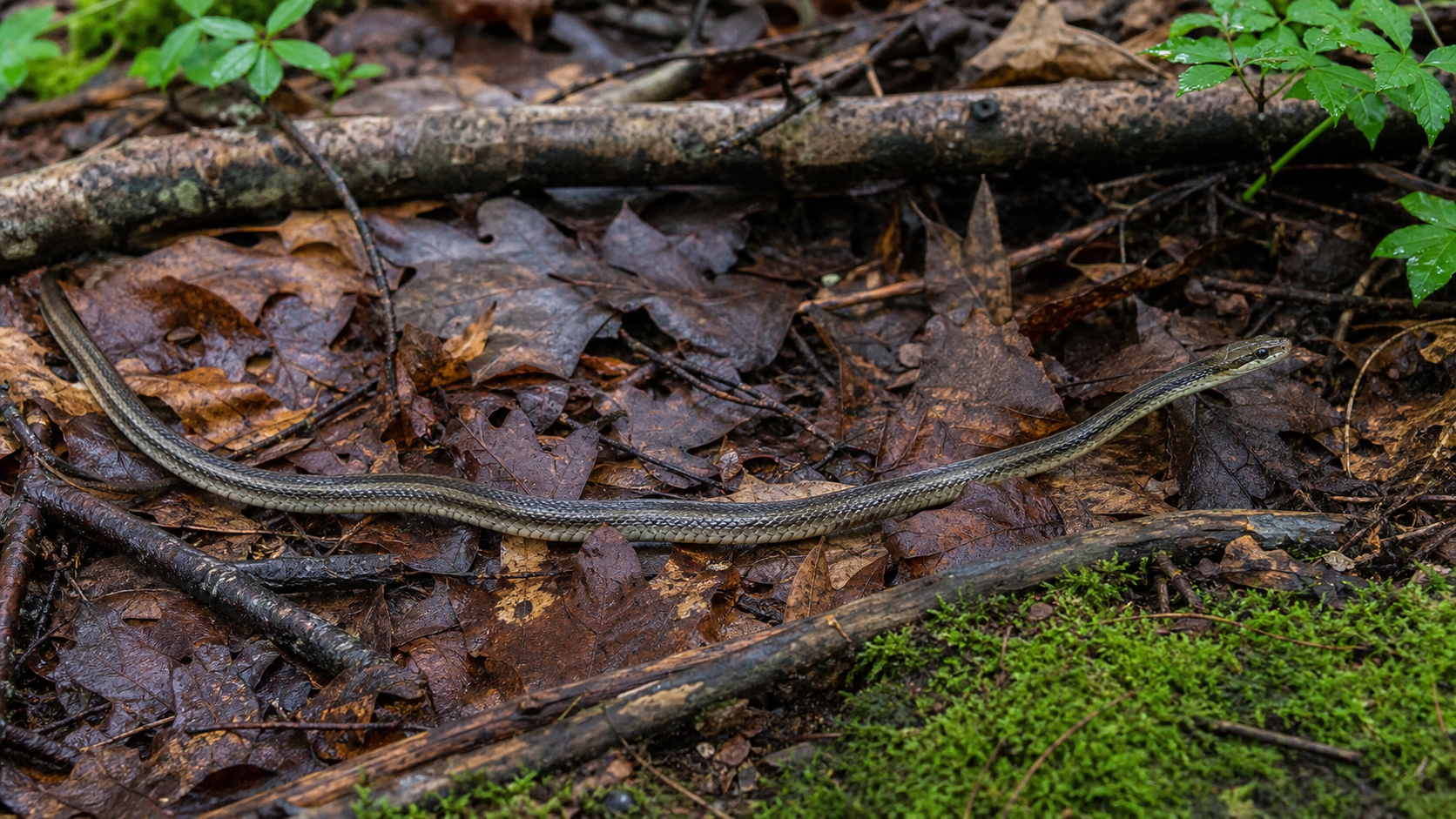
Snakes occupy burrows, forests, rivers, grasslands and oceans, with diets ranging from eggs and snails to fish, mammals and other reptiles. Their survival depends on intact habitat, suitable prey and reduced persecution. Evolutionary explanations should distinguish evidence from speculation and avoid treating a single adaptation as the reason for every snake’s success.
Diversification Is a Branching Process
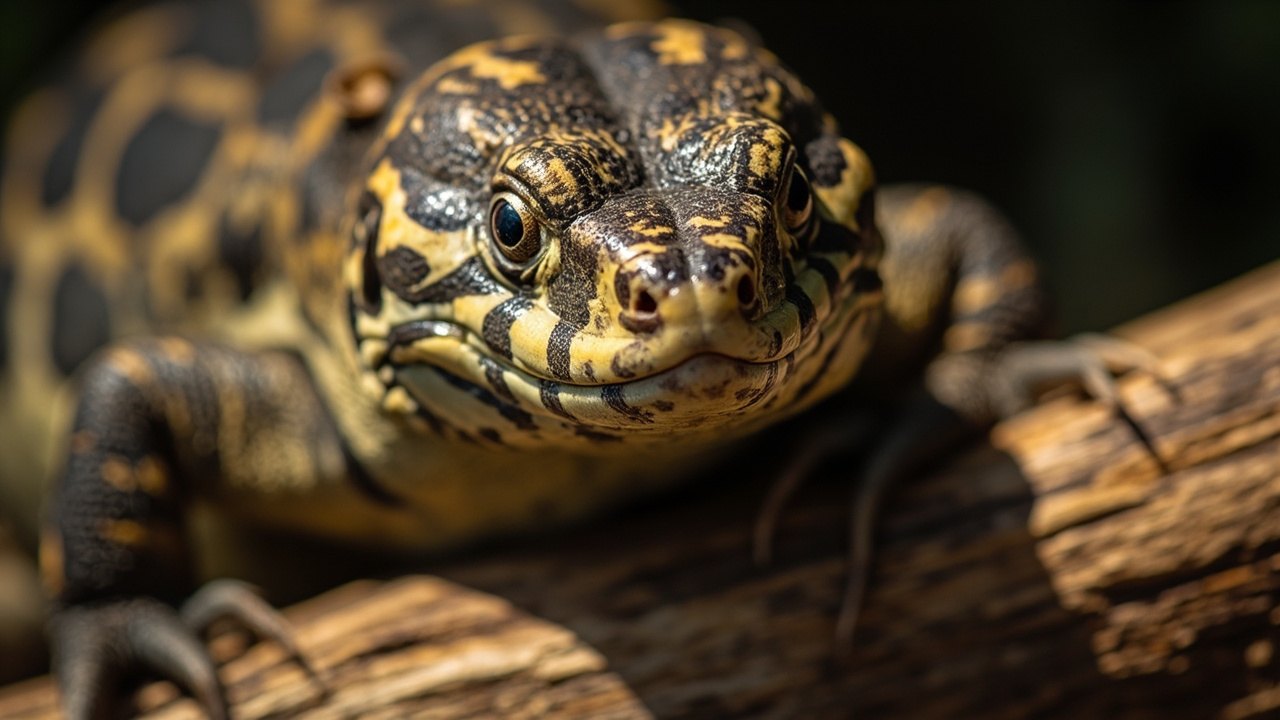
Snake diversity developed through repeated splits in lineages over long periods, not through a straight path from simple snakes to superior ones. Fossils, living anatomy, ecology and genetic data each describe part of that history. New evidence can change the estimated relationships between groups without overturning the broader finding that snakes are highly specialised squamate reptiles with many distinct evolutionary branches.
Similar Challenges Can Produce Different Traits
Burrowing, climbing, aquatic life, egg eating and hunting large prey have each shaped different snake lineages. A long body may aid movement through vegetation or underground spaces, but it does not produce one standard way of living. Venom, heat-sensitive pits, enlarged teeth and scale textures occur in particular groups and have their own evolutionary histories. One trait should not be presented as the explanation for snake diversity as a whole.
Range and Prey Keep Evolution Local
When populations become separated by geography, habitat change or different prey, their traits can diverge over generations. Some lineages remain species-poor, while others contain many closely related species. Conservation matters because removing a habitat or prey community can erase a local branch of that history. Accurate articles link a trait to the snake group and ecological setting in which evidence supports that relationship.
Sources and review notes
Reviewed 23 August 2026. Fossils, anatomy and family trees become more interesting—not less—when uncertainty is made visible. We have separated well-supported observations from interpretations that may change as new specimens and studies appear.
Reference starting points: The Reptile Database, PubMed-indexed research, and Smithsonian natural-history resources. Conservation status, taxonomy and local laws can change, so check the linked databases and the relevant local authority for current information.
Spotted something we should revisit? Send Reptile Explorer a correction—thoughtful reader feedback is always welcome.