A Desert Viper With Variable Horns
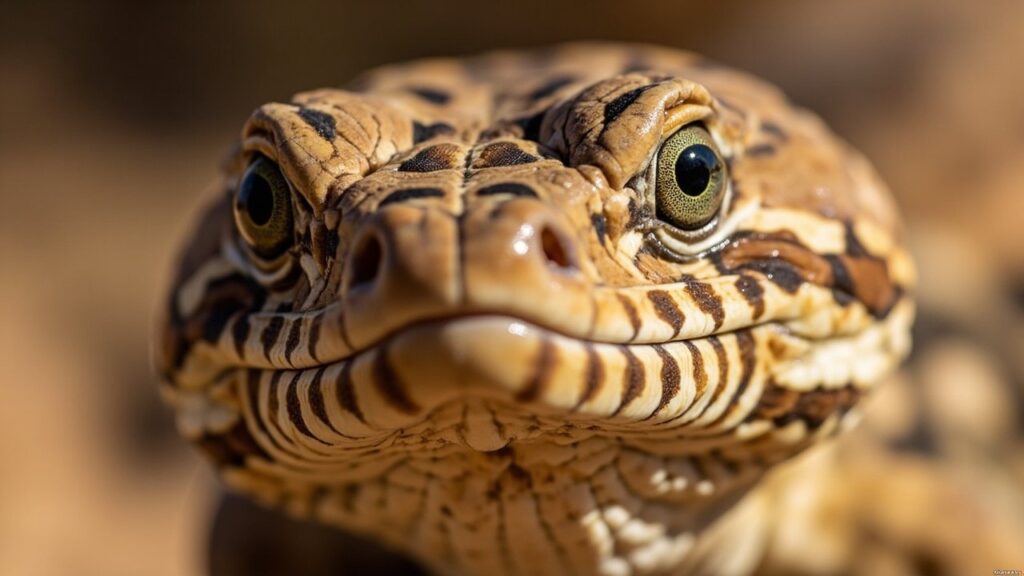
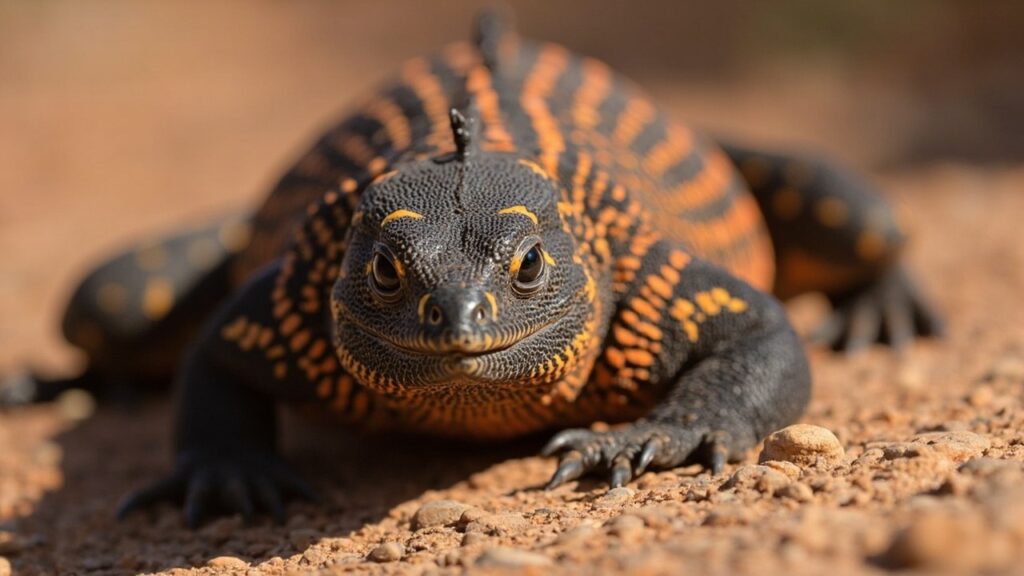
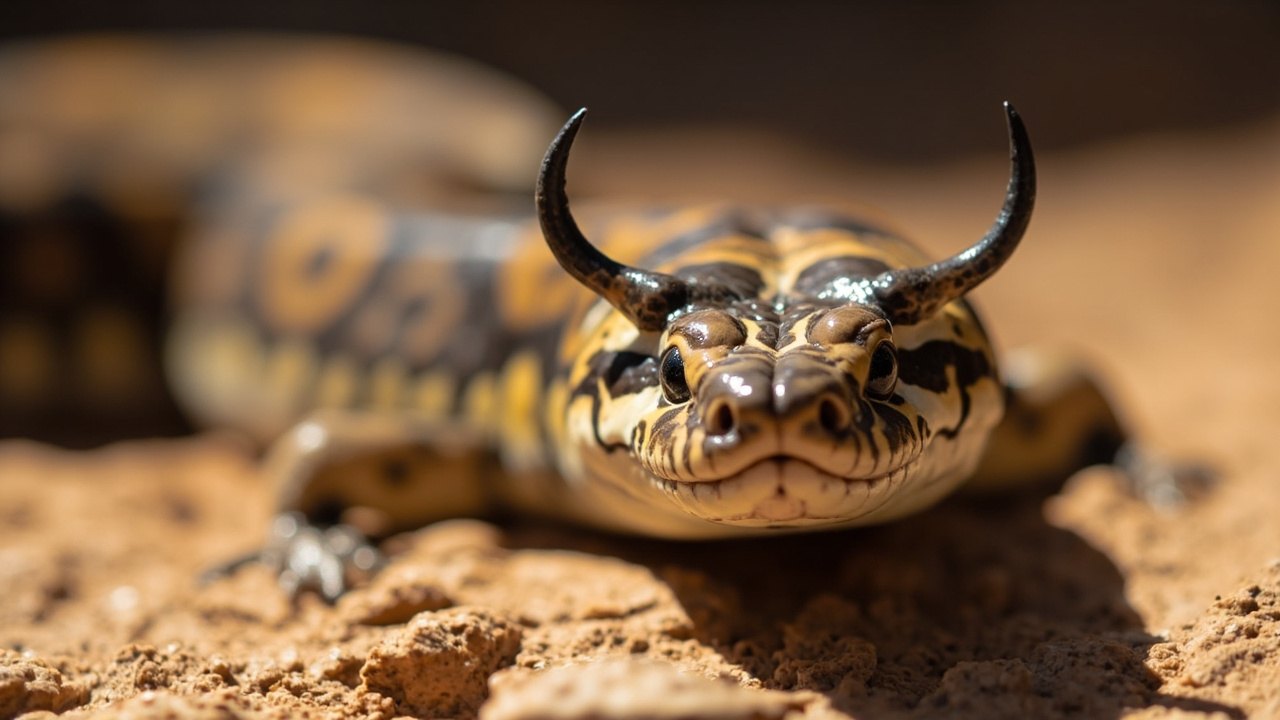
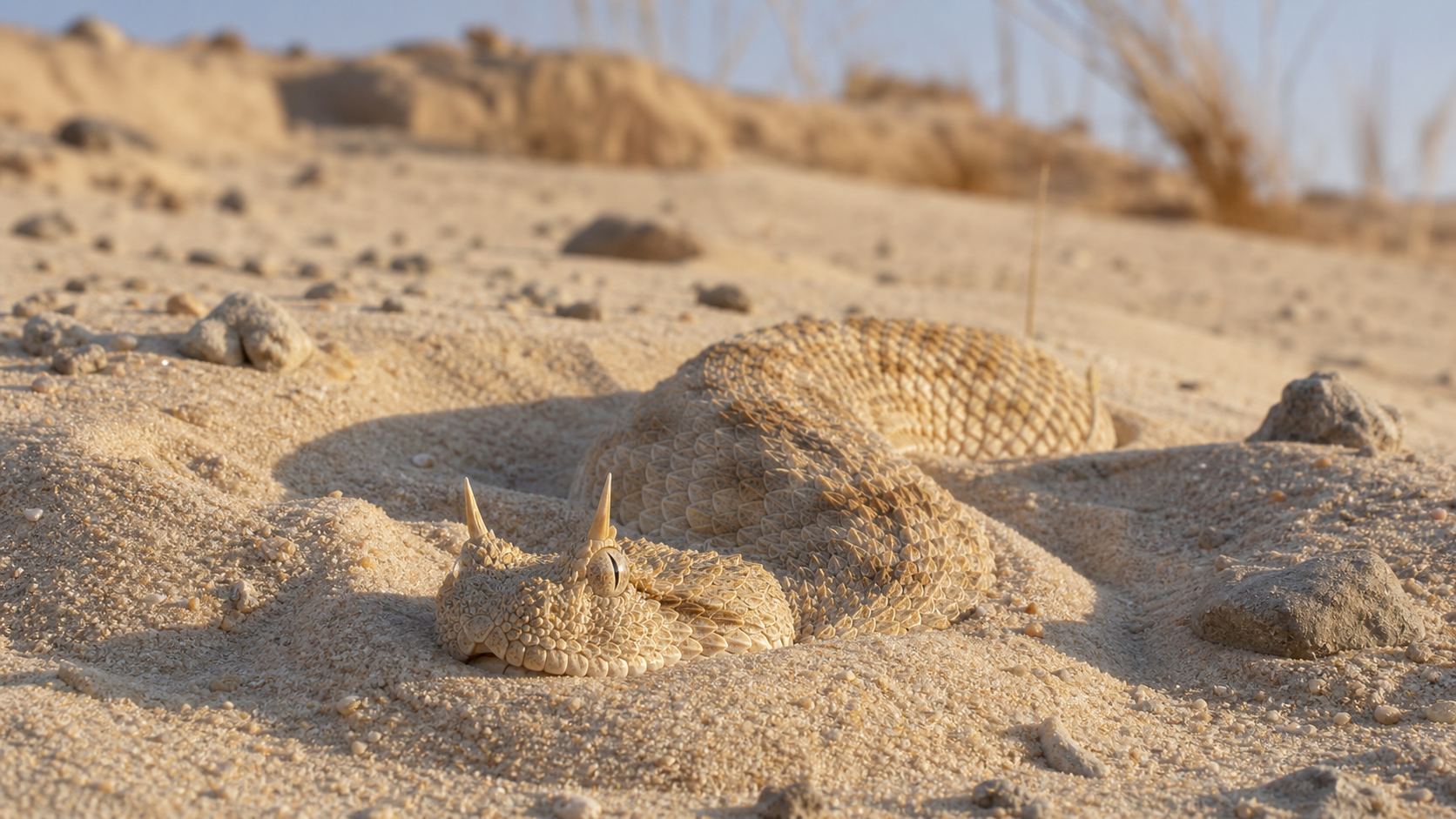
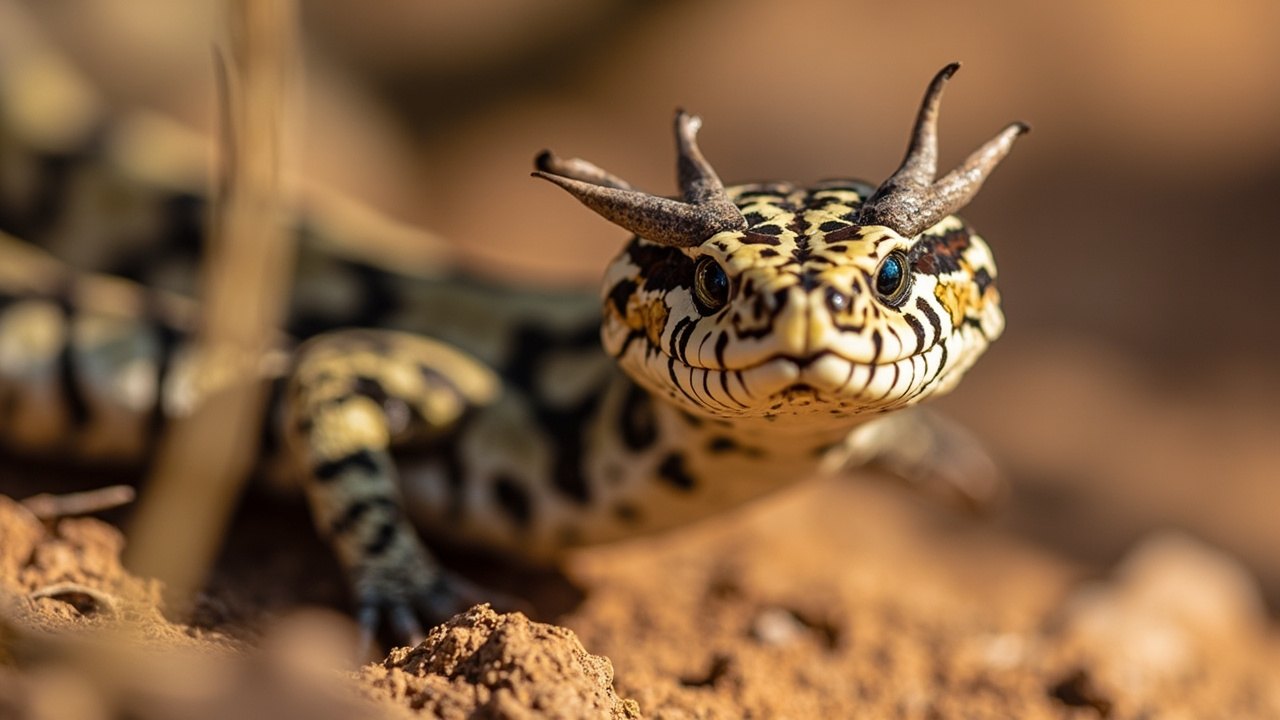
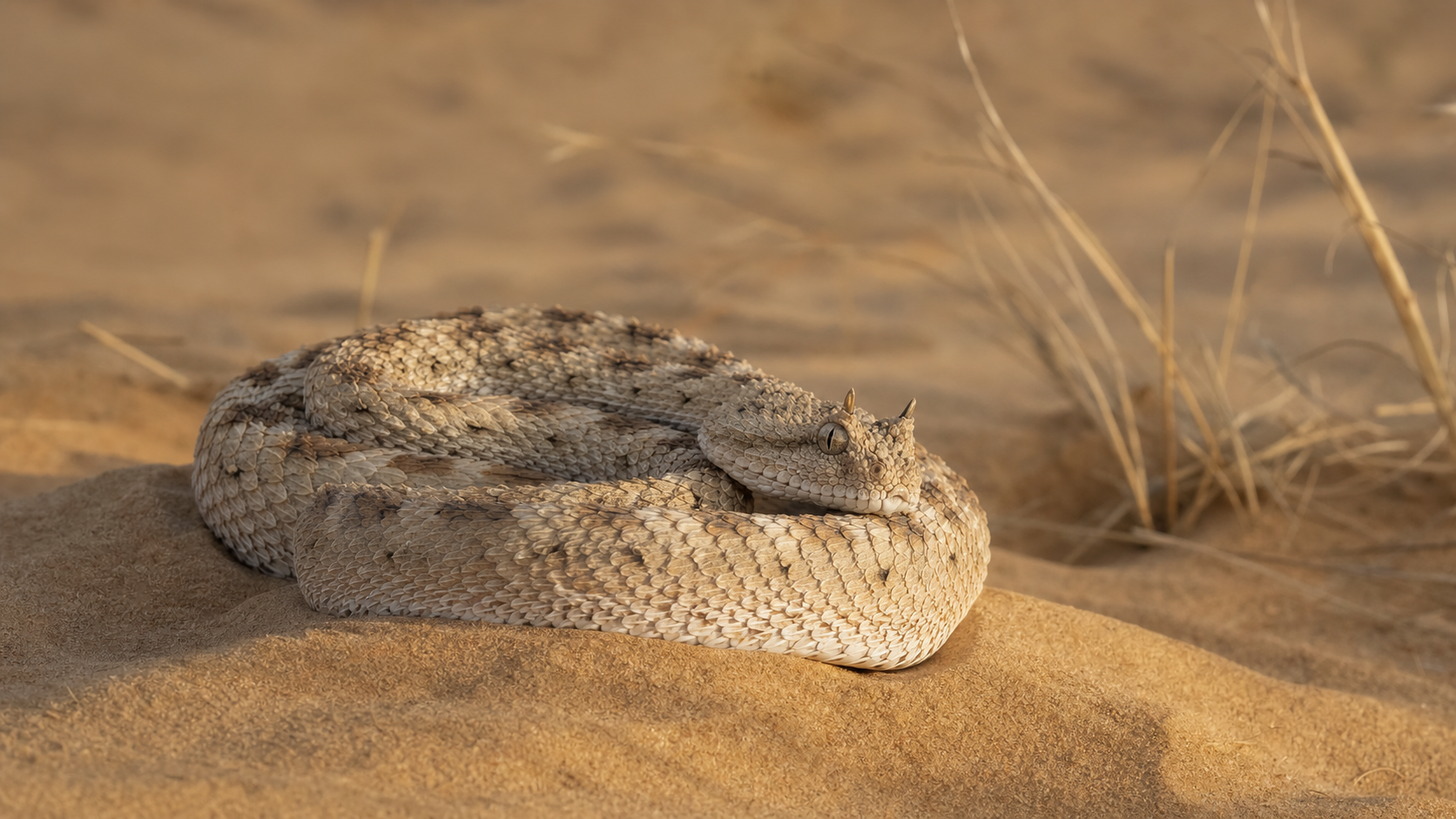
The Saharan horned viper, Cerastes cerastes, is a desert snake of North Africa and nearby arid regions. Many individuals have horn-like scales above the eyes, but hornless individuals also occur. Its pale pattern helps it blend with sand, gravel, and sparse desert cover.

Ambush Hunting in Loose Sand
This viper uses concealment, shelter, and short bursts of movement to navigate hot, open terrain. It may partially bury itself in sand or rest beside rocks and shrubs while waiting for small vertebrate prey. Activity patterns can vary with local temperature and season.
Venom Demands Caution
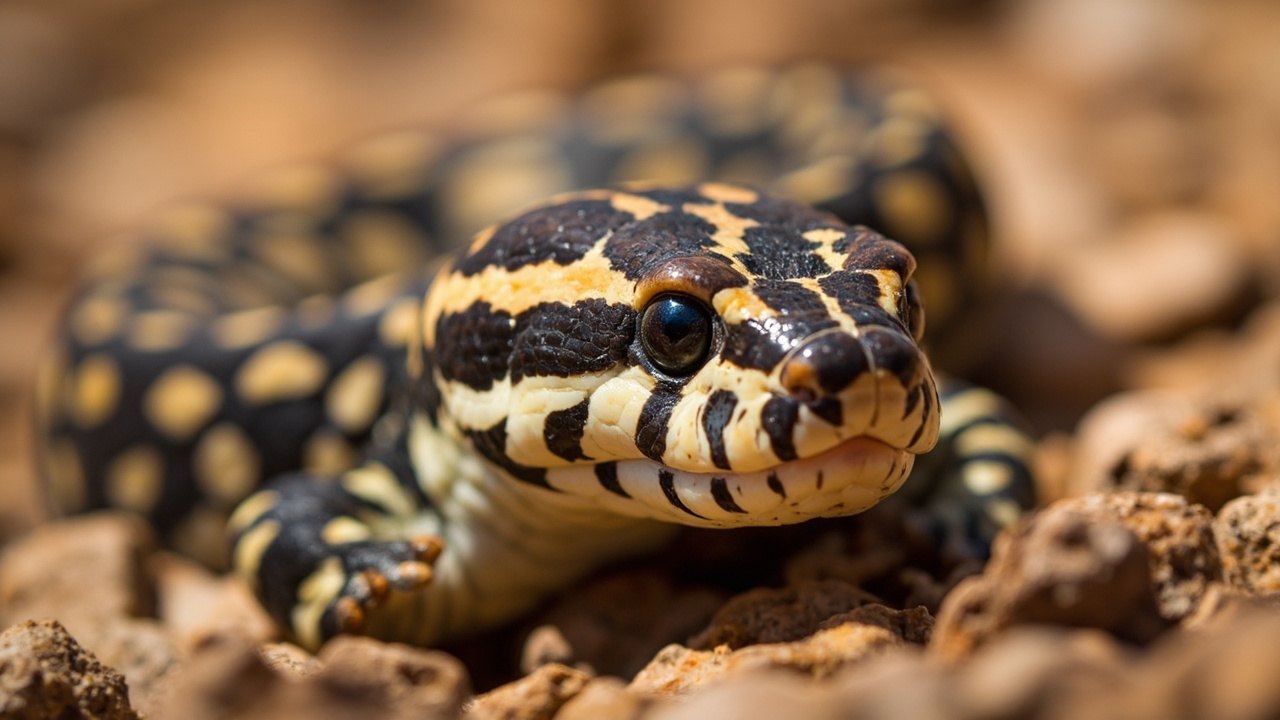
The species has medically significant venom. Anyone with a suspected snakebite needs urgent emergency care rather than home treatment. Although the species is listed as Least Concern globally, that category does not replace local monitoring or eliminate the need to protect desert habitat.
Sand is a habitat, not an empty backdrop
Loose sand, gravel, shrubs, animal burrows, and rocky edges offer different kinds of shelter to a desert viper. A Saharan horned viper may rest partly covered by sand, use shade beside vegetation, or move when surface temperatures are lower. Its horn-like scales are variable and should not be treated as a reliable guide to age, sex, or behaviour. Desert snakes are often difficult to detect precisely because their colour and posture reduce contrast with the ground.
Ambush hunting saves energy when prey passes within reach. The snake does not need to chase across open dunes to be an effective predator. Small mammals, lizards, and birds can be part of the diet depending on place and opportunity. Activity schedules also vary with local weather and season. A broad description of nocturnal or daytime behaviour is therefore less useful than an observation that records the date, temperature context, and the type of ground used.
Safety and habitat respect go together
A medically significant venomous snake deserves space, not a closer look. Wear suitable footwear in known snake habitat, use a light after dark, and do not place hands under rocks or into burrows without checking. A suspected bite is an emergency that needs professional care. At the same time, fear does not justify killing a snake. Keeping distance, avoiding off-road damage to fragile desert surfaces, and reporting a road hazard to the appropriate local authority are safer responses for people and wildlife.
Sources and review notes
Reviewed 23 August 2026. Reptile biology is wonderfully variable. We have avoided turning one species, photograph or dramatic observation into a rule for an entire group, and we have used cautious wording where evidence or local conditions differ.
Reference starting points: The Reptile Database, The IUCN Red List of Threatened Species, and PubMed-indexed research. Conservation status, taxonomy and local laws can change, so check the linked databases and the relevant local authority for current information.
Spotted something we should revisit? Send Reptile Explorer a correction—thoughtful reader feedback is always welcome.