Warmer weather changes the daily window
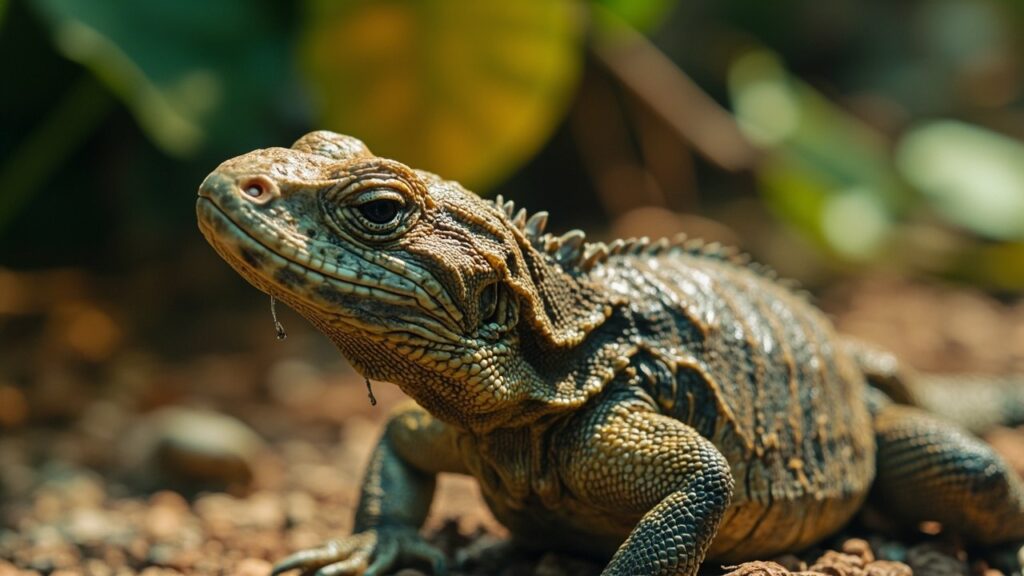
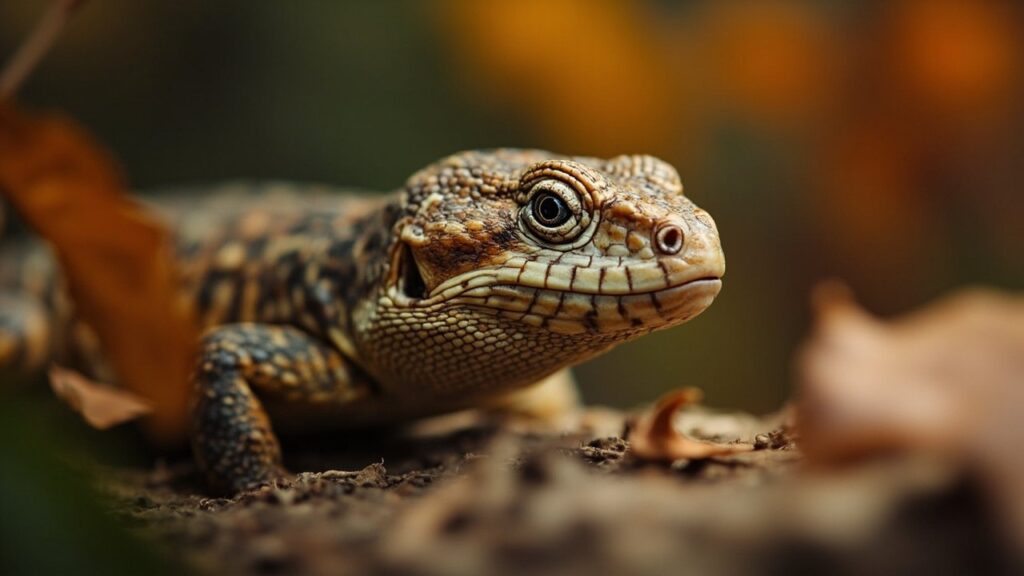
In temperate regions, many reptiles become easier to see as ground and air temperatures rise in spring. Individuals that spent winter in brumation may emerge to bask, drink, forage, or seek mates. The timing is local and species-specific. A warm afternoon can bring activity, while a cold night or a late frost can quickly limit it again.

Spring can also be a breeding season
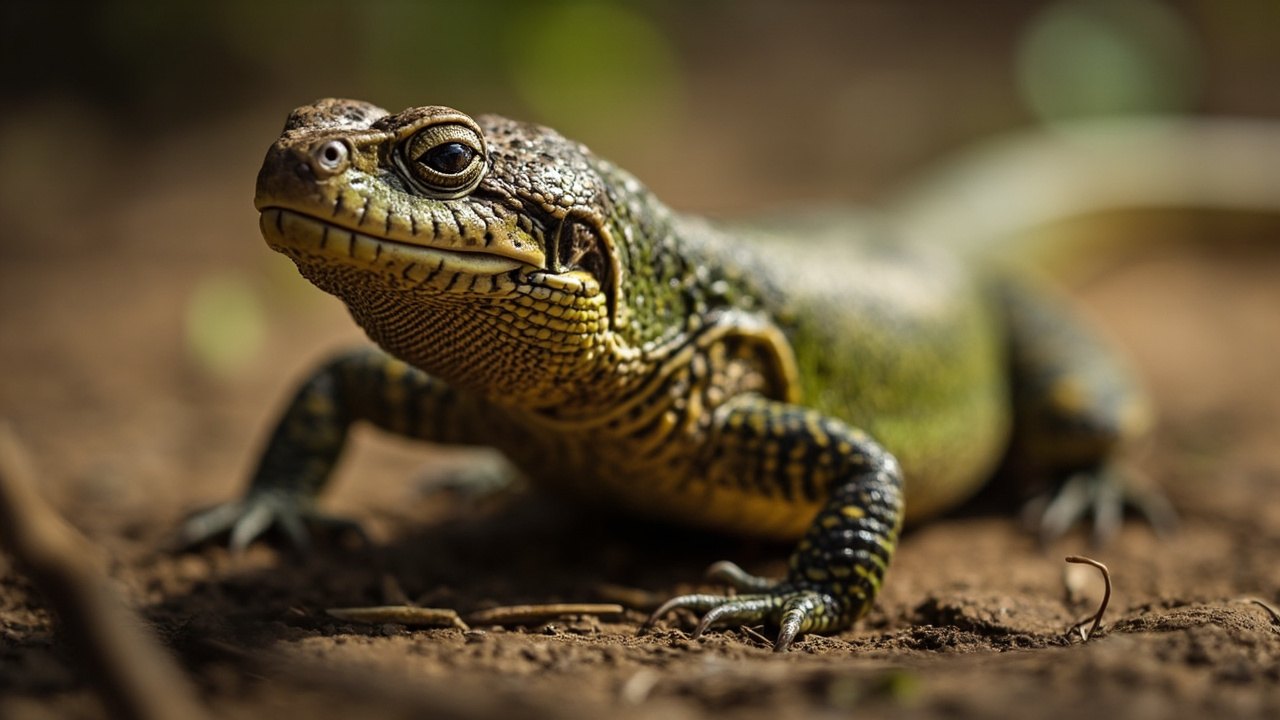
For many species, spring activity overlaps with courtship, mating, movement to nesting areas, or recovery after winter. Others follow different schedules, especially in tropical climates or places with distinct wet and dry seasons. Temperature is important, but rainfall, food availability, shelter, body condition, and local habitat also influence when an animal becomes active.
Give wildlife room to move
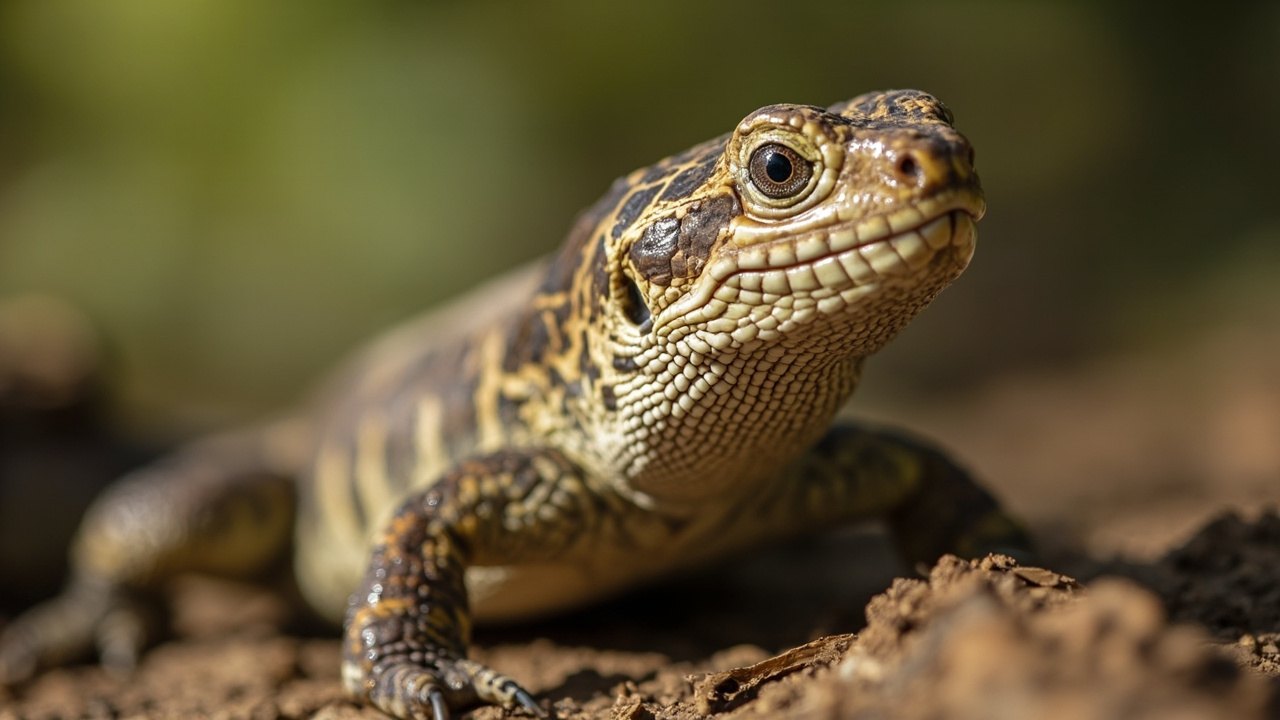
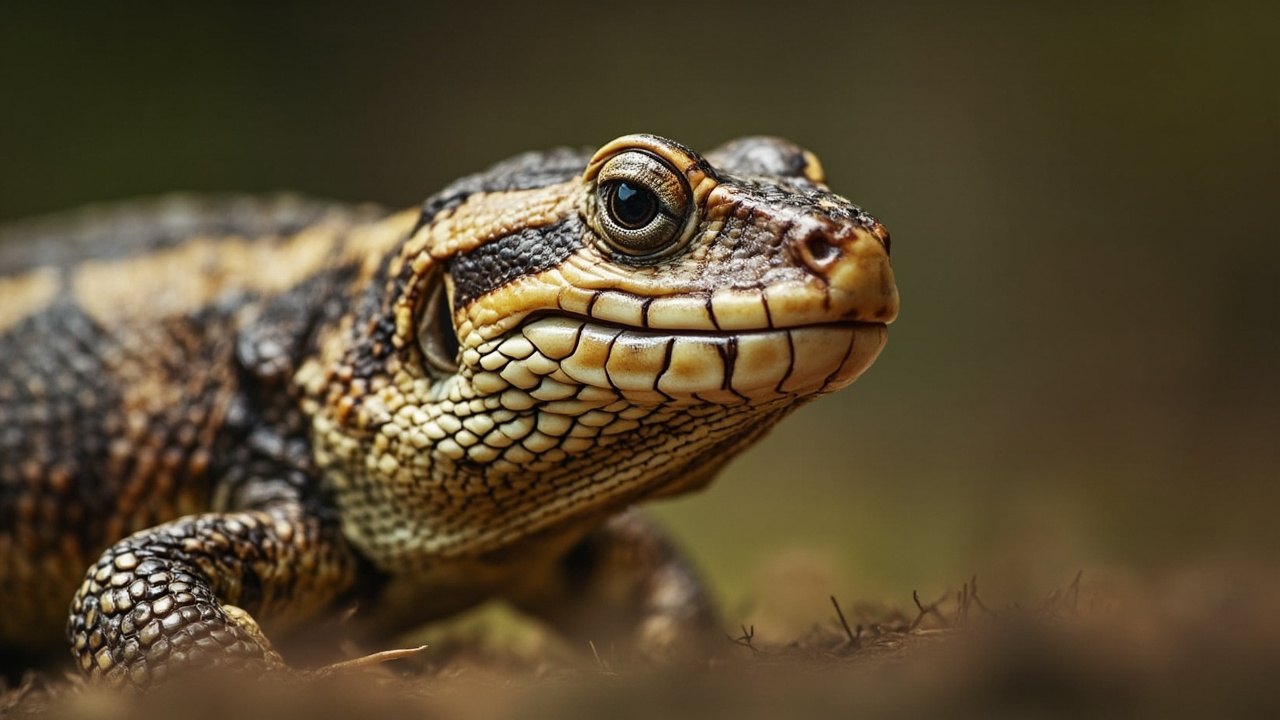
Spring increases the chance of seeing reptiles crossing paths, roads, or trails. Slow down in suitable habitat, keep pets under control, and observe from a distance. Do not handle an unidentified snake or remove a wild reptile from its habitat merely for a closer look or photograph. If an animal is injured or poses an immediate safety issue, contact the appropriate local wildlife authority or a licensed rehabilitator.
Emergence Is Not a Fixed Date
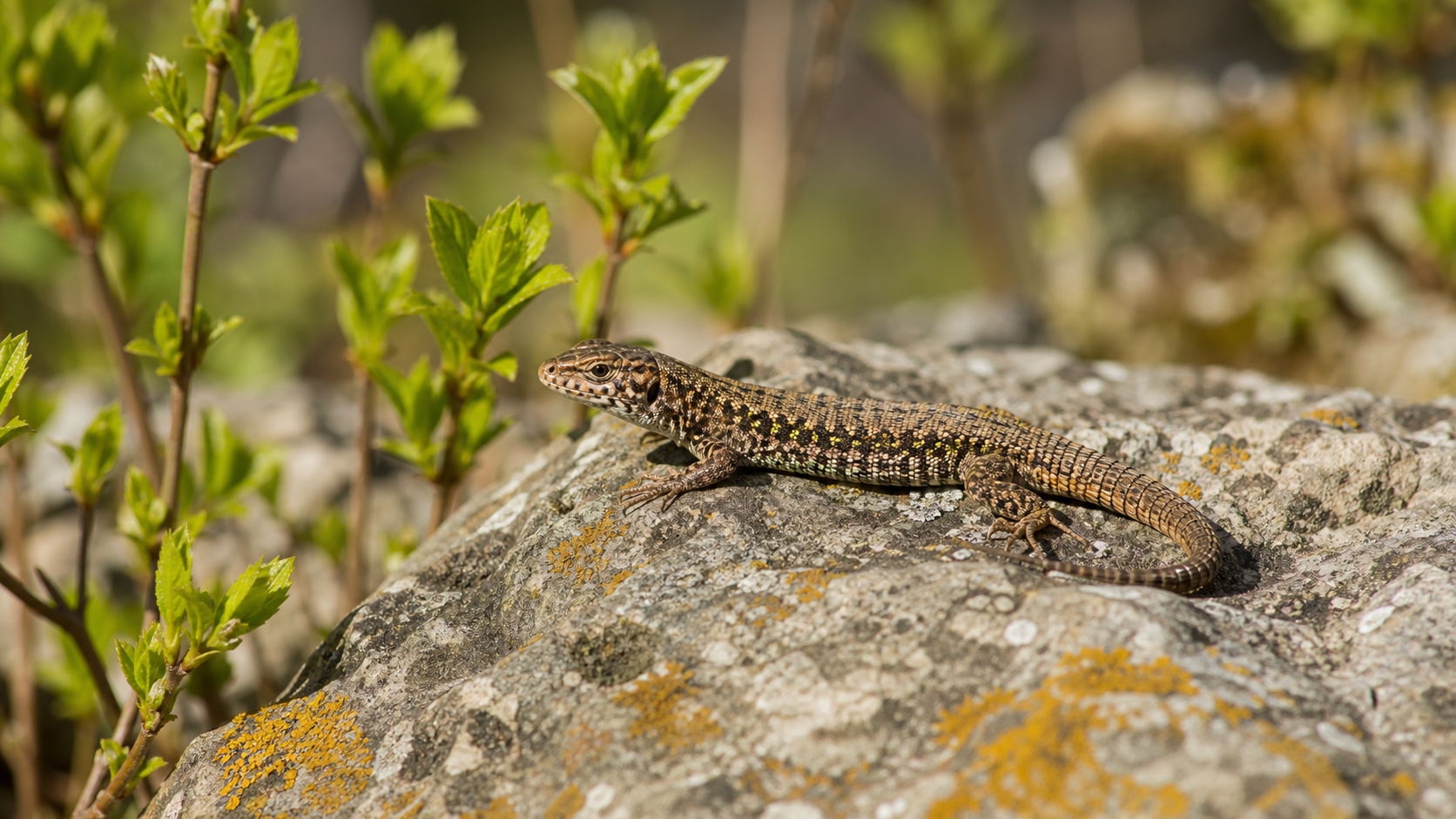
Spring activity follows local ground temperature, rainfall, shelter conditions and the needs of each species. A sunny day may bring a reptile out to bask, while a sudden cold spell can send it back into cover. Records from one park or year should not be used as a calendar for a whole region.
Animals emerging from a dormant period may need water, warmth and access to food before breeding activity becomes obvious. The timing of courtship, nesting and movement can differ among nearby species. A sighting is useful when it includes the date, broad habitat and weather without disturbing the animal.
Roads Can Interrupt Seasonal Movement
Reptiles may cross roads or trails as they move between winter shelters, feeding areas and breeding sites. Drivers should slow down in suitable habitat and follow local road-safety rules. Do not move a reptile unless a wildlife authority gives guidance for an immediate danger, because relocation can separate it from the area it uses.
Captive Animals Need Measured Care
A captive reptile should not be pushed into spring behaviour with sudden changes to heat, light or food. Species-specific husbandry, routine measurements and veterinary advice remain more reliable than a seasonal assumption based on the keeper’s local weather.
Sources and review notes
Reviewed 23 August 2026. Care works best when it starts with the exact species in front of you. We checked this article against current veterinary husbandry guidance, but measured enclosure conditions and a reptile-experienced veterinarian should guide decisions for an individual animal.
Reference starting points: Merck Veterinary Manual: reptile management and husbandry, CDC: healthy handling around reptiles and amphibians, and The Reptile Database. Conservation status, taxonomy and local laws can change, so check the linked databases and the relevant local authority for current information.
Spotted something we should revisit? Send Reptile Explorer a correction—thoughtful reader feedback is always welcome.