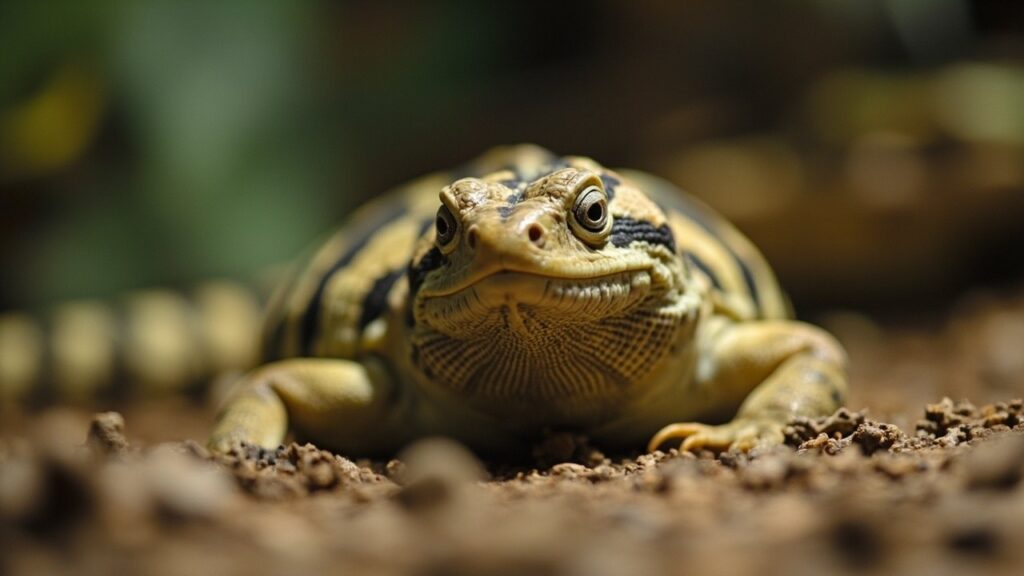
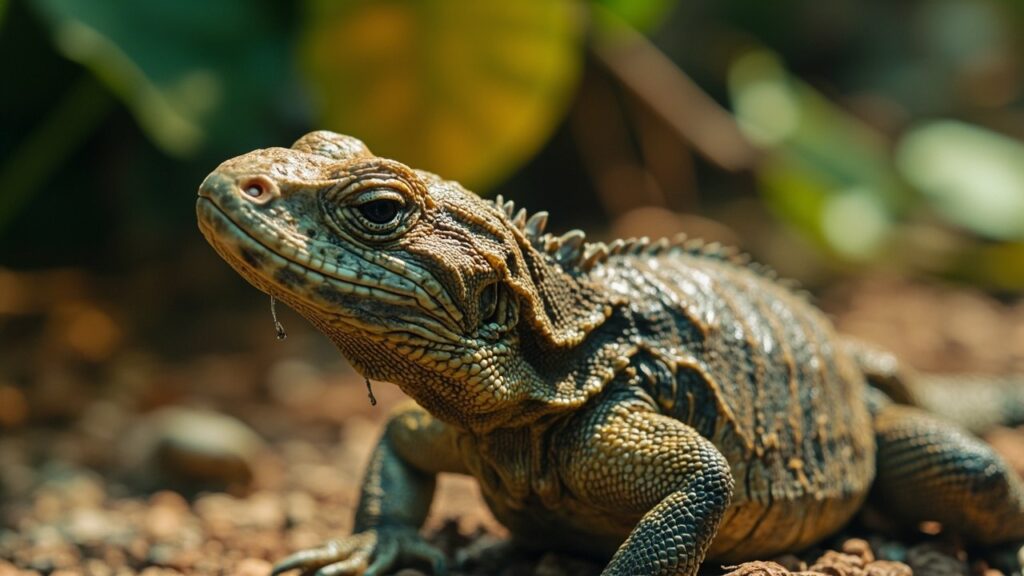
Seasonal diet changes in reptiles depend on the species and place. Temperature, rainfall, prey availability, plant growth, reproduction and brumation can alter feeding in the wild, but those factors do not justify a generic seasonal menu for every captive reptile.
Wild patterns are local
A desert lizard, a temperate turtle and a tropical snake may respond to completely different environmental cues. Food availability and activity can shift across a year, yet the details need to be studied for the species and population rather than copied from human seasonal-produce advice.
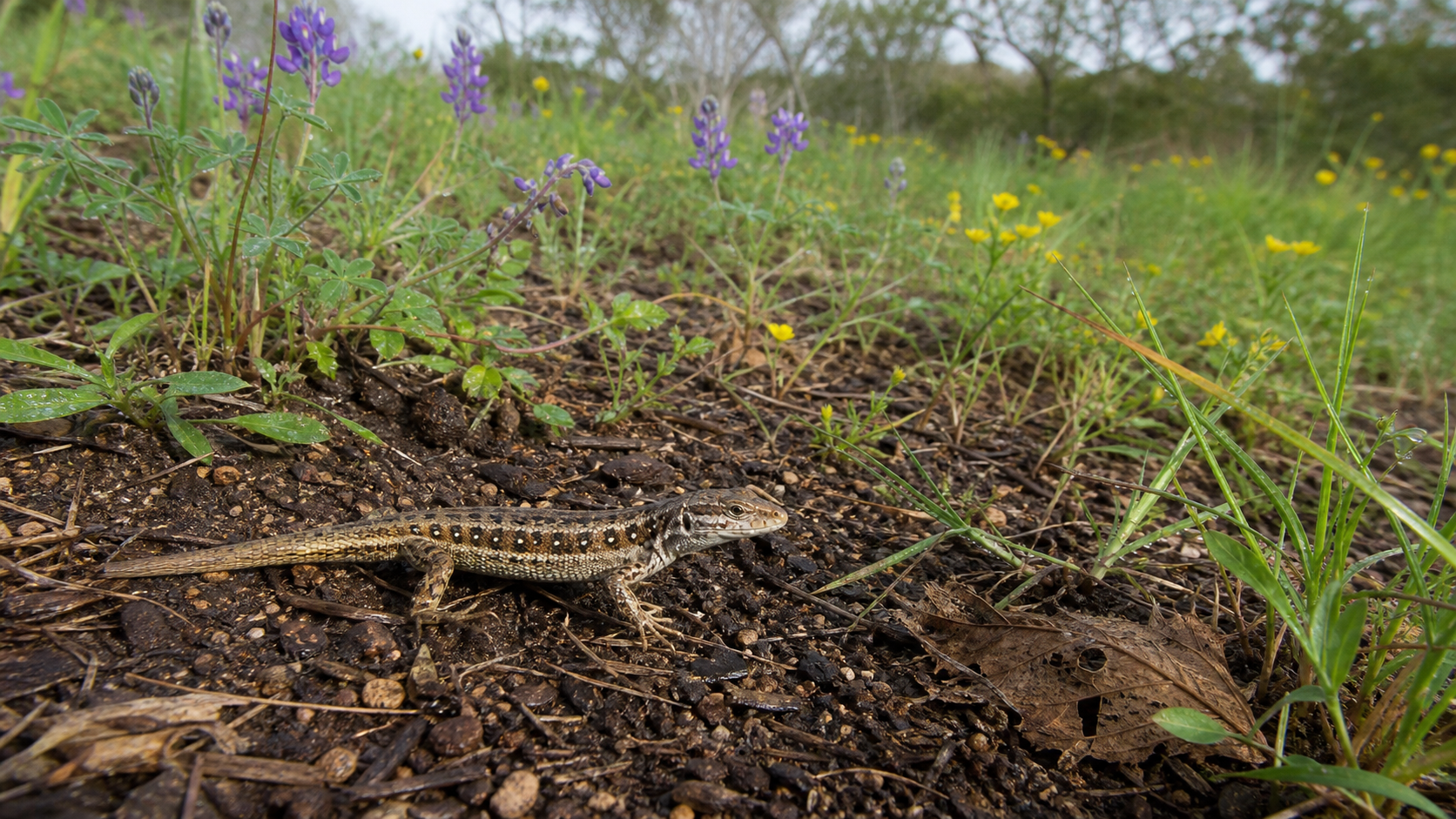
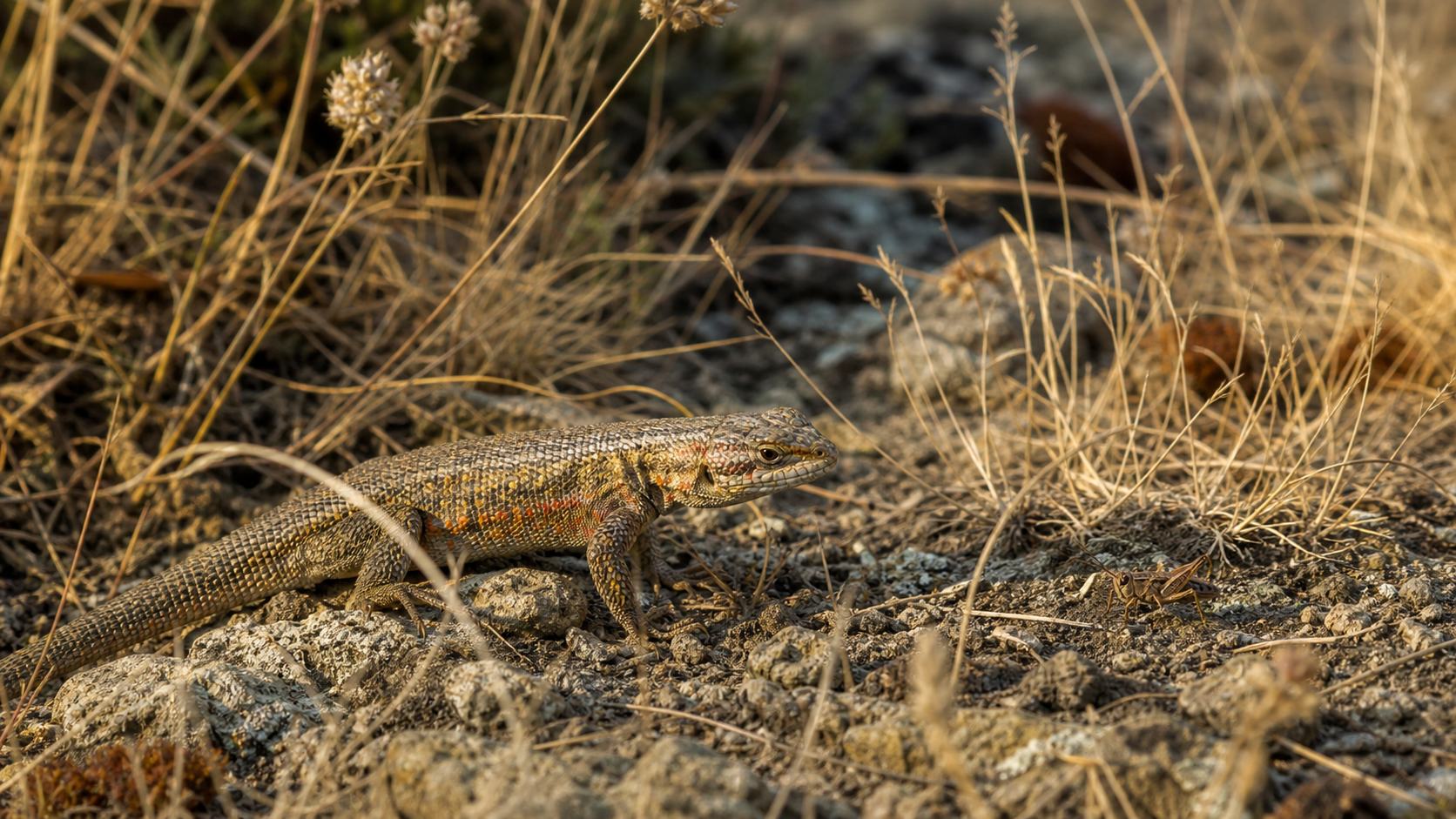
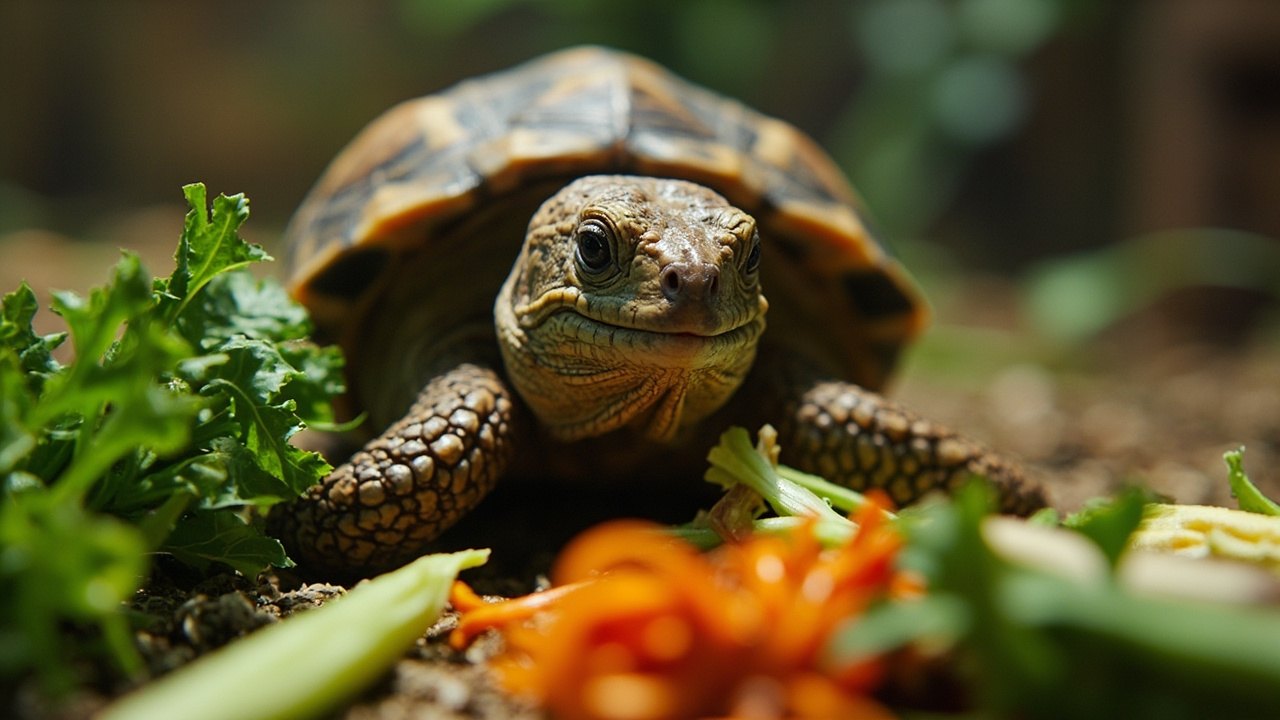
Captive care is not a calendar trend
Keepers should maintain a species-appropriate diet and husbandry plan rather than changing food because a human crop is in season. Any adjustment should be based on the animal’s natural history, body condition, temperatures and veterinary guidance. Persistent refusal to eat, weight loss or weakness deserves professional assessment.
Record useful context
Track weight, feeding, enclosure temperatures and seasonal changes in behavior. Good records can help separate normal variation from a potential husbandry or health problem.
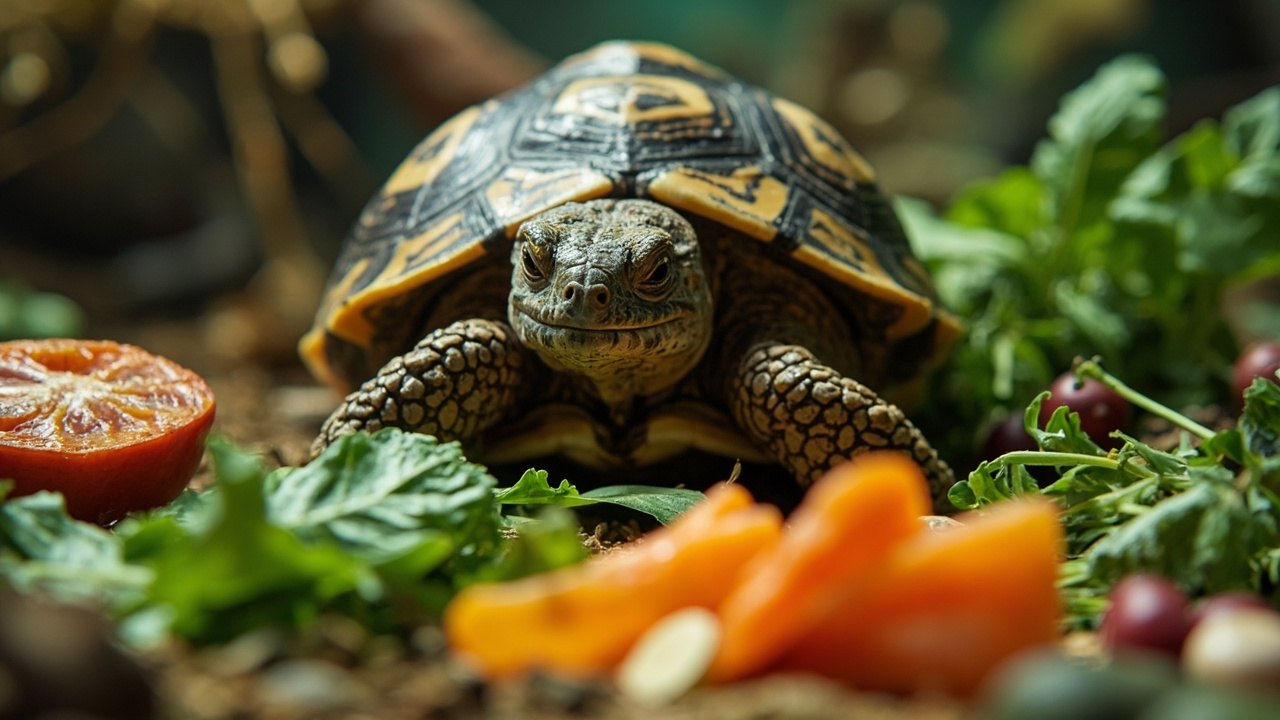
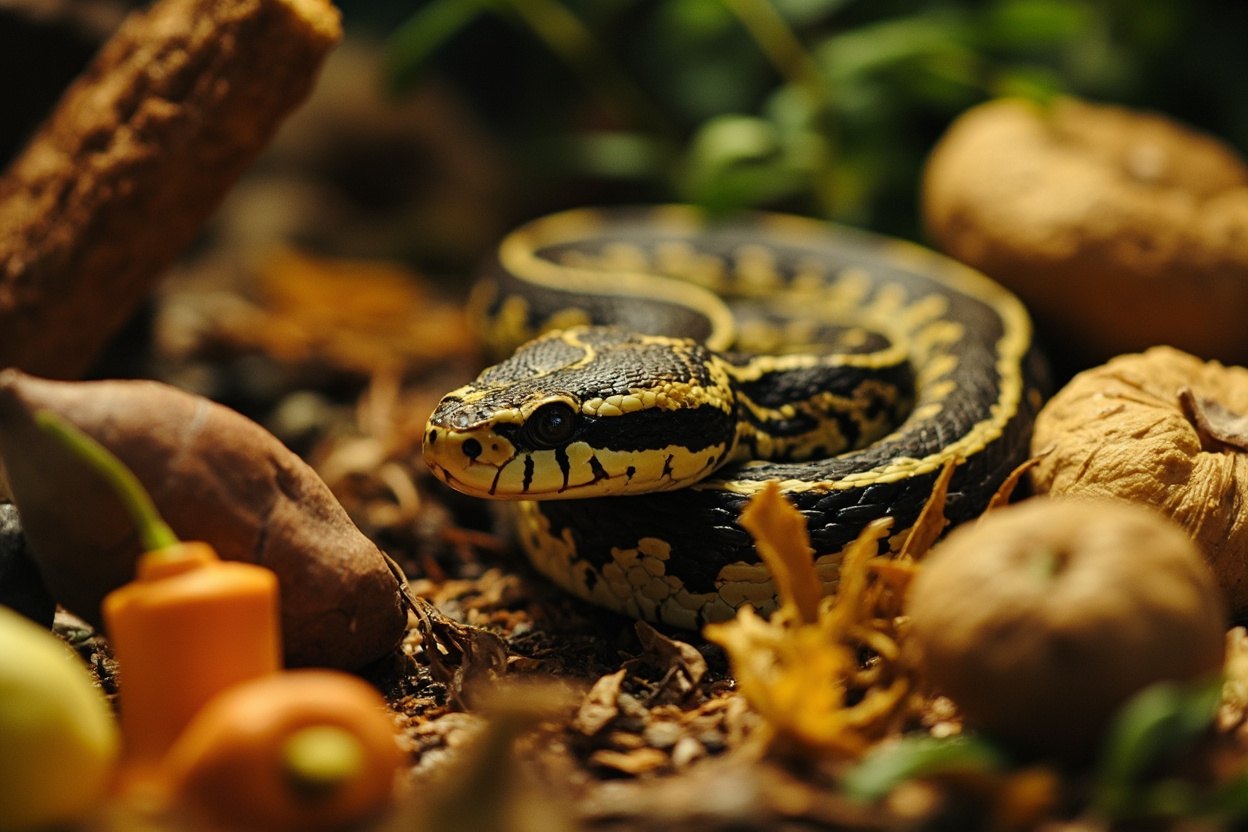
Protect natural food webs
Healthy habitat supports the prey and plants reptiles rely on. Conservation work should focus on habitat, water and local ecological relationships, not on a decorative seasonal diet chart.
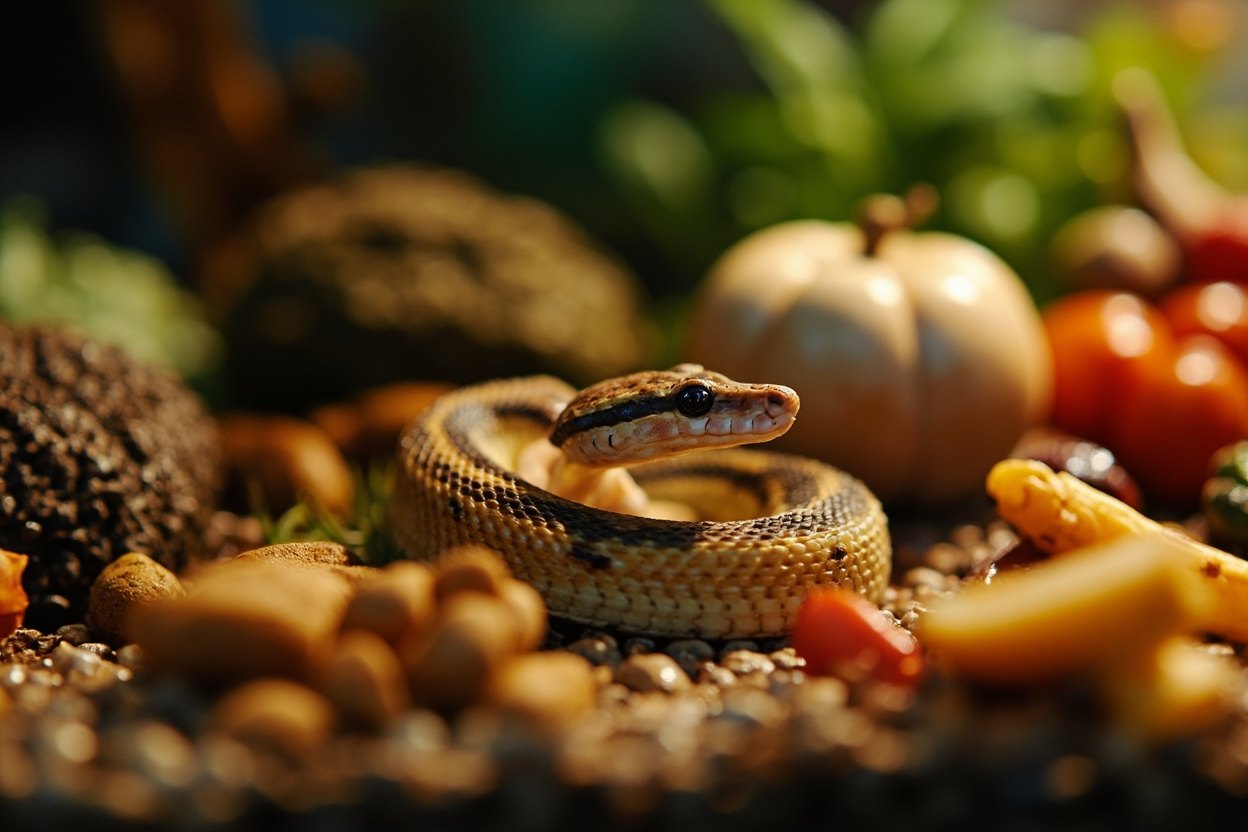
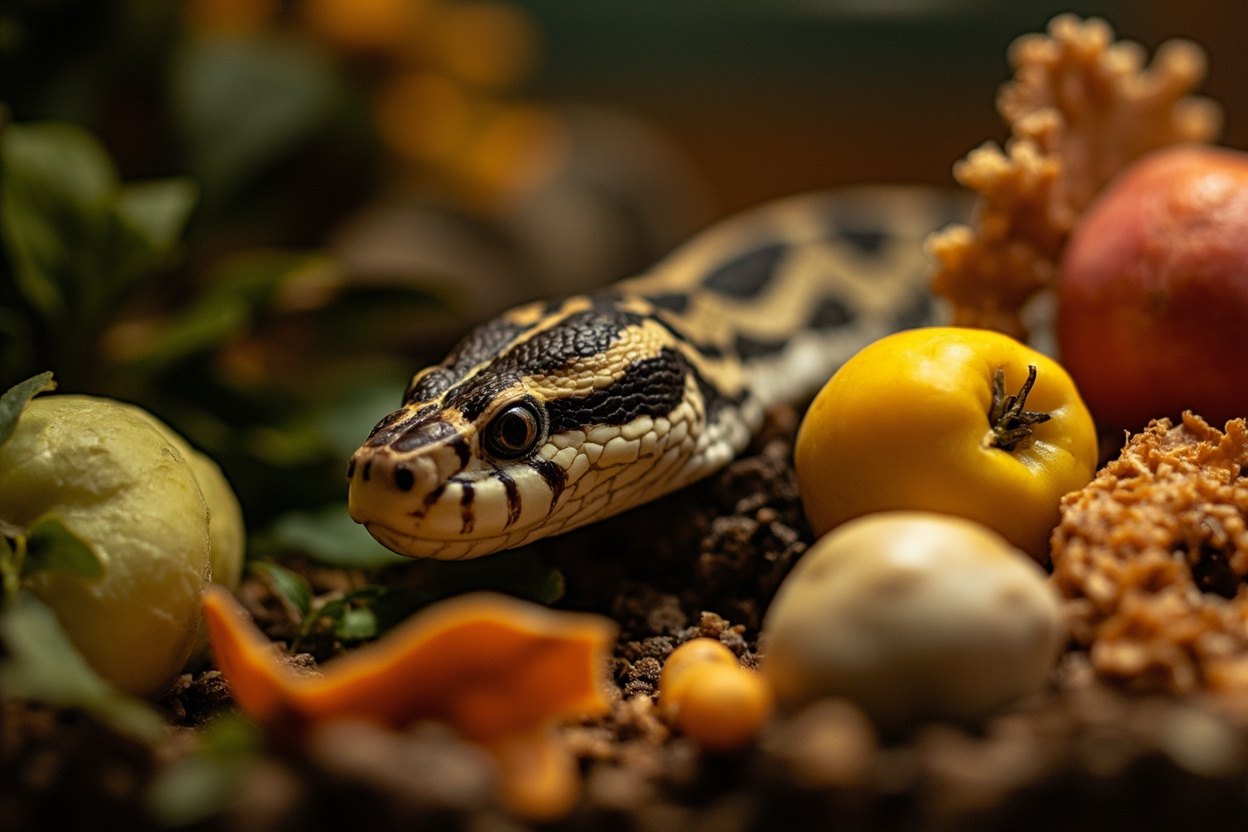
Wild Food Changes With Habitat Conditions
Rainfall can affect insects and plant growth, water levels can change access to fish or amphibians, and temperature can alter when reptiles can forage. The result is a local pattern of food availability, not a menu that transfers automatically to captive care. A species may also use different foods as it grows or moves between habitats.
Seasonal feeding changes need evidence from the population being described. A broad statement that reptiles always eat less in winter or switch food types in summer ignores tropical species, desert species and animals maintained under controlled captive conditions.
Captive Diet Should Remain Nutritionally Sound
Keepers should not change food simply because a human crop is in season or an internet calendar suggests a new phase. Appropriate diet, body condition, enclosure temperatures and health history are more useful guides. Any significant adjustment should be recorded and considered with a reptile-qualified veterinarian.
Food Webs Need Habitat Protection
Wild reptiles depend on prey, plants, water and cover that are all affected by habitat change. Protecting those relationships is more meaningful than treating seasonal diet as a decorative fact about a species.
Sources and review notes
Reviewed 23 August 2026. Care works best when it starts with the exact species in front of you. We checked this article against current veterinary husbandry guidance, but measured enclosure conditions and a reptile-experienced veterinarian should guide decisions for an individual animal.
Reference starting points: Merck Veterinary Manual: reptile management and husbandry, CDC: healthy handling around reptiles and amphibians, and The Reptile Database. Conservation status, taxonomy and local laws can change, so check the linked databases and the relevant local authority for current information.
Spotted something we should revisit? Send Reptile Explorer a correction—thoughtful reader feedback is always welcome.