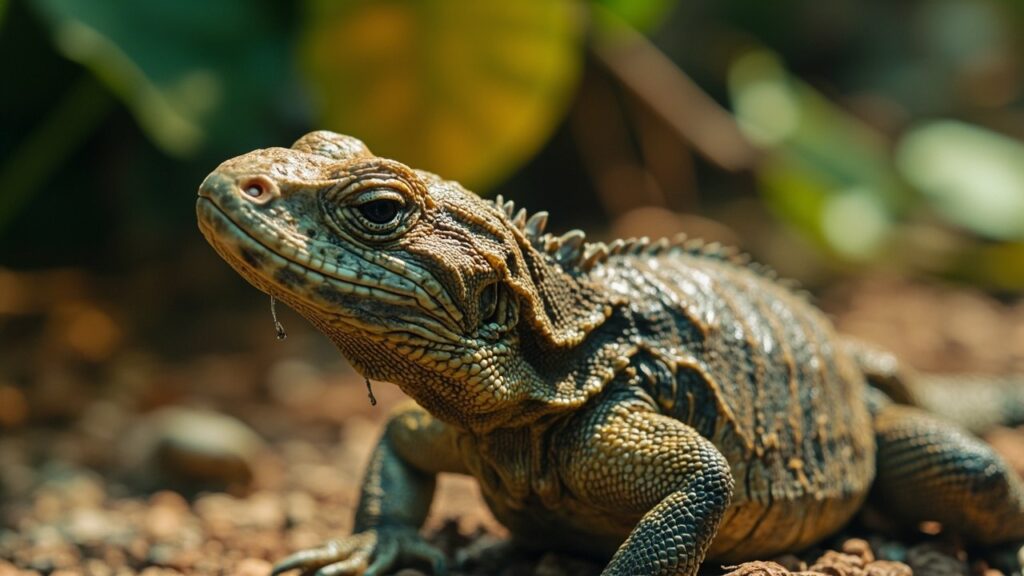
Pet reptiles benefit from an initial examination by a veterinarian experienced with reptiles and routine wellness checks thereafter. Many practices recommend at least annual visits, but the appropriate schedule depends on species, age, health history and husbandry. Reptiles do not receive routine vaccinations like dogs or cats.
What a wellness visit can cover
A veterinarian may assess body weight and condition, diet, housing, hydration and any concerns about stool, shedding, movement or breathing. Fecal testing or other diagnostics may be appropriate in context. Bring accurate notes on food, temperatures, lighting, humidity and recent changes rather than trying to diagnose a problem from one sign alone.

Use seasonal changes as a husbandry review
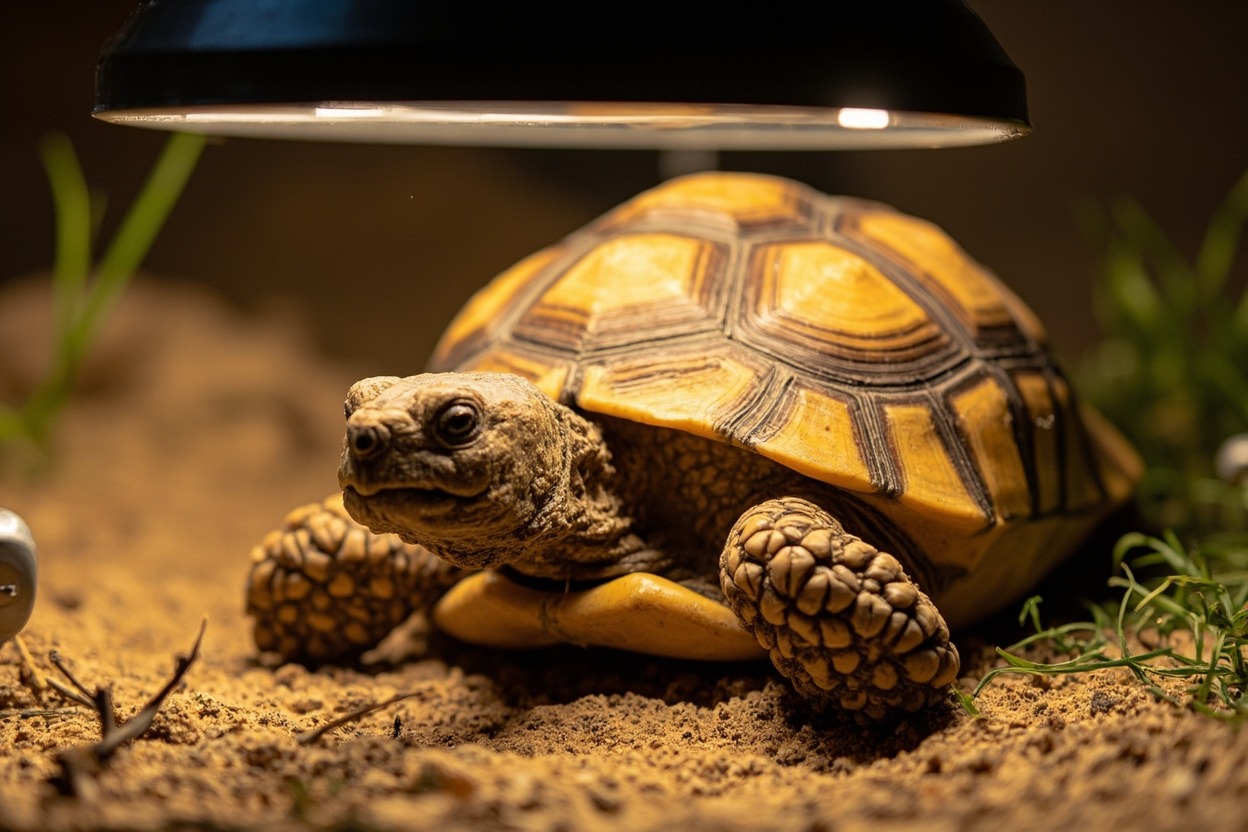
Changes in weather or household heating are a good reason to recheck the species-appropriate temperature gradient, lighting, hydration, enclosure security and diet. Brumation is not a universal procedure: species, age, condition and climate matter, so seek veterinary guidance before planning it.
Do not use human treatments
Human medicines, sunscreen, insect repellent and supplements can be dangerous or simply inappropriate for reptiles. Do not give medication or force-feed water without veterinary direction. Contact a reptile veterinarian when there are concerning changes in appetite, weight, posture, shedding, stool, breathing or appearance.
Keep useful records
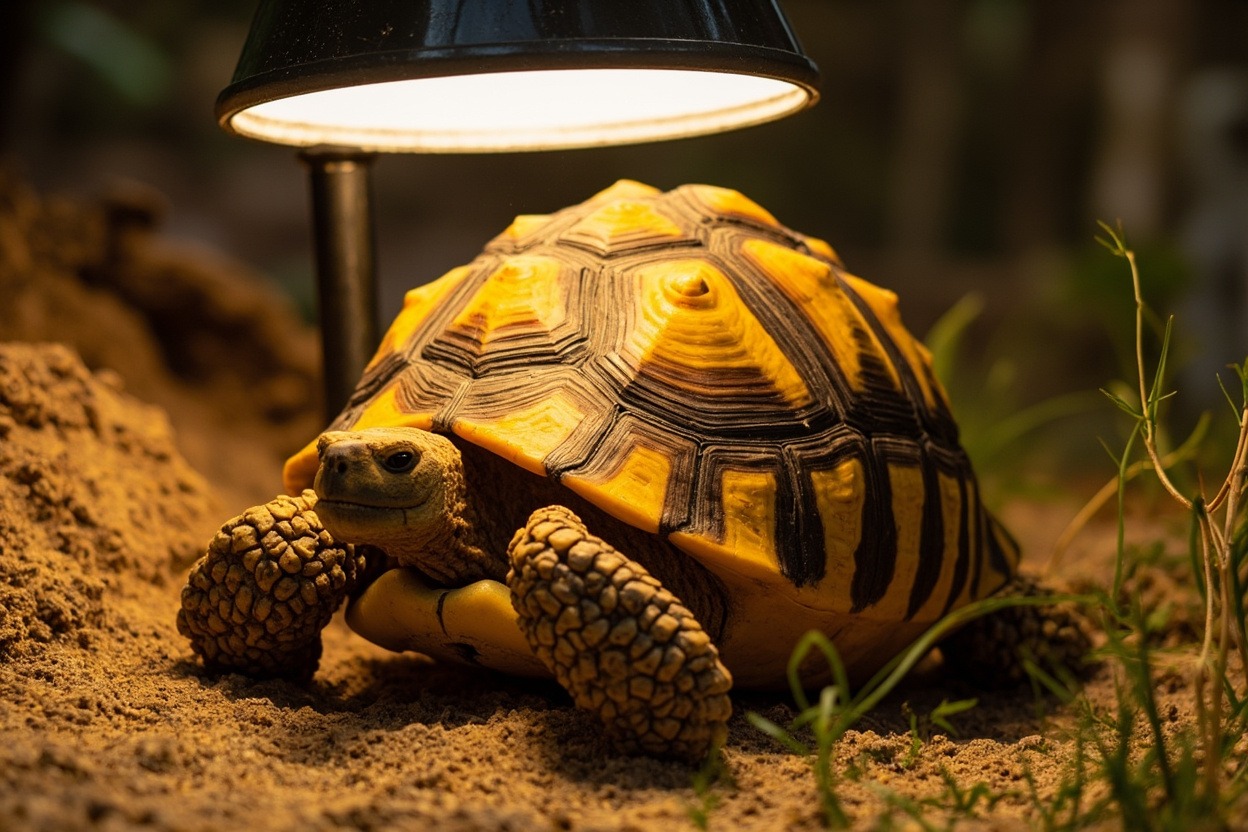
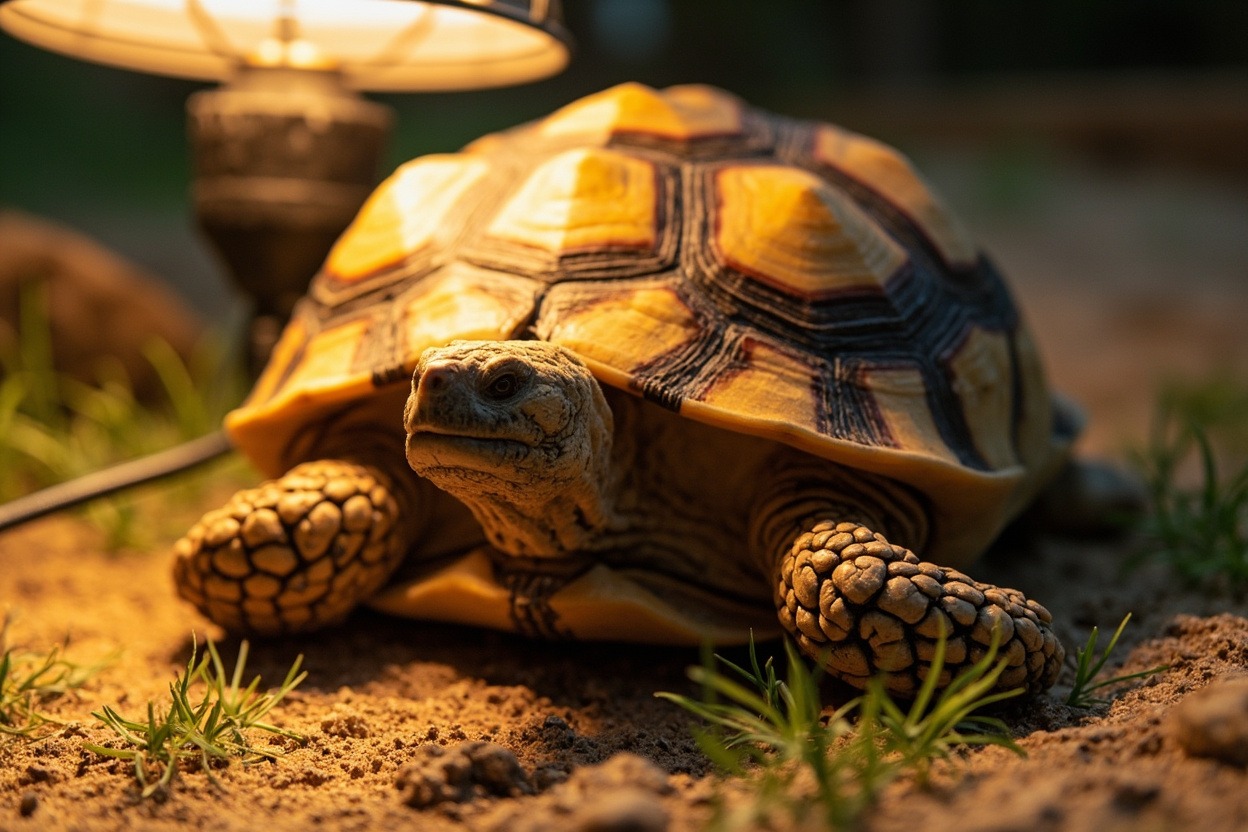
Regular weights, feeding records, shed notes and clear enclosure readings make subtle changes easier to spot and give a veterinarian better information. Good preventive care is species-specific and calm, not a checklist copied from human health advice.

Prepare Notes Before the Visit
A wellness appointment is more informative when the keeper brings recent weights, feeding dates, photographs of the enclosure and readings from the warm, cool and humid areas the animal uses. Note the exact lamp, heater and supplement products as well as any recent changes. These details can help a veterinarian identify a husbandry issue that is not obvious from a short description alone.
Make Changes in a Controlled Way
Seasonal adjustments should be planned around the species, not the date on a calendar. Changing lighting, temperature, diet and handling routines all at once makes it difficult to understand how an animal responds. If a reptile becomes weak, loses weight, struggles to shed or breathes abnormally, seek veterinary advice rather than waiting for a planned check-up.
Records Build a Useful Baseline
Regular notes make normal variation easier to distinguish from a developing concern. Record dates and units consistently, and keep previous veterinary findings with the animal’s care information. A baseline cannot diagnose disease by itself, but it gives the veterinary team a clearer starting point when something changes.
Sources and review notes
Reviewed 23 August 2026. Care works best when it starts with the exact species in front of you. We checked this article against current veterinary husbandry guidance, but measured enclosure conditions and a reptile-experienced veterinarian should guide decisions for an individual animal.
Reference starting points: Merck Veterinary Manual: reptile management and husbandry, CDC: healthy handling around reptiles and amphibians, and The Reptile Database. Conservation status, taxonomy and local laws can change, so check the linked databases and the relevant local authority for current information.
Spotted something we should revisit? Send Reptile Explorer a correction—thoughtful reader feedback is always welcome.