Light Is a Biological Signal
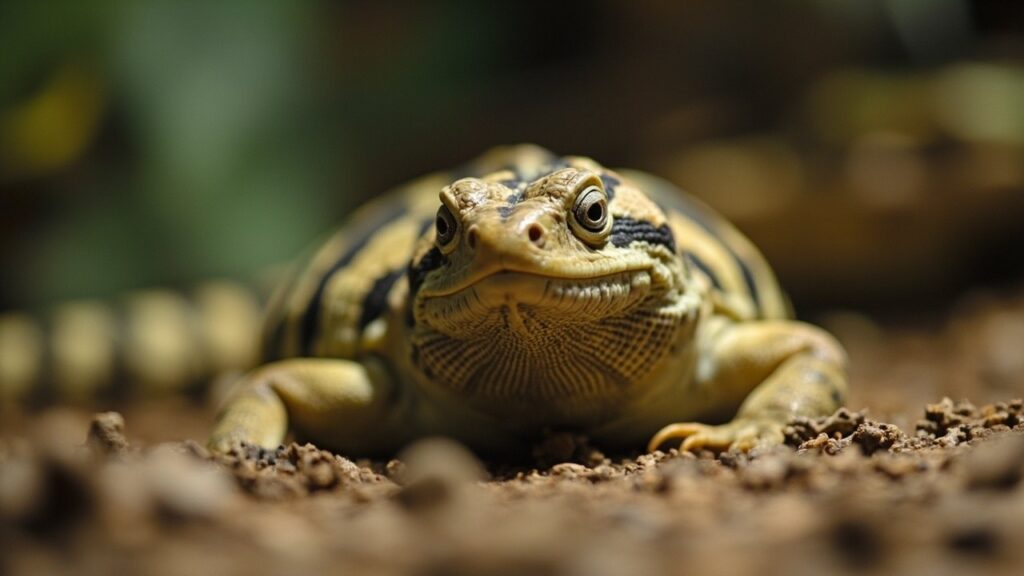
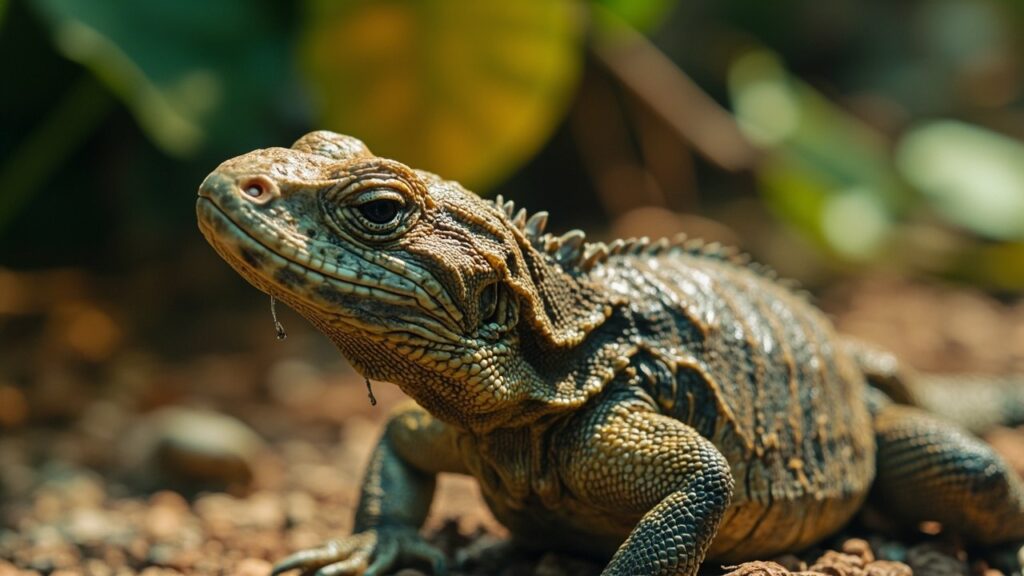
For reptiles, the daily cycle of light and darkness can influence activity, feeding, rest, and seasonal behaviour. A well-managed enclosure gives the animal a clear day-night rhythm instead of constant illumination or unpredictable lighting changes. Keeping the photoperiod consistent from day to day also makes it easier to notice a husbandry problem instead of mistaking a disrupted routine for normal seasonal behaviour.

Seasonal Change Is Species Specific
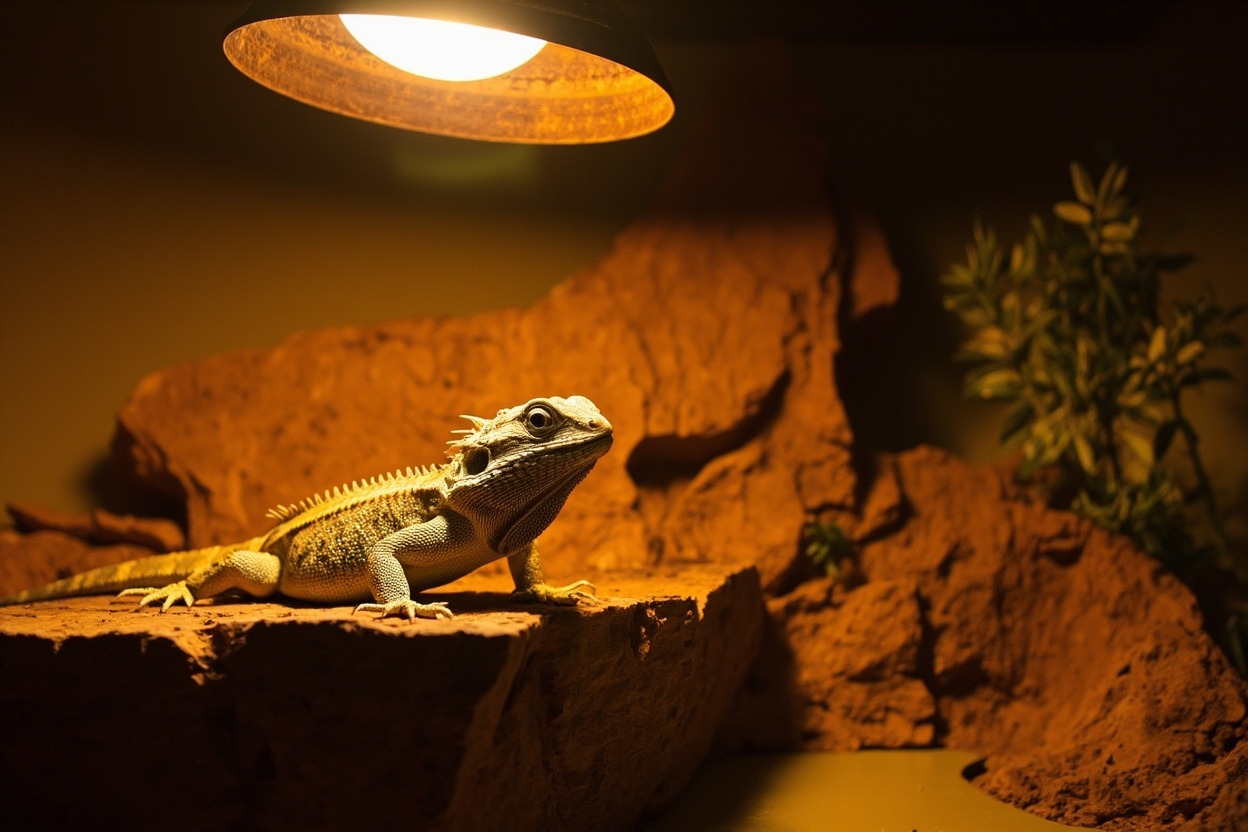
Day length, temperature, rainfall, and food availability vary across a reptile’s natural range. Some species experience meaningful seasonal shifts, while others do not. Seasonal changes should be based on reliable natural-history information rather than a generic calendar applied to every reptile. Room lighting, timer reliability, UVB equipment, and safe heat control should be checked separately, because changing one factor does not automatically correct the others.
Plan Changes Carefully
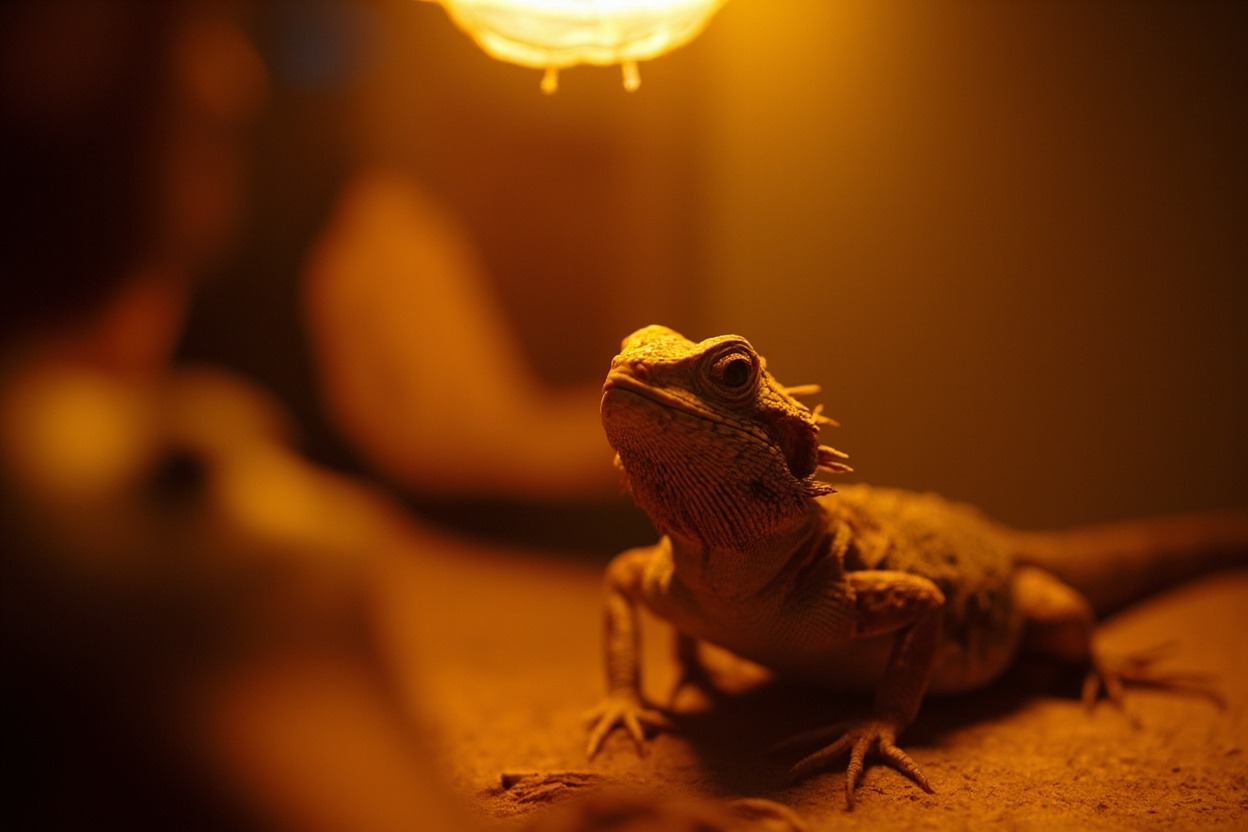
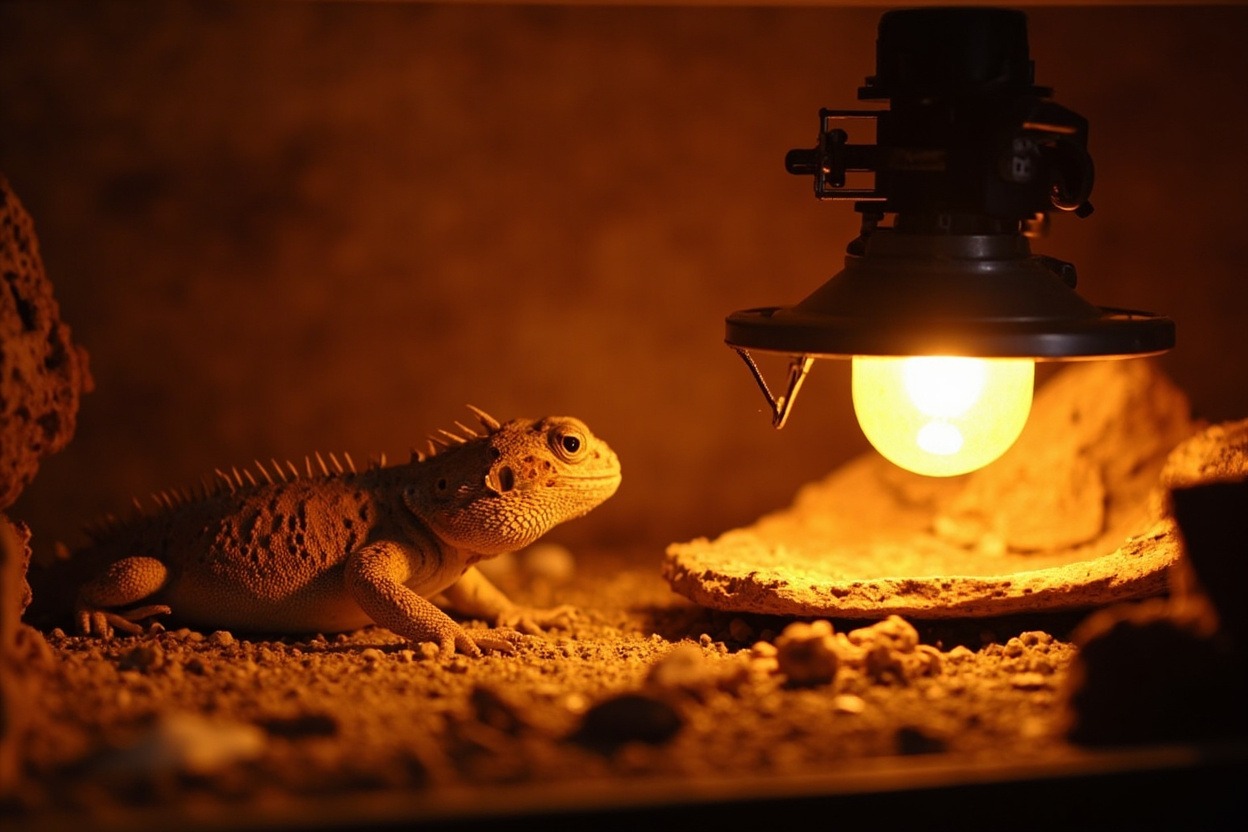
Lighting changes should be gradual, documented, and coordinated with temperature, nutrition, and the animal’s health. Breeding, brumation, or other seasonal management should be attempted only with species-specific guidance and veterinary support where appropriate. Keep a written record of the schedule, appetite, activity, and enclosure measurements so that any adjustment can be evaluated rather than guessed at.
Photoperiod, Heat and UVB Are Separate Variables
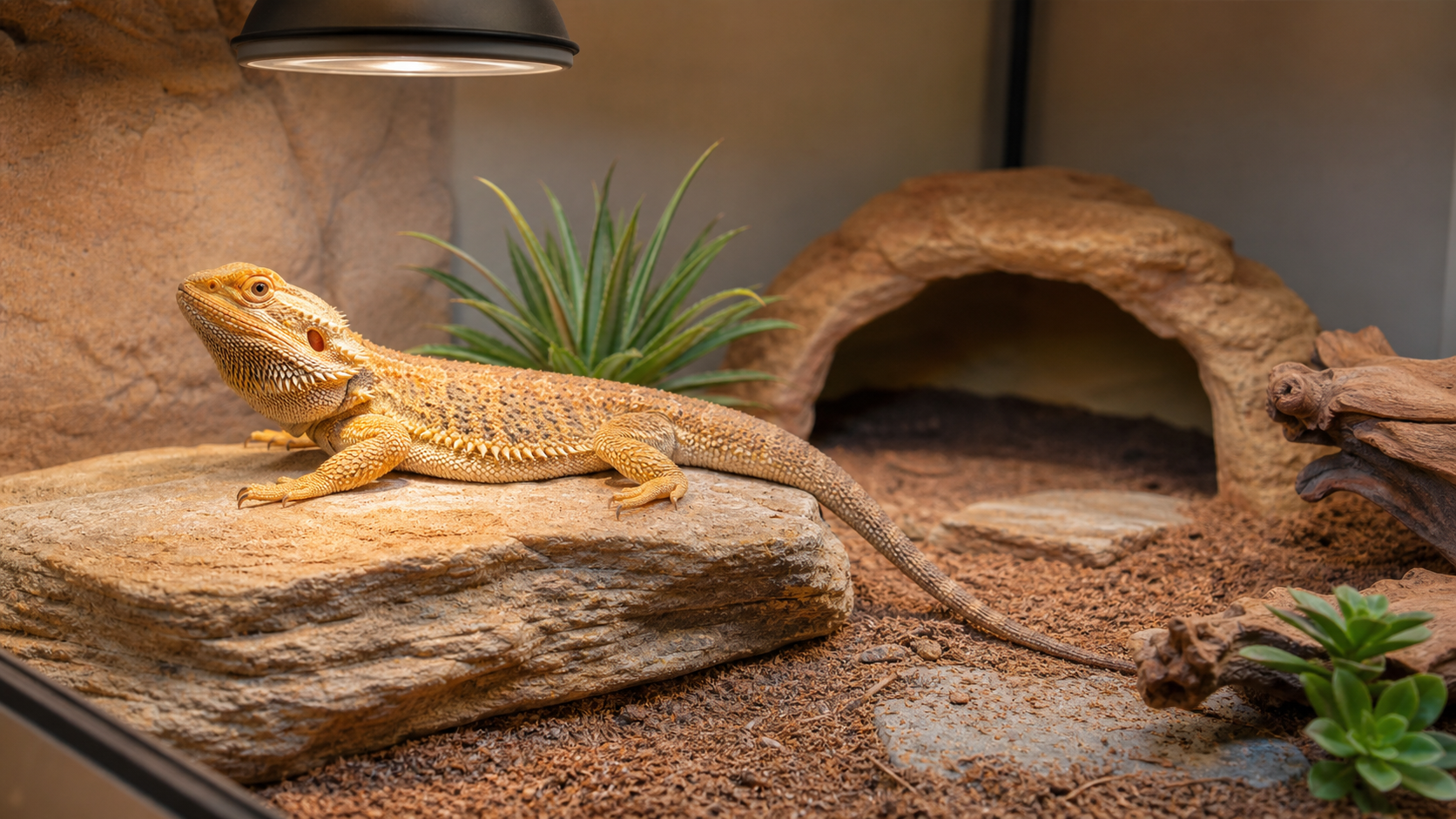
Day length is the duration of light and darkness. It is not the same as visible brightness, heat output or ultraviolet exposure. A timer can create a regular light cycle while a separate thermometer and suitable equipment confirm the thermal conditions. Changing one setting cannot show that the other conditions are correct.
Equipment also changes over time. Lamps, fixtures, reflectors, mesh barriers and distance from the animal can affect light reaching the usable area. Care information for the exact species should guide equipment selection, placement and replacement, rather than a general rule based on the enclosure’s appearance.
Dark Periods Matter
Constant light can disrupt rest and makes behaviour harder to interpret. Reptiles need a consistent period without unwanted illumination, including bright room lights or display lighting. A reliable timer and a written schedule make it easier to spot an accidental disruption.
Seasonal Changes Need a Reasoned Plan
Some species experience seasonal cues in the wild, while others do not. Any planned change should be gradual, recorded and linked to verified natural history, health and reproductive goals. If appetite, weight or behaviour changes unexpectedly, consult a reptile-qualified veterinarian rather than treating it as a normal response to lighting.
Sources and review notes
Reviewed 23 August 2026. Care works best when it starts with the exact species in front of you. We checked this article against current veterinary husbandry guidance, but measured enclosure conditions and a reptile-experienced veterinarian should guide decisions for an individual animal.
Reference starting points: Merck Veterinary Manual: reptile management and husbandry, CDC: healthy handling around reptiles and amphibians, and The Reptile Database. Conservation status, taxonomy and local laws can change, so check the linked databases and the relevant local authority for current information.
Spotted something we should revisit? Send Reptile Explorer a correction—thoughtful reader feedback is always welcome.