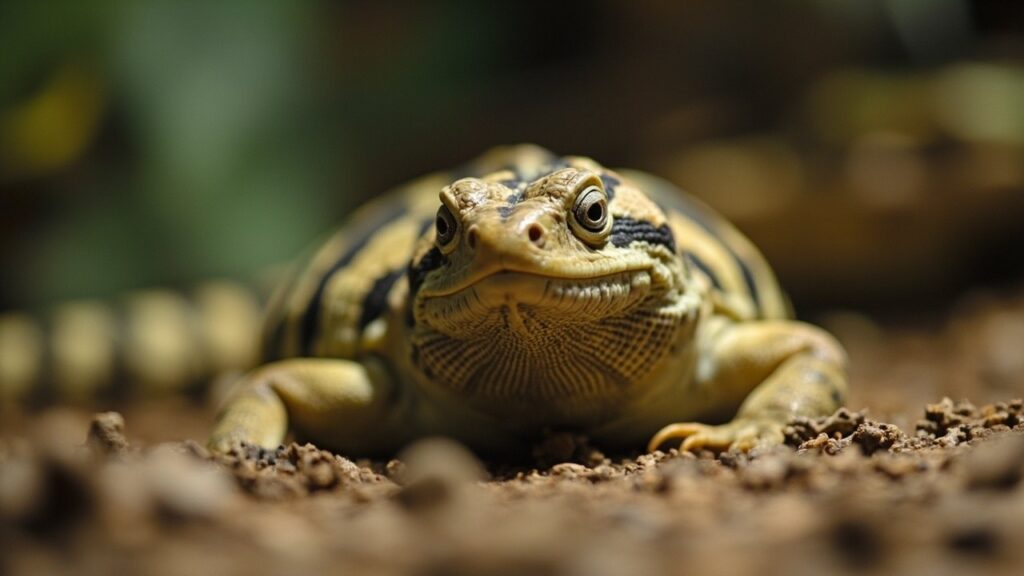
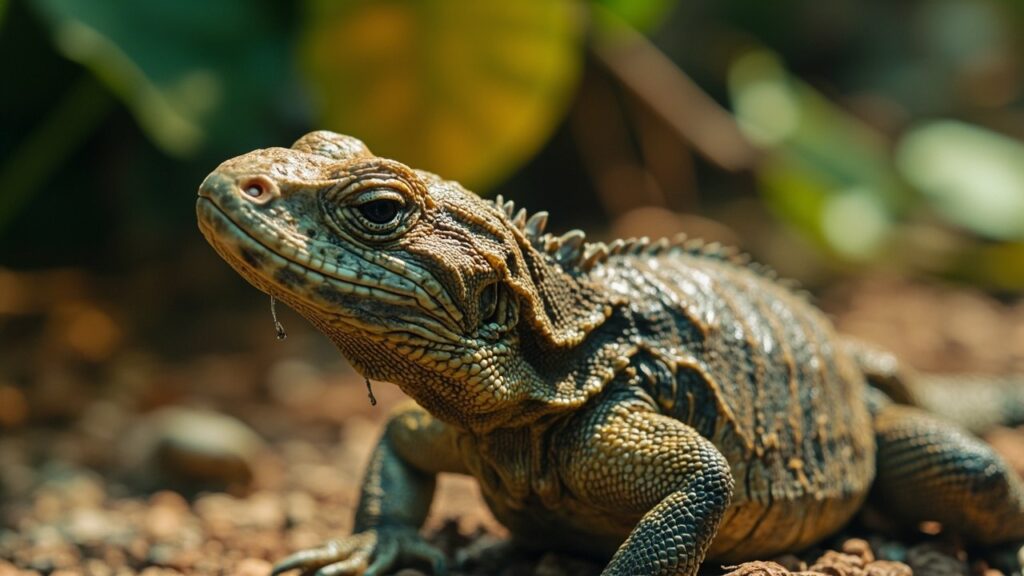
Breed reptiles only when the animals are healthy, legally held and supported by genuine species expertise. Before planning a pairing, arrange a reptile-veterinarian assessment, separate housing, reliable parentage records and a welfare plan for every possible offspring.
There is no universal breeding calendar
Temperature, light, rainfall, diet and brumation cues vary greatly by species. Never cool, brumate, cohouse or supplement animals using a generic guide. Species-appropriate heat, UVB where needed, humidity, diet and space must be stable before any breeding attempt.

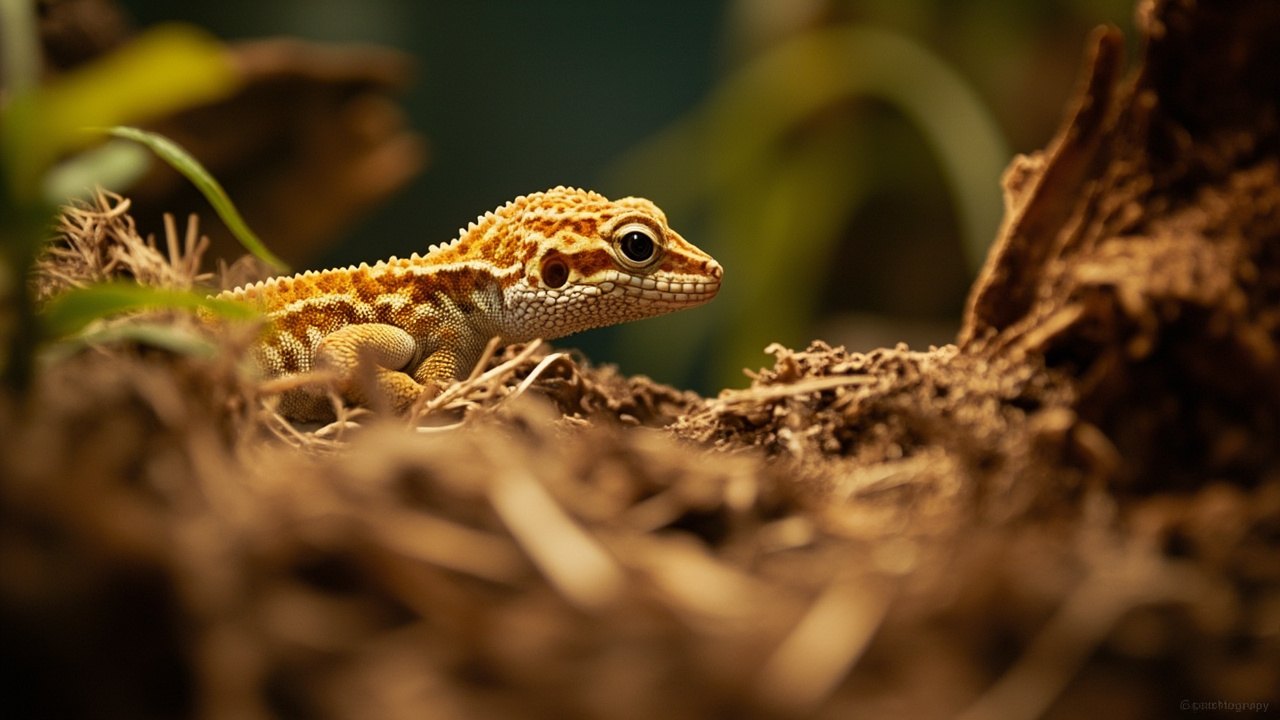
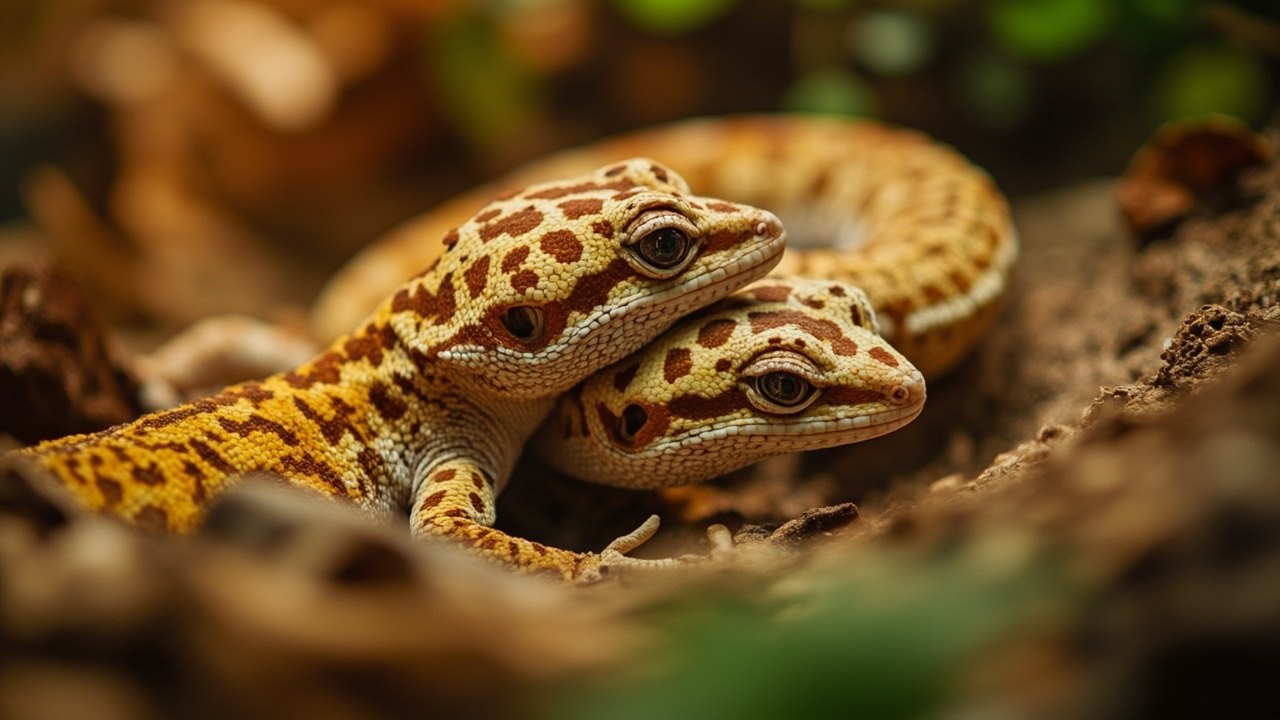
Monitor welfare, not just reproduction
Record weights, feeding, sheds, pairings, egg-laying or live birth and veterinary findings. Birds, livestock and mammals have different reproductive biology, so advice about estrus, poultry nests, routine vaccinations or livestock feed has no place in a reptile-care plan.
When to call a veterinarian
Persistent anorexia, prolonged straining, sudden weakness, swelling, prolapse or suspected retained eggs or young need urgent reptile-veterinary attention. Do not attempt home treatment for dystocia or force a breeding cycle because an online calendar says it is time.
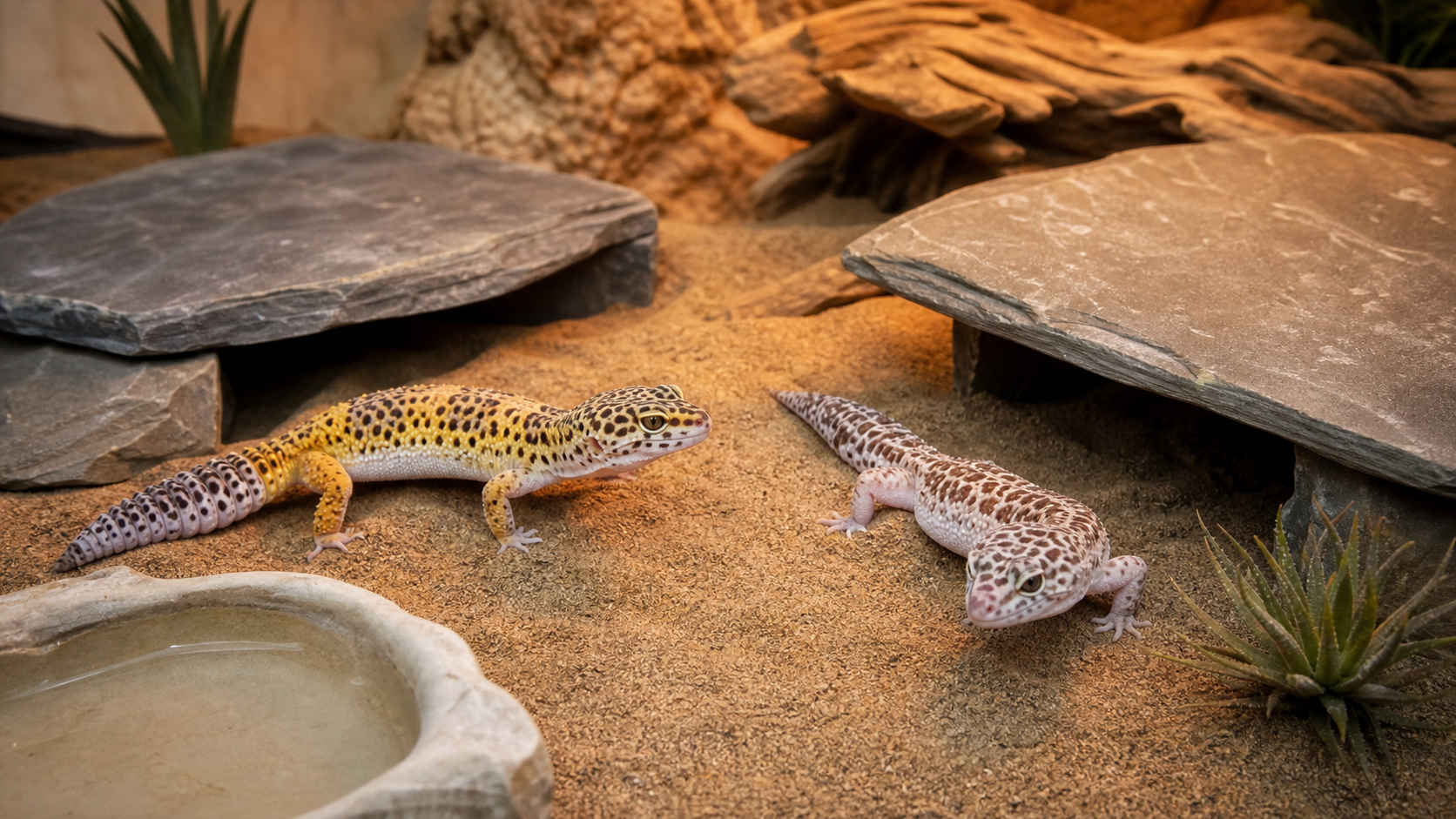
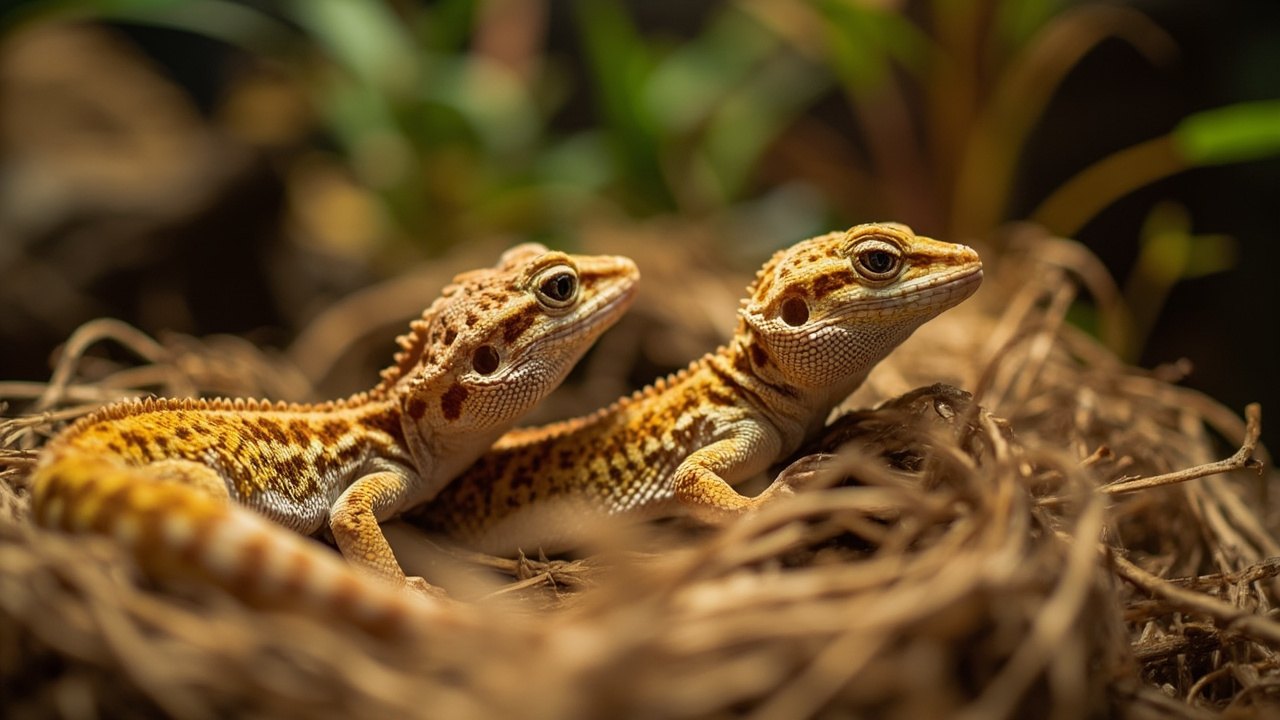
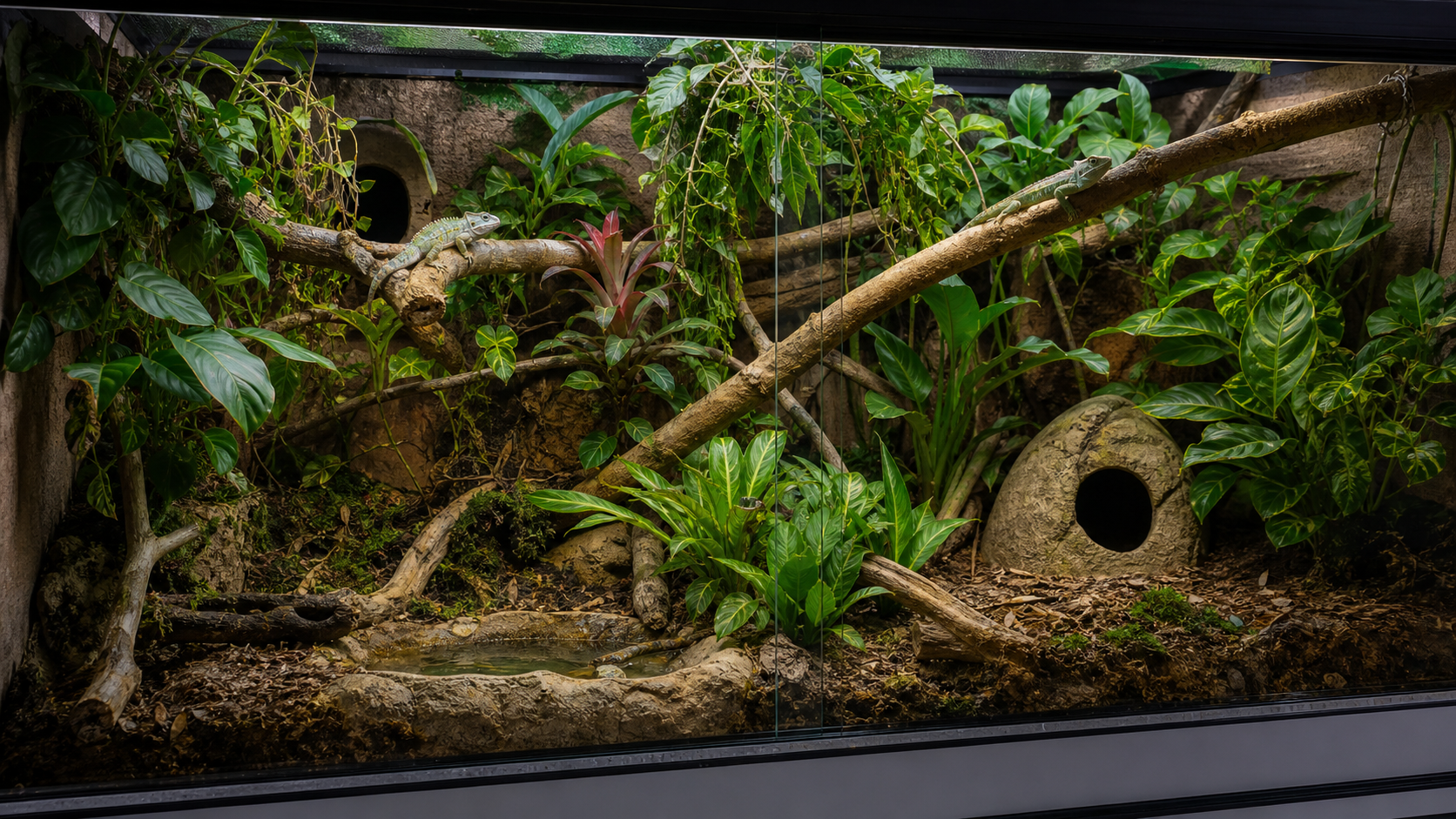
Ethics come first
Do not breed animals simply because they can reproduce. Responsible programs consider genetics, legal requirements, buyer screening, capacity for unexpected young and lifelong welfare.
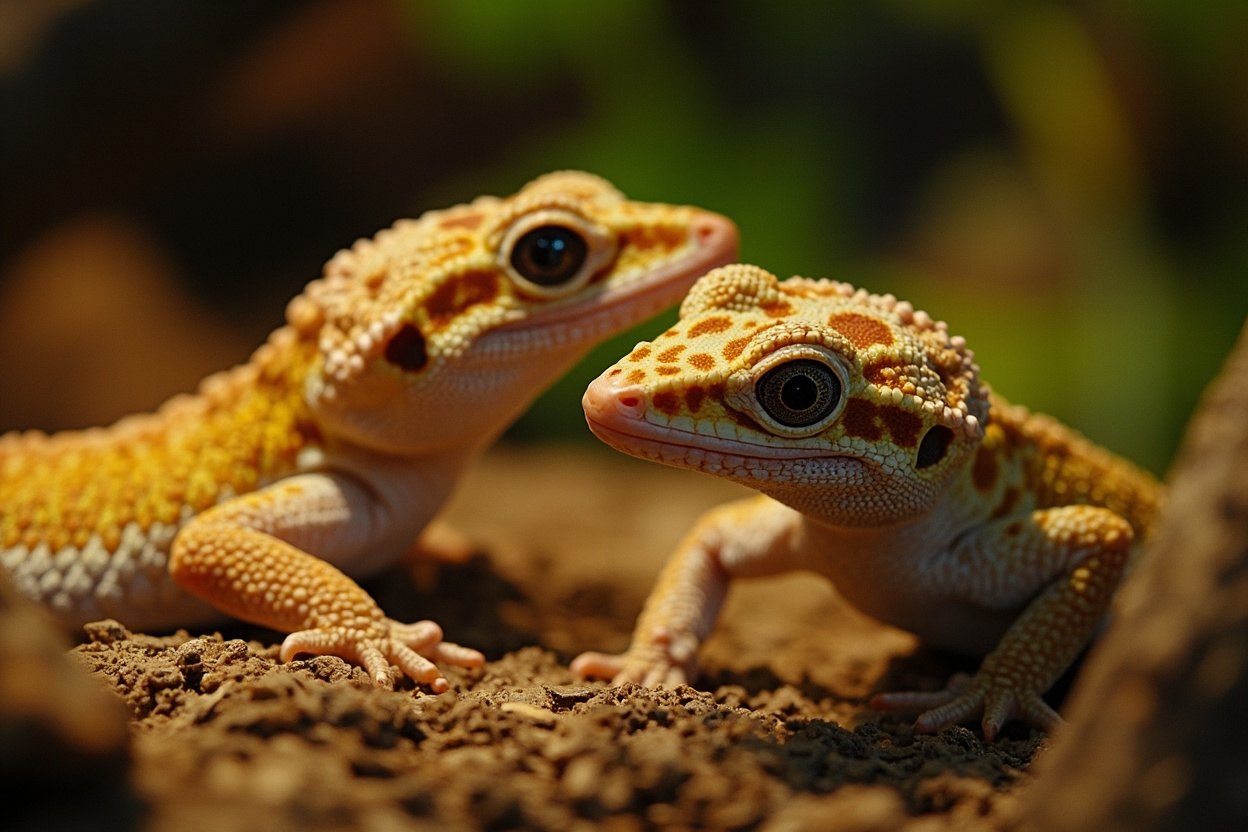
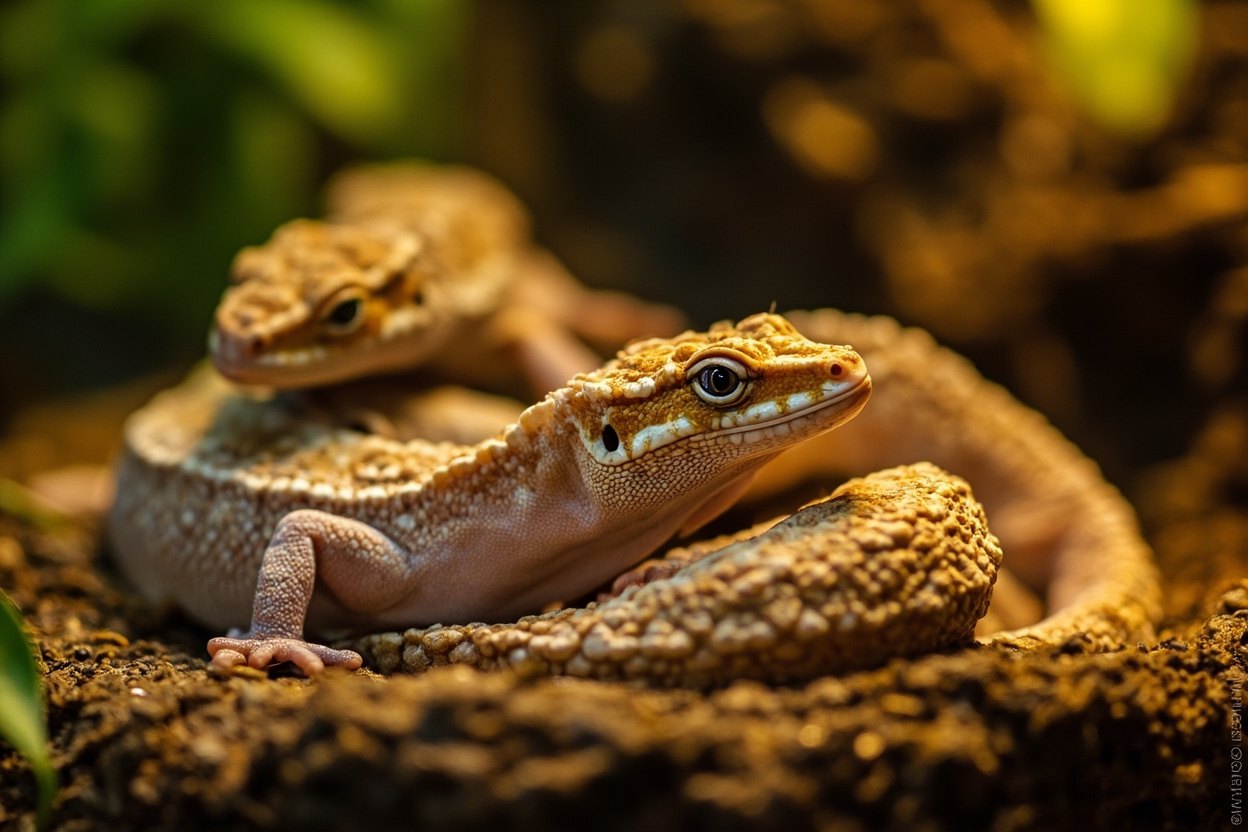
Breeding Starts With a Welfare Decision
A pair should not be bred simply because breeding is possible. Responsible planning considers the health and maturity of both animals, verified species identity, legal status, genetic records, space for separate housing and the ability to care for every young animal that might result. These preparations need to exist before pairing, not after eggs or young arrive.
Seasonal cues such as light, temperature and rainfall are meaningful only in the context of a species’ natural history. A generic cooling schedule can cause harm if it is applied to a reptile that does not use that pattern. Major changes should be planned with reliable species information and veterinary advice.
Pairings Need Close, Calm Monitoring
Reptiles may fight, avoid one another or suffer stress when housed together. Separate enclosures make it possible to protect each individual if a pairing is not safe. Hygiene, quarantine and health records also matter because breeding should not spread preventable disease between animals.
Offspring Are a Lifelong Responsibility
A breeding plan should include lawful placement, accurate records and suitable ongoing care for animals that are not sold or rehomed. Persistent straining, weakness, swelling, prolapse or a suspected retained egg requires urgent reptile-veterinary help rather than a home remedy.
Sources and review notes
Reviewed 23 August 2026. Care works best when it starts with the exact species in front of you. We checked this article against current veterinary husbandry guidance, but measured enclosure conditions and a reptile-experienced veterinarian should guide decisions for an individual animal.
Reference starting points: Merck Veterinary Manual: reptile management and husbandry, CDC: healthy handling around reptiles and amphibians, and The Reptile Database. Conservation status, taxonomy and local laws can change, so check the linked databases and the relevant local authority for current information.
Spotted something we should revisit? Send Reptile Explorer a correction—thoughtful reader feedback is always welcome.