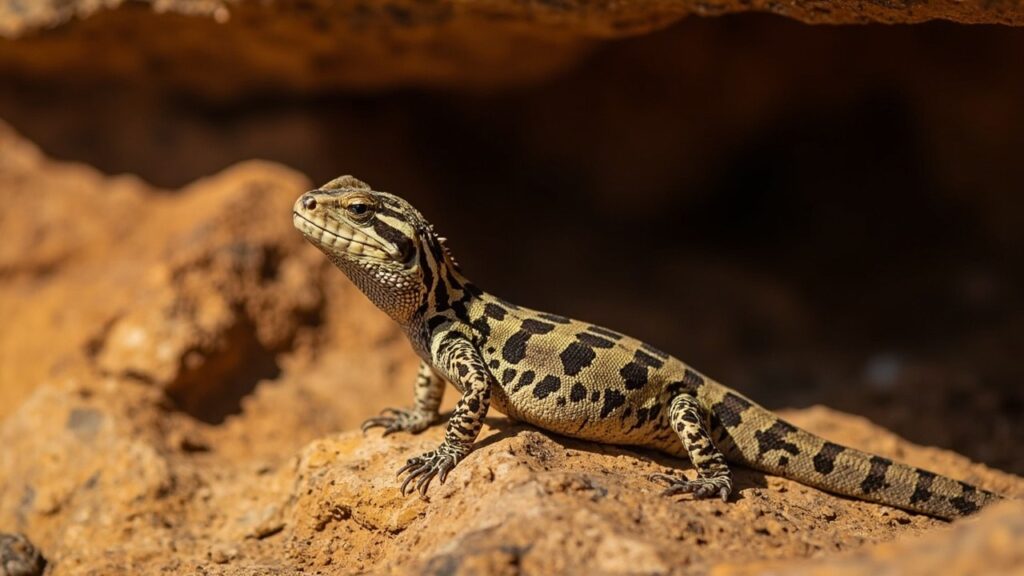
Signals depend on species and setting
Reptiles use visual, chemical, tactile, and acoustic cues, but the mix differs widely among groups. A head bob, dewlap display, tail movement, posture, or colour change may be used in courtship, territorial encounters, or conflict. The same movement can have a different meaning in another species, so a video clip alone rarely tells the whole social story.

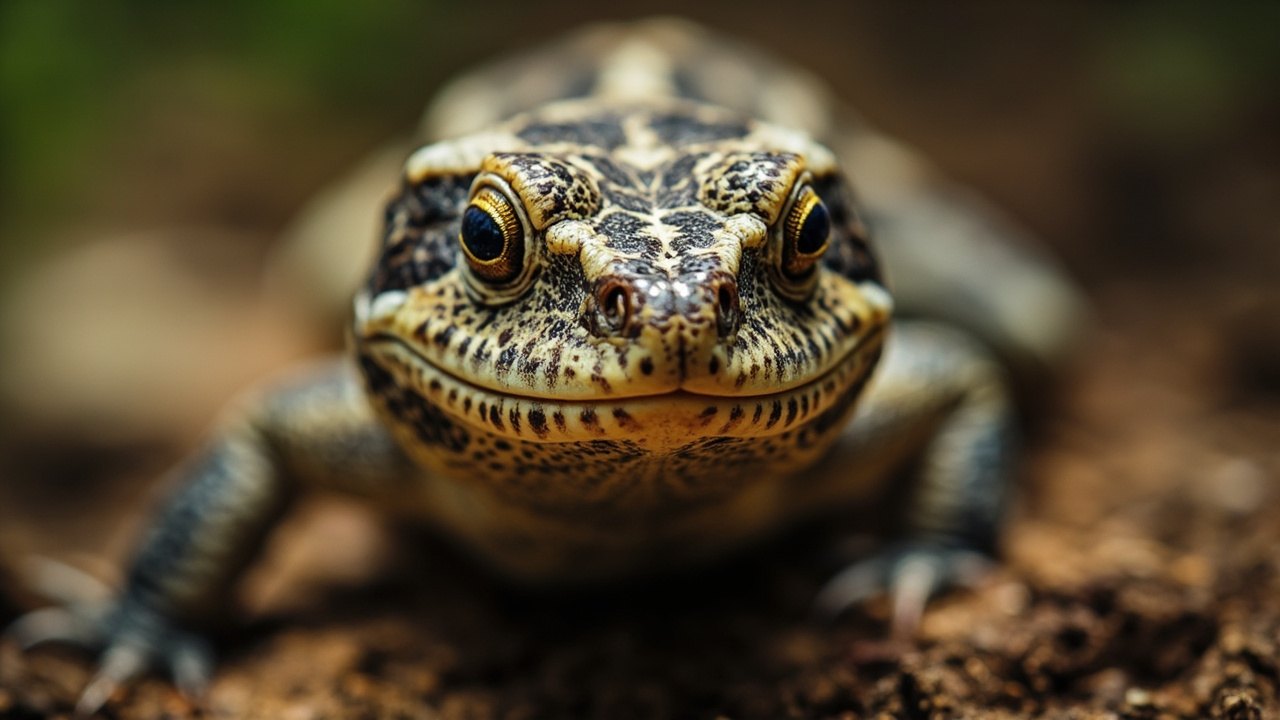
Chemical information is often important
Many snakes and lizards collect chemical particles with their tongues and process them with specialized sensory systems in the mouth. These cues can help an animal find food, recognize familiar places, locate mates, or assess another individual. Chemical communication is less visible than a bright display, but it can be central to how some reptiles move through their environment.
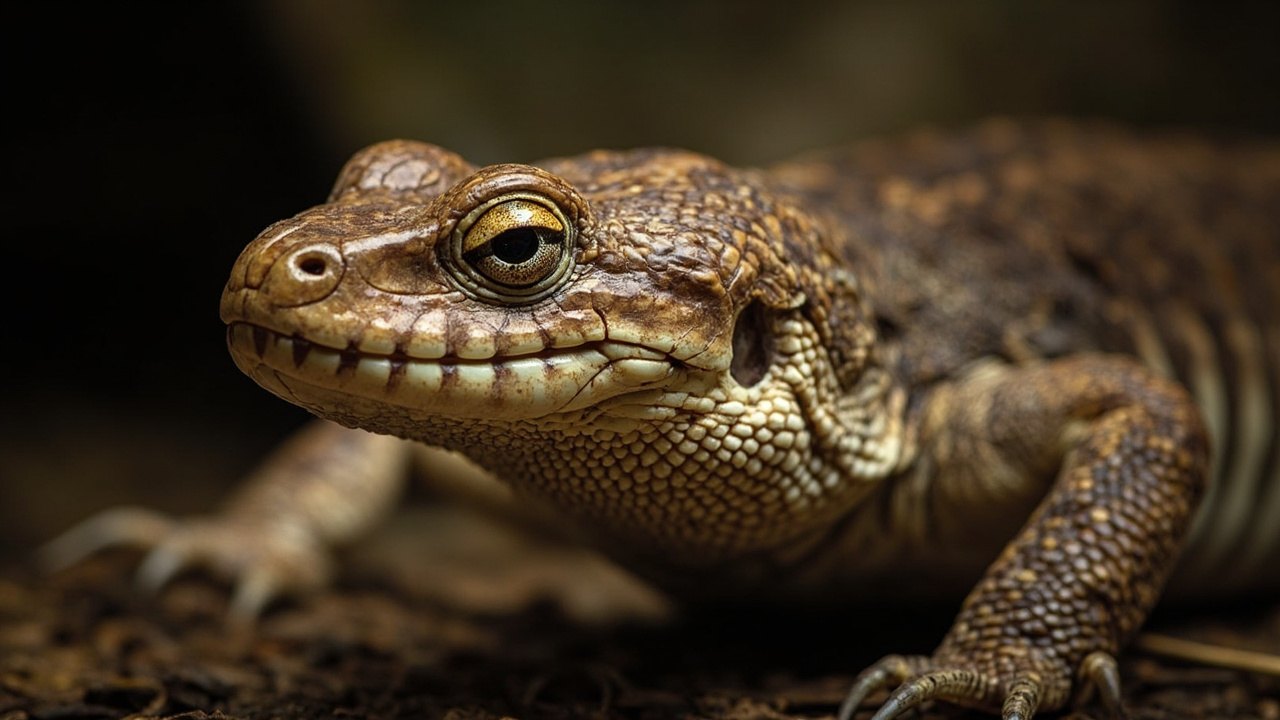
Some reptiles also make and use sound
Crocodilians produce a range of vocal and non-vocal sounds in social contexts, and many geckos vocalize. Turtles, lizards, and snakes can also respond to vibration or touch. Communication does not make reptiles miniature versions of people or mammals. It shows that social behaviour is worth studying in the context of each species, its senses, and the habitat where the signal is used.
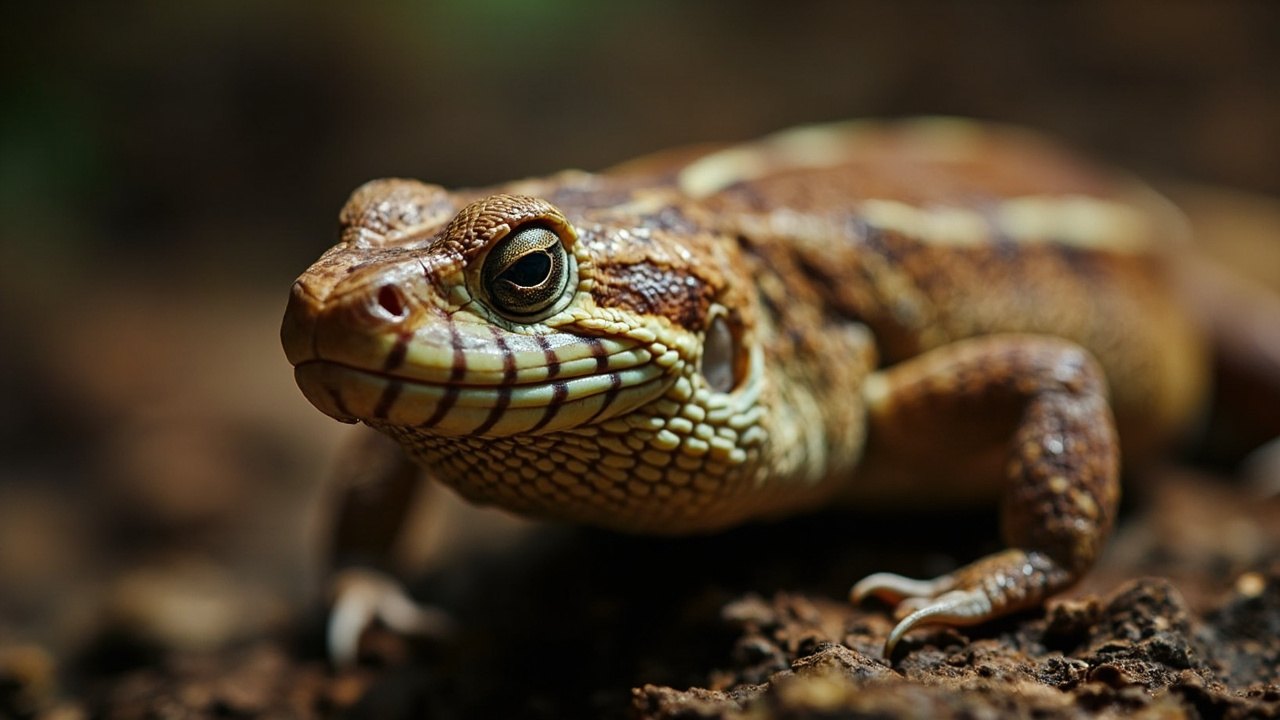
A Signal Requires a Receiver and Context
A display becomes communication when it affects or can be interpreted by another animal. A dewlap, head bob, scent trail or vocalisation may be linked to courtship, territory, warning or social spacing. The same visible action can mean something different when the receiver, season or setting changes, which is why a short video rarely explains the entire interaction.
Chemical cues can persist after an animal has left an area, while visual signals depend on light and line of sight. Vibration can travel through ground, branches or water. Each channel has limits, and reptiles may combine them instead of relying on one signal alone.
Do Not Turn Communication Into a Performance
Playing calls, placing mirrors, waving objects or repeatedly handling an animal can alter normal behaviour. These actions may cause stress and do not produce reliable evidence about what a reptile communicates. Quiet observation from a distance is more respectful and more likely to show natural behaviour.
Captive Behaviour Is Useful Information
Changes in display, hiding, feeding or use of space can signal a problem with social conditions, enclosure layout or health. The response should be a review of the animal’s needs, not an attempt to make it interact more with people.
Sources and review notes
Reviewed 23 August 2026. Reptile biology is wonderfully variable. We have avoided turning one species, photograph or dramatic observation into a rule for an entire group, and we have used cautious wording where evidence or local conditions differ.
Reference starting points: The Reptile Database, The IUCN Red List of Threatened Species, and PubMed-indexed research. Conservation status, taxonomy and local laws can change, so check the linked databases and the relevant local authority for current information.
Spotted something we should revisit? Send Reptile Explorer a correction—thoughtful reader feedback is always welcome.