
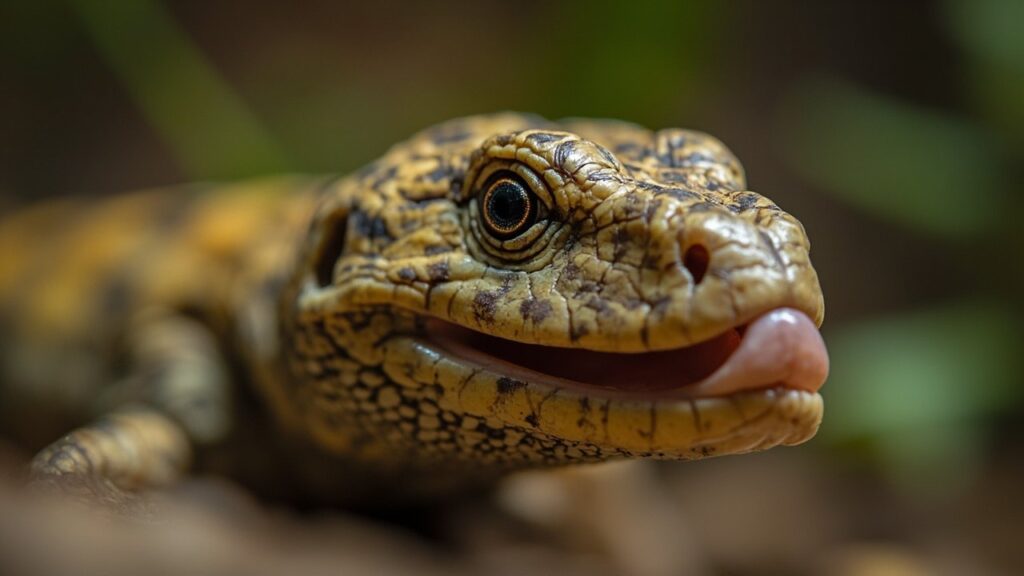
Behavioural Adaptations in Reptiles
Basking, camouflage, escape, feeding and social behaviour can improve survival or reproduction, but their value depends on context.
Basking, camouflage, escape, feeding and social behaviour can improve survival or reproduction, but their value depends on context.
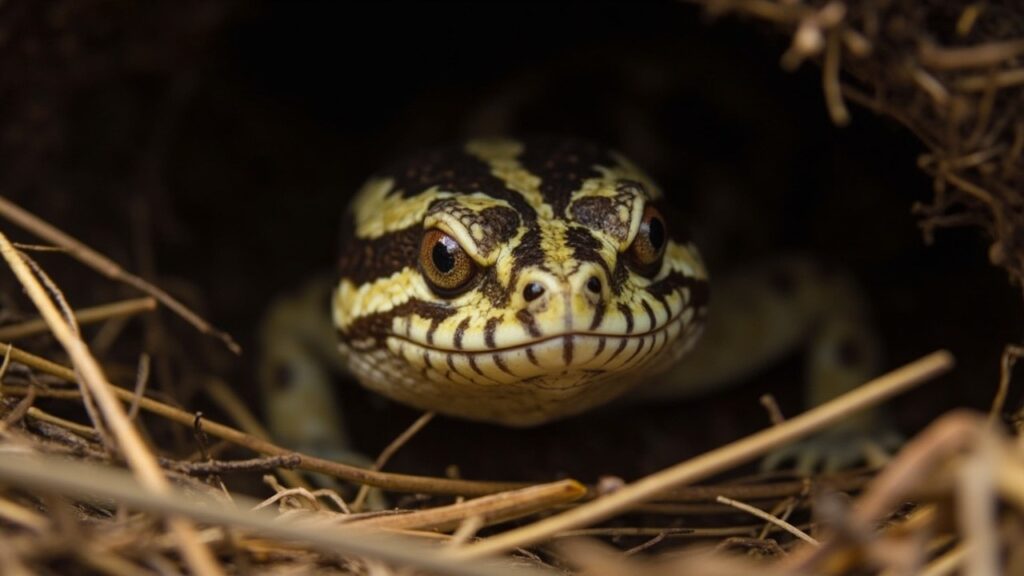
Brumation and aestivation are forms of reduced activity linked to seasonal cold, heat or drought. Timing and depth vary by species, population and local conditions.
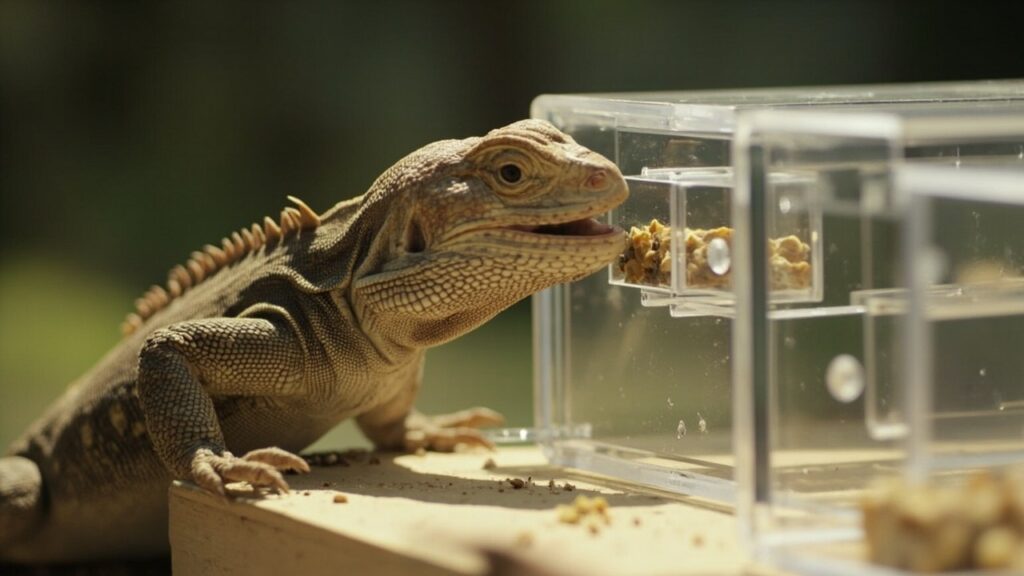
Studies document learning and memory in several reptile species, but performance varies with task, temperature, motivation and study design.
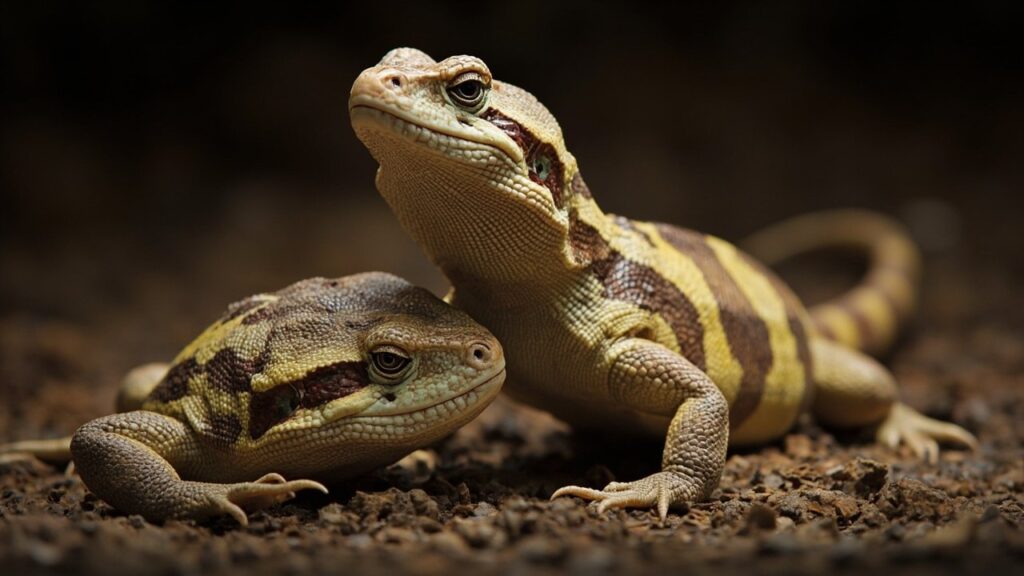
Reptile social behaviour ranges from brief breeding encounters to communal nesting, parental care and longer family associations. Grouping in the wild does not automatically justify shared captive housing.
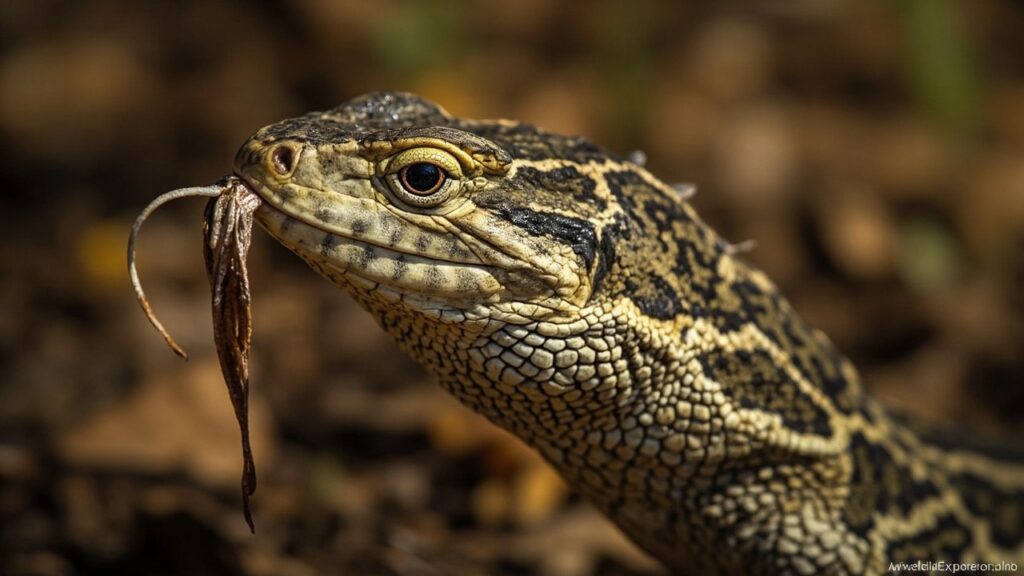
Reptiles act as both predators and prey. Camouflage, ambush, venom, constriction, escape and tail loss are among the strategies shaped by habitat and body size.
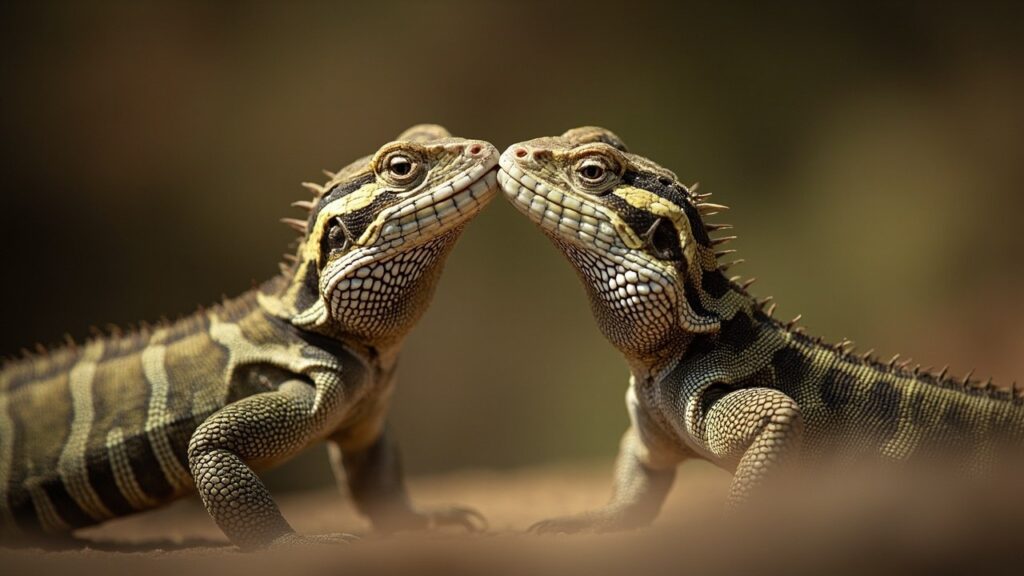
Reptile courtship can involve chemical signals, colour, posture, movement and sound. Timing and meaning vary by species, season and local conditions.
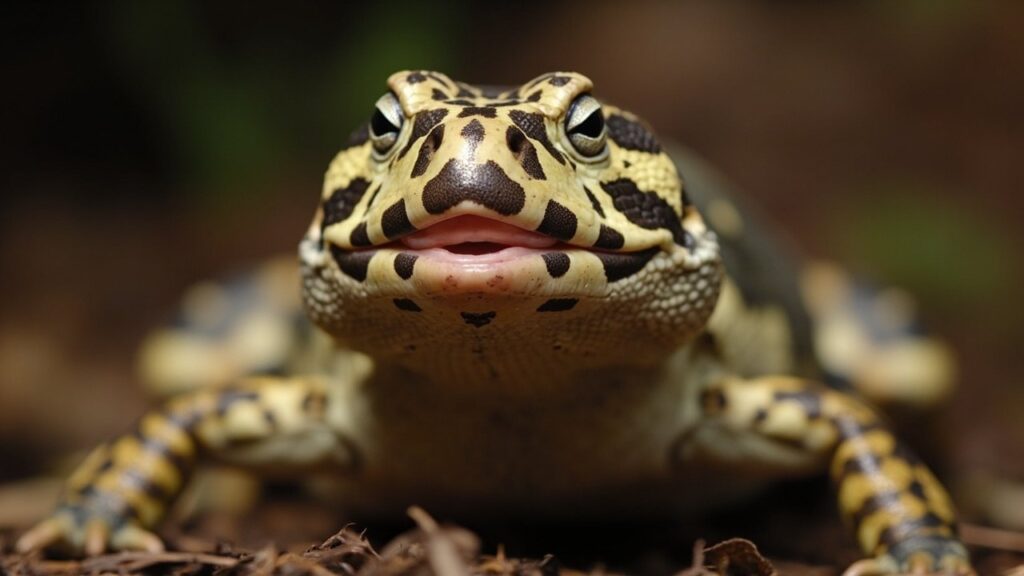
Territories are areas that animals actively defend, and not all reptiles are territorial. Displays such as head bobs, posture and scent marking can reduce the need for physical conflict.
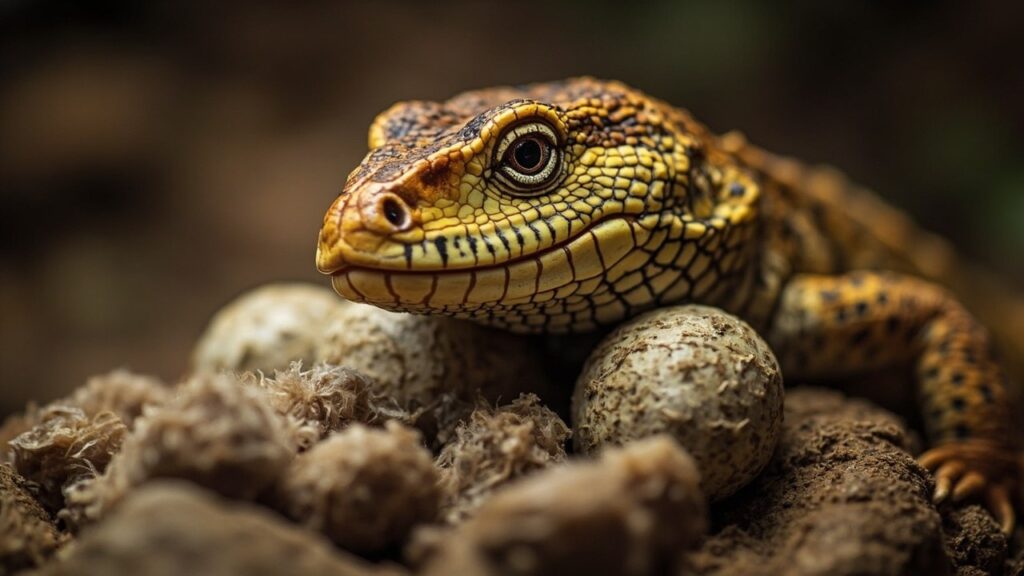
Parental care in reptiles ranges from nest-site selection to egg guarding, brooding and carrying hatchlings. These behaviours vary widely among species and lineages.
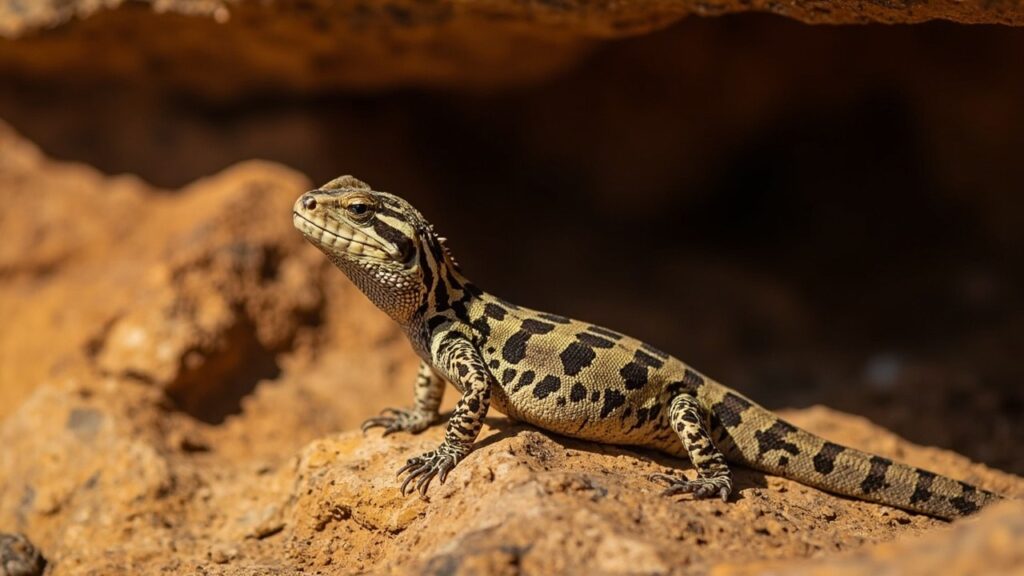
Reptiles regulate body temperature through basking, shade, posture, burrows and activity timing. Available options vary by habitat and species.
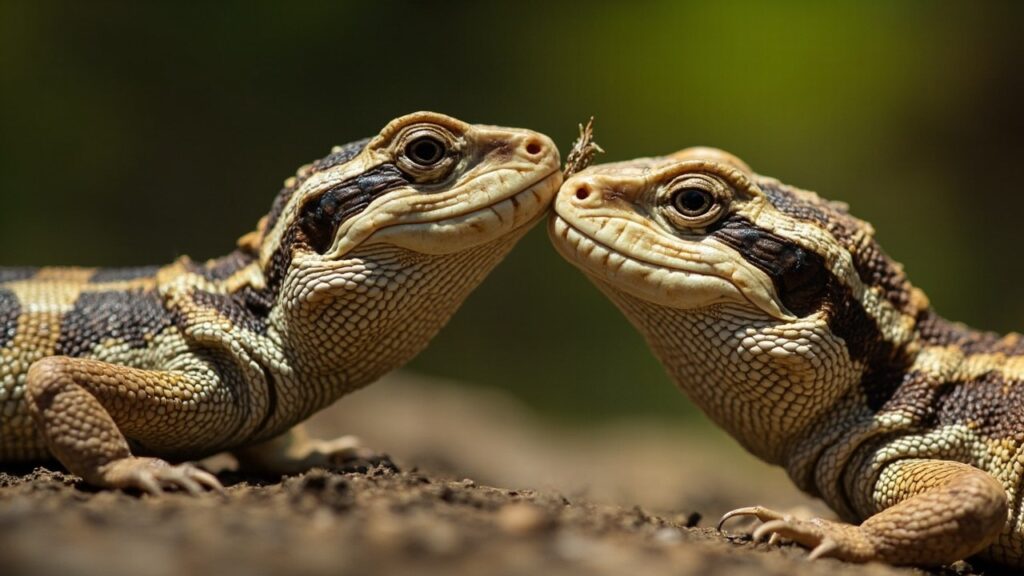
Reptiles communicate through visual displays, scent, touch, sound and vibration. The signals and their functions differ widely among species.