Reptiles are predators and prey
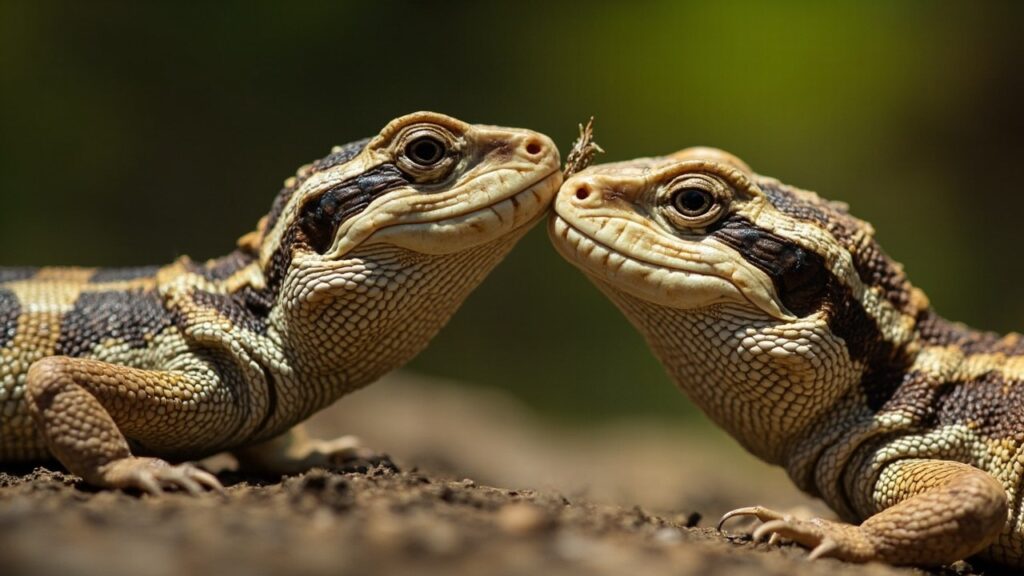
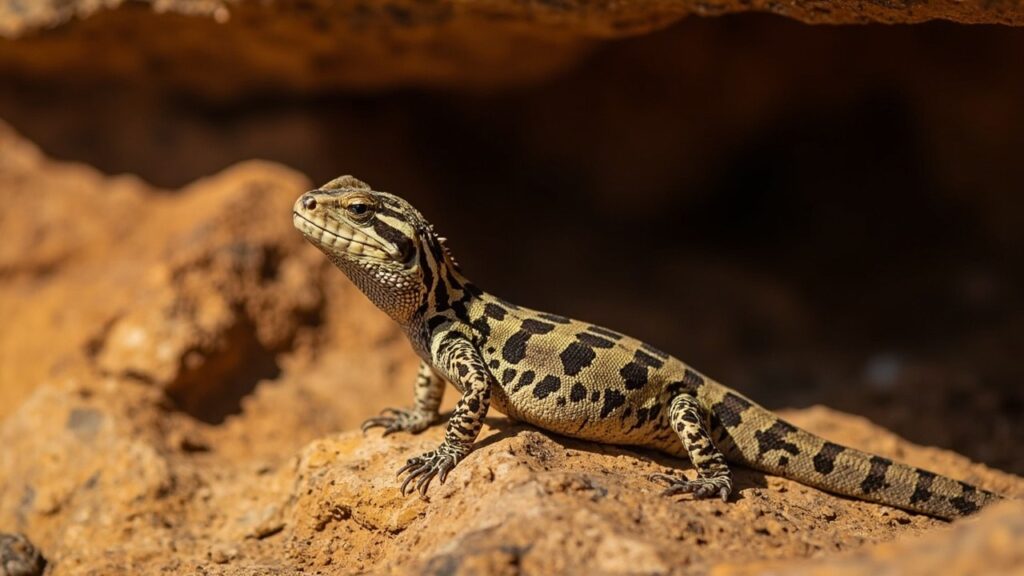
Reptiles occupy both sides of food webs. A snake may ambush a rodent, a lizard may hunt insects, and a young turtle may be eaten by birds, mammals, fish, or other reptiles. These relationships change with body size, season, habitat structure, and the availability of food and refuge. No species is simply a predator or simply prey throughout its life.

Hunting and avoiding detection
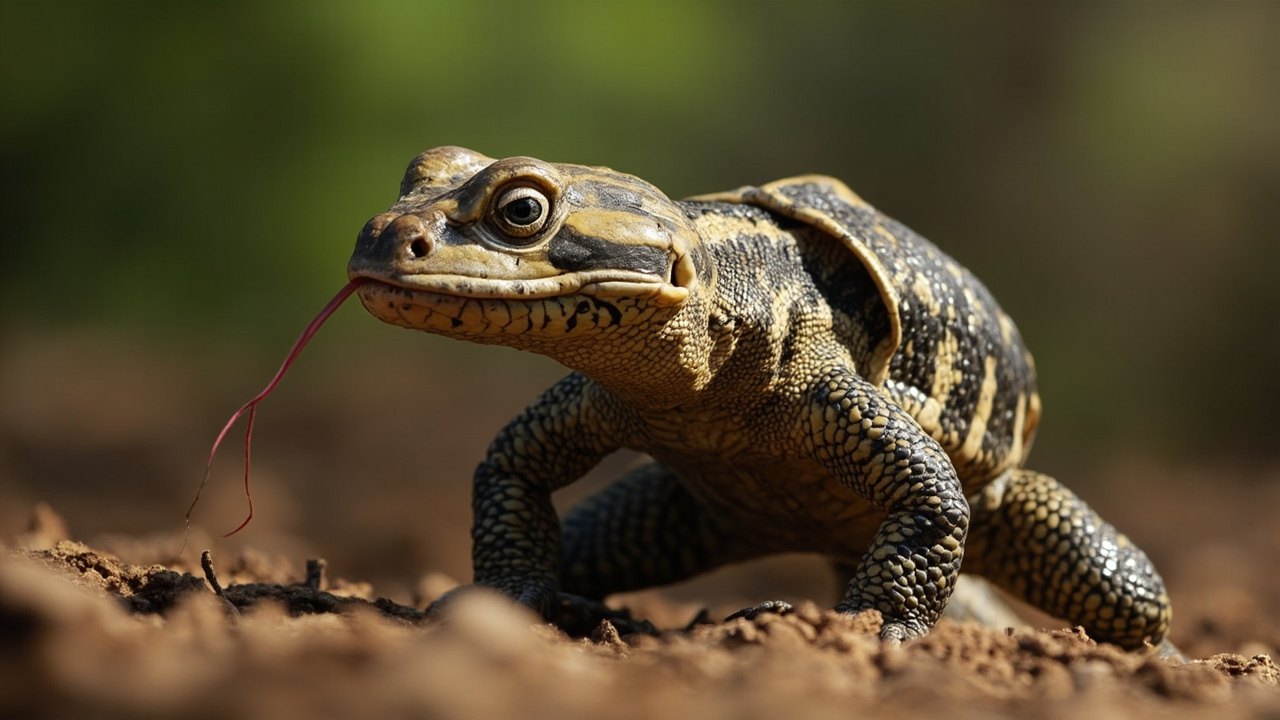
Ambush, pursuit, constriction, venom, strong jaws, and camouflage are among the ways reptiles obtain food. Potential prey use cover, stillness, rapid escape, defensive displays, group vigilance in some situations, or tail loss in species capable of caudal autotomy. A dropped tail can improve the chance of escape, but it carries energy and movement costs and is best regarded as a last-resort defence.
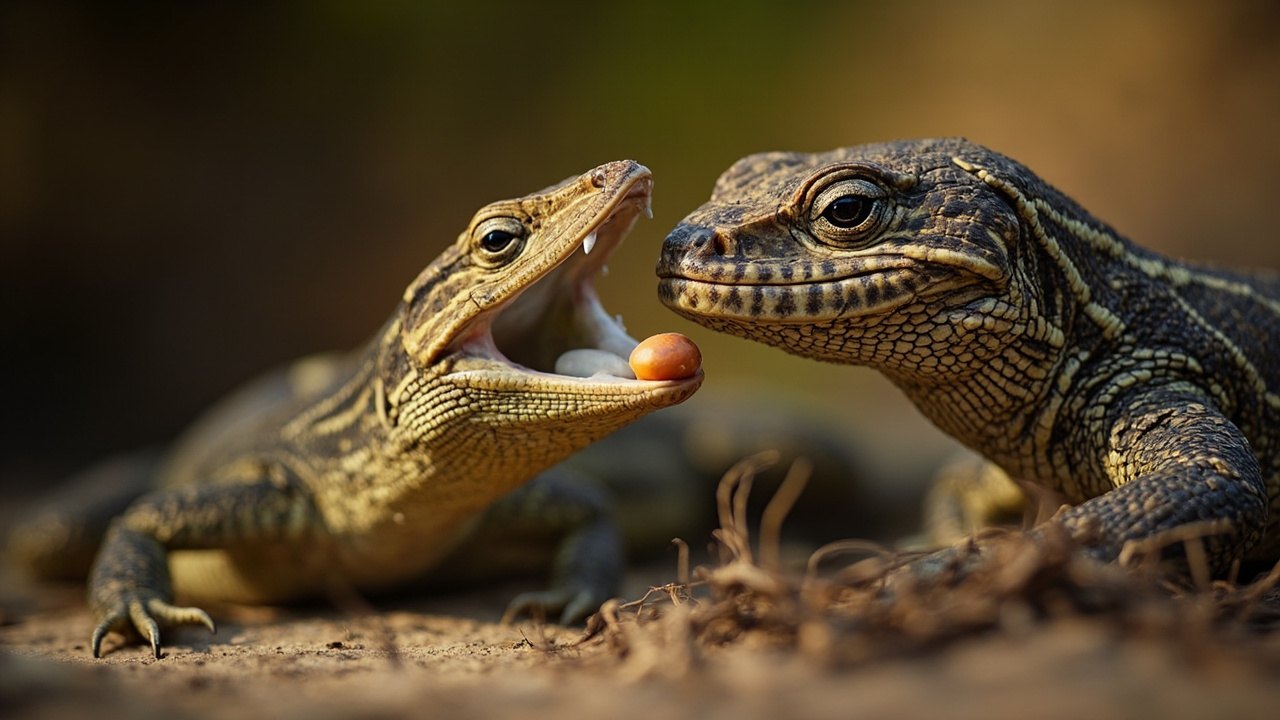
Habitat shapes every interaction
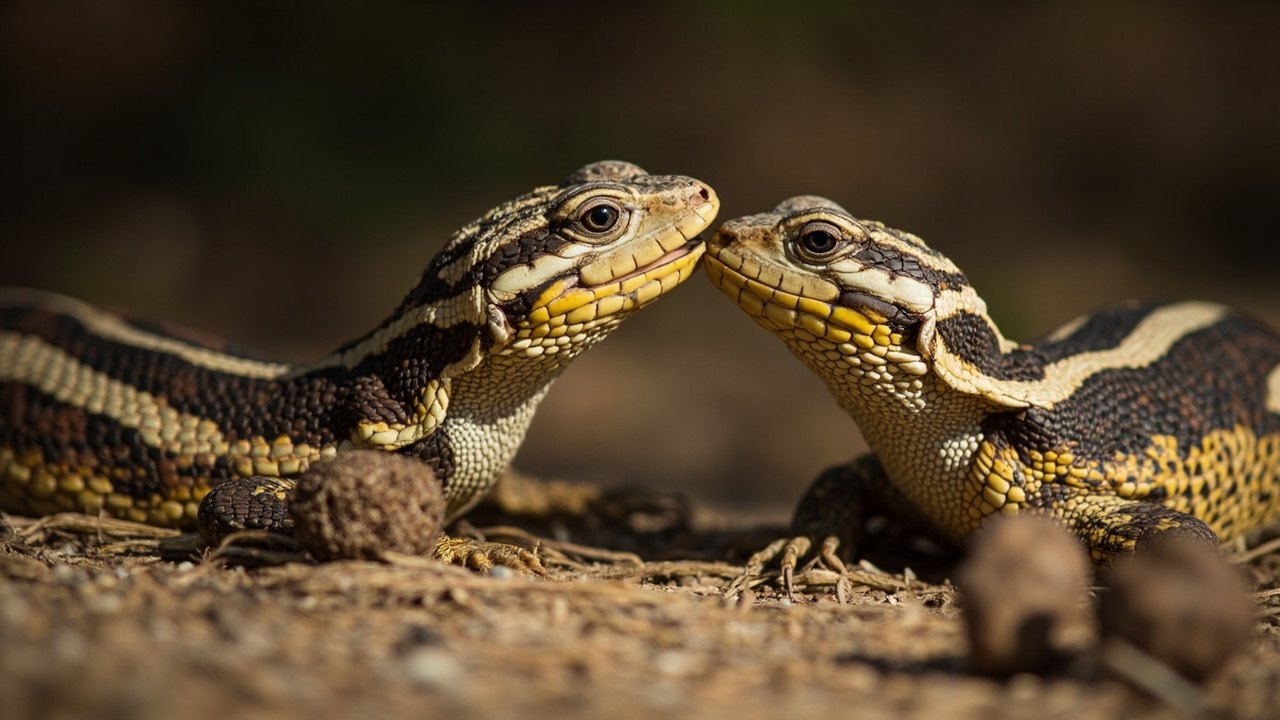
Vegetation, burrows, water depth, basking sites, and temperature influence where reptiles hunt and hide. Habitat loss can remove prey, nesting banks, travel routes, and shelter at the same time. Protecting connected, functioning habitat supports the full food web and reduces the temptation to treat a dramatic feeding event as the whole story of a reptile’s ecology.
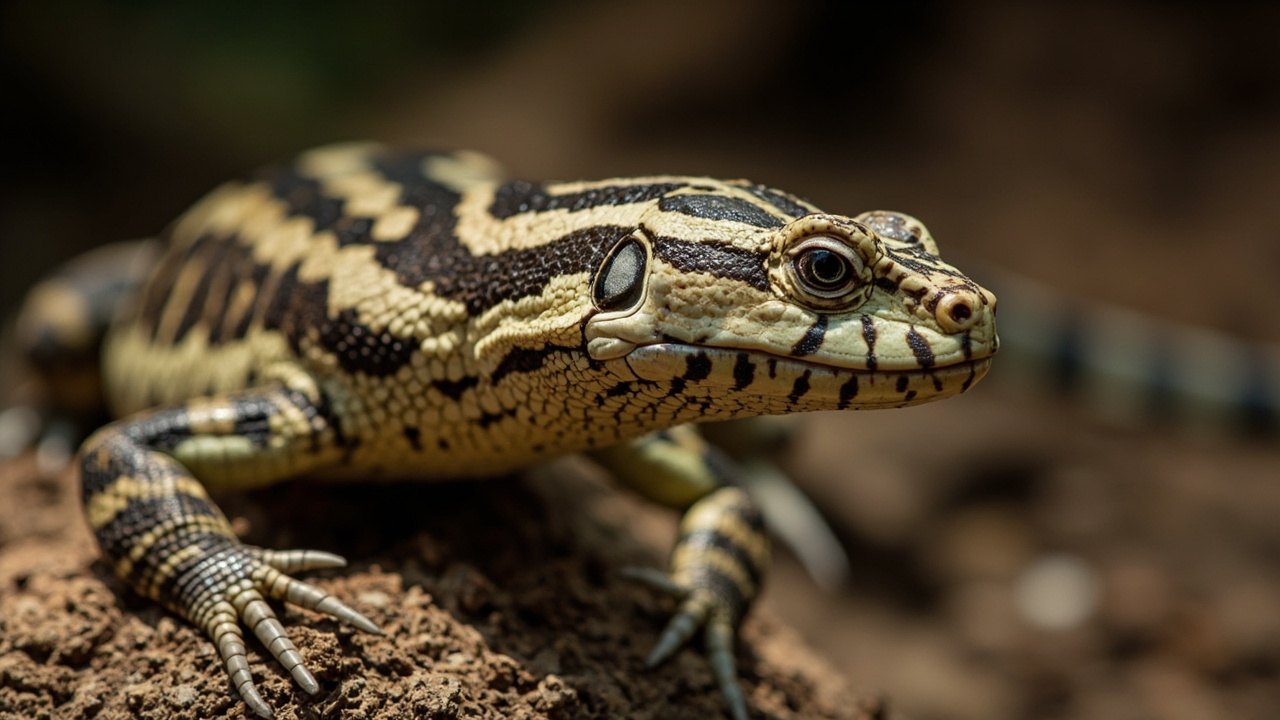
Food-Web Roles Change With Age and Size
A reptile can change roles as it grows. Young turtles may be vulnerable to many predators while adults are protected by size and shell. A small lizard may feed on insects but become prey for a snake, bird or mammal. Seasonal changes in prey abundance and shelter can also change which hunting method is useful. A food web is therefore a set of local relationships, not a fixed chain.
Predators do not hunt continuously, and prey do not avoid danger with one universal response. Activity times, cover, water depth, weather and body temperature influence when encounters occur. A feeding event recorded on video may be real, but it rarely explains the usual diet or the full behaviour of either animal.
Defences Have Costs
Stillness, camouflage, burrowing and rapid escape can help an animal avoid attention, but each behaviour can reduce time available for feeding, basking or finding a mate. Tail shedding can distract a predator, yet it also removes stored resources and creates a wound that must heal. An adaptation should be described with both its benefit and its cost.
Observation Should Not Create an Encounter
Do not move cover, release prey or provoke a reptile to get a dramatic image. Protecting vegetation, banks, burrows and prey communities supports the ordinary interactions that reptiles need to survive.
Sources and review notes
Reviewed 23 August 2026. Reptile biology is wonderfully variable. We have avoided turning one species, photograph or dramatic observation into a rule for an entire group, and we have used cautious wording where evidence or local conditions differ.
Reference starting points: The Reptile Database, The IUCN Red List of Threatened Species, and PubMed-indexed research. Conservation status, taxonomy and local laws can change, so check the linked databases and the relevant local authority for current information.
Spotted something we should revisit? Send Reptile Explorer a correction—thoughtful reader feedback is always welcome.