A Freshwater Crocodile at Risk
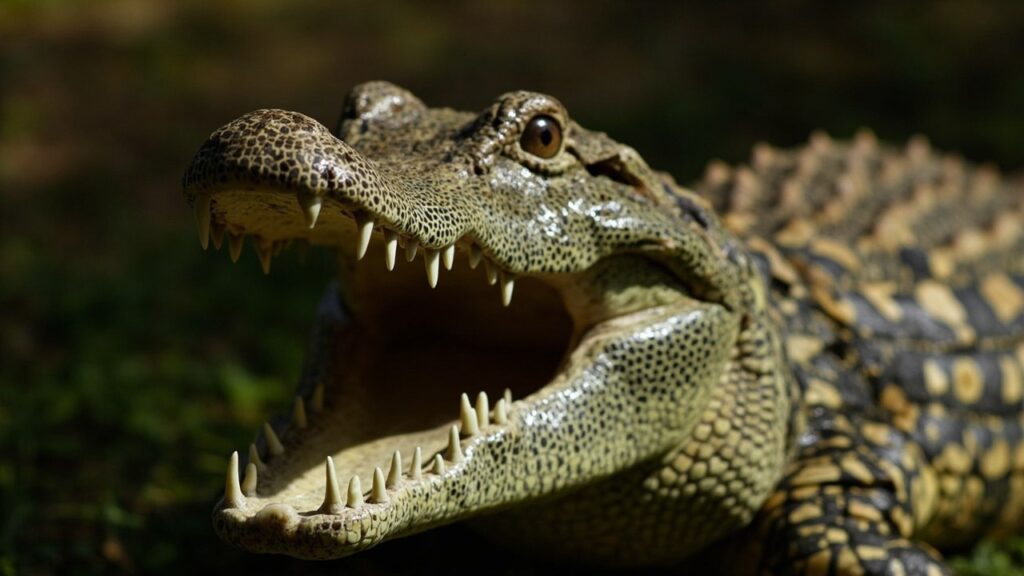
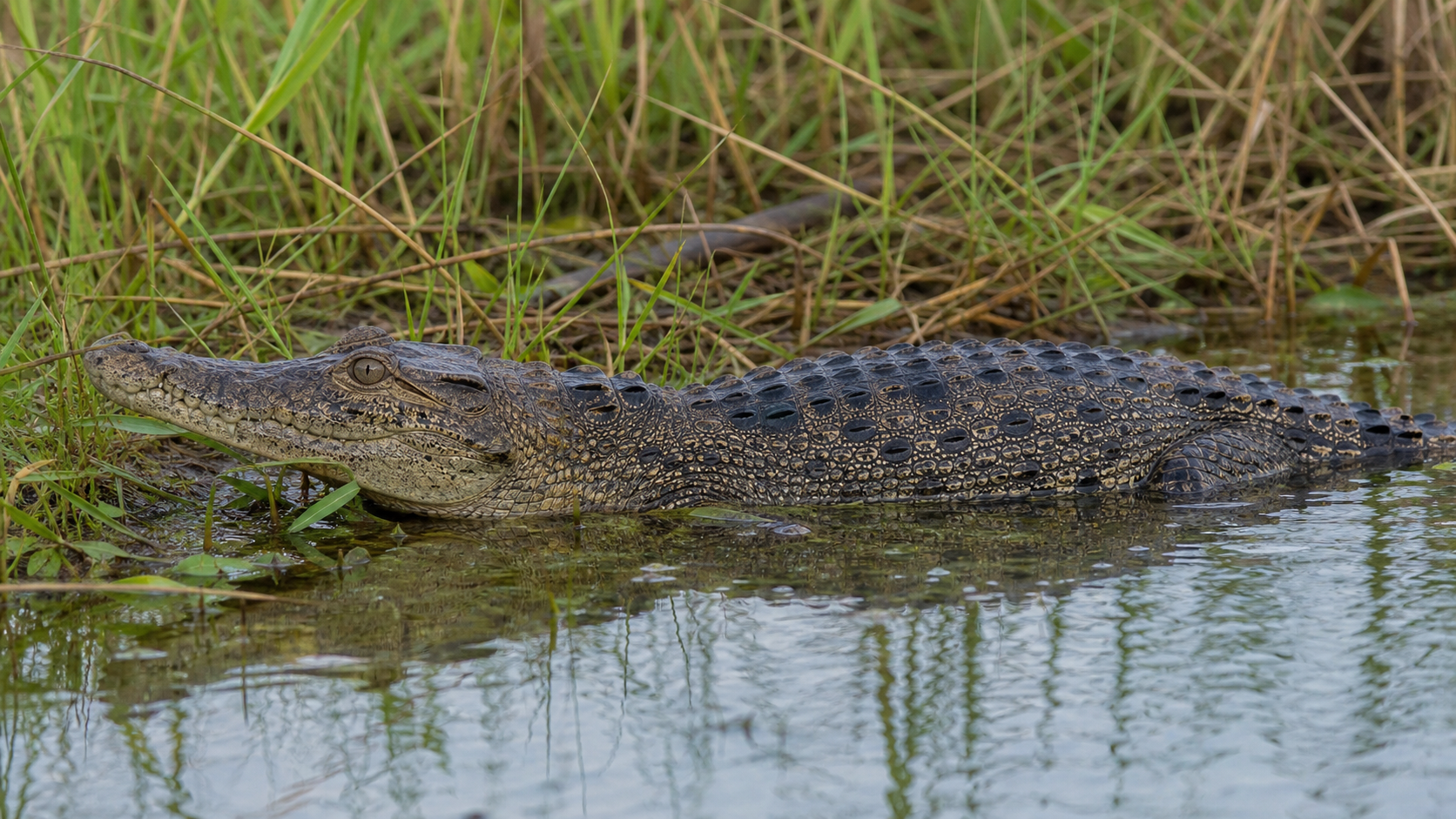
The Philippine crocodile (Crocodylus mindorensis) is a critically endangered crocodilian found only in the Philippines. It uses freshwater rivers, lakes, marshes and swamps, not open ocean habitat. Wild populations are fragmented and vulnerable to wetland loss, accidental capture, deliberate killing and fear-driven conflict with people. Conservation therefore has to protect the species in the places where people and crocodiles share water.

What Captive Breeding Can Do
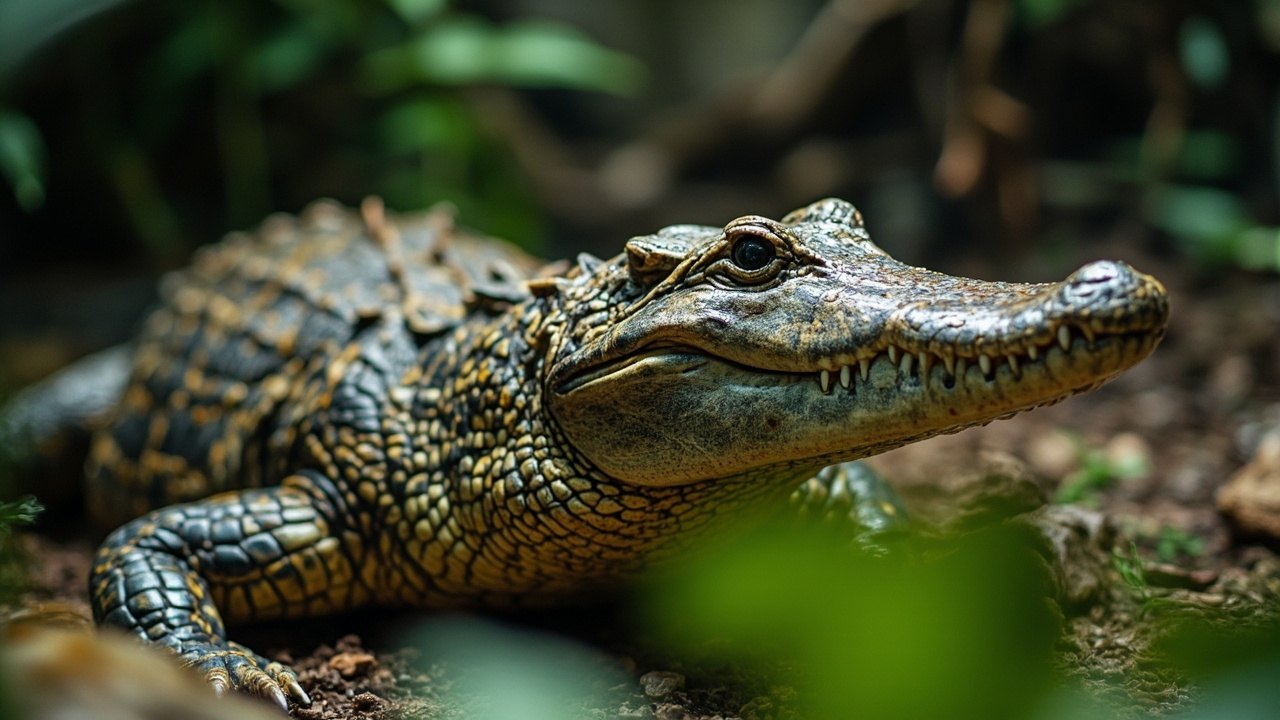
Managed breeding can maintain an insurance population, build husbandry knowledge and provide animals for carefully planned reinforcement or reintroduction. It cannot, by itself, make a population secure. A release site must have suitable water, food, protection from killing and a realistic plan for monitoring animals after release. Genetic records, health screening and coordination among facilities are also important when a species has few known wild populations.
Recovery Starts with Safe Wetlands
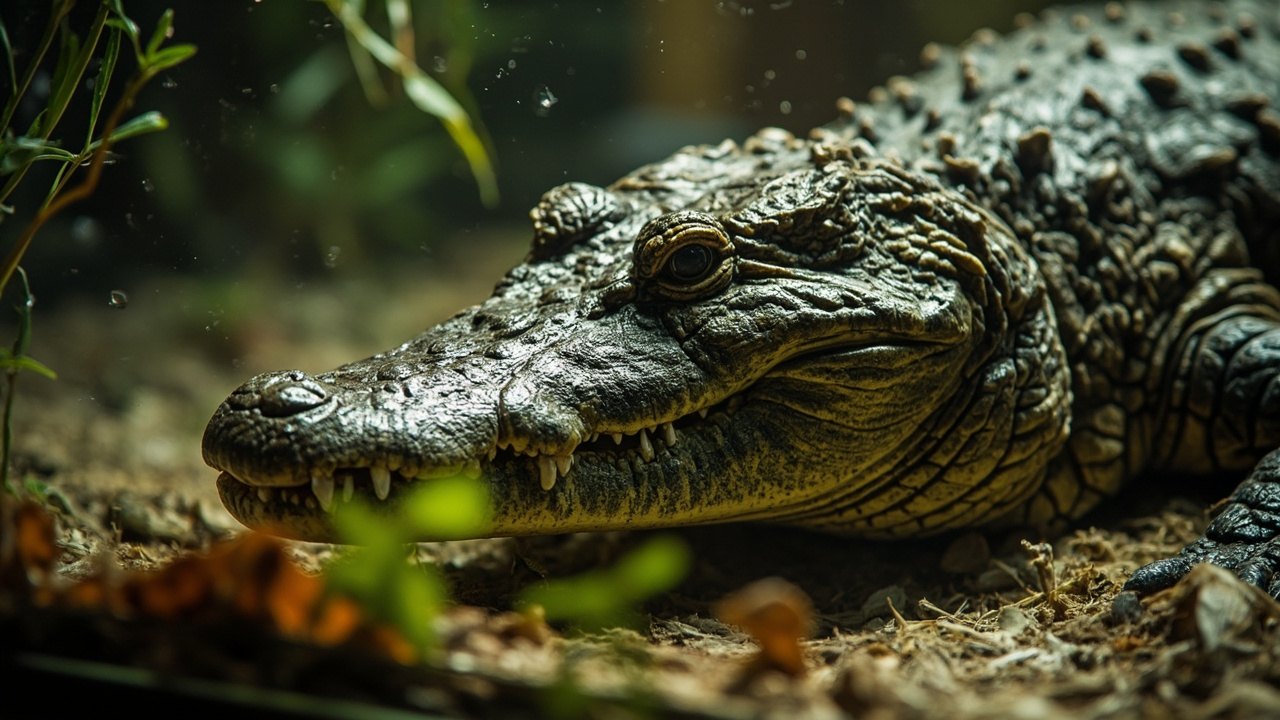
The Philippine national recovery plan pairs captive management with protection of wild populations, community education and work on possible release sites. That combination matters because young crocodiles need functioning freshwater habitat long after they leave a breeding centre. Locally led monitoring, clear safety information and protection of wetlands can reduce conflict while allowing this small crocodilian a chance to persist in the wild.
Field Evidence Shows Whether Releases Are Working
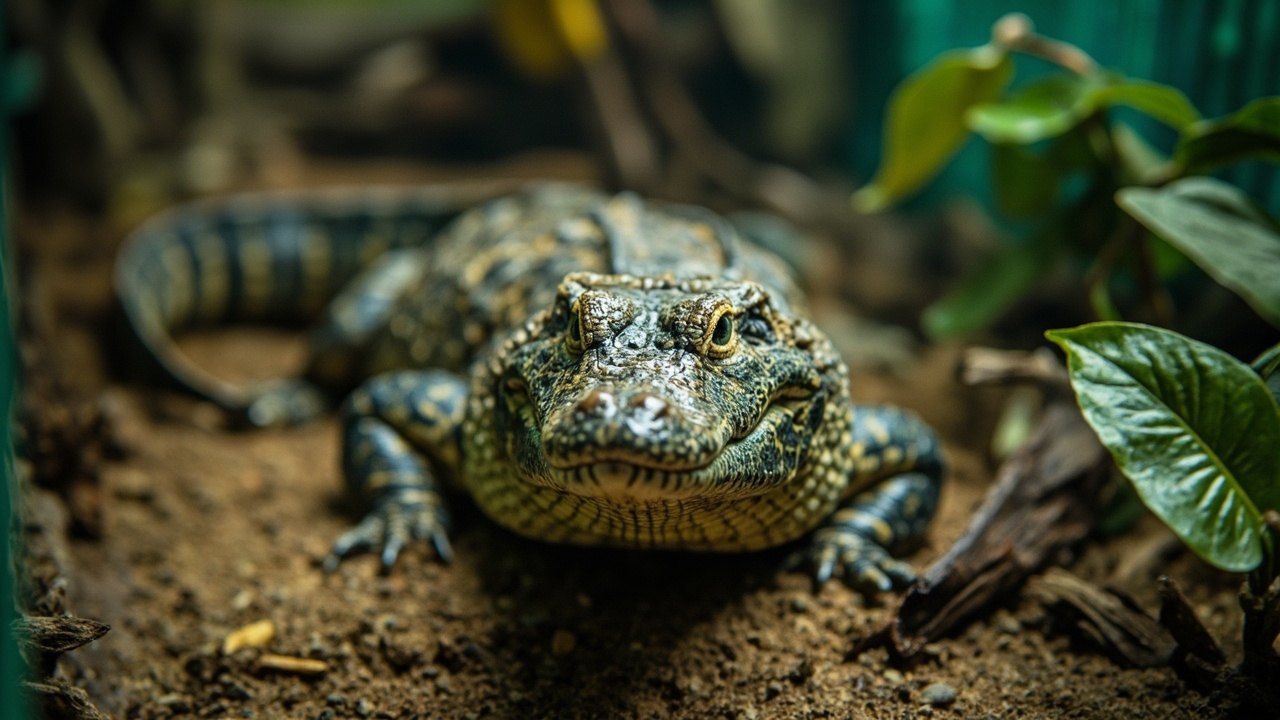
Release numbers are not a recovery result by themselves. Monitoring can show whether animals survive, find suitable habitat, avoid conflict and later reproduce. Nest observations, local reports and repeated surveys add information that a single release day cannot provide. Results also need to be interpreted carefully because a small, hard-to-detect population can be missed or overcounted.
Conflict Reduction Is Part of Conservation
Where people use the same streams, ponds or wetlands as crocodiles, clear safety information and local participation are essential. Safer access to water, reporting channels and practical support for communities can reduce the fear that leads to killing. This work protects people without treating the species as separate from the landscape around it.
Captivity Is a Safeguard, Not the Finish
Managed breeding can preserve genetic options and create time for habitat work, but it cannot replace protected wetlands. Every animal released needs a place with food, shelter and a realistic future beyond the breeding facility.
Sources and review notes
Reviewed 23 August 2026. Conservation is rarely a one-step success story. We have kept the language specific about evidence, limits and local context, because a programme that helps one population may not transfer neatly to another.
Reference starting points: The IUCN Red List of Threatened Species, IUCN conservation-translocation guidelines, and the current CITES Appendices. Conservation status, taxonomy and local laws can change, so check the linked databases and the relevant local authority for current information.
Spotted something we should revisit? Send Reptile Explorer a correction—thoughtful reader feedback is always welcome.