Most Reptiles Leave Early Care to the Nest
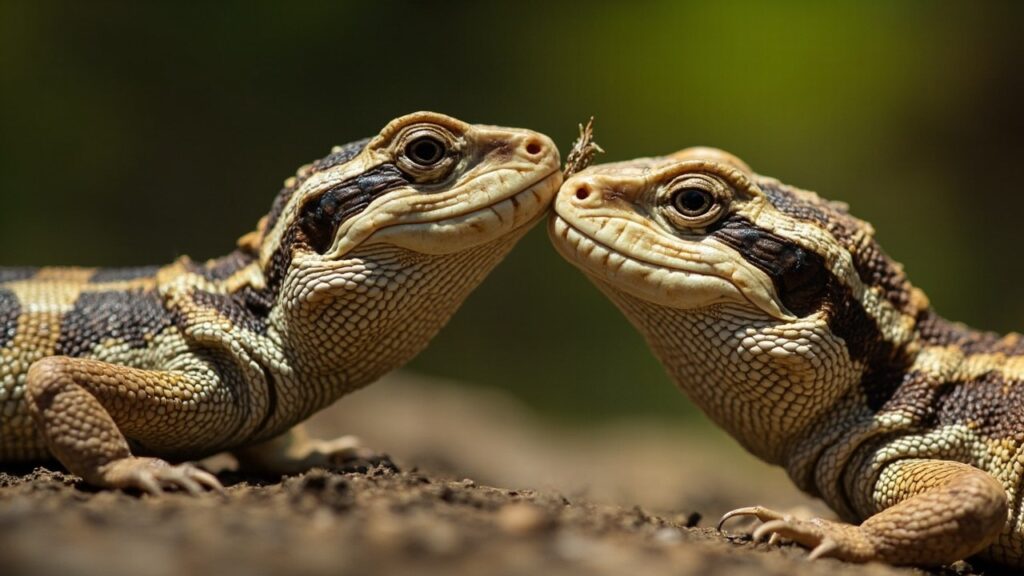
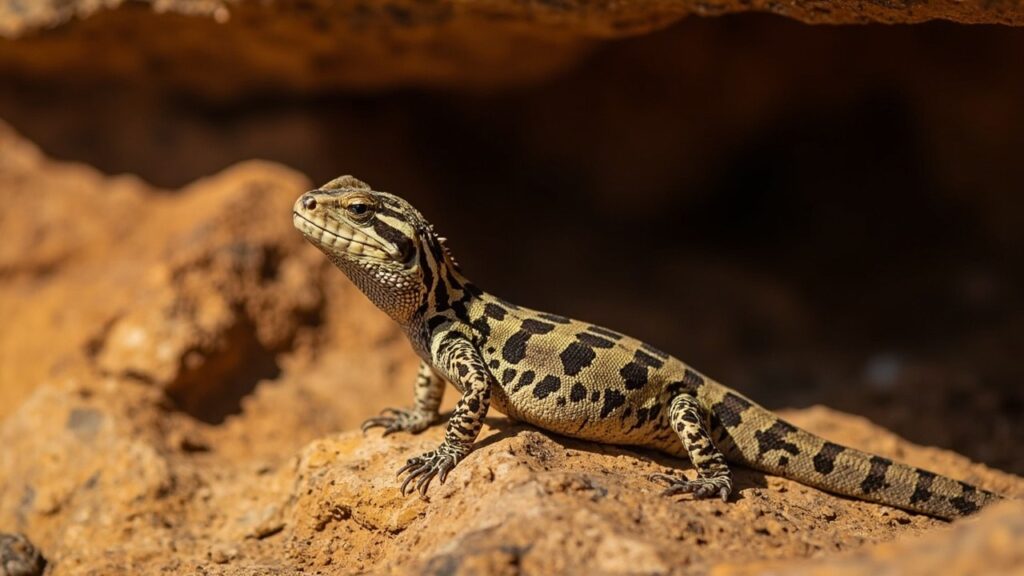
Many reptiles lay eggs or give birth with little care afterward, but important exceptions show a wider range of parental behaviour. Nest choice can itself be a major investment because temperature, moisture and protection affect embryo development. In species without active guarding, a carefully chosen nest site may be the only direct help parents provide.

Guarding, Warming and Carrying Young
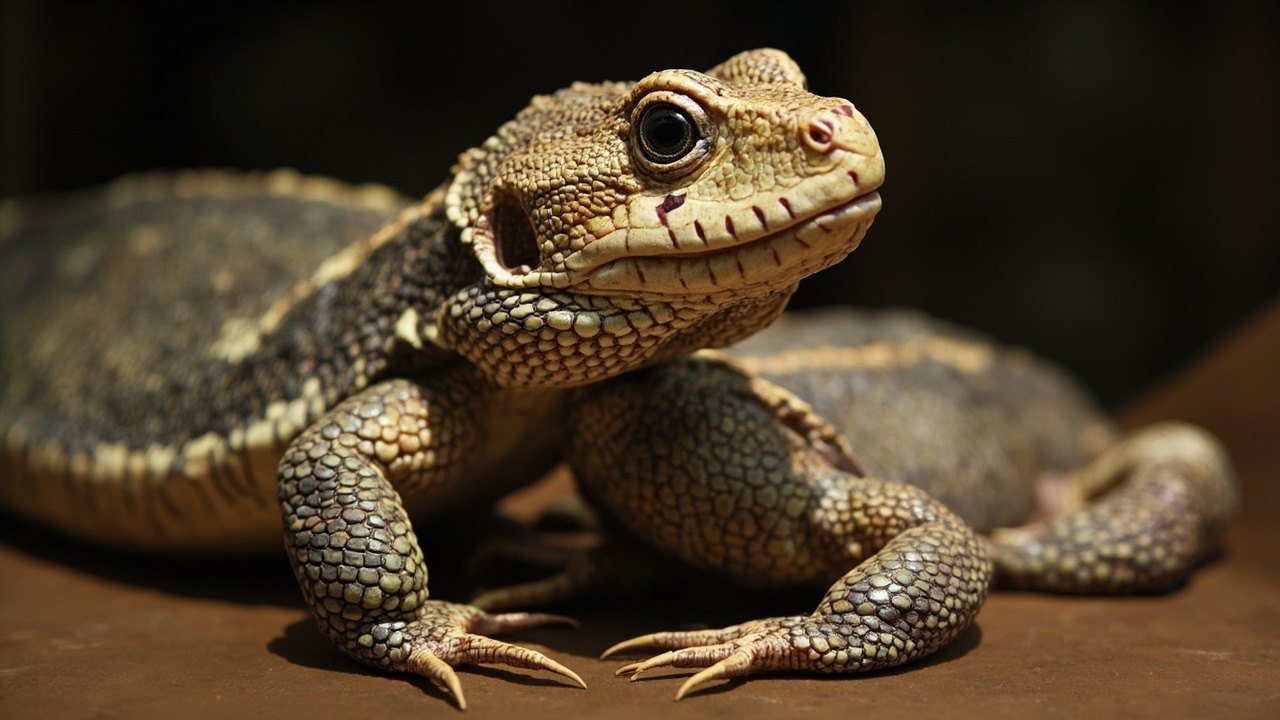
Crocodilians build or prepare nests, guard eggs and often respond to hatchling calls by opening nests and carrying young to water. Some pythons coil around eggs, and certain species generate heat through muscular activity during incubation. King cobras are unusual among snakes because females build and guard nests. These behaviours are specific adaptations, not evidence that all reptiles care for offspring in the same way.
Live Birth Is Not Always Postnatal Care
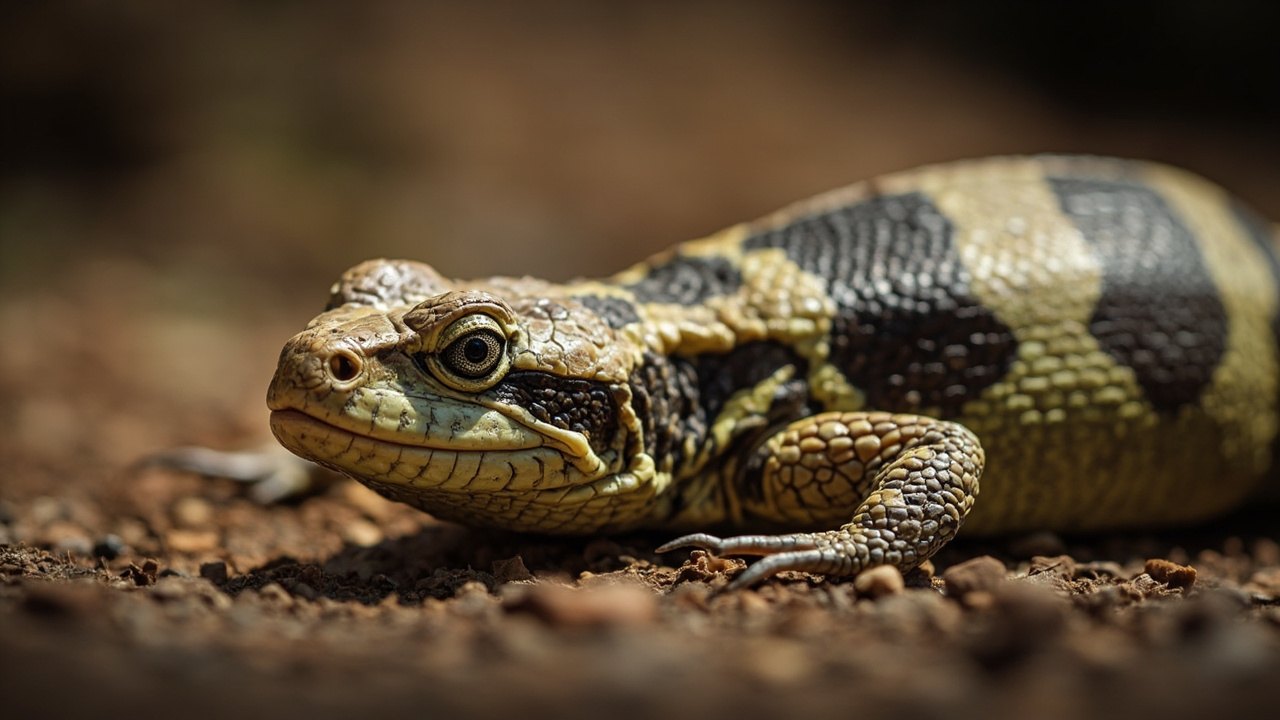
Live-bearing reptiles invest in embryos before birth, sometimes through a placenta-like connection, but that does not automatically mean they protect young afterward. Reproductive behaviour reflects trade-offs among parental survival, food, climate and the vulnerability of eggs or hatchlings. Watching nests or young animals should be done from a distance, since disturbance can draw predators or cause an adult to leave a site.
Care Includes Several Different Actions
Choosing a nest site, guarding eggs, brooding, carrying hatchlings and protecting young are distinct behaviours. A species may show one of them without showing the others. Naming the exact action makes a claim more useful than saying that a reptile is either caring or uncaring.
Reproductive investment also has costs. A parent guarding a nest may spend less time feeding or expose itself to predators, while an animal that leaves eggs may place more of the investment in site choice and egg production. These trade-offs differ among habitats and species.
Observations Need Space and Patience
A nest, hatchling or adult near young should not be handled to find out whether care occurs. Disturbance can draw predators, force an adult to leave or change the behaviour being studied. Distance and a quiet observation period are more likely to produce useful evidence.
Captive Breeding Still Requires Welfare Planning
Visible nesting or guarding is not a reason to ignore health, space or legal requirements. Breeding plans need secure housing, appropriate conditions for the species and professional support if an animal becomes weak, injured or unable to lay or give birth normally.
Sources and review notes
Reviewed 23 August 2026. Reptile biology is wonderfully variable. We have avoided turning one species, photograph or dramatic observation into a rule for an entire group, and we have used cautious wording where evidence or local conditions differ.
Reference starting points: The Reptile Database, The IUCN Red List of Threatened Species, and PubMed-indexed research. Conservation status, taxonomy and local laws can change, so check the linked databases and the relevant local authority for current information.
Spotted something we should revisit? Send Reptile Explorer a correction—thoughtful reader feedback is always welcome.