More Than Matching a Background
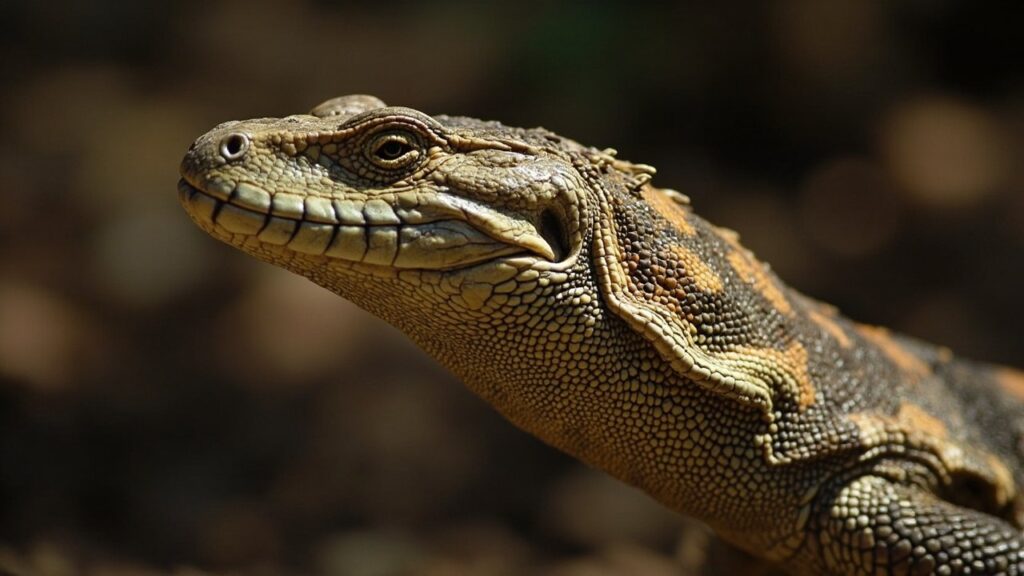
Camouflage can involve colour, pattern, outline and behaviour. Background matching makes an animal resemble nearby surfaces, while disruptive patterns make its body outline harder to follow. Some reptiles use masquerade, where their shape and posture resemble an object such as a leaf, branch or patch of bark. Remaining still can be as important as the markings themselves.

Different Habitats Favour Different Tricks
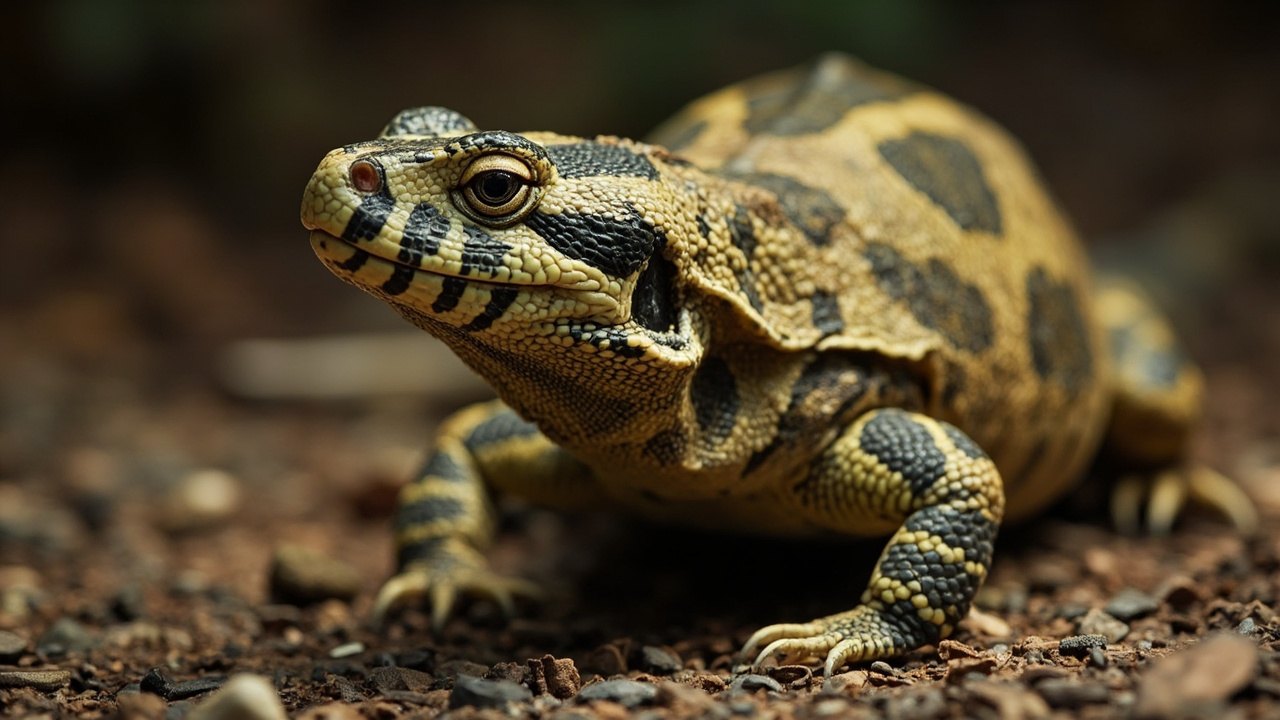
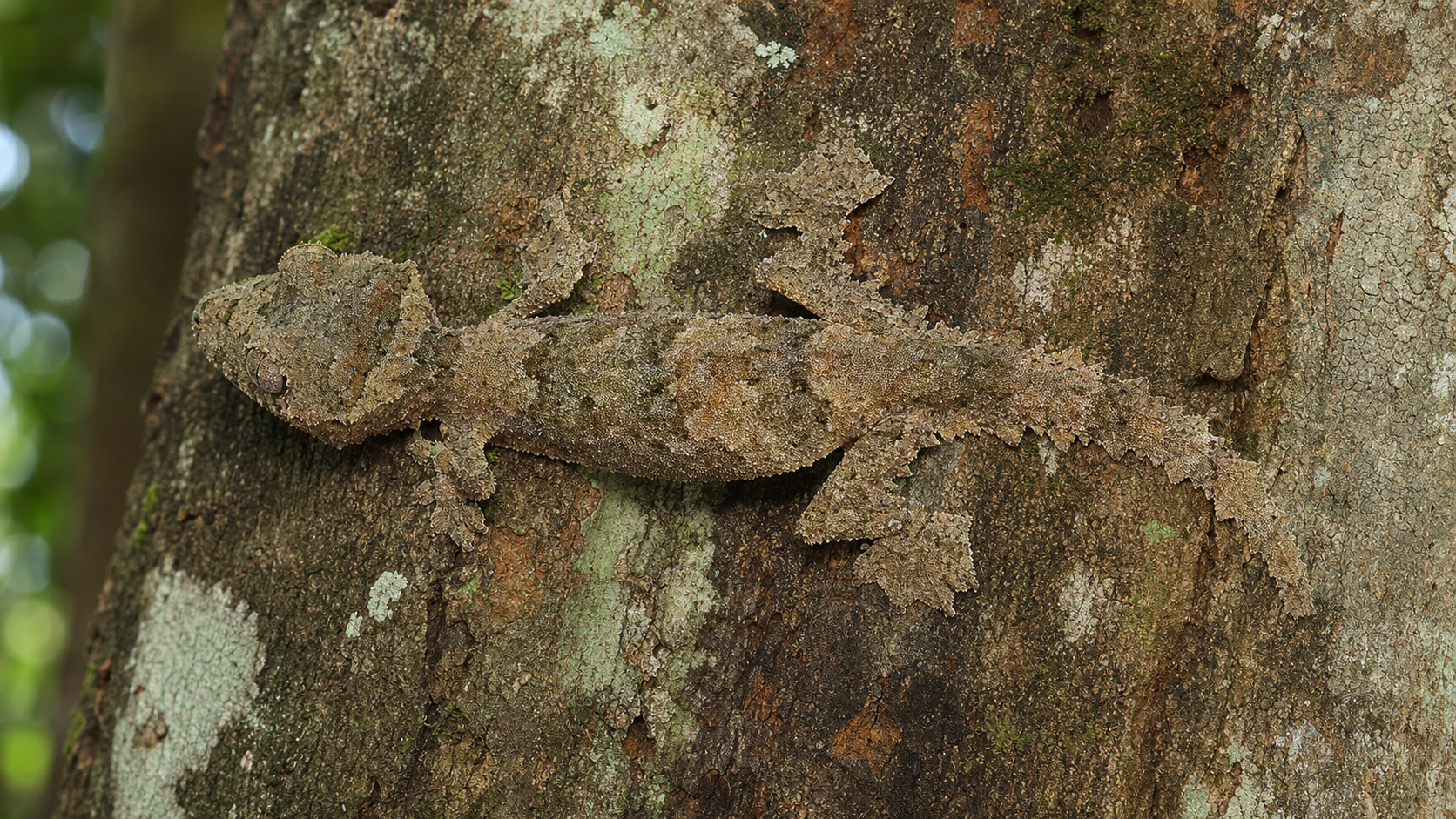
Leaf-tailed geckos use flattened bodies, irregular outlines and cryptic colours among bark and leaf litter. Desert reptiles may match sand or stone, and aquatic species can use light and shadow near vegetation or the water surface. Chameleon colour change can contribute to concealment in some contexts, but it also has social and thermal functions. No single example explains camouflage across all reptiles.
Camouflage Works on Specific Viewers
What looks hidden to a person may look different to a bird, mammal or another reptile with a different visual system. Lighting, distance and the animal’s chosen resting place also affect the result. Avoid moving a wild reptile for a photograph or touching it to test how well it blends in. Its apparent invisibility is often a survival strategy that depends on being left undisturbed.
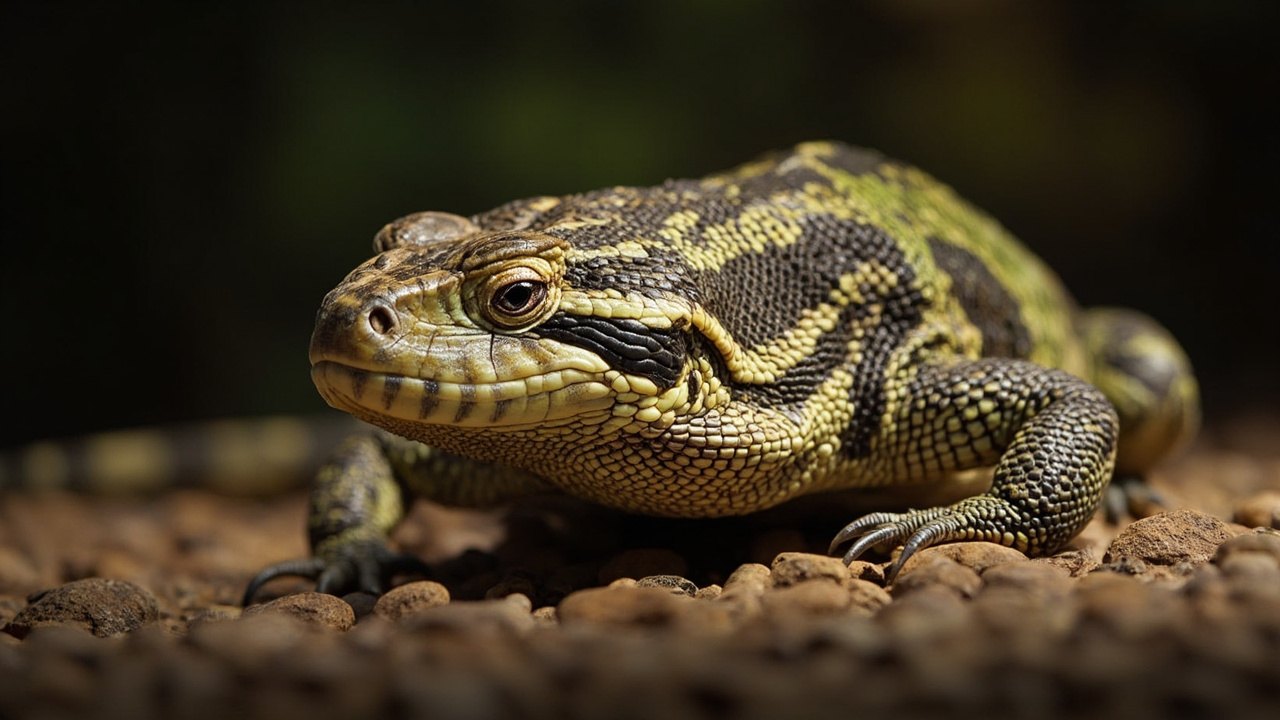
Camouflage Depends on the Viewer
Camouflage works against the senses of a potential predator, prey item or rival, not only against human eyes. Birds, mammals and reptiles can perceive colour and movement differently, while distance and light alter the pattern that reaches the viewer. A reptile that looks obvious in a close photograph may be difficult to detect at normal viewing distance in its habitat.
Posture matters as much as colour for some species. Flattening against bark, aligning with a branch or remaining still can reduce a recognisable outline. If the animal moves onto a new surface or is handled, that effect can disappear. Camouflage is therefore an interaction between the animal, the background and behaviour.
Patterns Can Change Across a Life
Some reptiles change colour or markings as they mature, shed or enter a reproductive period. This does not mean every change has a camouflage function. Species-specific evidence is needed before calling a pattern a defence, display or thermal adaptation.
Leave Hidden Animals Hidden
Do not move leaves, peel bark or reposition a reptile to prove how well it blends in. The animal selected that cover for a reason, and disturbance can expose it to predators or heat.
Sources and review notes
Reviewed 23 August 2026. Reptile biology is wonderfully variable. We have avoided turning one species, photograph or dramatic observation into a rule for an entire group, and we have used cautious wording where evidence or local conditions differ.
Reference starting points: The Reptile Database, The IUCN Red List of Threatened Species, and PubMed-indexed research. Conservation status, taxonomy and local laws can change, so check the linked databases and the relevant local authority for current information.
Spotted something we should revisit? Send Reptile Explorer a correction—thoughtful reader feedback is always welcome.