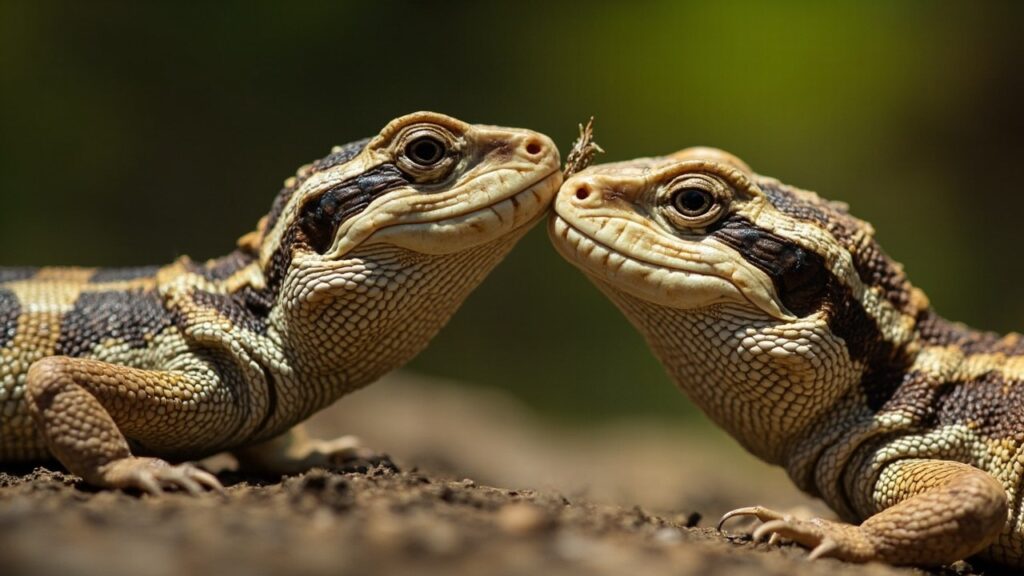
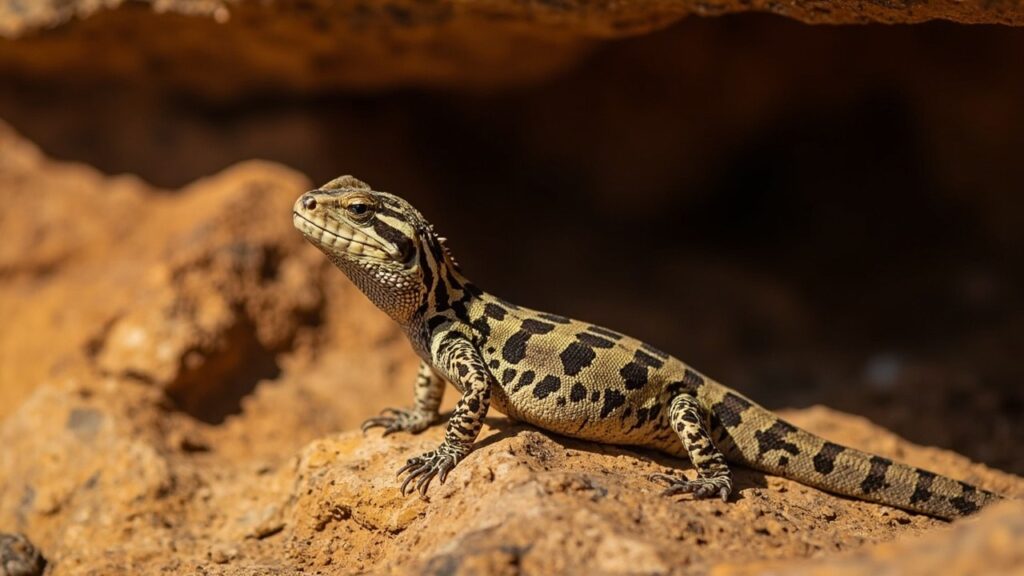
Territory Is Not Universal
A territory is an area an animal actively defends, often because it contains food, basking sites, shelter, nesting ground or access to mates. Not all reptiles are territorial, and an individual’s home range is not automatically a territory. The behaviour can change with season, sex, age, local density and the quality of resources available.
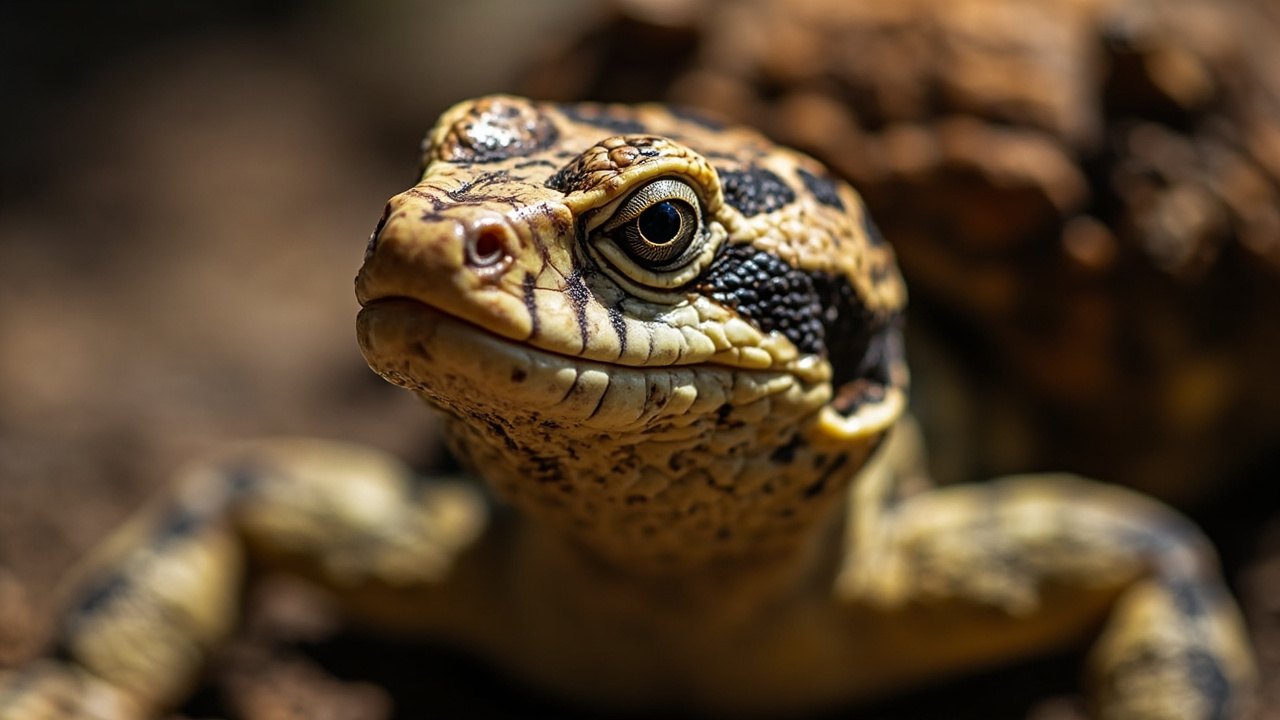
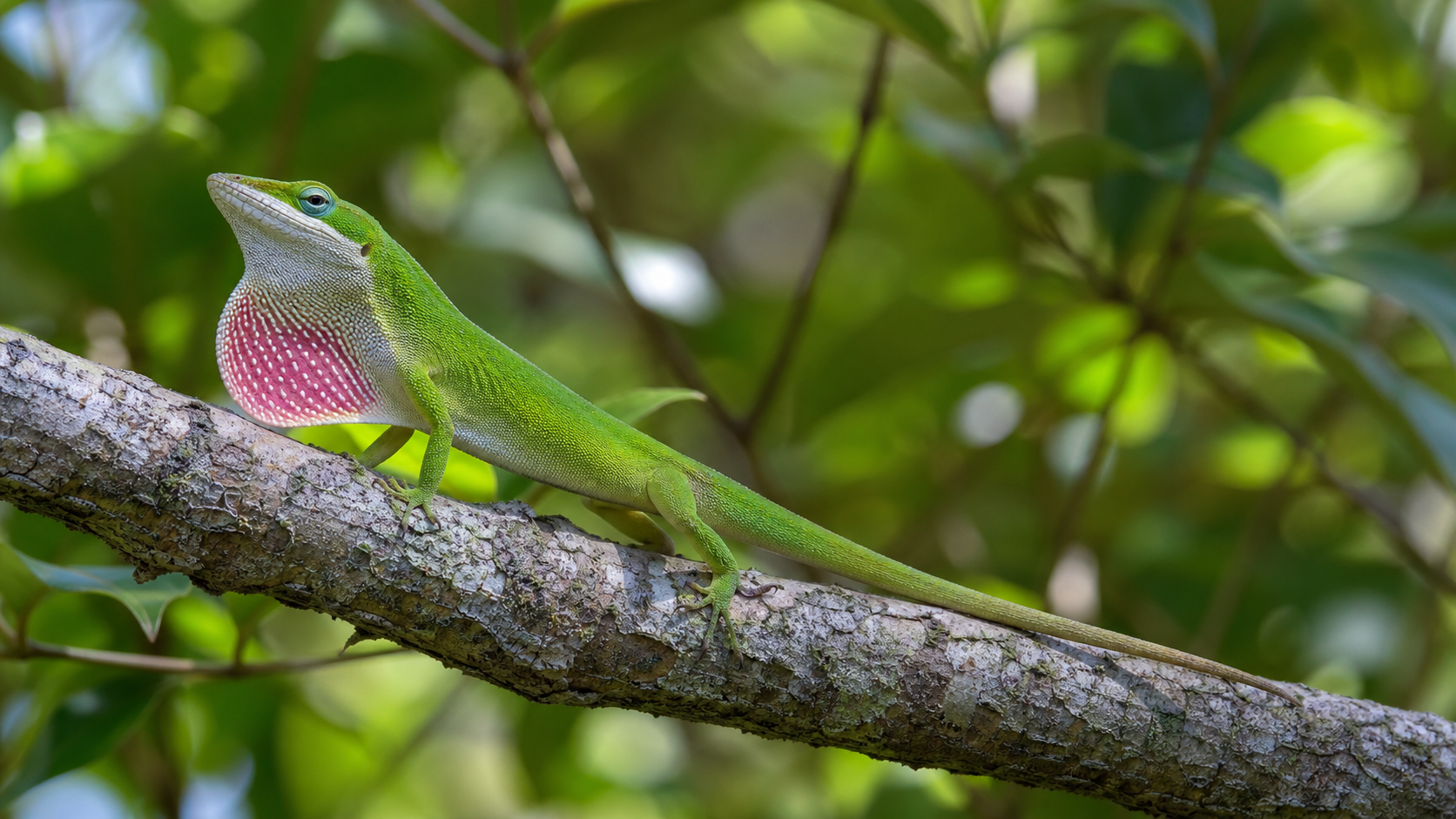
Displays Can Prevent a Fight
Head bobs, push-ups, raised posture, body inflation, dewlap displays and scent marking can signal occupancy or competitive ability in different reptile species. These signals may allow an intruder and resident to assess each other before physical contact occurs. If conflict escalates, it is usually tied to a particular resource or reproductive setting rather than a fixed personality trait called aggression.
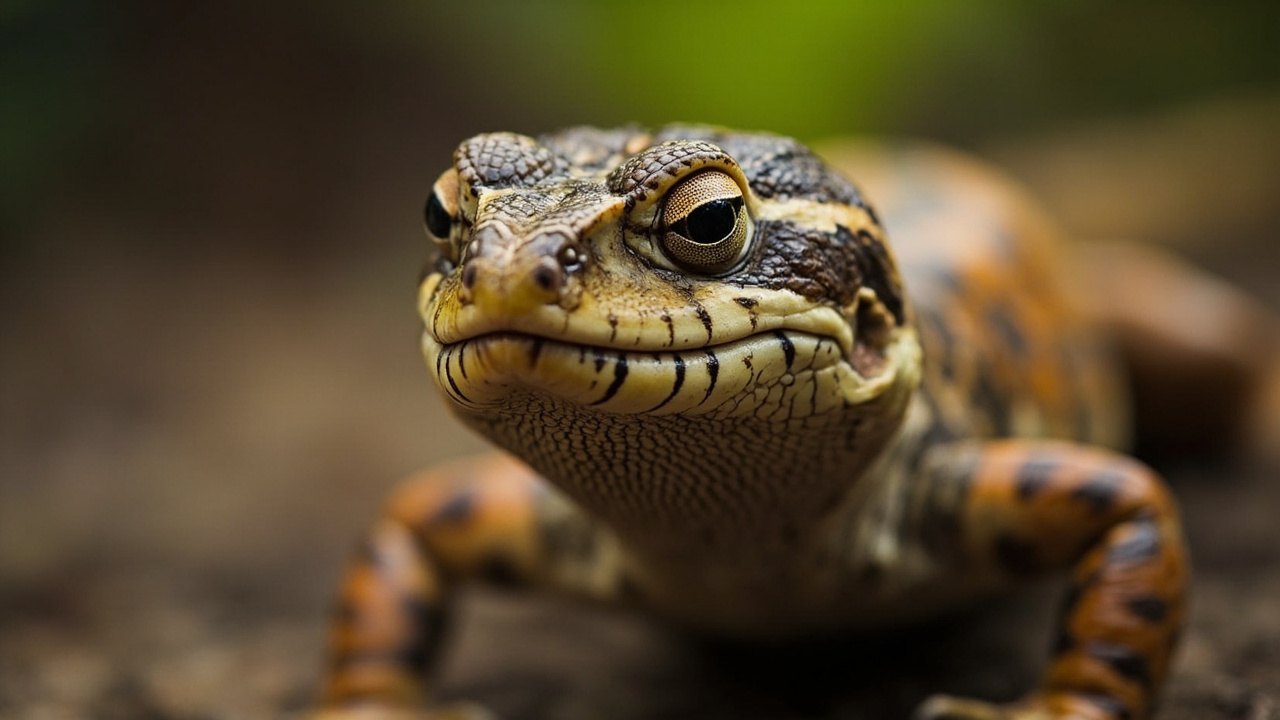
Captivity Changes the Stakes
In an enclosure, animals cannot simply leave an unwanted interaction. Inadequate space, too few basking or hiding sites, poorly matched groupings and visual contact with a rival can increase conflict. Good husbandry uses species-specific enclosure design and does not rely on forcing animals to share space. Repeated chasing, injury or blocked access to food and heat should be assessed promptly by an experienced keeper or veterinarian.
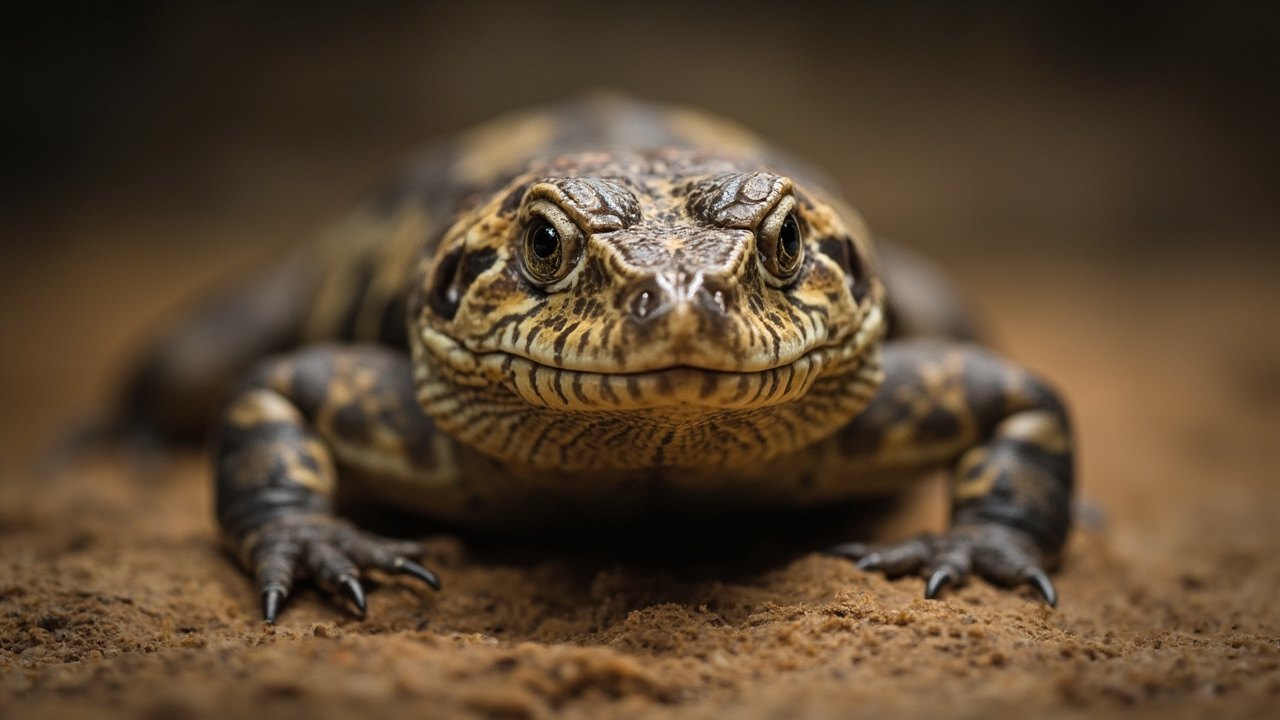
A Home Range Is Not Always a Territory
An animal may move through a familiar area without defending it from others. A territory requires active defence of a resource such as a perch, nest site, food source or access to mates. The size and value of that space can change with season, population density and the quality of nearby alternatives.
Displays allow animals to exchange information without immediate contact. Head bobs, body posture, colour signals and scent marks may help an individual assess a neighbour or avoid escalation. The same display can have a different meaning in a different species or in a different reproductive context.
Captivity Restricts the Ability to Leave
In the wild, an animal may move away from a rival. In an enclosure, a blocked basking site, shared hide or constant visual contact can turn a normal signal into repeated stress. Cohabitation should not be assumed to be safe because two reptiles have not yet fought. Species, sex, age, enclosure layout and the individual animals all matter.
Observe Without Provoking
Do not place a mirror, another animal or a hand near a reptile to produce a display. Repeated chasing, bites, weight loss or blocked access to food and heat require prompt review of conditions and advice from an experienced reptile professional.
Sources and review notes
Reviewed 23 August 2026. Reptile biology is wonderfully variable. We have avoided turning one species, photograph or dramatic observation into a rule for an entire group, and we have used cautious wording where evidence or local conditions differ.
Reference starting points: The Reptile Database, The IUCN Red List of Threatened Species, and PubMed-indexed research. Conservation status, taxonomy and local laws can change, so check the linked databases and the relevant local authority for current information.
Spotted something we should revisit? Send Reptile Explorer a correction—thoughtful reader feedback is always welcome.