Reduced to a Tiny Refuge
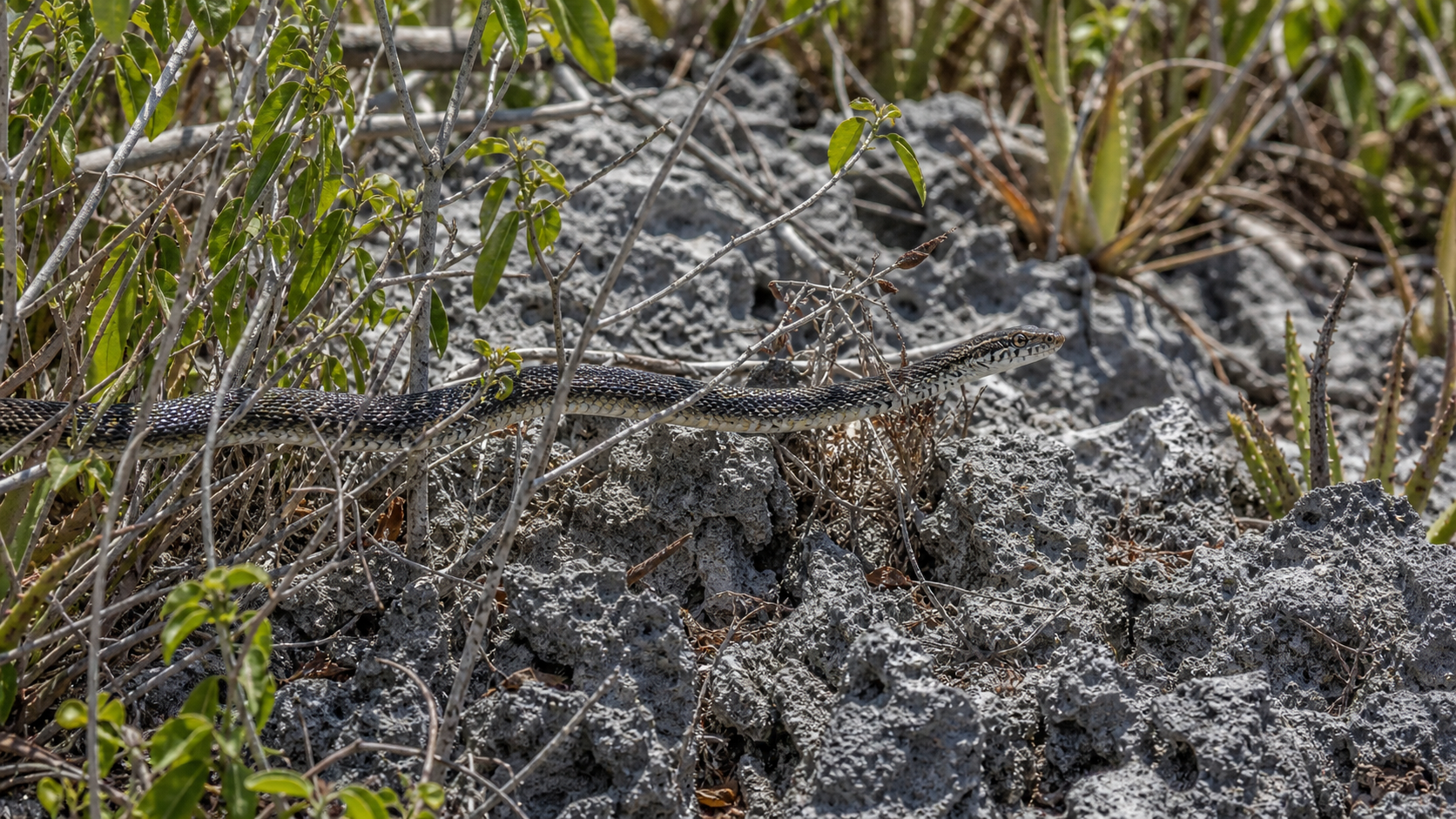
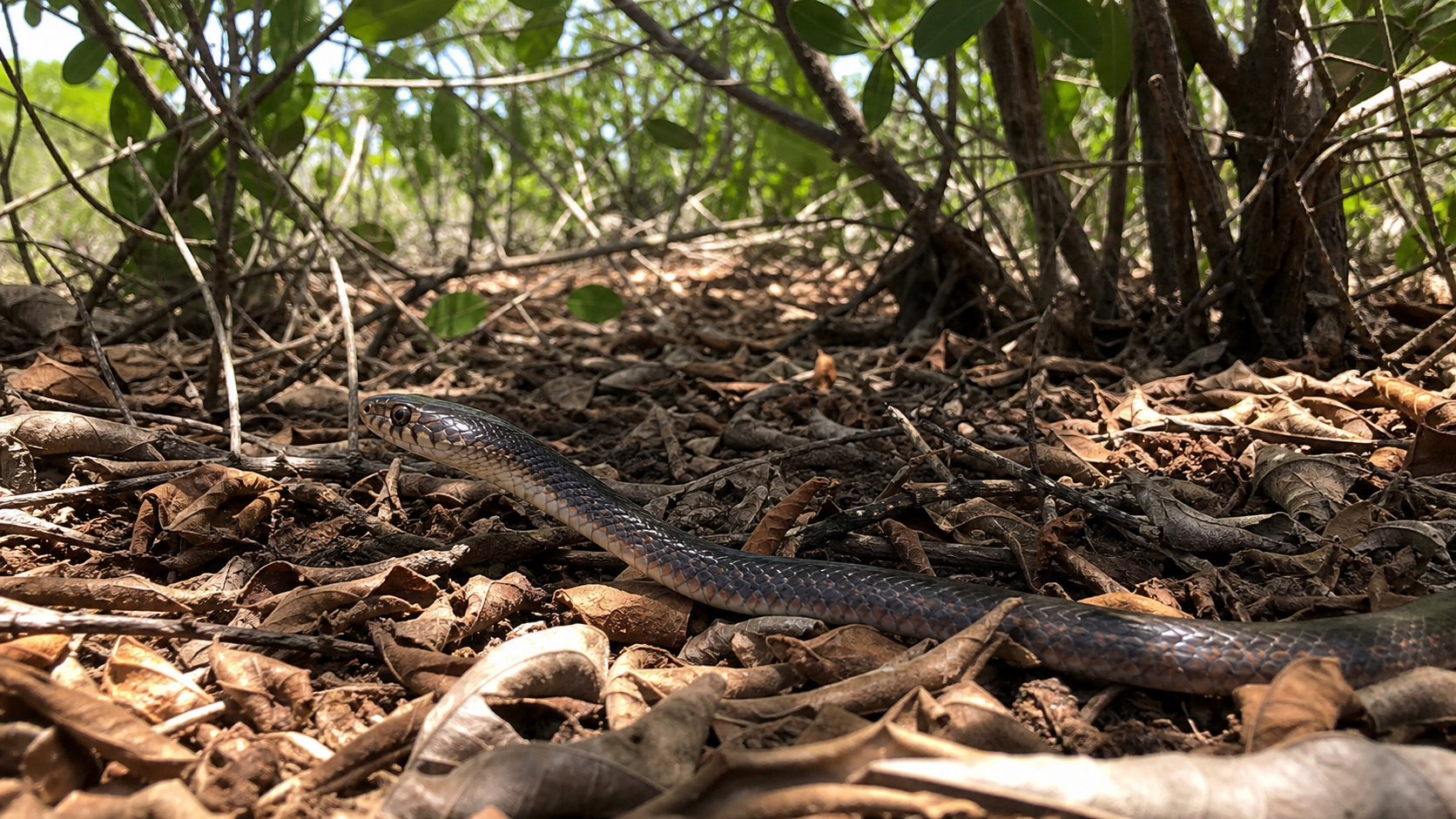
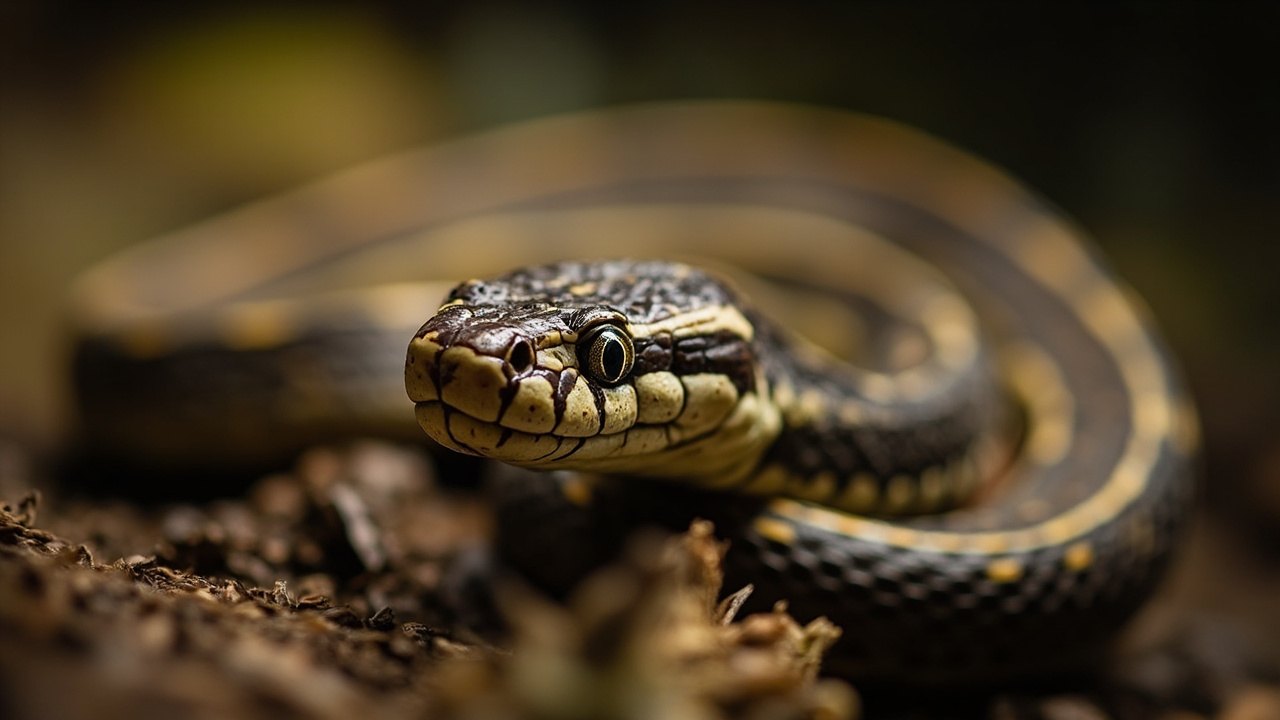
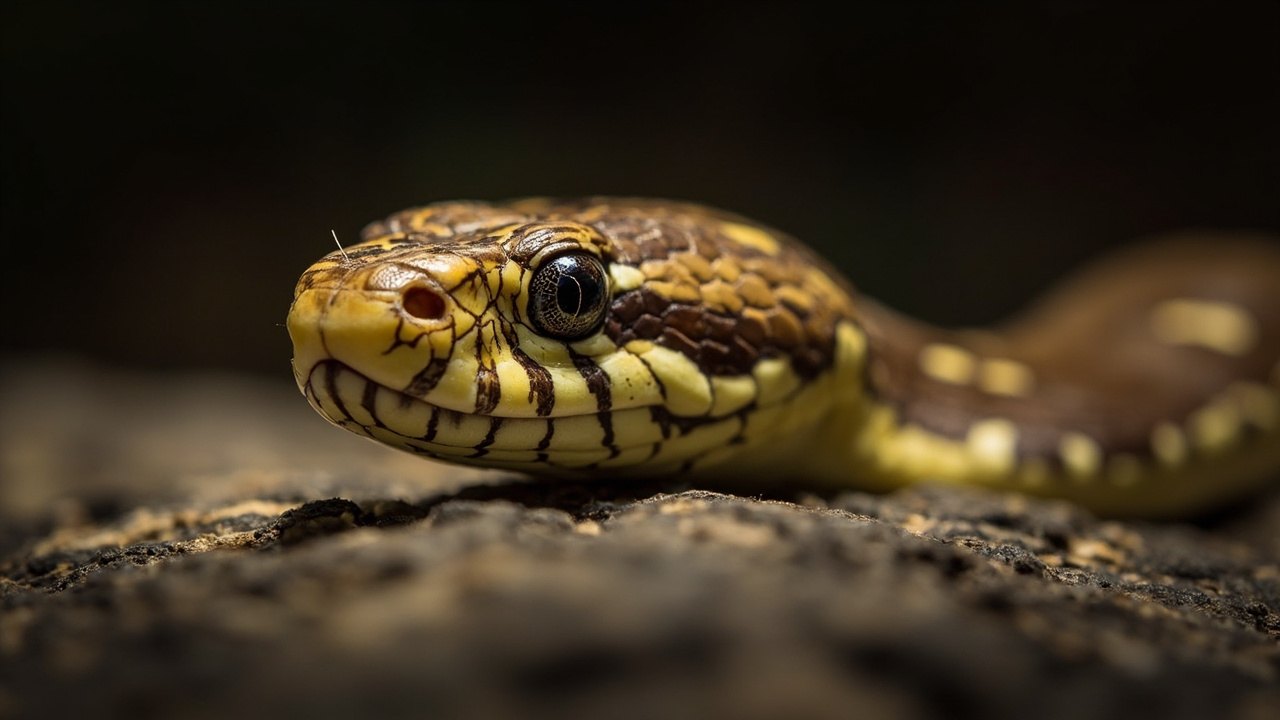
The Antiguan racer is a harmless snake found only in Antigua and Barbuda. By the mid-1990s, roughly 50 snakes survived on Great Bird Island after habitat change and introduced predators had eliminated the species from much of its former range. Rats were a severe threat on the last refuge, while mongooses had caused earlier losses on other islands.
Restoring More Than One Island
Conservation partners removed invasive rats and mongooses from selected offshore islands, then reintroduced racers to suitable restored sites. The programme also used monitoring, habitat work and public education. Fauna and Flora reports that the population grew from about 50 animals to more than 1,000 through this coordinated effort. The result is important because it spread risk beyond a single tiny island.
Recovery Requires Constant Biosecurity
Island recovery is not permanent once an invasive predator is removed. Boats, visitors and storms can create new pathways for rats and other threats. Ongoing checks, rapid response plans and local stewardship are therefore central to the racer’s future. The project shows why protecting endemic reptiles often means restoring the entire island community on which they depend.
Island Restorations Need Ongoing Checks
Removing rats or mongooses from a small island can create an opportunity for native wildlife, but the work does not end with the first successful survey. Boats, cargo, visitors and storm debris can provide new routes for invasive animals. Biosecurity plans need regular inspections, clear reporting routes and a rapid response before a new predator becomes established.
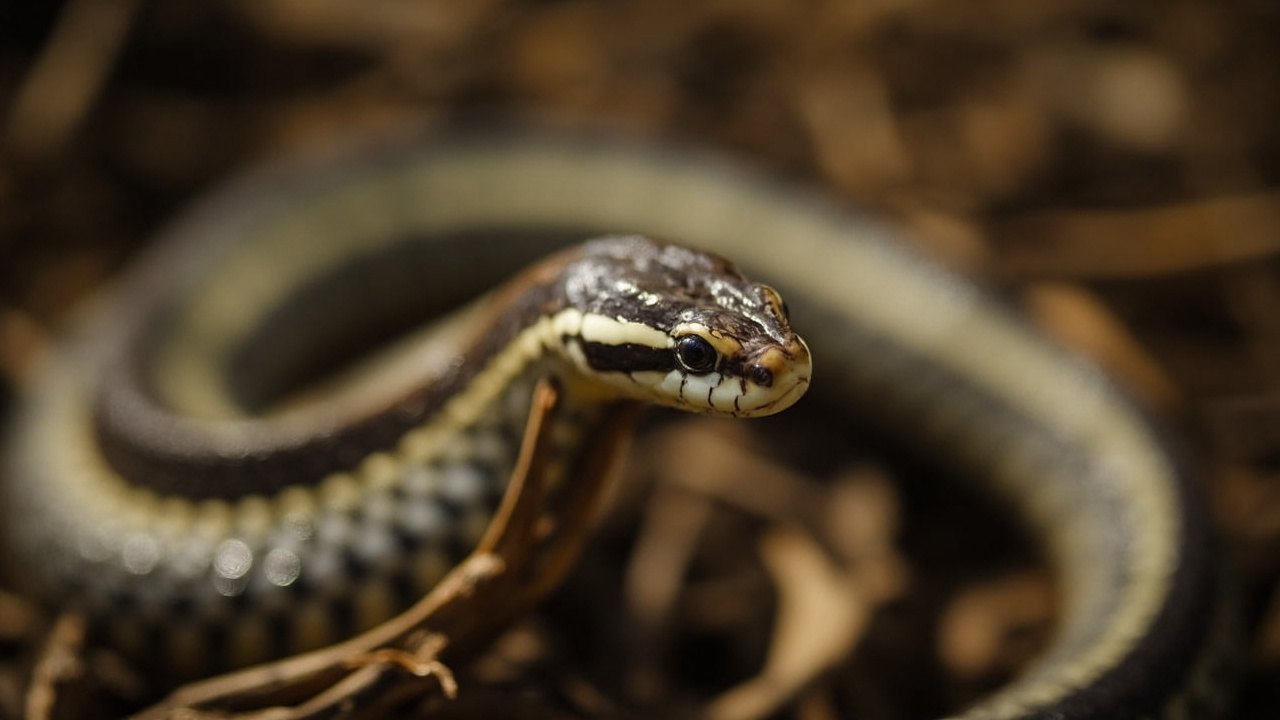
The Antiguan racer recovery is notable because it reduced the risk of keeping the species on one tiny refuge. That does not mean every restored island will have the same habitat, prey or shelter. Translocation decisions need site assessment, health precautions and monitoring after release.
Population Growth Needs Context
Higher counts are encouraging, but population estimates should be paired with information about reproduction, survival and habitat condition. A temporary increase after a release does not by itself show that a population can persist. Field teams can compare repeated surveys and assess whether young snakes are entering the population.
Rare Snakes Need Discreet Support
Visitors should follow island rules, avoid handling wildlife and avoid sharing exact locations for rare animals. Support for local conservation groups, invasive-species prevention and careful monitoring is more useful than seeking a close photograph.
Sources and review notes
Reviewed 23 August 2026. Conservation is rarely a one-step success story. We have kept the language specific about evidence, limits and local context, because a programme that helps one population may not transfer neatly to another.
Reference starting points: The IUCN Red List of Threatened Species, IUCN conservation-translocation guidelines, and the current CITES Appendices. Conservation status, taxonomy and local laws can change, so check the linked databases and the relevant local authority for current information.
Spotted something we should revisit? Send Reptile Explorer a correction—thoughtful reader feedback is always welcome.