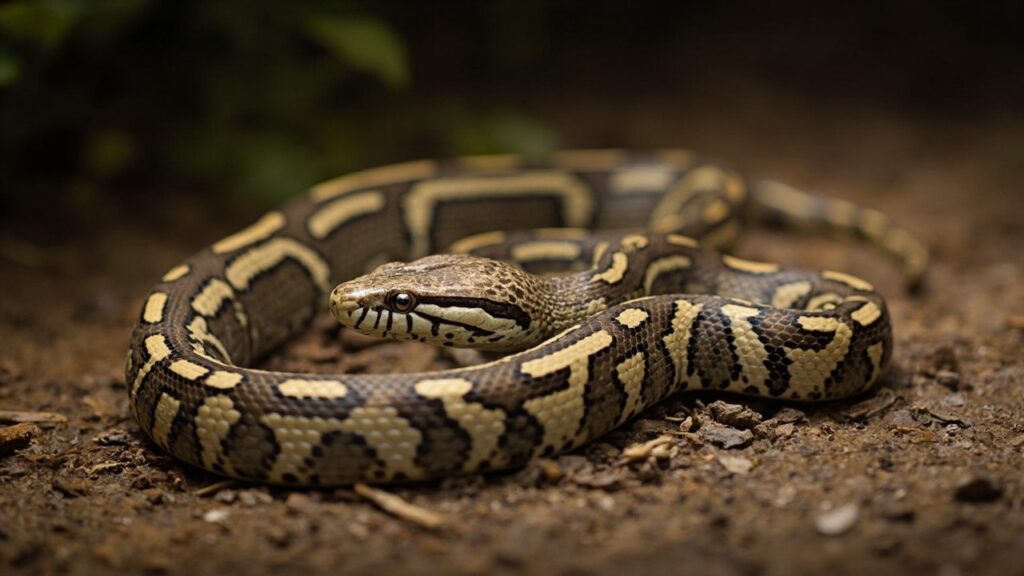
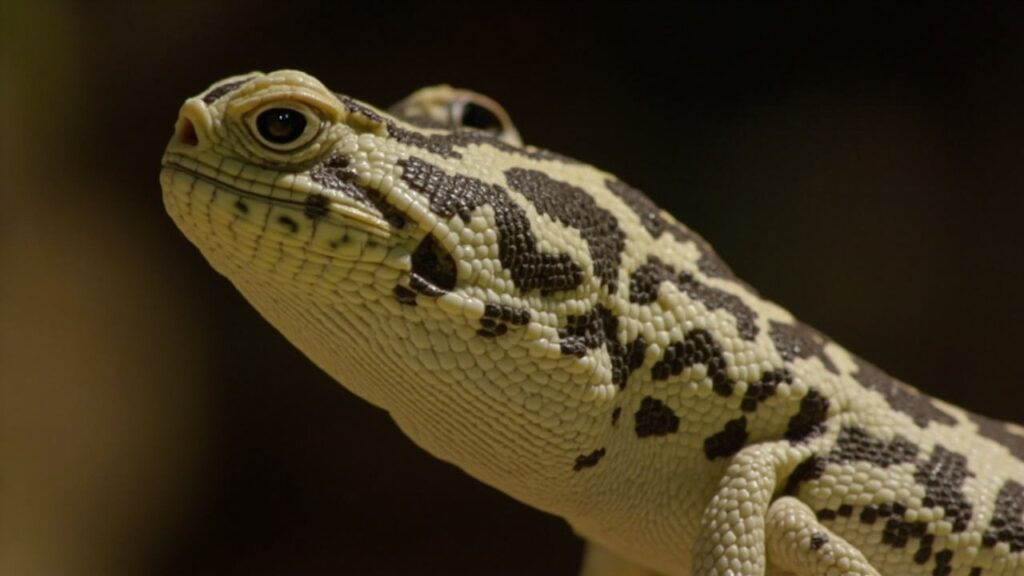
Alligators and crocodiles are both crocodilians, but they belong to different families. A few features can help with a first impression, yet no single photograph or rule identifies every animal with certainty.
Useful but not absolute clues
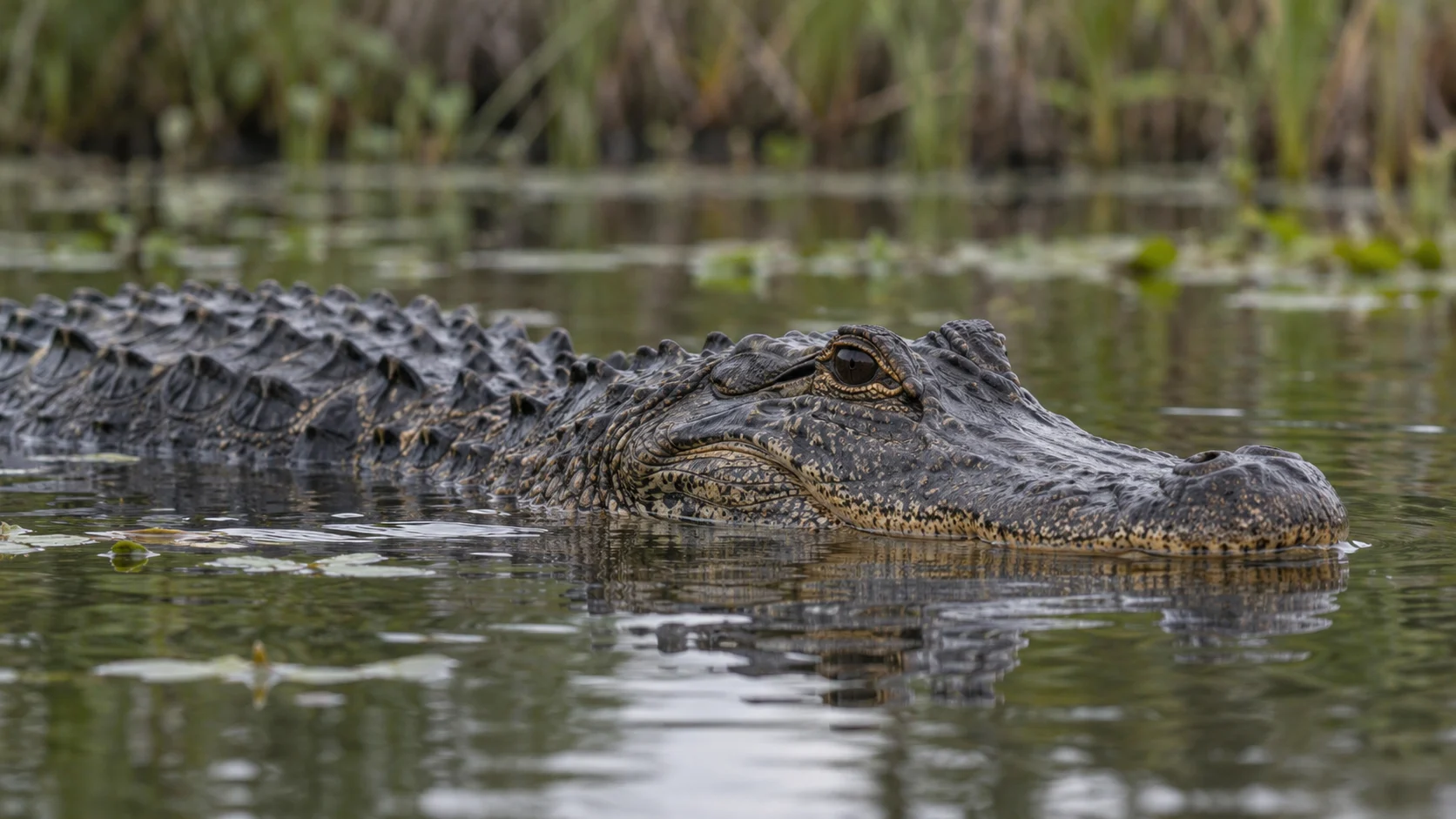
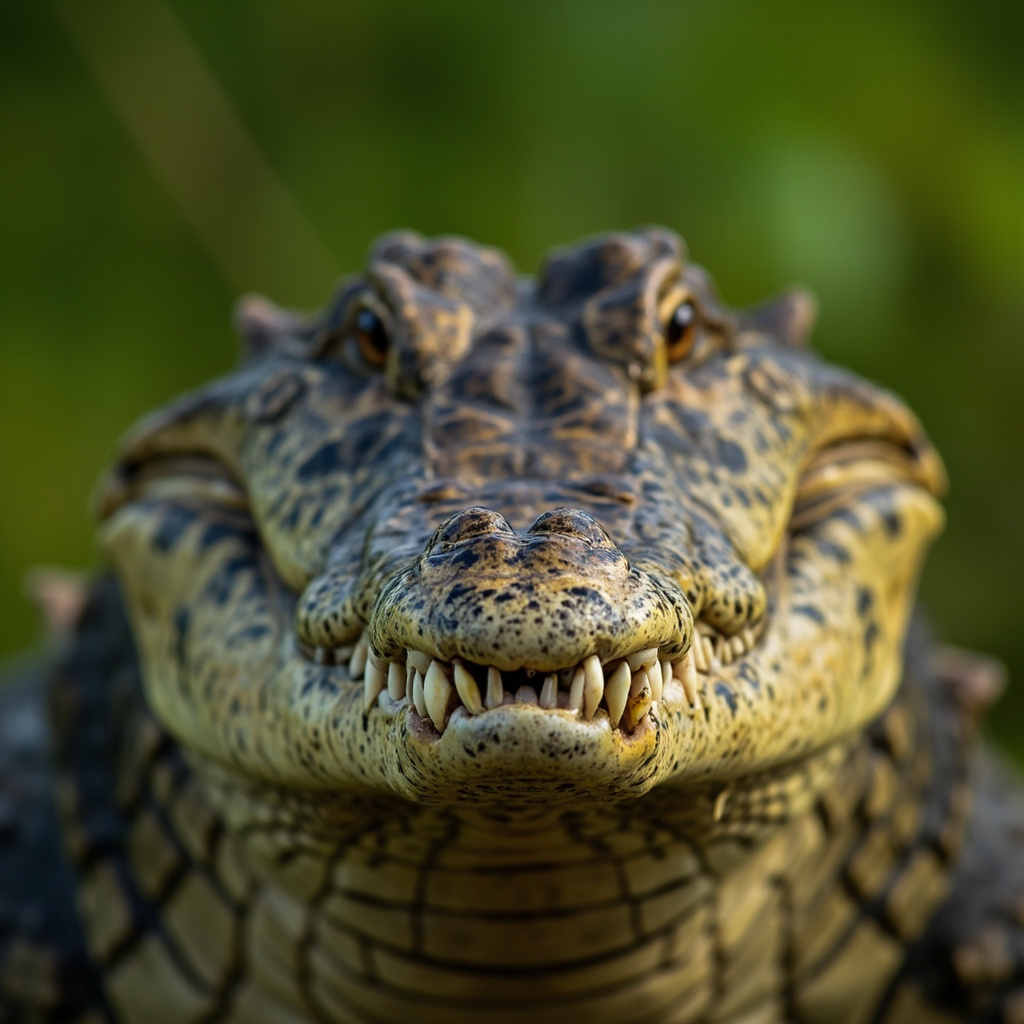
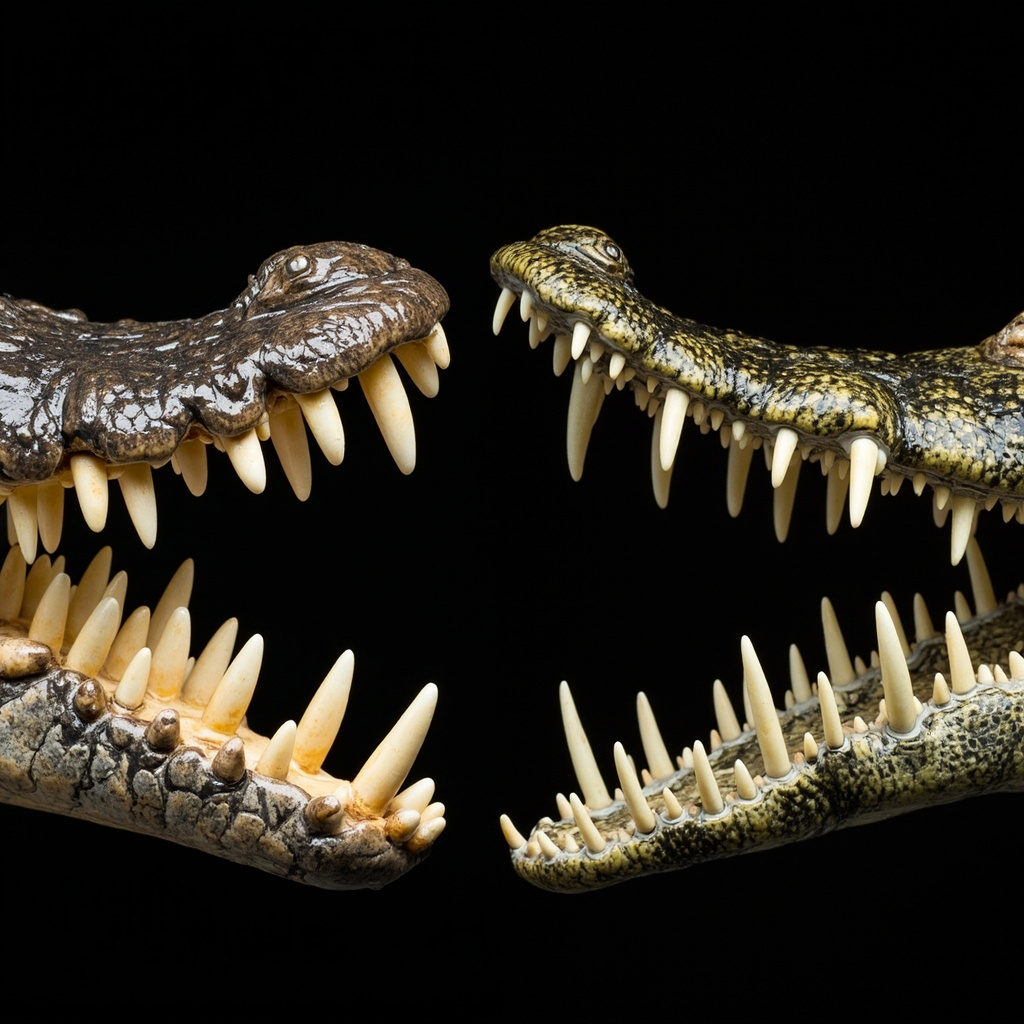
Alligators generally have broader, more rounded snouts. When an alligator closes its mouth, the large fourth tooth in the lower jaw usually fits into a socket and is not visible. Crocodiles often have narrower snouts, and the fourth lower tooth is commonly visible outside the closed mouth. Angle, species, age, and individual variation can complicate these clues.
Habitat and behaviour are not shortcuts
It is misleading to say that alligators are only freshwater animals or that every crocodile is more aggressive. Different species use different habitats, and danger depends on the species and situation. Any large crocodilian can cause serious injury and must be given substantial space.
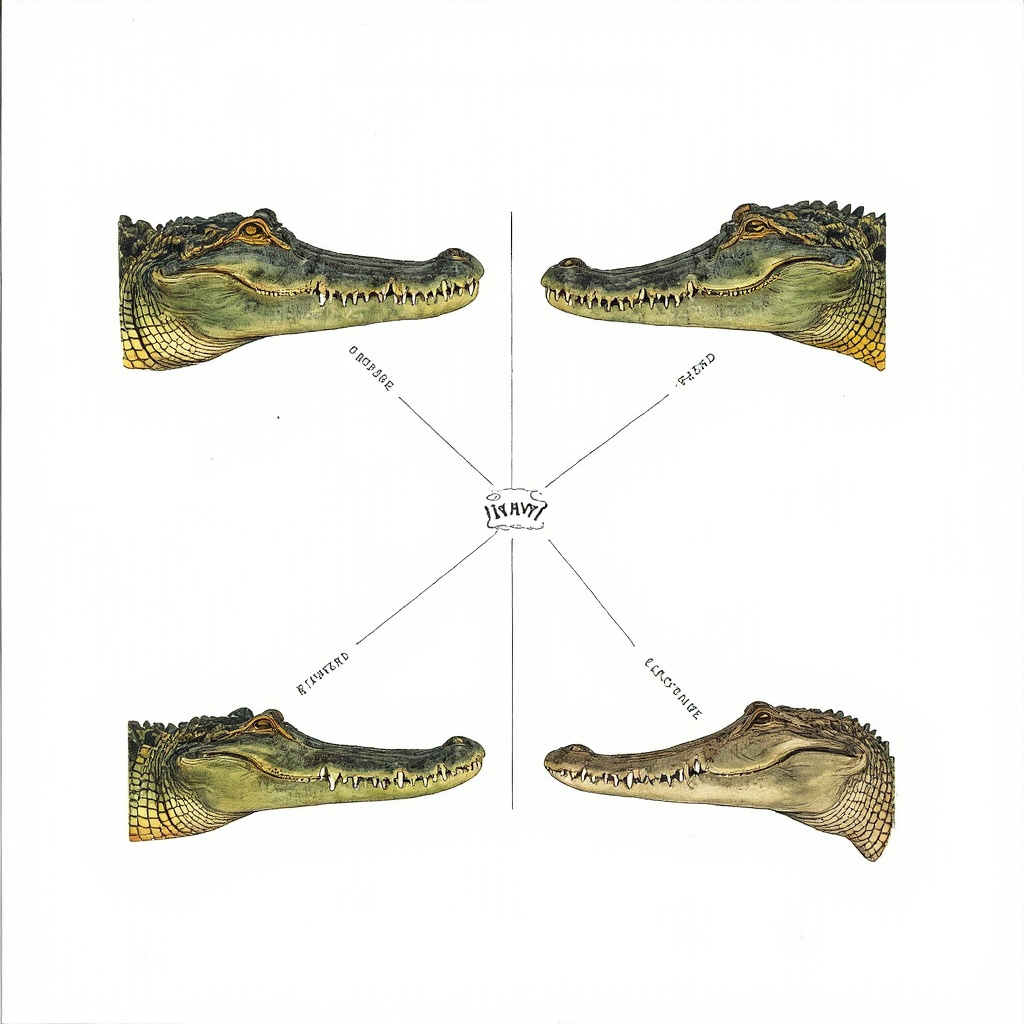
Identify by place and species
Range is often more helpful than a silhouette. Use a reliable local field guide or wildlife authority, and never approach an animal to inspect its teeth or snout. A matched, verified side-by-side image is far more useful than a single unlabelled stock photo.
Classification Gives the Comparison Its Meaning
Alligators belong to Alligatoridae, while crocodiles belong to Crocodylidae. Caimans are also alligatorids, which is one reason a simple alligator-versus-crocodile chart cannot identify every crocodilian. Family names describe relatedness, but field identification still requires the species, range and visible features.
Snout shape and the fourth lower tooth are useful clues for familiar species, not a licence to make a close inspection. Young animals, poor light, an open mouth and an unusual viewing angle can hide or distort the relevant features. A label should remain uncertain when the evidence is incomplete.
Water Type Does Not Define Safety
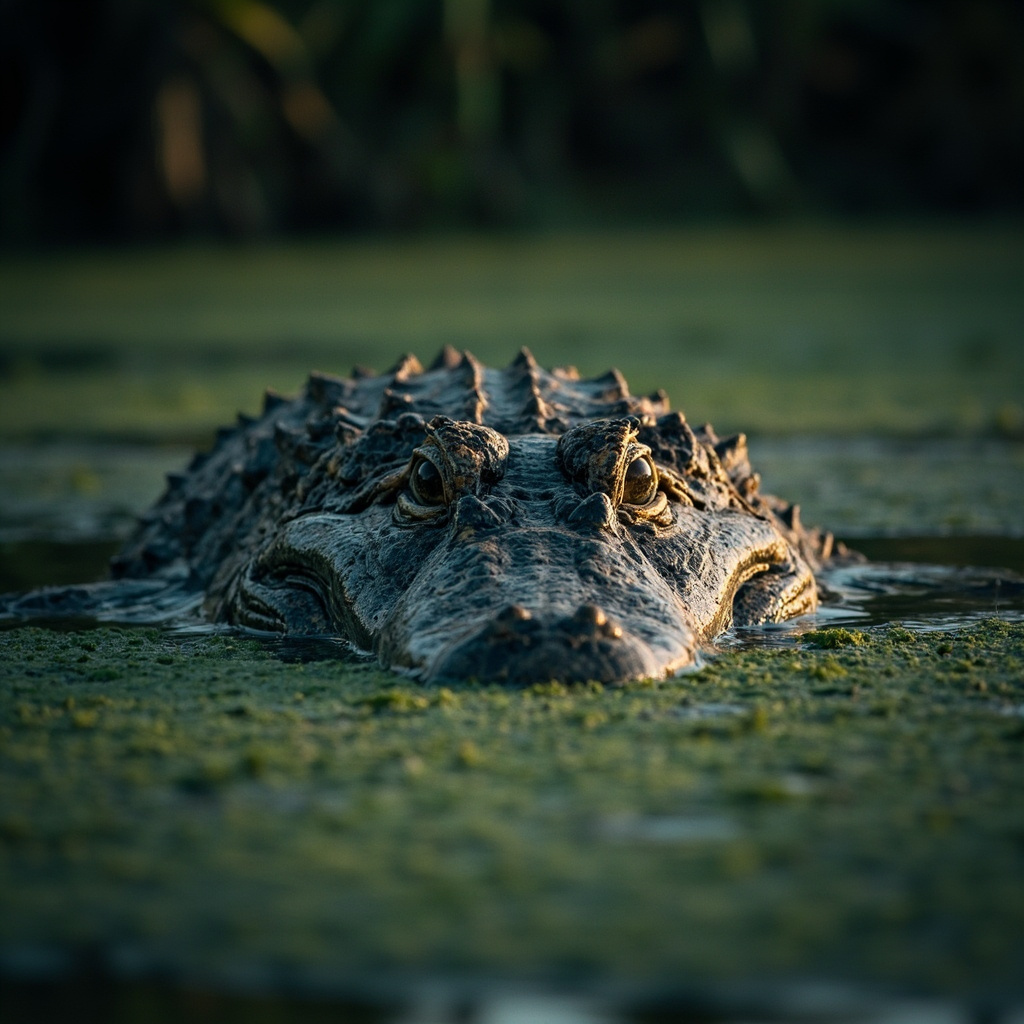
Some crocodilian species tolerate brackish or salt water better than others, but water type is not a safety test. An alligator or crocodile near shore can react to a person, dog, boat or nest disturbance. Never feed, approach or attempt to relocate one based on a general comparison of their behaviour.
Use Local Sources and Keep Your Distance
Range maps, wildlife agencies and verified photographs are safer tools than guessing from a silhouette. If an animal is near a home, path or swimming area, contact the relevant authority. The priority is preventing a close encounter, not winning an identification contest.
Sources and review notes
Reviewed 23 August 2026. Reptile biology is wonderfully variable. We have avoided turning one species, photograph or dramatic observation into a rule for an entire group, and we have used cautious wording where evidence or local conditions differ.
Reference starting points: The Reptile Database, The IUCN Red List of Threatened Species, and PubMed-indexed research. Conservation status, taxonomy and local laws can change, so check the linked databases and the relevant local authority for current information.
Spotted something we should revisit? Send Reptile Explorer a correction—thoughtful reader feedback is always welcome.