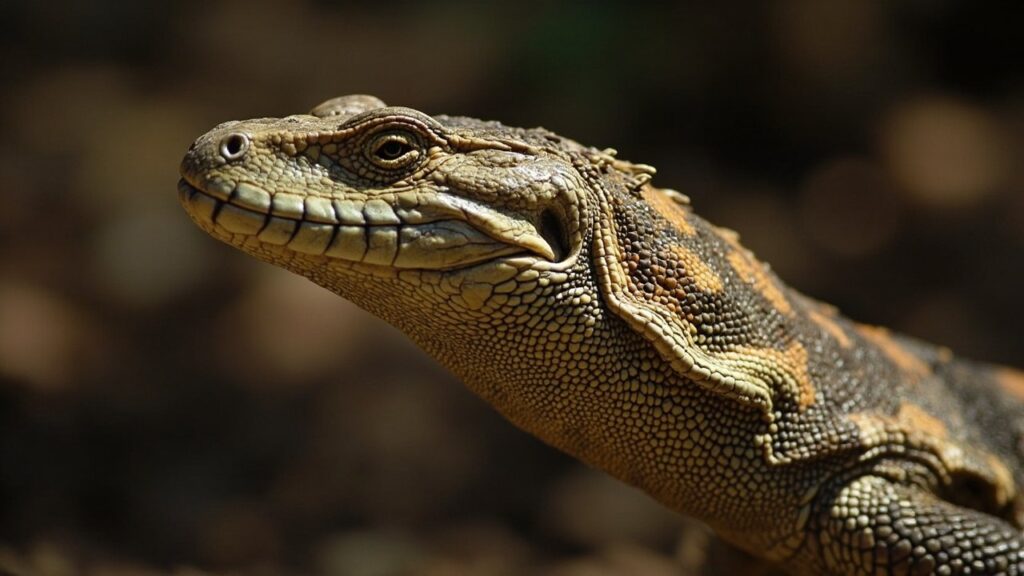
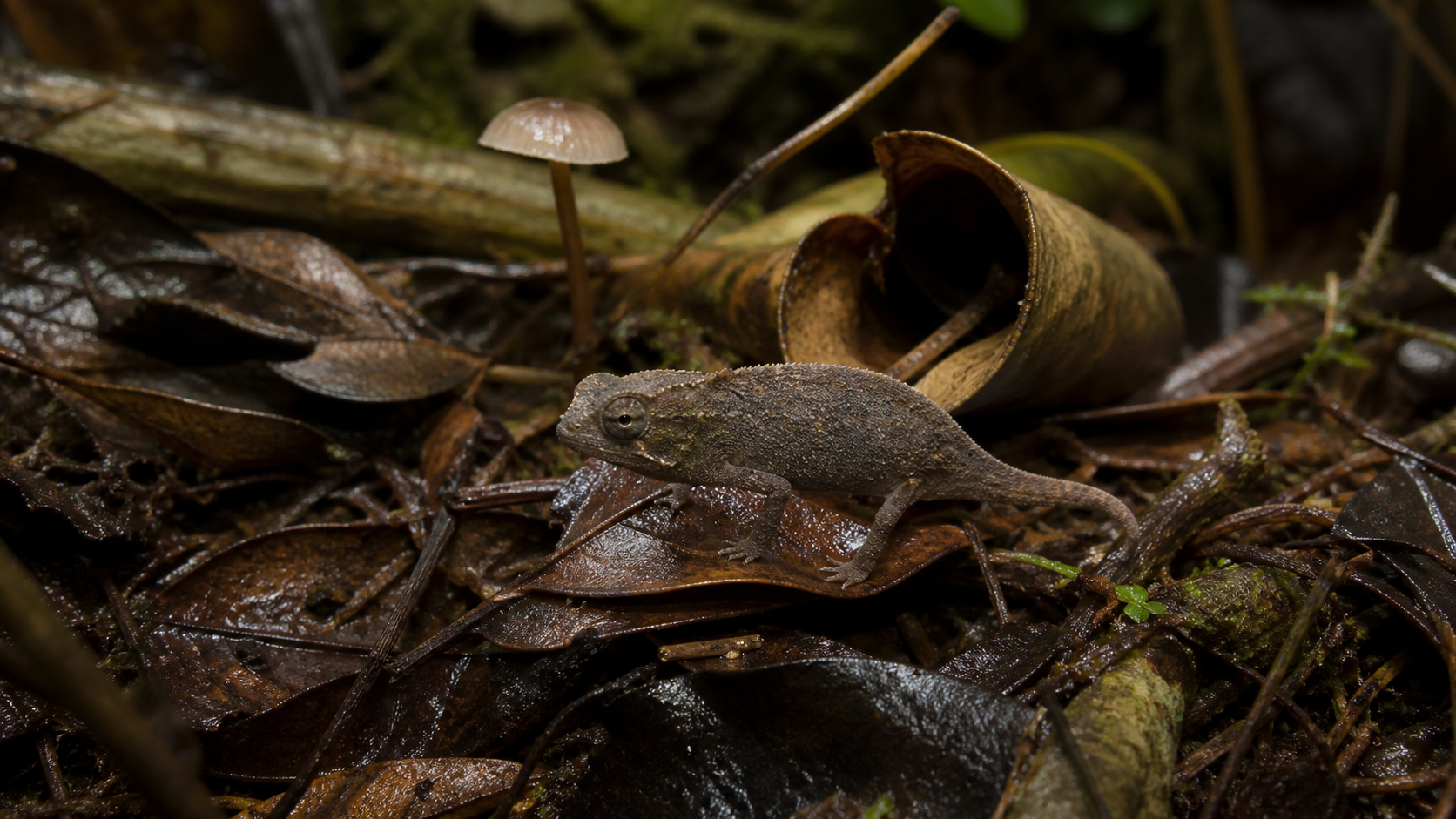
The pygmy leaf chameleon Brookesia minima is a tiny ground-dwelling chameleon from Madagascar. It is one of the smallest chameleons, but it should not automatically be presented as the smallest: several Brookesia species are exceptionally small and the comparison depends on how size is measured.
Life in leaf litter
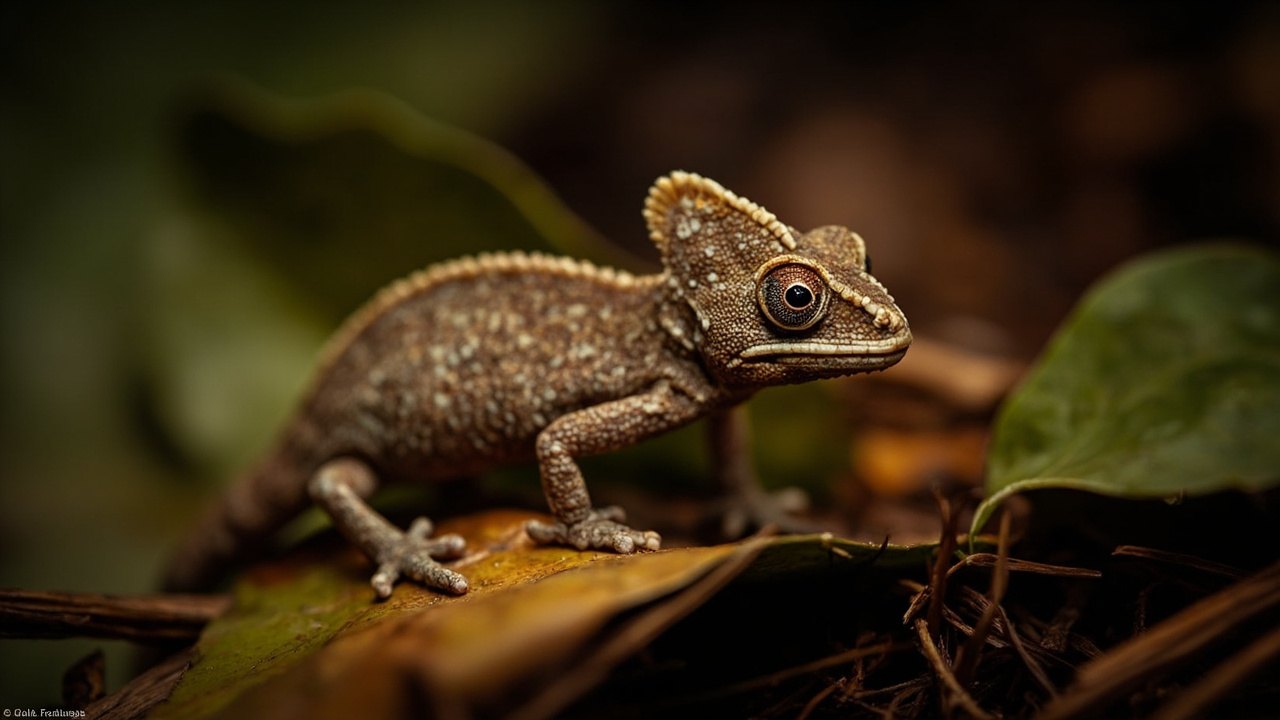
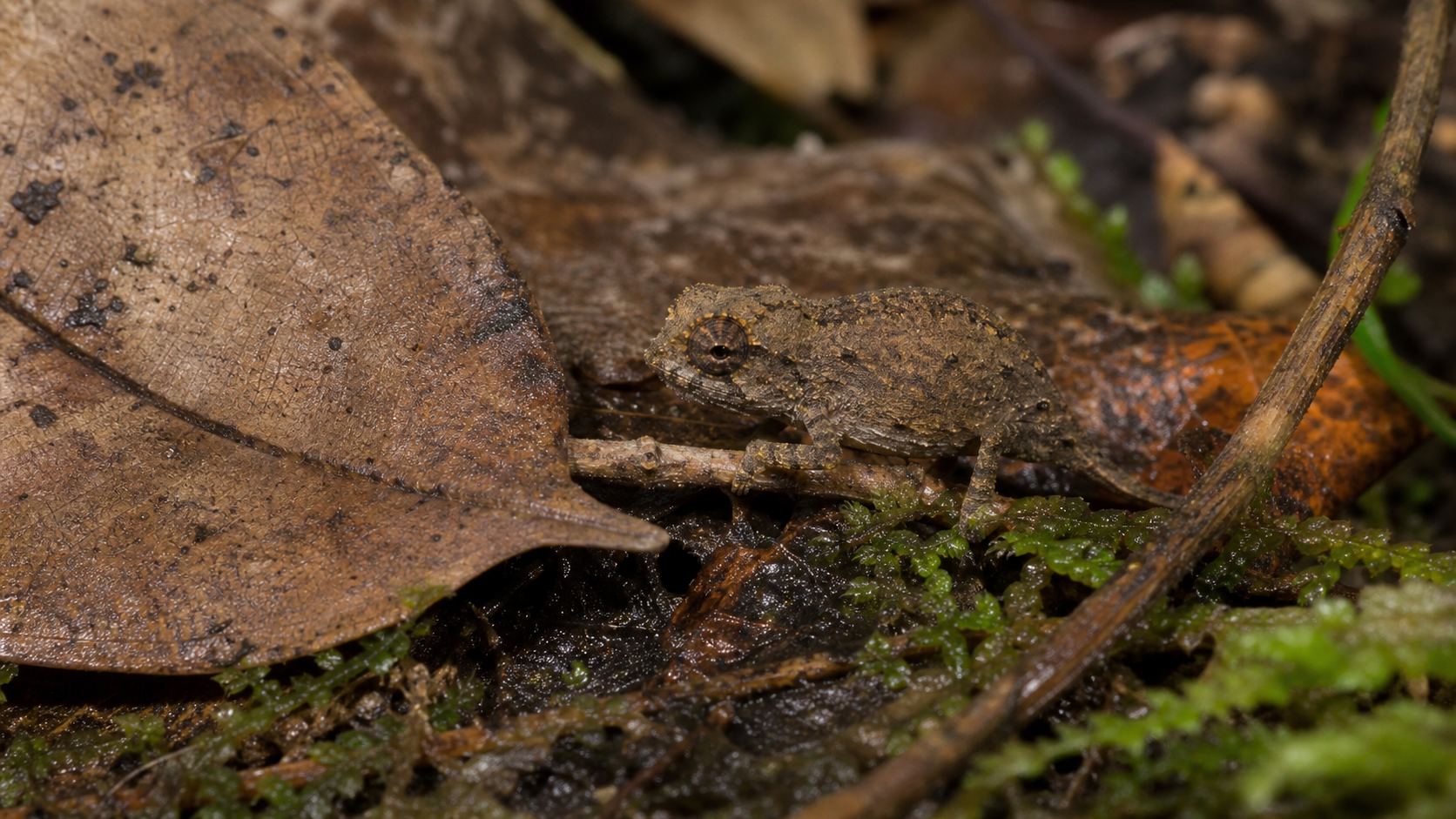
Brookesia minima lives in forest-floor vegetation and leaf litter, where muted colours and small size help it remain difficult to spot. Like other chameleons, it has independently moving eyes and a projectile tongue for catching small invertebrates. Its habitat is not a terrarium display; it is a complex, humid forest ecosystem.

Conservation and trade
The species is listed as Endangered. Habitat loss and collection pressure can affect small-range Malagasy reptiles quickly. International trade in Brookesia is regulated under CITES Appendix II, which requires permits and controls; it is not a blanket statement that every sale is automatically prohibited.
Species-specific care matters
Highly specific captive-breeding or incubation prescriptions should not be copied from a generic web page. Conditions vary by species and source population, and wild collection should never be encouraged. People considering any chameleon should seek lawful, captive-bred animals and advice from an experienced reptile veterinarian or reputable specialist.
Avoid misleading comparisons
Madagascar’s Brookesia species should not be treated as interchangeable with African pygmy chameleon groups such as Rieppeleon and Rhampholeon. Similar size or leaf-litter habits do not make them the same animal or erase their different evolutionary histories.
Leaf Litter Is a Living Microhabitat
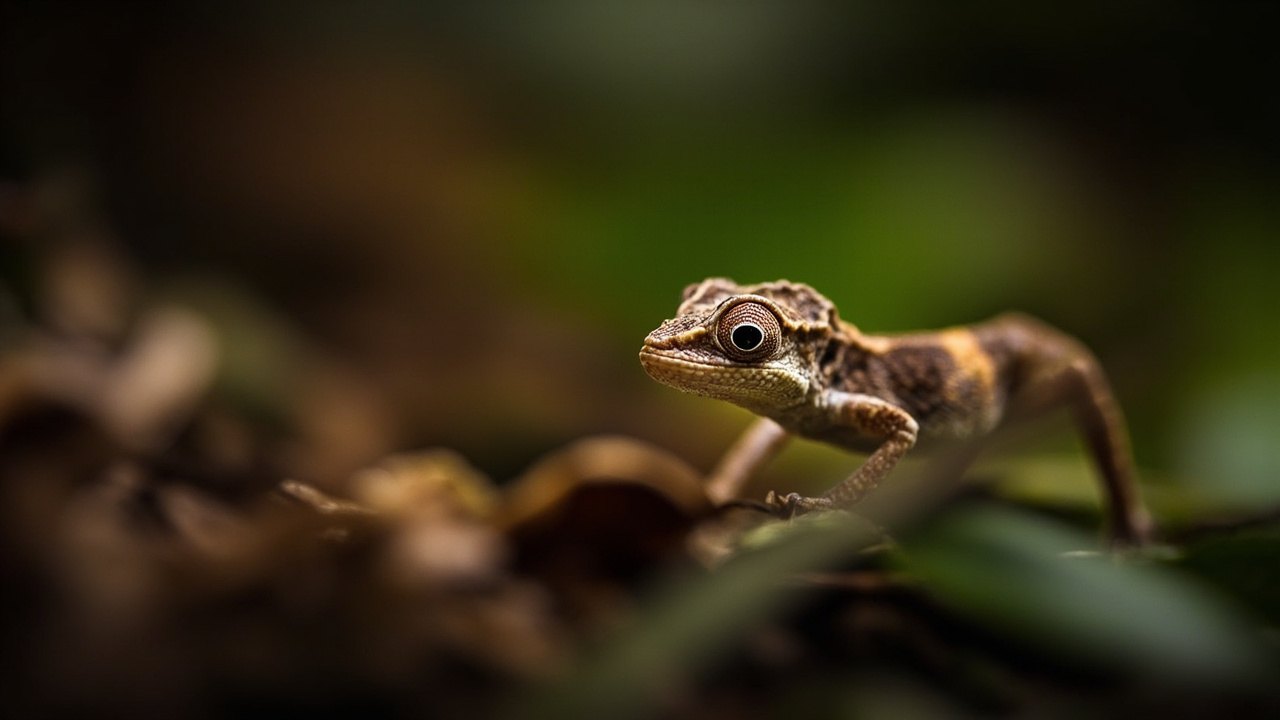
Fallen leaves, small branches, fungi and invertebrates create cover and feeding opportunities on a forest floor. Removing or compressing that layer can change humidity, hiding places and the prey available to a very small chameleon. The species should be viewed carefully from a distance, because even a brief search through leaf litter can disturb an animal that depends on remaining concealed.
Small Size Does Not Mean Simple Care
A tiny reptile can be difficult to monitor, transport and feed appropriately. It is vulnerable to dehydration, escape and accidental injury during handling. Size should not be used as a reason to regard it as a beginner animal. Anyone considering a captive chameleon needs to verify lawful origin, specialist support and the ability to meet its needs before acquiring one.
Names Need Careful Use
Common names such as pygmy or leaf chameleon can be applied broadly, while scientific names identify a particular species. A close photograph may not be enough to confirm an identification. Conservation records, captive care and trade controls are more reliable when the exact species and source are known.
Sources and review notes
Reviewed 23 August 2026. Reptile biology is wonderfully variable. We have avoided turning one species, photograph or dramatic observation into a rule for an entire group, and we have used cautious wording where evidence or local conditions differ.
Reference starting points: The Reptile Database, The IUCN Red List of Threatened Species, and PubMed-indexed research. Conservation status, taxonomy and local laws can change, so check the linked databases and the relevant local authority for current information.
Spotted something we should revisit? Send Reptile Explorer a correction—thoughtful reader feedback is always welcome.