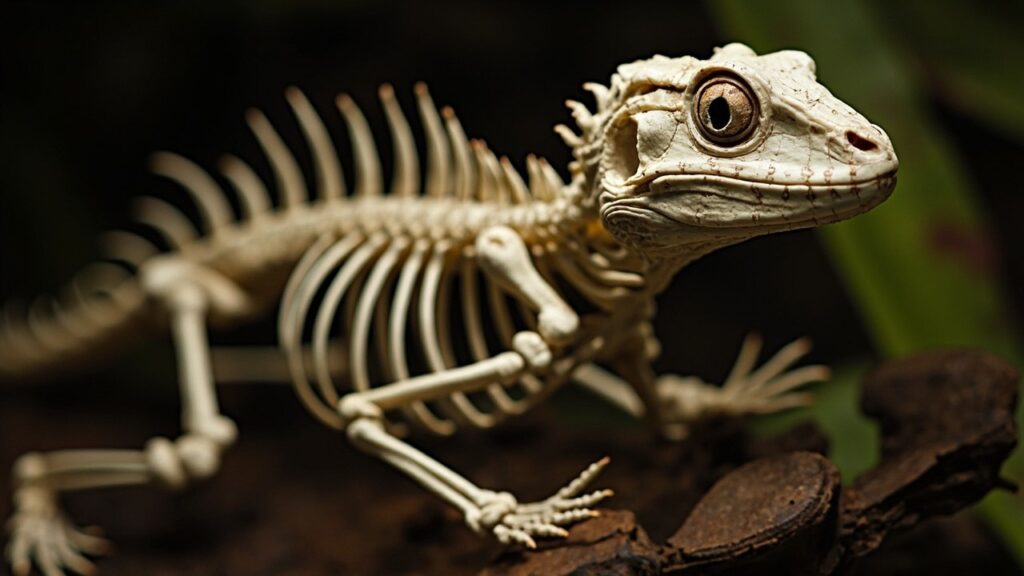
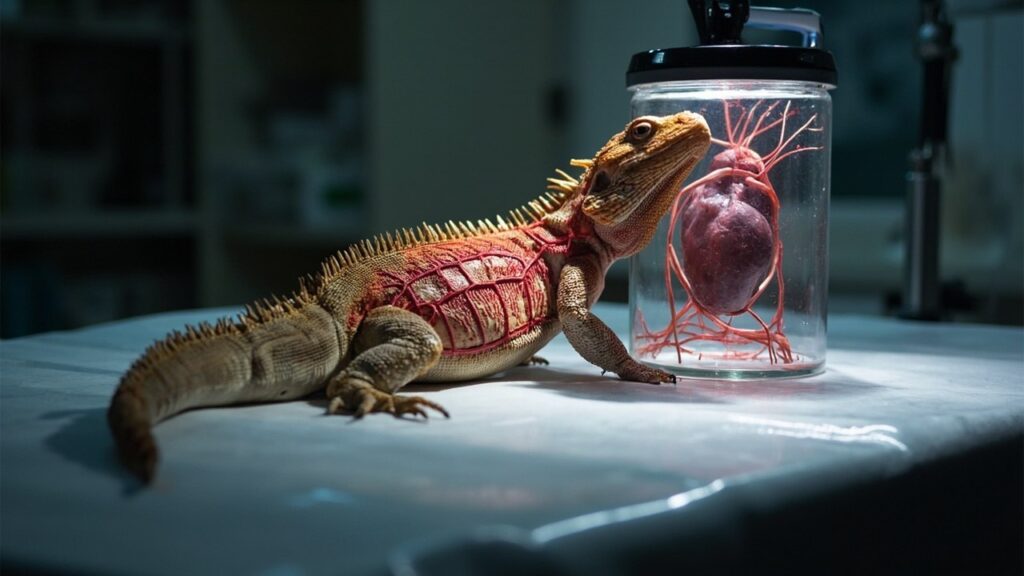
Different bodies use muscles differently
Reptiles share the basic vertebrate pattern of muscles attached to a skeleton, yet their movement systems vary widely. Snakes rely heavily on muscles of the trunk and tail to push against the ground, water, or branches. Lizards, turtles, crocodilians, and tuatara combine trunk muscles with muscles of the limbs, neck, and tail in ways shaped by their body form and habitat.
Movement depends on more than strength
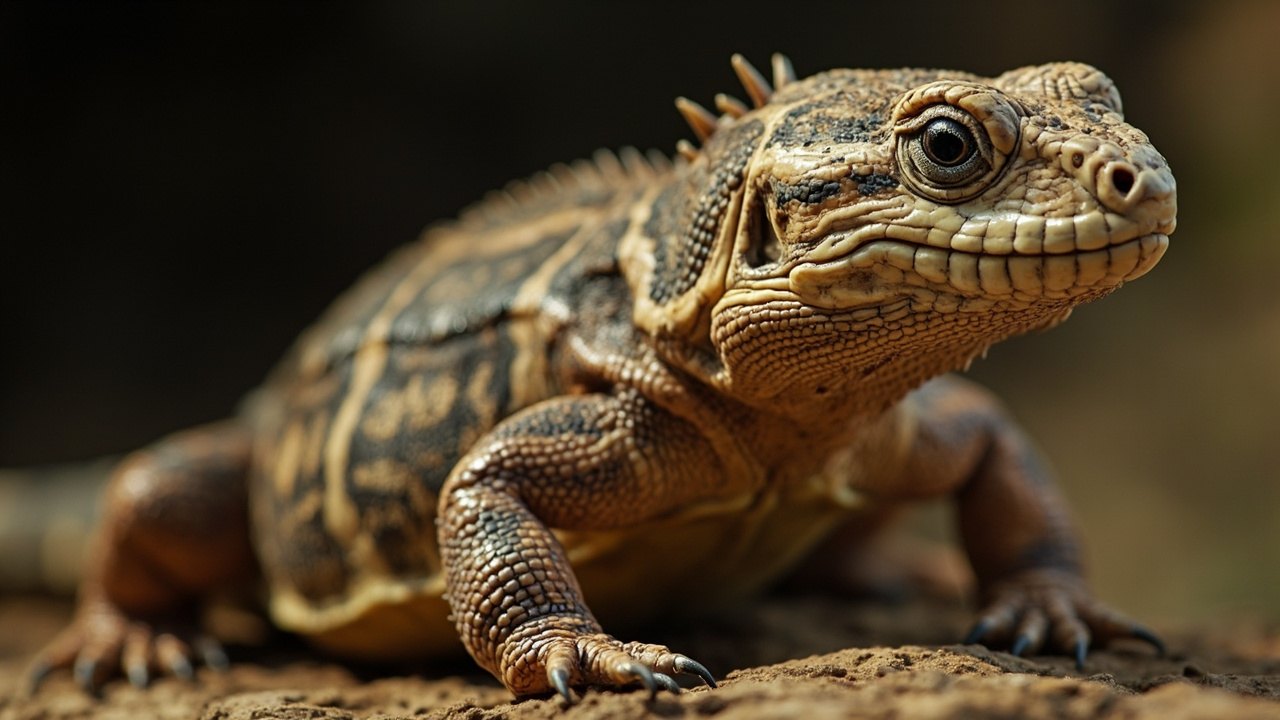
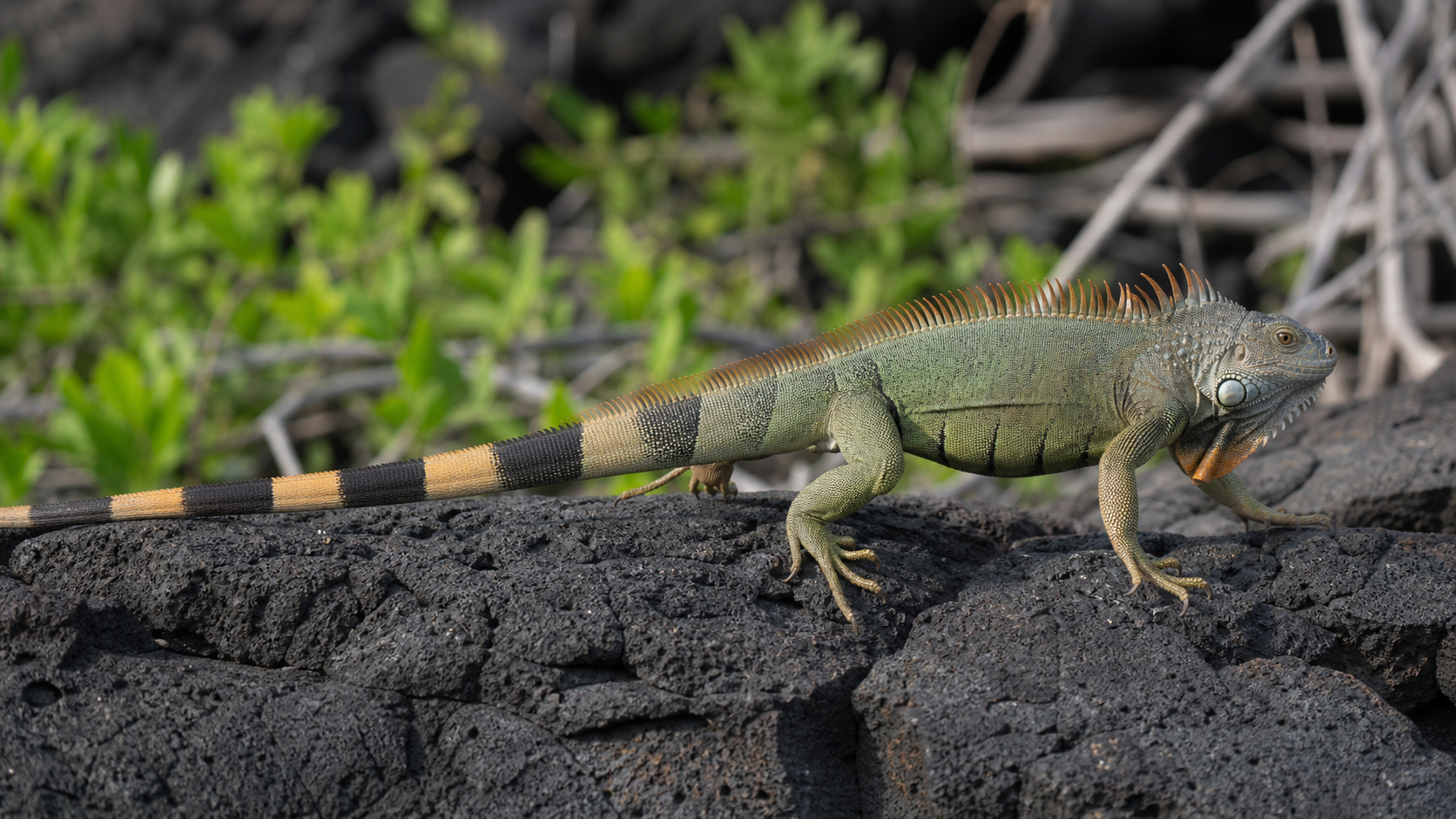
Muscles work with joints, tendons, body shape, and the surface beneath the animal. A lizard sprinting on rock, a turtle swimming, and a snake moving through grass face different mechanical demands. Because reptiles are ectotherms, body temperature can strongly affect muscle performance, coordination, and recovery after exertion. This is one reason behavioural thermoregulation is so important.
Specialization has limits
A powerful tail may aid swimming, balance, defense, or courtship, while a flexible trunk can support climbing or limbless movement. These features should not be treated as universal traits of all reptiles. Anatomy is best understood in the context of a particular species, its ancestry, and how it moves through its usual environment.
Movement Comes From Linked Structures
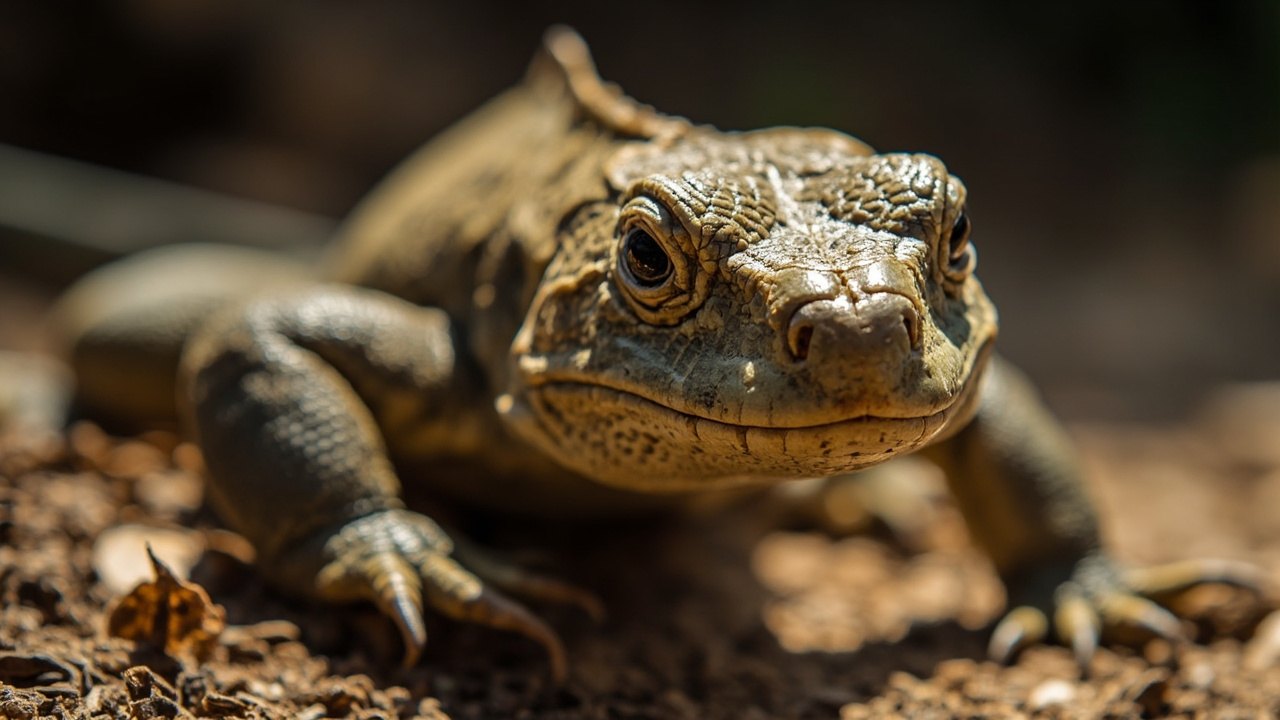
Muscles act through tendons and joints, so a reptile’s movement cannot be explained by muscle size alone. The skeleton provides attachment points and mechanical advantage, while ligaments, skin, body shape and the surface under the animal all affect the result. A climbing gecko, a swimming turtle and a running lizard use different combinations of structures and movements.
Axial muscles along the body are especially important in snakes and many lizards, where they contribute to bending, locomotion and breathing mechanics. Limb muscles provide force and control in species that walk, dig, climb or swim. These broad patterns still vary between species and behaviours.
Posture Changes Function
The same muscle group can be used differently when an animal is resting, accelerating, climbing or holding position against a current. Temperature also affects muscle performance in ectotherms, which is one reason that reptiles may select a warmer or cooler microhabitat before activity.
Observe Function Without Forcing It
A healthy animal should not be repeatedly handled to make it demonstrate strength or movement. Persistent weakness, dragging, tremors or changes in posture can have several causes and should be assessed by a reptile-qualified veterinarian. Anatomy provides context, but it does not replace a clinical examination.
Sources and review notes
Reviewed 23 August 2026. Fossils, anatomy and family trees become more interesting—not less—when uncertainty is made visible. We have separated well-supported observations from interpretations that may change as new specimens and studies appear.
Reference starting points: The Reptile Database, PubMed-indexed research, and Smithsonian natural-history resources. Conservation status, taxonomy and local laws can change, so check the linked databases and the relevant local authority for current information.
Spotted something we should revisit? Send Reptile Explorer a correction—thoughtful reader feedback is always welcome.