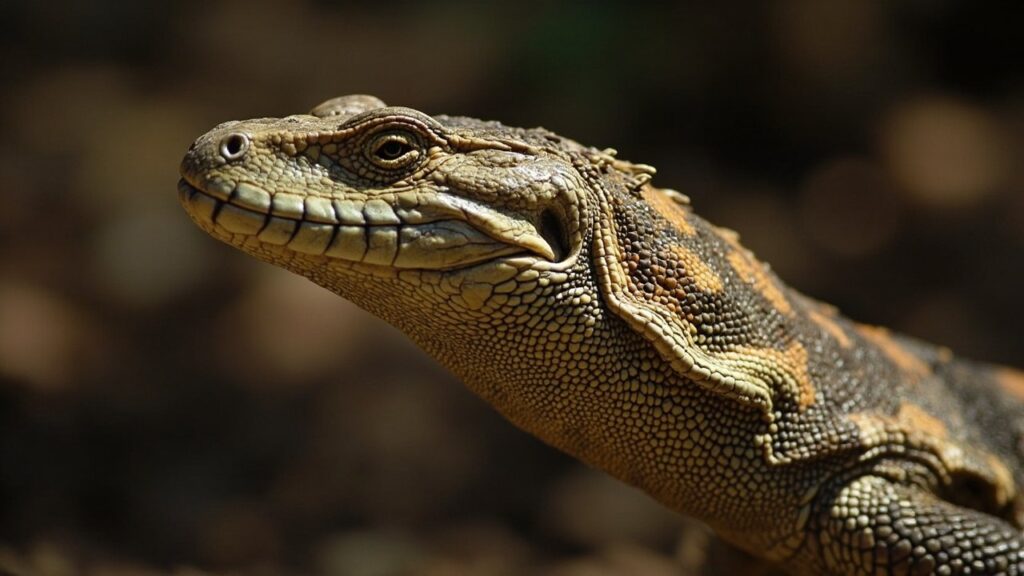
No single reptile sensory system
Reptiles do not experience the world in one uniform way. Visual ability, hearing, chemical sensing, and sensitivity to vibration differ among turtles, crocodilians, snakes, lizards, and tuatara. Some species are active in bright daylight, some at night, and some in water or underground. Their sensory equipment reflects those different ways of living.

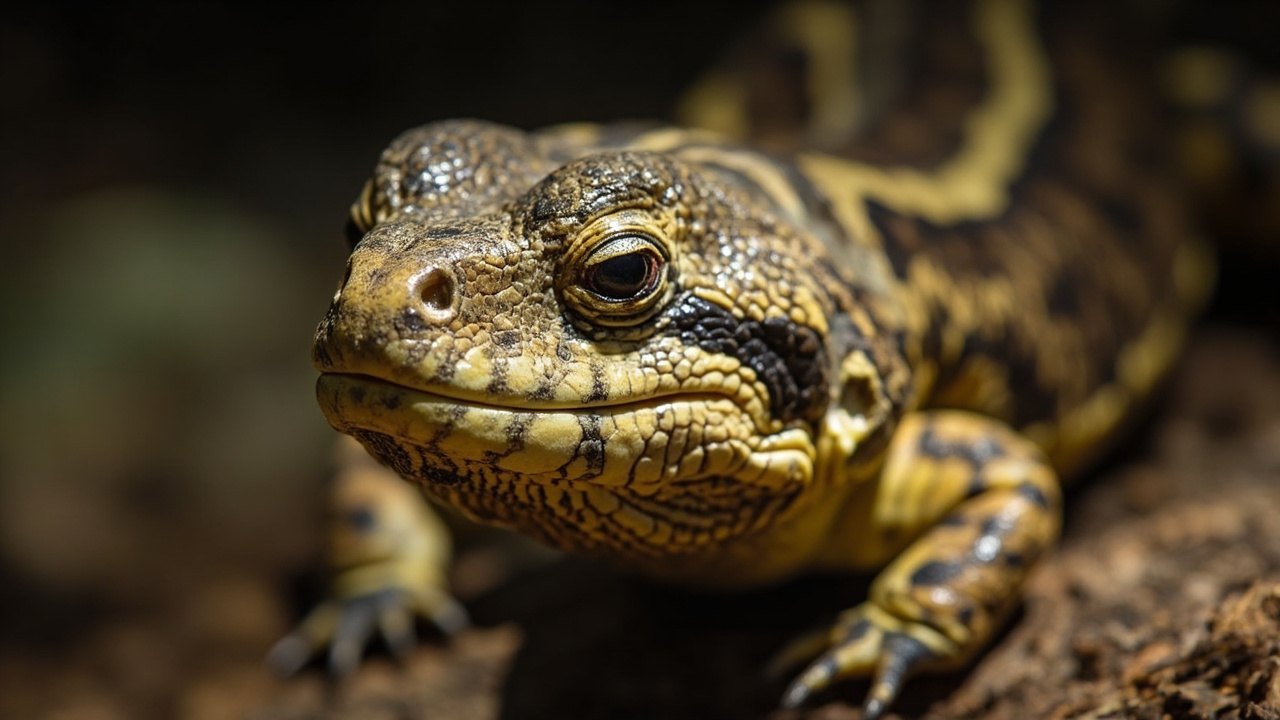
Chemical and thermal information
Many snakes and lizards collect chemical particles with the tongue and deliver them to the vomeronasal organ in the mouth. This system helps locate food, mates, and familiar places. Some snakes, including pit vipers, boas, and pythons, also have specialized heat-sensitive pits that detect infrared radiation. Heat sensing is an exceptional adaptation, not a feature of every snake or reptile.
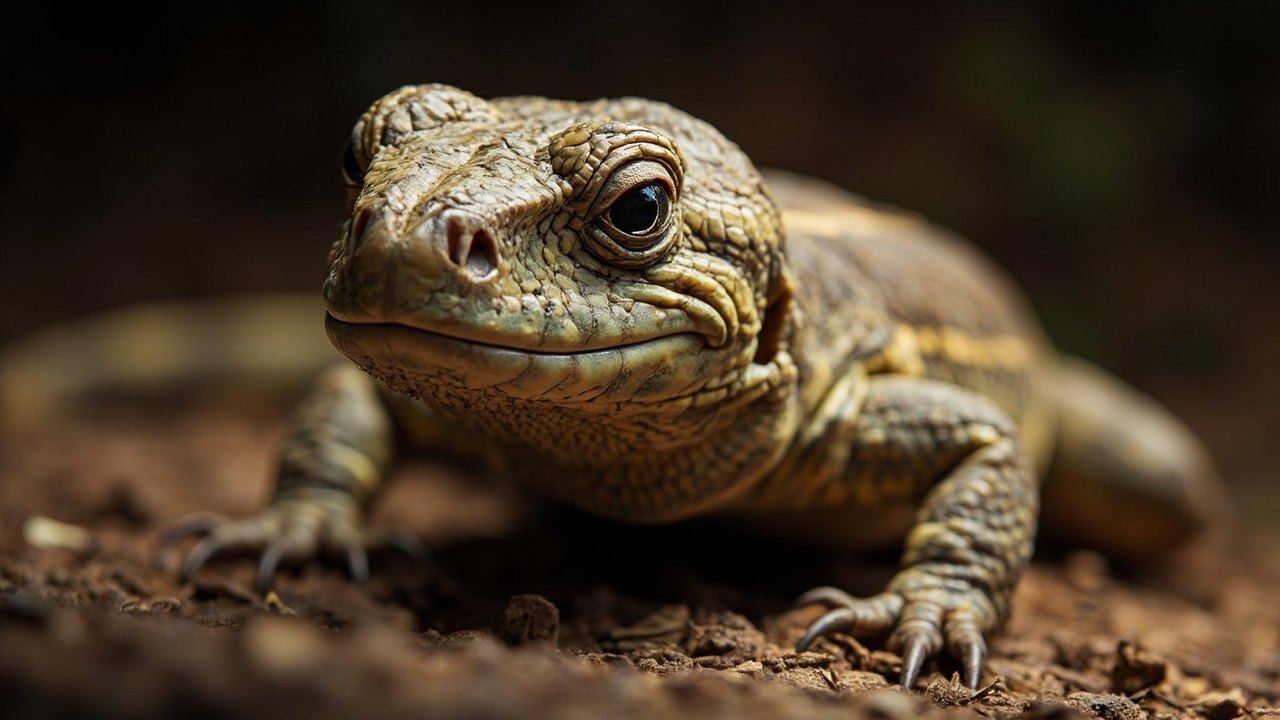
Sound, vibration, and context
Many reptiles can detect sound or vibration, but the structures involved and the useful frequencies vary by group. Crocodilians can respond to airborne and underwater sound, while snakes lack external ear openings and are especially responsive to vibrations transmitted through the ground and body. A single movement or posture cannot reveal exactly what an animal senses, so wildlife should be observed from a respectful distance.
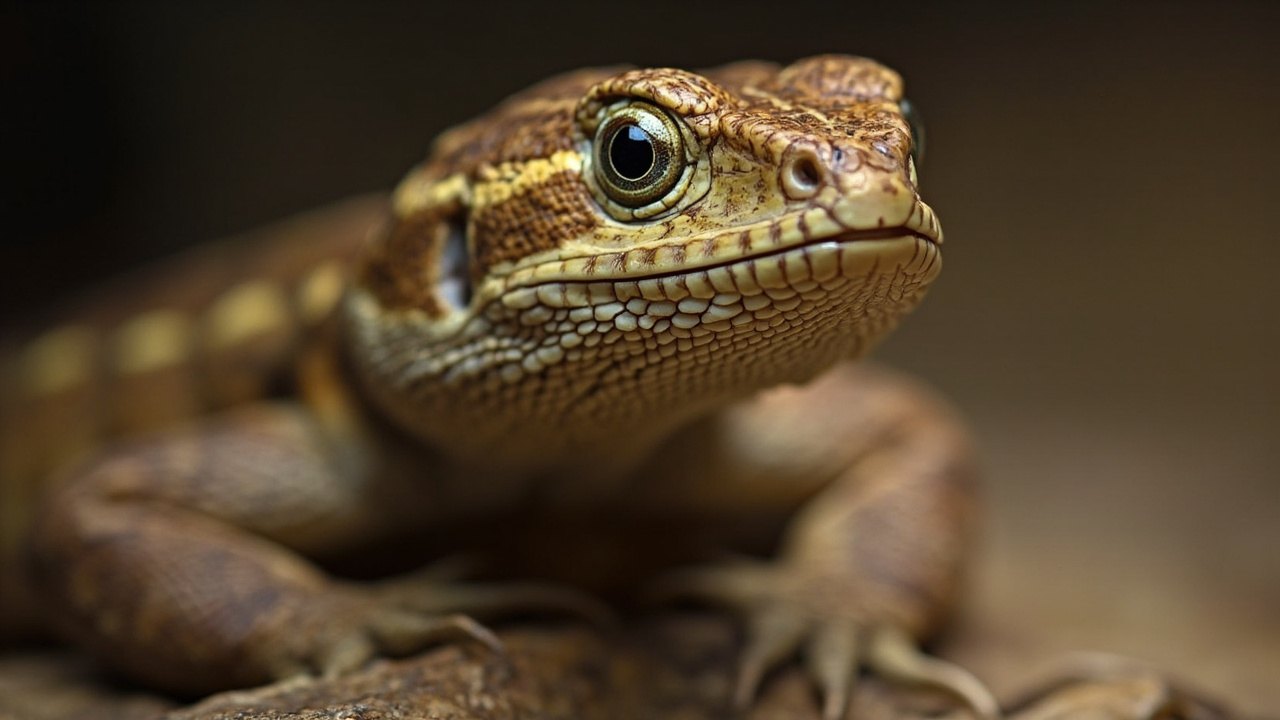
Senses Work Together During Normal Behaviour
A reptile often combines several forms of information rather than relying on one sense alone. A snake may use chemical traces, vibration and visual cues while moving through cover. A turtle may use vision and water movement, while a crocodilian can respond to vibrations and sound around its body. The information that matters depends on the species, habitat and behaviour.
Heat-sensitive pits occur only in some snakes. They detect infrared radiation and can assist in locating warm objects, but they do not give every snake a simple thermal picture of the world. Likewise, a tongue flick is usually part of chemical sampling, not proof that an animal is angry or hungry.
Human Assumptions Can Disturb Wildlife
Bright lights, vibrations, close cameras and repeated handling can change how an animal behaves. A reptile that remains motionless may be hiding, resting or responding to disturbance. Give it space and avoid testing its reaction to a sound, scent or object for entertainment.
Captive Conditions Should Respect Sensory Needs
Appropriate cover, stable lighting, predictable movement around the enclosure and limited unnecessary handling can reduce stress. The exact arrangement should follow reliable care information for the species. Persistent changes in activity, feeding or posture should be assessed with husbandry records and professional veterinary advice.
Sources and review notes
Reviewed 23 August 2026. Reptile biology is wonderfully variable. We have avoided turning one species, photograph or dramatic observation into a rule for an entire group, and we have used cautious wording where evidence or local conditions differ.
Reference starting points: The Reptile Database, The IUCN Red List of Threatened Species, and PubMed-indexed research. Conservation status, taxonomy and local laws can change, so check the linked databases and the relevant local authority for current information.
Spotted something we should revisit? Send Reptile Explorer a correction—thoughtful reader feedback is always welcome.