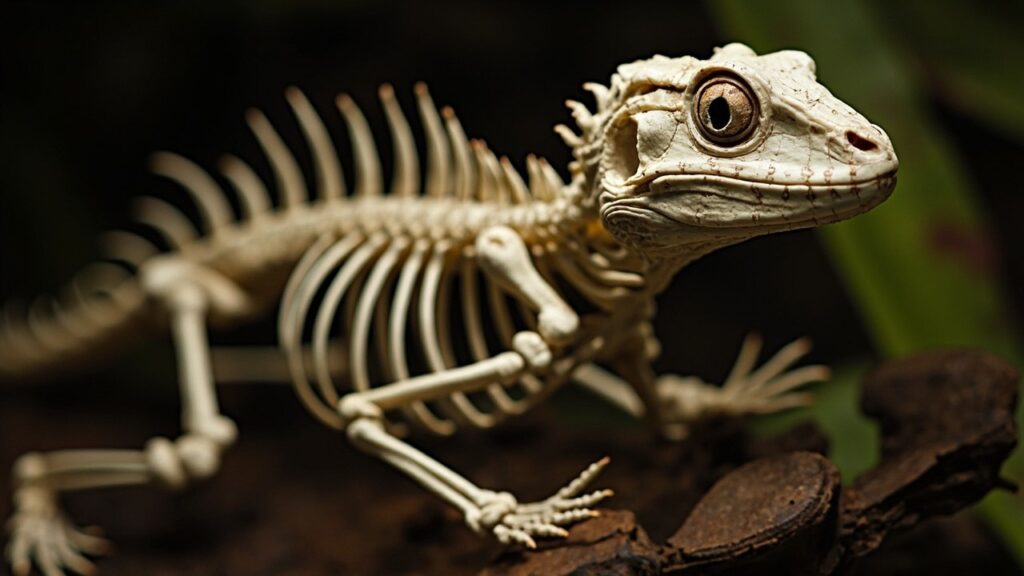
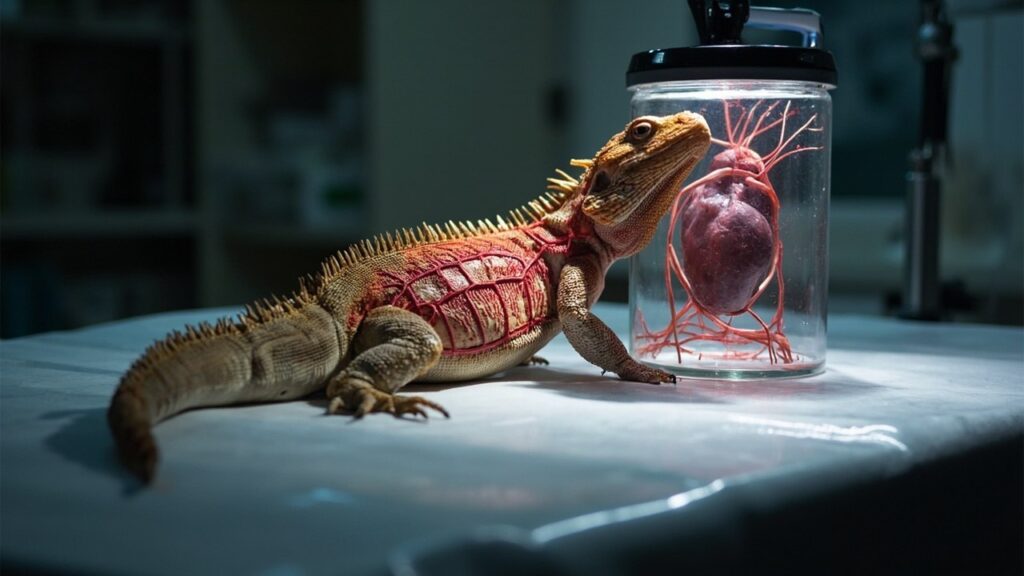
One Group, Many Digestive Strategies
Reptiles share the basic path of mouth, oesophagus, stomach and intestines, but diet has shaped the details. A snake that swallows large animal prey has different digestive demands from a tortoise or iguana that processes fibrous plants. Gut length, storage capacity, digestive enzyme activity and the role of intestinal microbes all vary among species.
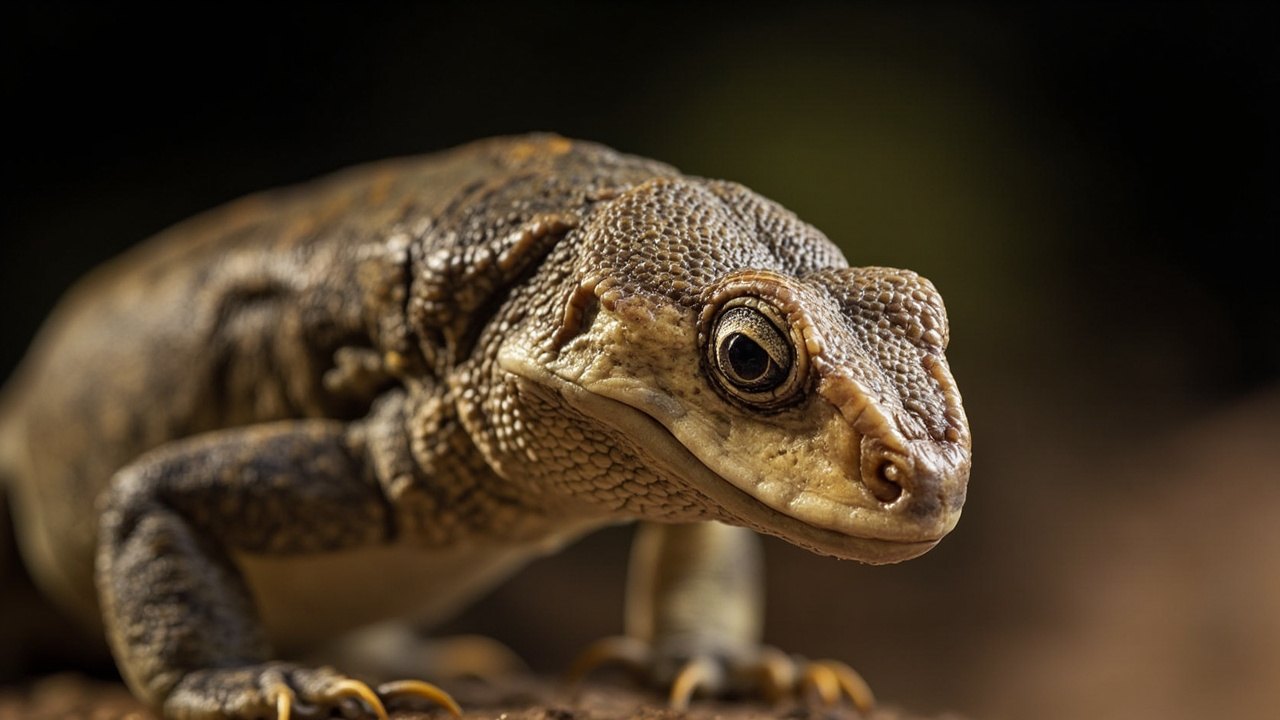
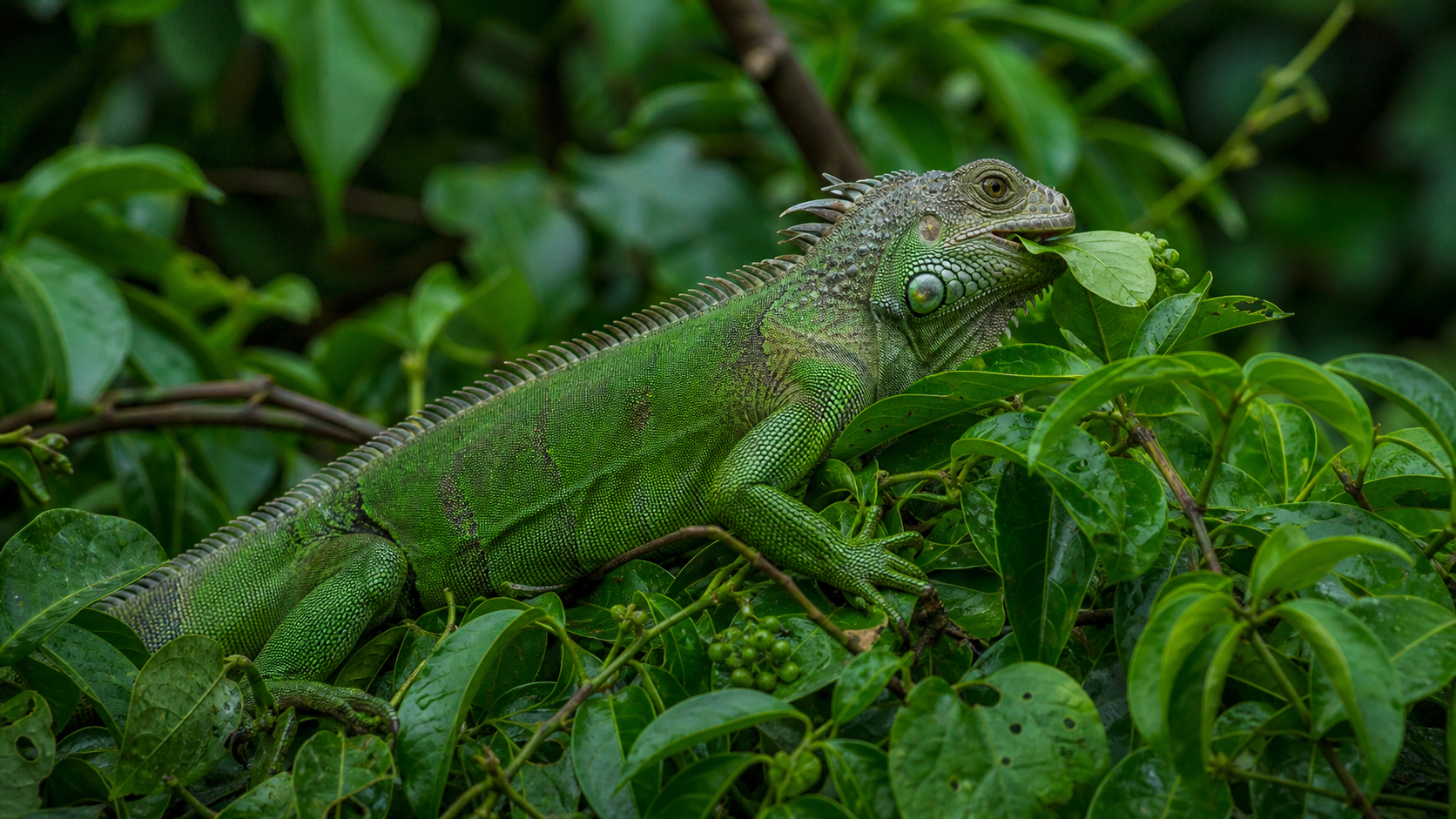
Plant Eaters Need Fermentation
Herbivorous reptiles cannot break down plant fibre with their own enzymes alone. In many species, microbes in the cecum or large intestine ferment plant material and produce compounds the reptile can absorb. These animals need diets with appropriate fibre and nutrient balance, not a generic mix of vegetables or fruit. Their digestive systems are adapted to steady processing of plant food rather than an occasional salad.
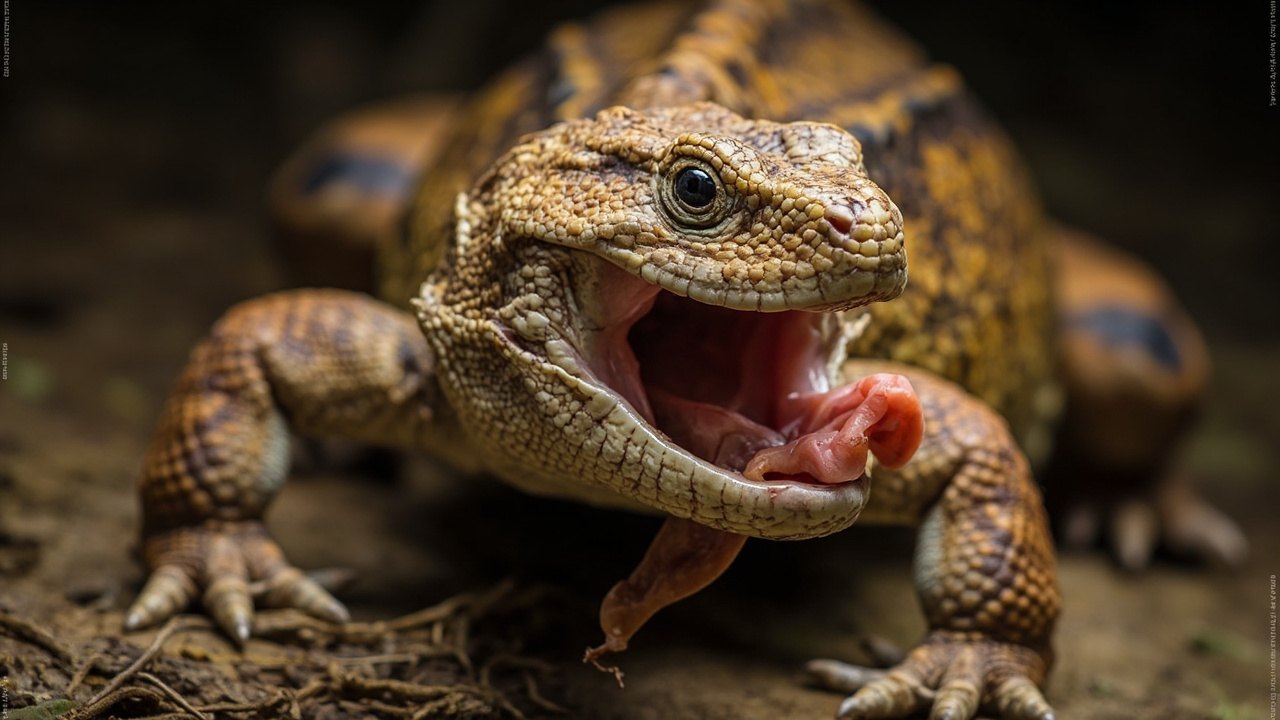

Temperature Affects the Process
Because reptiles are ectotherms, digestion is affected by body temperature. An enclosure that is too cool can slow normal digestive function, while unsuitable food size or diet can create separate problems. Feeding advice should be based on the species, age and health of the animal. Sudden appetite loss, repeated regurgitation or marked changes in droppings are reasons to consult a reptile-qualified veterinarian.
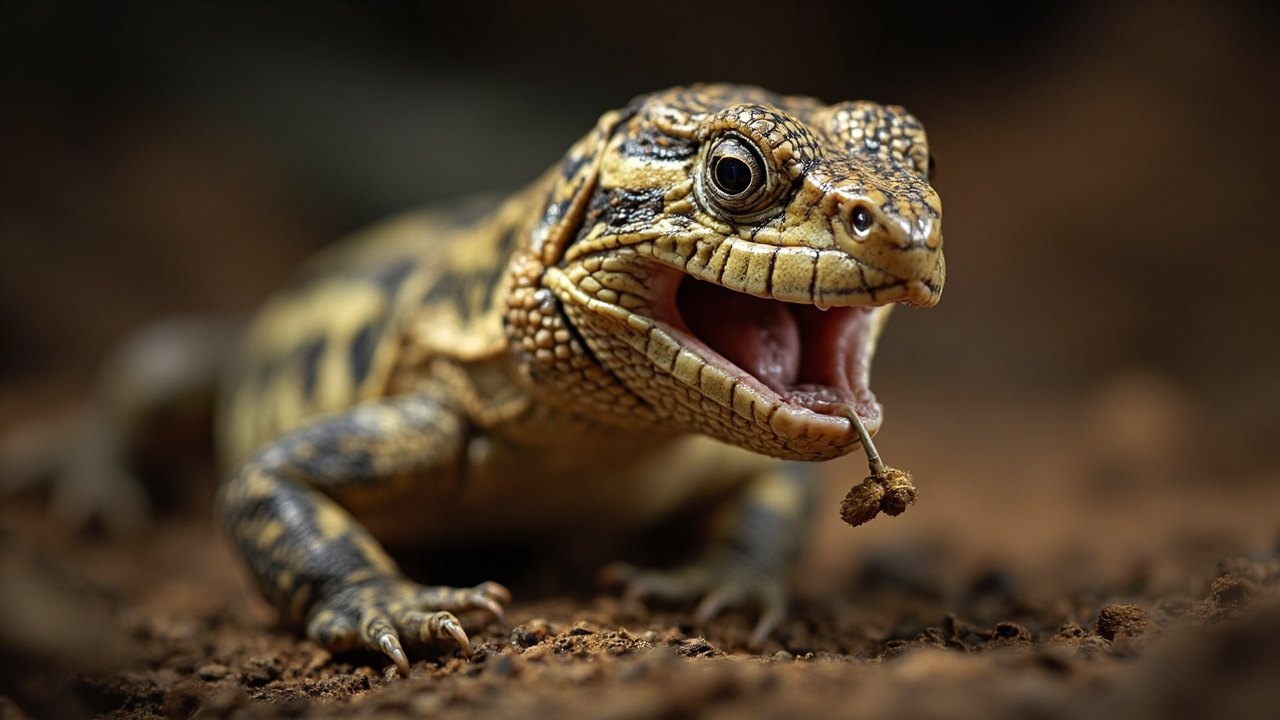
Feeding Pattern Follows Species Biology
A reptile’s digestive tract is linked to the size, type and frequency of food it normally handles. A snake may eat an entire prey item at intervals, while an herbivorous tortoise or iguana processes plant material more continuously. These differences make generic feeding schedules unreliable. The right diet depends on the exact species, life stage, health and husbandry conditions.
Microbes can help some plant-eating reptiles ferment fibre, but the microbial community and useful foods are not the same for every animal. Sudden diet changes can disrupt normal digestion. A list of fruits or vegetables does not establish a suitable long-term diet without attention to nutritional balance and appropriate fibre.
Temperature Affects Food Processing
Because reptiles rely on environmental heat, body temperature can influence digestion and appetite. A cool enclosure, unsuitable prey size or illness can all produce feeding problems for different reasons. Increasing heat without checking the species’ safe range is not a reliable solution.
Changes Need a Proper Assessment
Repeated regurgitation, severe constipation, ongoing diarrhoea, weight loss or marked appetite change should be assessed by a reptile-qualified veterinarian. Husbandry records and a clear history of food, temperatures and droppings can help identify the underlying issue.
Sources and review notes
Reviewed 23 August 2026. Fossils, anatomy and family trees become more interesting—not less—when uncertainty is made visible. We have separated well-supported observations from interpretations that may change as new specimens and studies appear.
Reference starting points: The Reptile Database, PubMed-indexed research, and Smithsonian natural-history resources. Conservation status, taxonomy and local laws can change, so check the linked databases and the relevant local authority for current information.
Spotted something we should revisit? Send Reptile Explorer a correction—thoughtful reader feedback is always welcome.