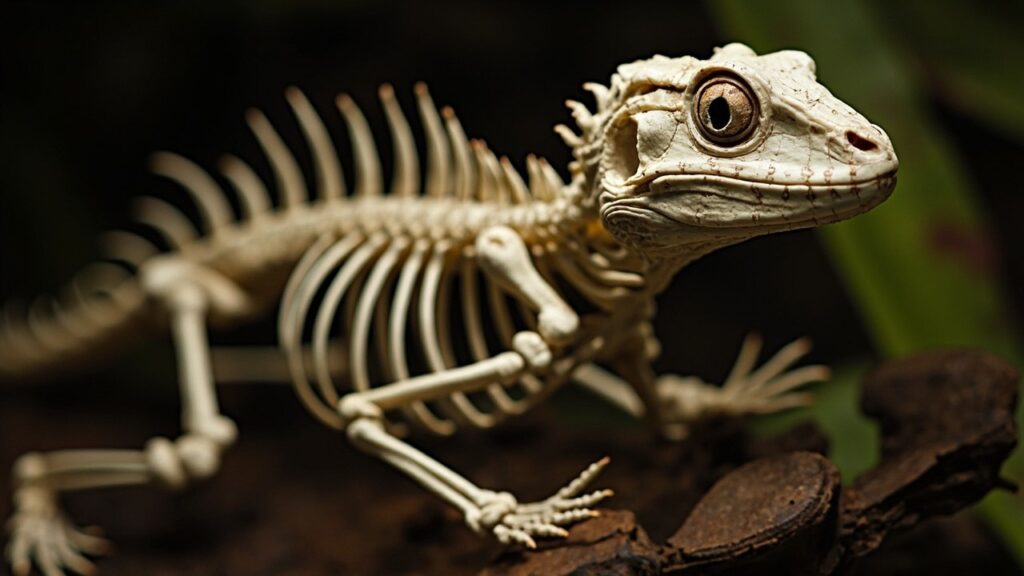
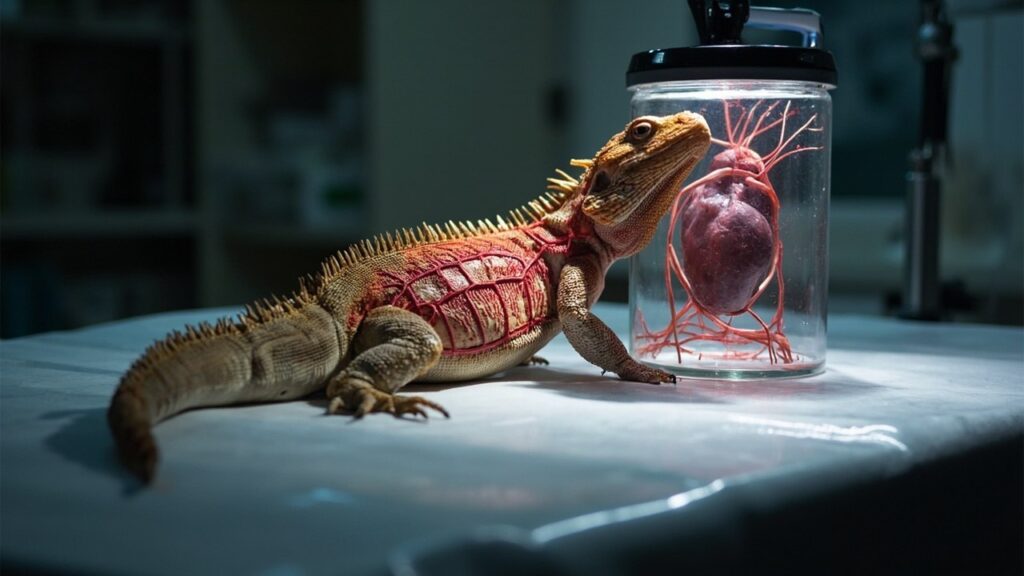
Skin is an active protective organ
Reptile skin provides a barrier against abrasion, water loss, and infection while also carrying colour patterns and sensory information. It has an outer epidermis and an underlying dermis containing connective tissue, blood vessels, nerves, and pigment cells. The keratinized surface helps reptiles live on land, but it is not identical across all reptile groups.

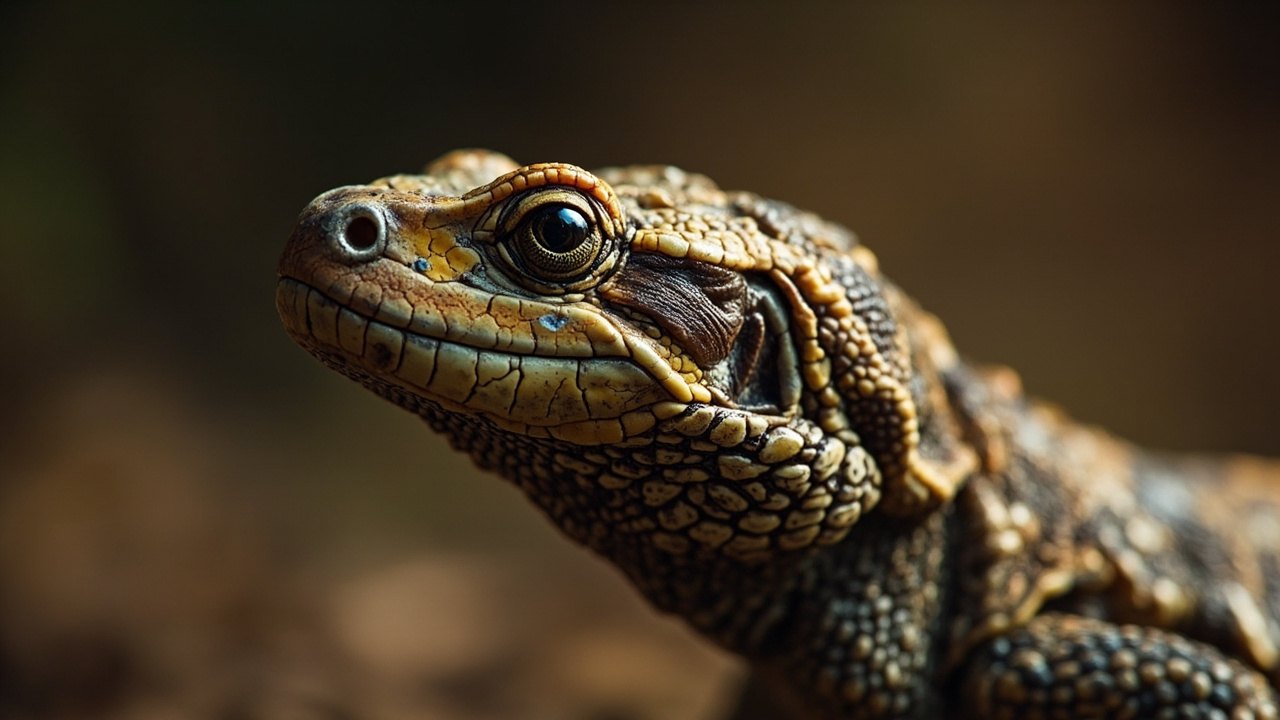
Scales, scutes, and osteoderms are not the same
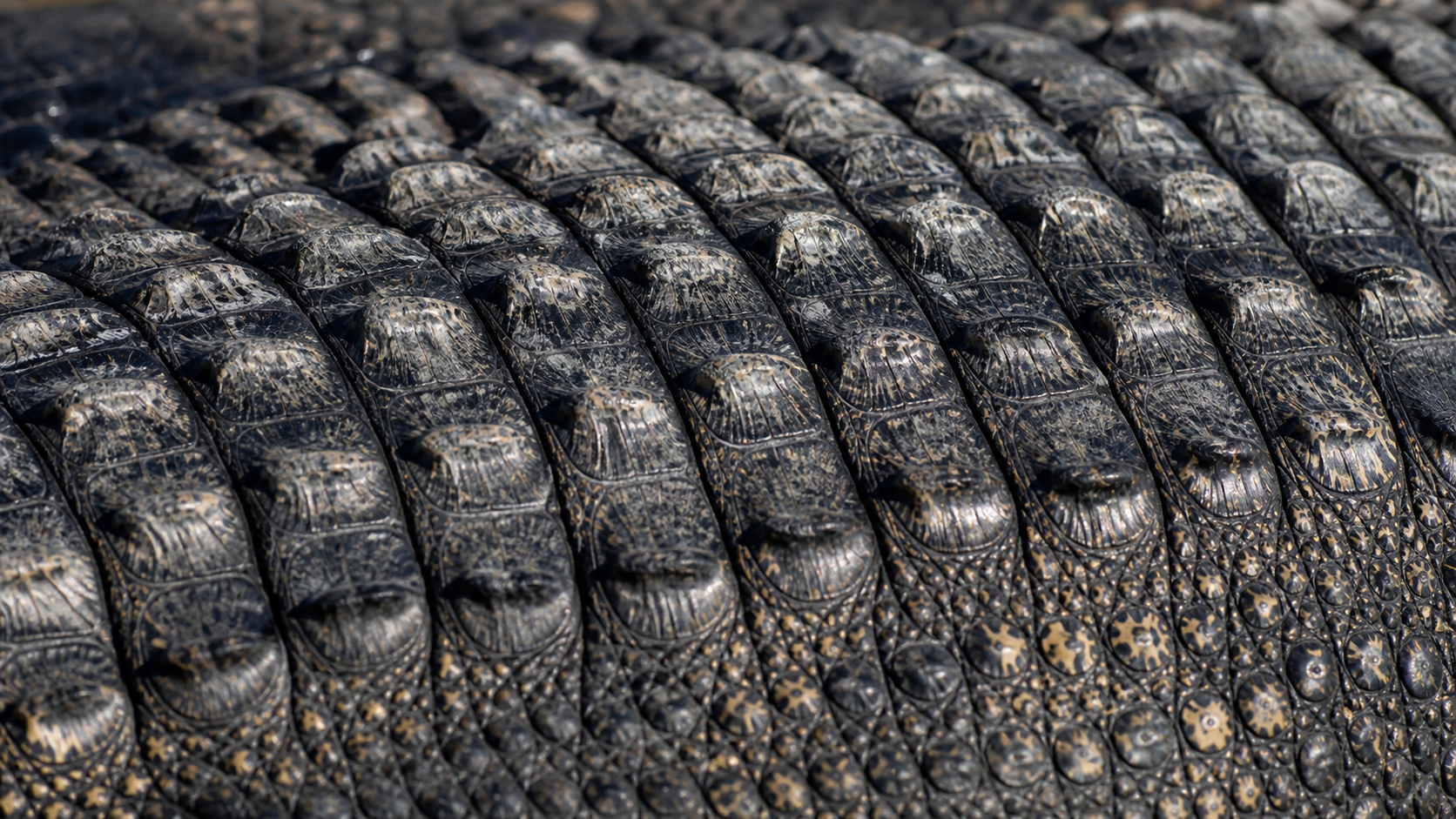
Snakes and lizards have epidermal scales that differ in size, texture, and arrangement. Turtle shells are covered by scutes over a bony shell, while crocodilians and some lizards have osteoderms, which are bony plates within the skin. These structures can protect the animal, influence movement, and help regulate contact with the environment.
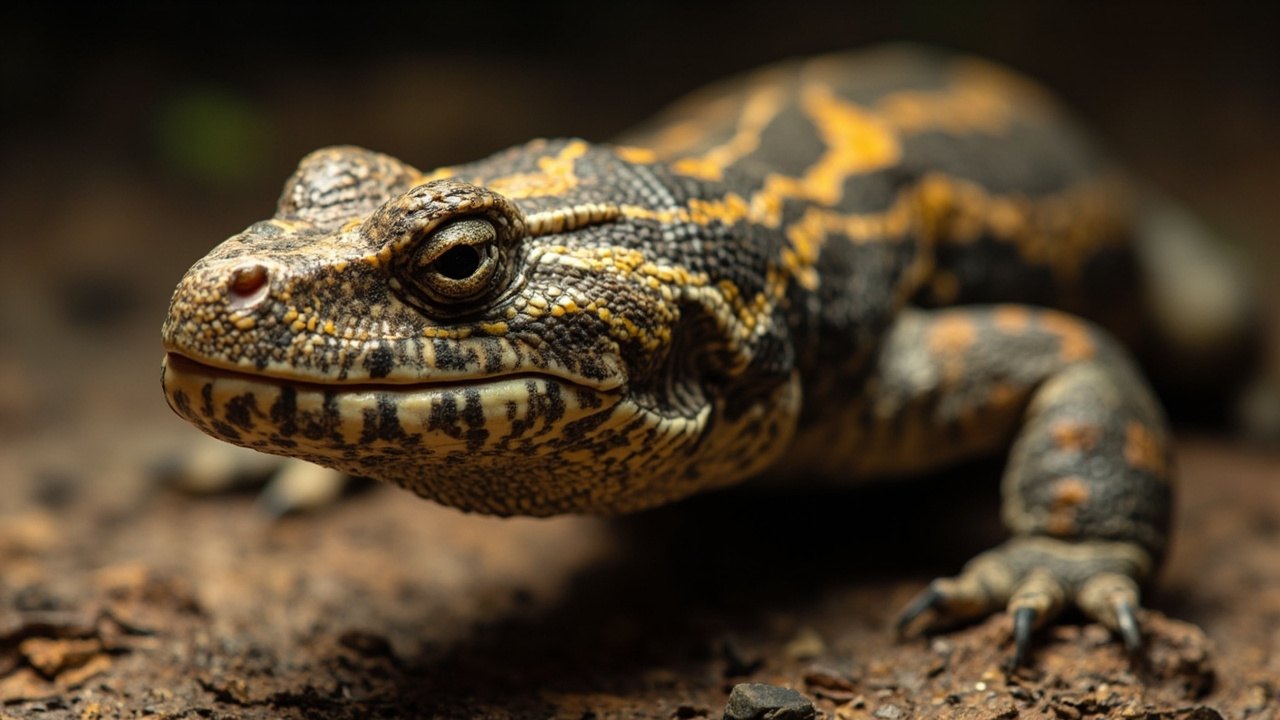
Colour and renewal vary widely
Chromatophores and other skin features contribute to patterns used for camouflage, display, and recognition. Some reptiles can change colour quickly, while others change only with age, season, health, or shedding. Ecdysis replaces outer skin layers, but the shedding pattern differs by species. Understanding those differences prevents the mistake of treating every scale, scute, or colour change as the same biological process.
Surface Structures Have Different Origins
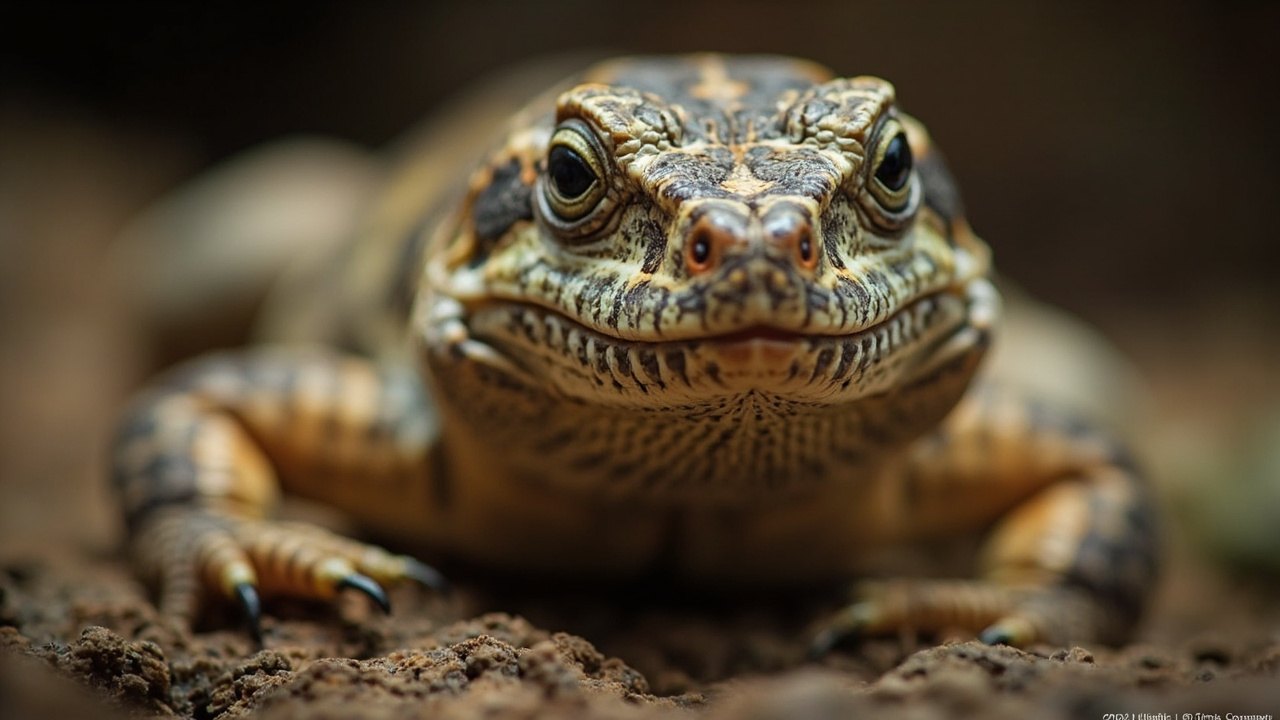
Scales are primarily epidermal structures, while osteoderms form as bone within the dermis. Turtle scutes cover a shell made of modified ribs, vertebrae and other bones. Because these structures arise from different tissues, their growth, injury and renewal do not follow one rule. Calling every hard reptile surface a scale loses useful anatomical information.
Form also relates to function. Broad ventral scales can help a snake grip a surface, shell scutes protect the bony shell beneath them, and osteoderms add protection in some crocodilians and lizards. These roles vary across species and do not make one body covering inherently better than another.
Skin Connects Protection and Physiology
The outer layer limits water loss and helps resist abrasion, but it is not a sealed suit. Reptile skin contains sensory structures and blood vessels below the surface, and its condition can reflect injury, infection, parasites, shedding difficulty or unsuitable conditions. A colour change, scar or missing scute therefore needs context rather than a quick diagnosis from a photograph.
Handle Skin Problems Carefully
Do not peel attached shed, cut a damaged scute or apply household products to a reptile without professional advice. A reptile-qualified veterinarian can distinguish normal shedding from a condition that requires treatment. Clear records of species, enclosure conditions and when the change first appeared can make that assessment more useful.
Sources and review notes
Reviewed 23 August 2026. Fossils, anatomy and family trees become more interesting—not less—when uncertainty is made visible. We have separated well-supported observations from interpretations that may change as new specimens and studies appear.
Reference starting points: The Reptile Database, PubMed-indexed research, and Smithsonian natural-history resources. Conservation status, taxonomy and local laws can change, so check the linked databases and the relevant local authority for current information.
Spotted something we should revisit? Send Reptile Explorer a correction—thoughtful reader feedback is always welcome.