Specialization is about ecology, not novelty
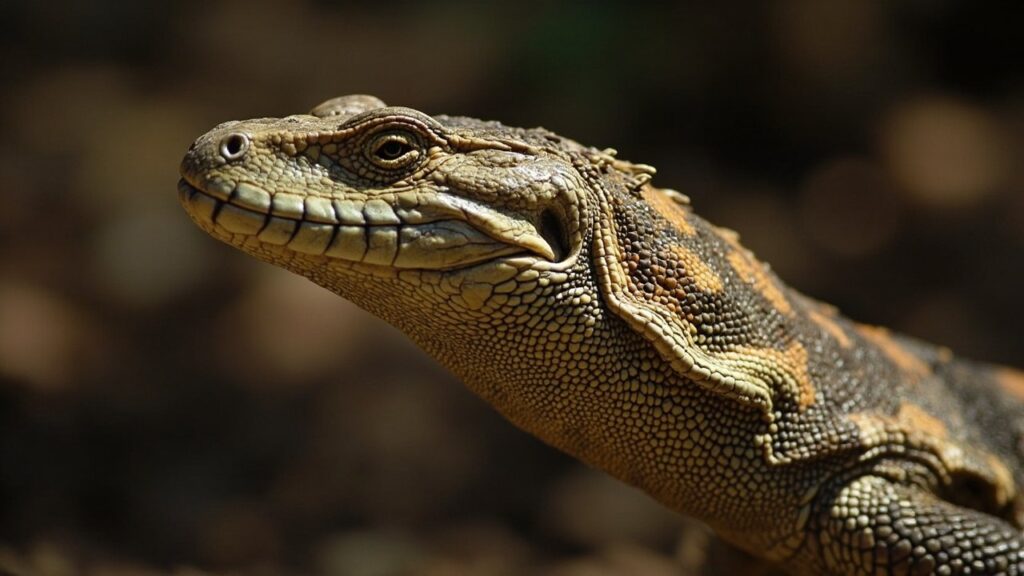
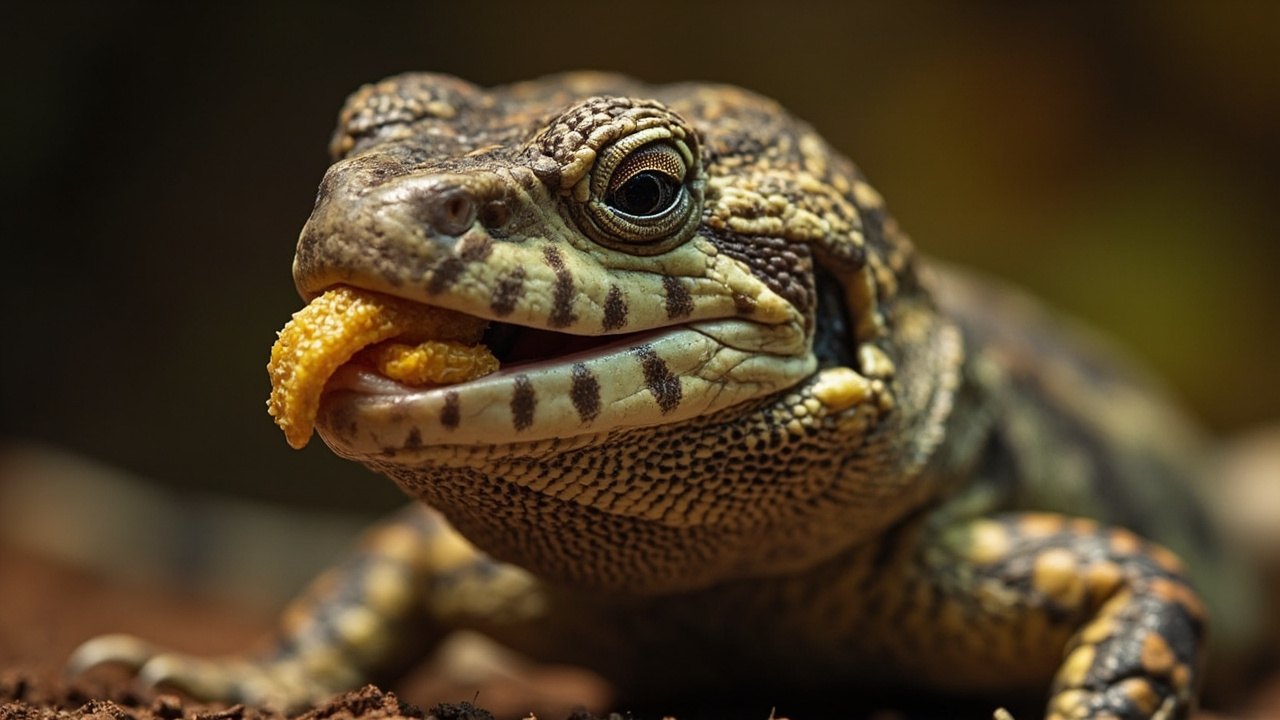
Reptile diets range from broad and flexible to highly specialized. The useful question is how an animal obtains the food available in its habitat. Teeth, jaws, tongue, digestion, climbing ability, swimming, and seasonal behaviour can all shape what a species eats. A dramatic feeding photograph cannot describe the full diet of a species.

Clear examples of dietary specialization
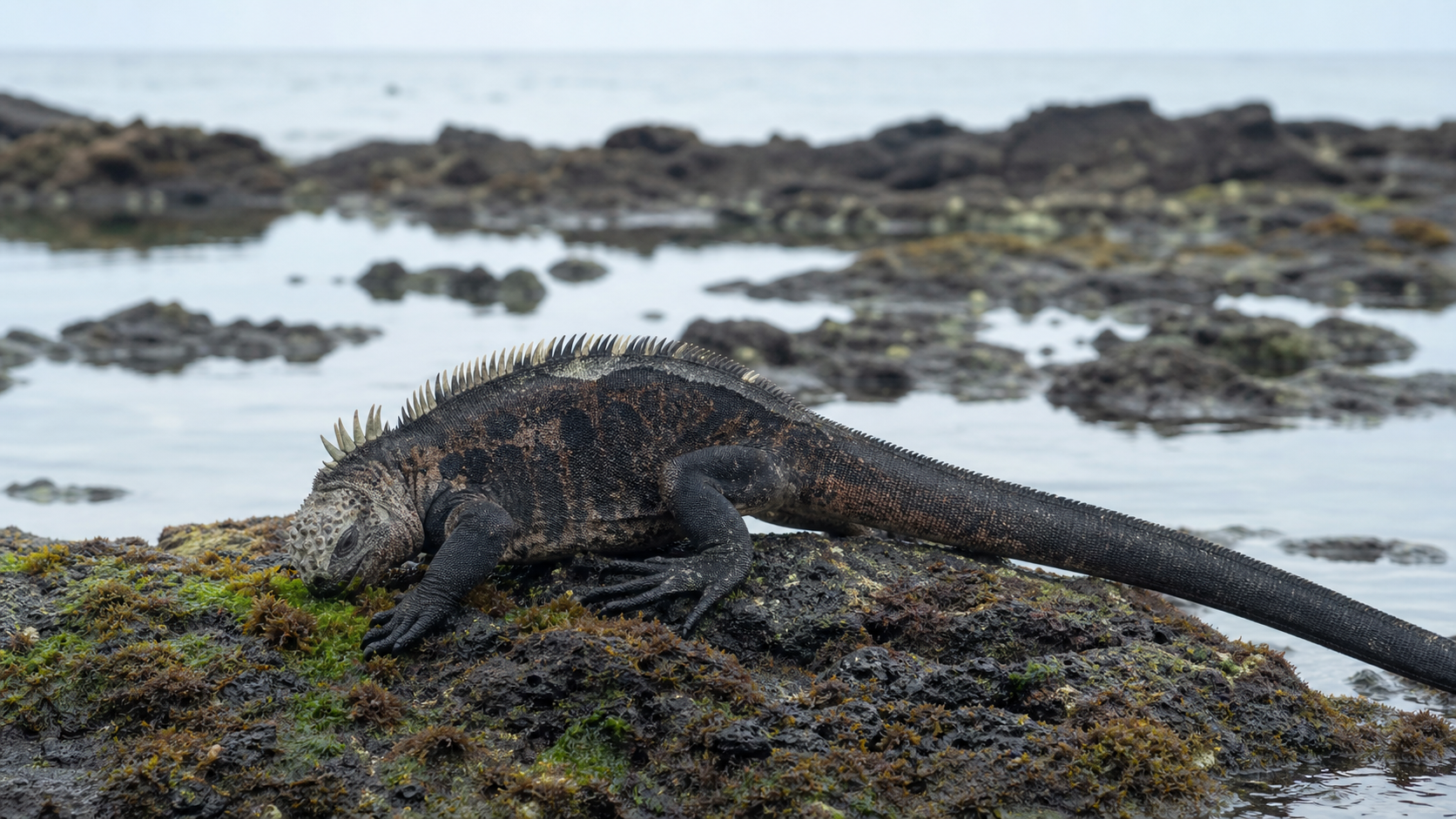
Galapagos marine iguanas graze marine algae along rocky shores and in shallow water. Egg-eating snakes have jaws and teeth adapted to swallowing eggs, while some snakes specialize in snails and slugs. Many tortoises are primarily herbivorous, and some lizards rely heavily on plant matter. Each example reflects a specific habitat and evolutionary history.
Captive diets need species-level guidance
A specialized wild diet should not be copied from a social-media clip or a list of foods that seem similar. Nutrition, food safety, supplementation, feeding frequency, and prey size vary greatly between species and life stages. A reptile-experienced veterinarian or reputable species-care resource can help keepers build a diet around the animal’s actual biology rather than a novelty label.
Specialisation Has Ecological Limits
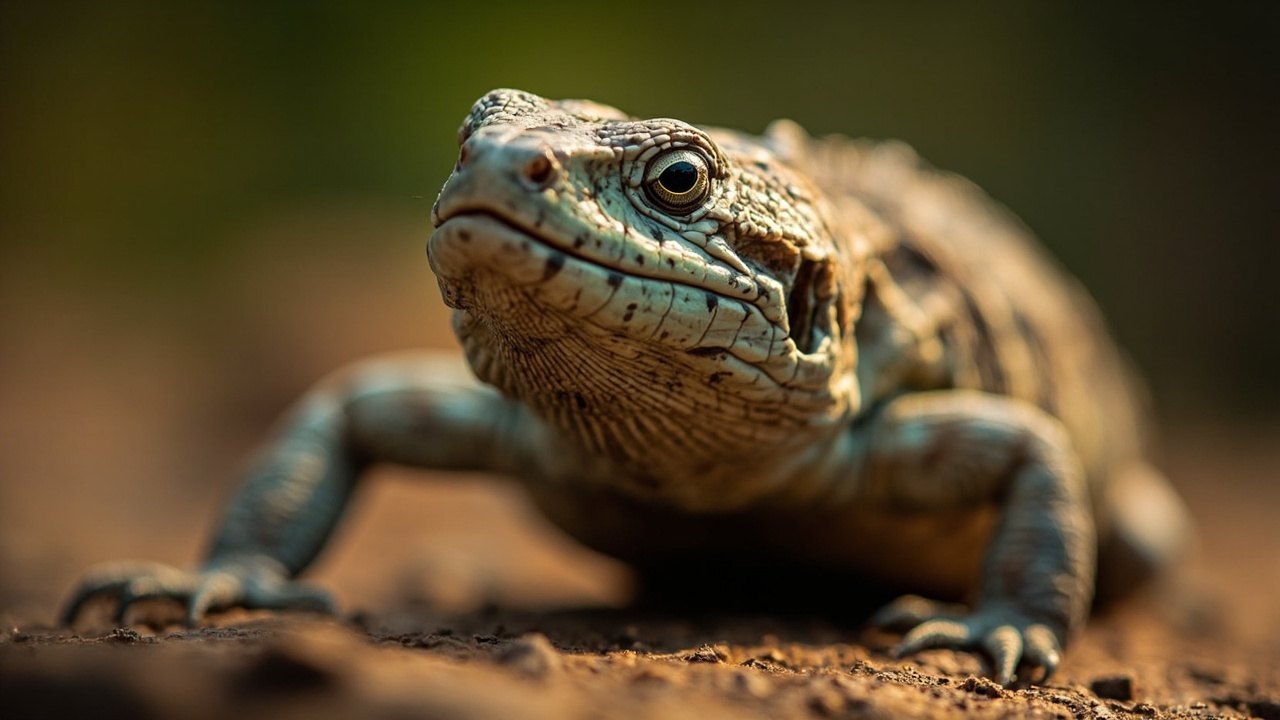
A specialised diet can reduce competition for a food source, but it can also tie an animal closely to the availability of that resource. A snake that mainly eats one group of prey, a lizard that feeds heavily on ants or a turtle adapted to particular aquatic foods may respond differently when habitat, season or prey abundance changes. Diet should be described with the species, life stage and local setting in mind.
Teeth, jaws, tongue shape, gut structure and hunting behaviour can all be related to feeding, yet no single feature provides a complete diet list. Observations from one population or season should not be treated as a universal rule for every member of a species.
Wild Diet Is Not a Pet Feeding Plan
Natural-history observations can help explain a reptile’s needs, but they do not provide a complete captive recipe. Food availability in the wild, nutritional composition, age, health and husbandry conditions all matter. Keepers should use reliable, species-specific care information and consult a reptile-qualified veterinarian about persistent feeding problems or nutritional concerns.
Habitat Protection Includes Prey
Protecting a predator without maintaining the plants, invertebrates, fish or other prey it uses leaves an important gap. Conservation surveys should record food resources and habitat condition alongside the reptiles themselves. This helps show whether a site still supports the interactions required for feeding, growth and reproduction.
Sources and review notes
Reviewed 23 August 2026. Fossils, anatomy and family trees become more interesting—not less—when uncertainty is made visible. We have separated well-supported observations from interpretations that may change as new specimens and studies appear.
Reference starting points: The Reptile Database, PubMed-indexed research, and Smithsonian natural-history resources. Conservation status, taxonomy and local laws can change, so check the linked databases and the relevant local authority for current information.
Spotted something we should revisit? Send Reptile Explorer a correction—thoughtful reader feedback is always welcome.