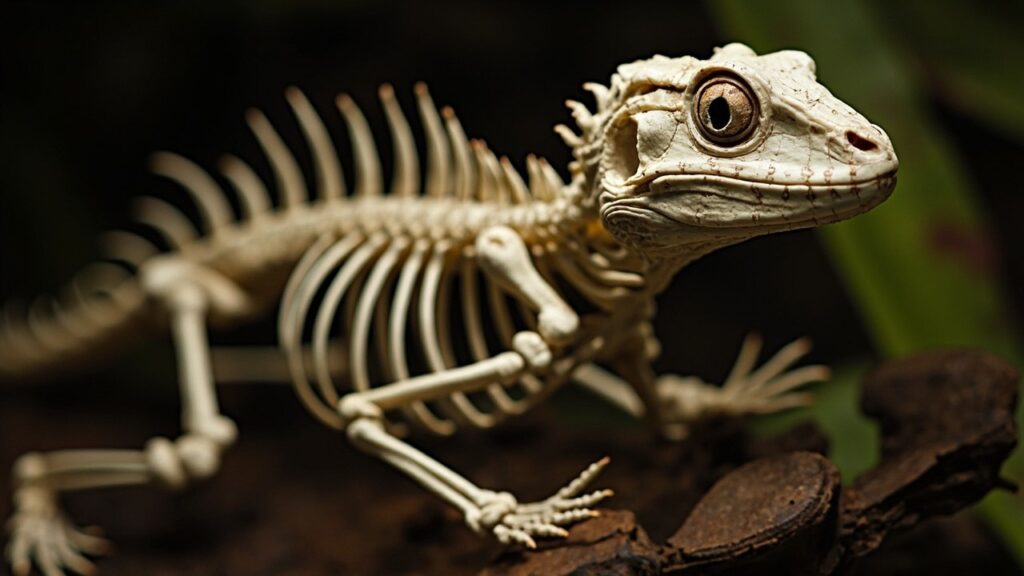
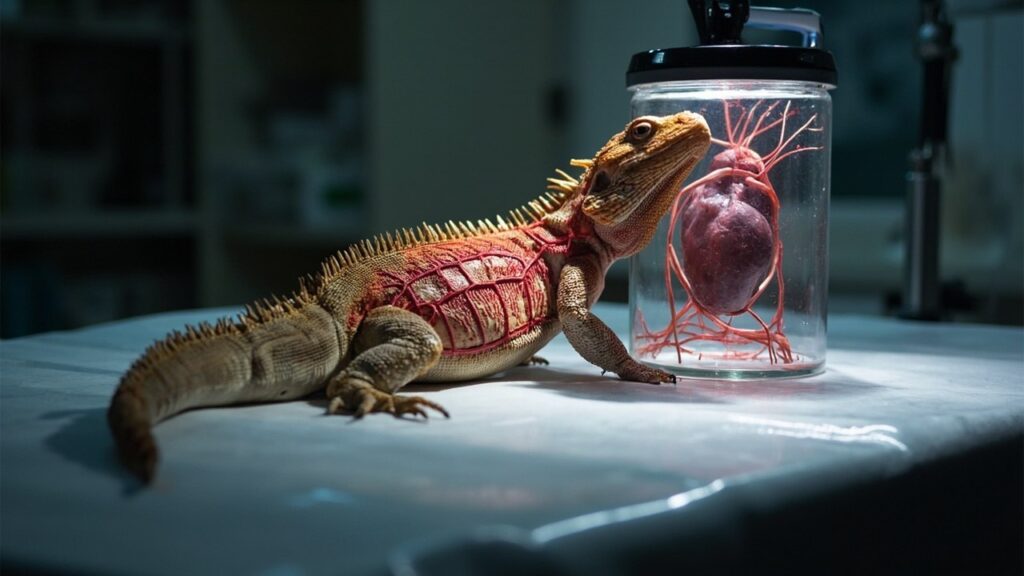
Eyes are adapted to different conditions
Reptile vision varies with activity pattern and habitat. Many diurnal lizards have detailed colour vision, while nocturnal species may have eyes adapted to low light. Turtles, crocodilians, snakes, lizards, and tuatara do not all use the same visual cues. A bright pattern may help one species communicate and help another disappear against its surroundings.

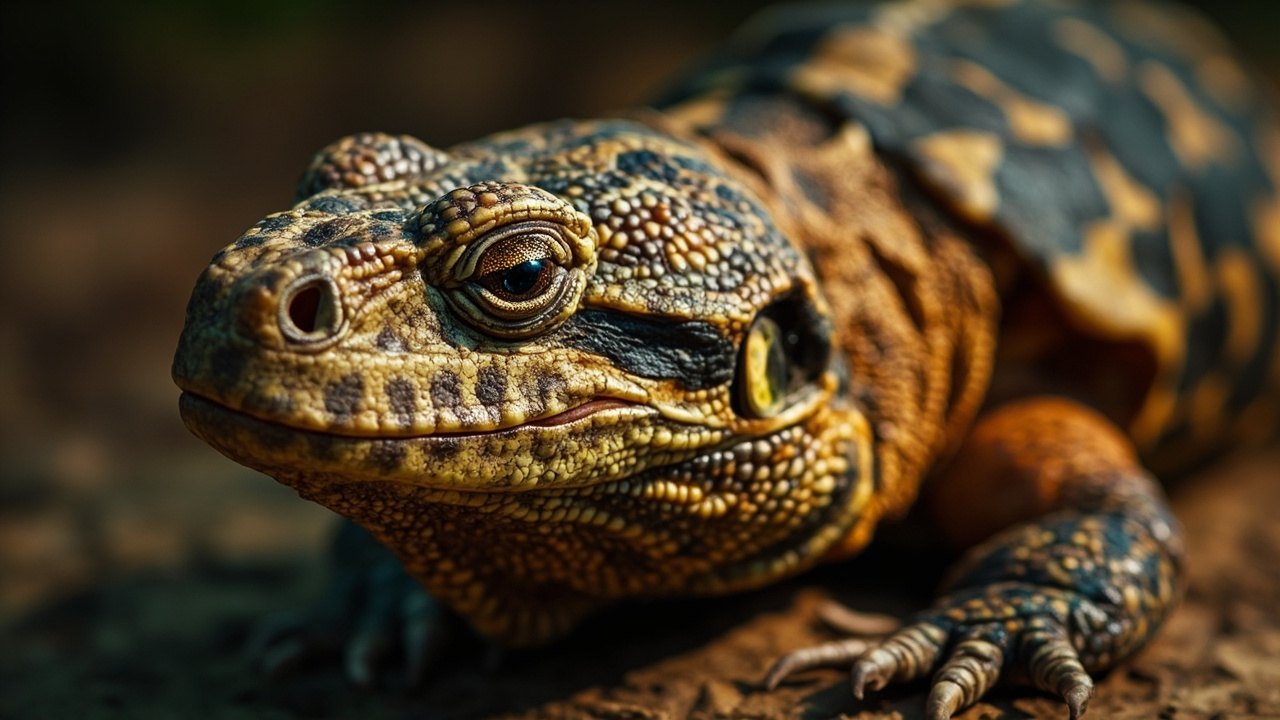
Sound and vibration take different routes
Many lizards and crocodilians have external ear openings and tympanic membranes, while snakes do not. Snakes still have inner-ear systems that receive vibration through the skull and lower jaw. Aquatic reptiles must also contend with sound moving through water. These differences explain why a noise or vibration that is important to one species may mean little to another.
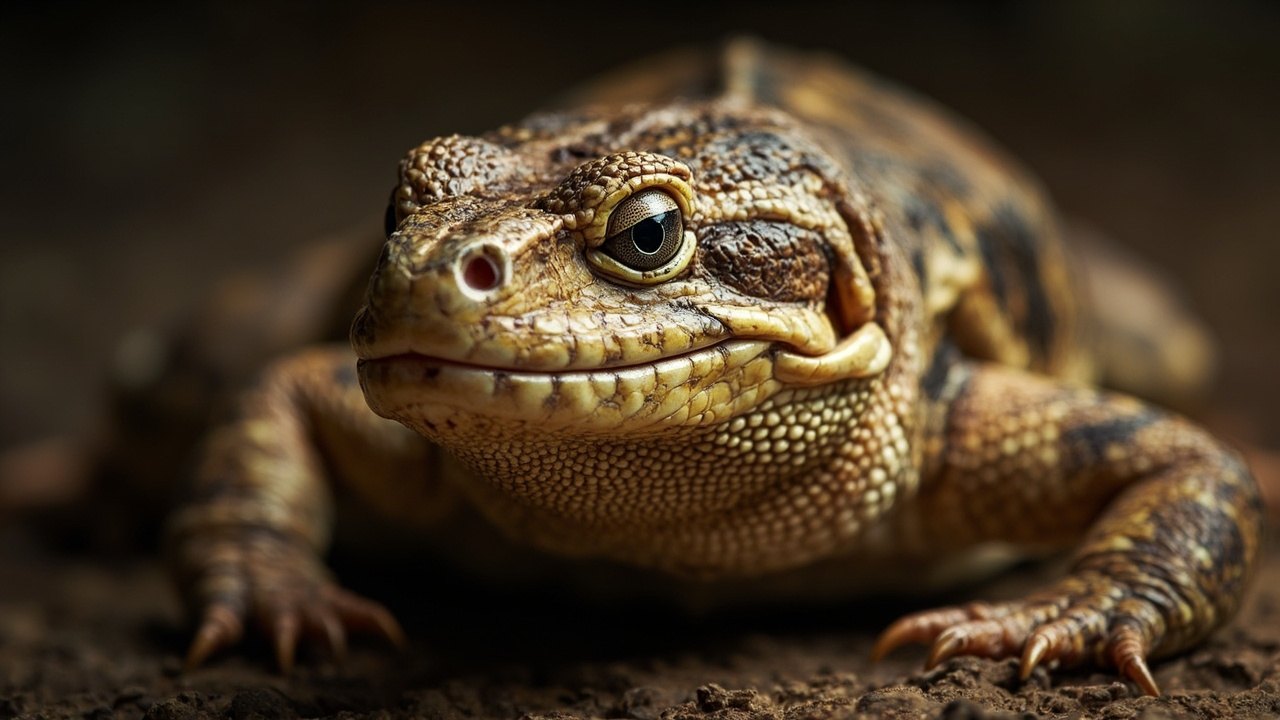
Chemical and thermal senses add information
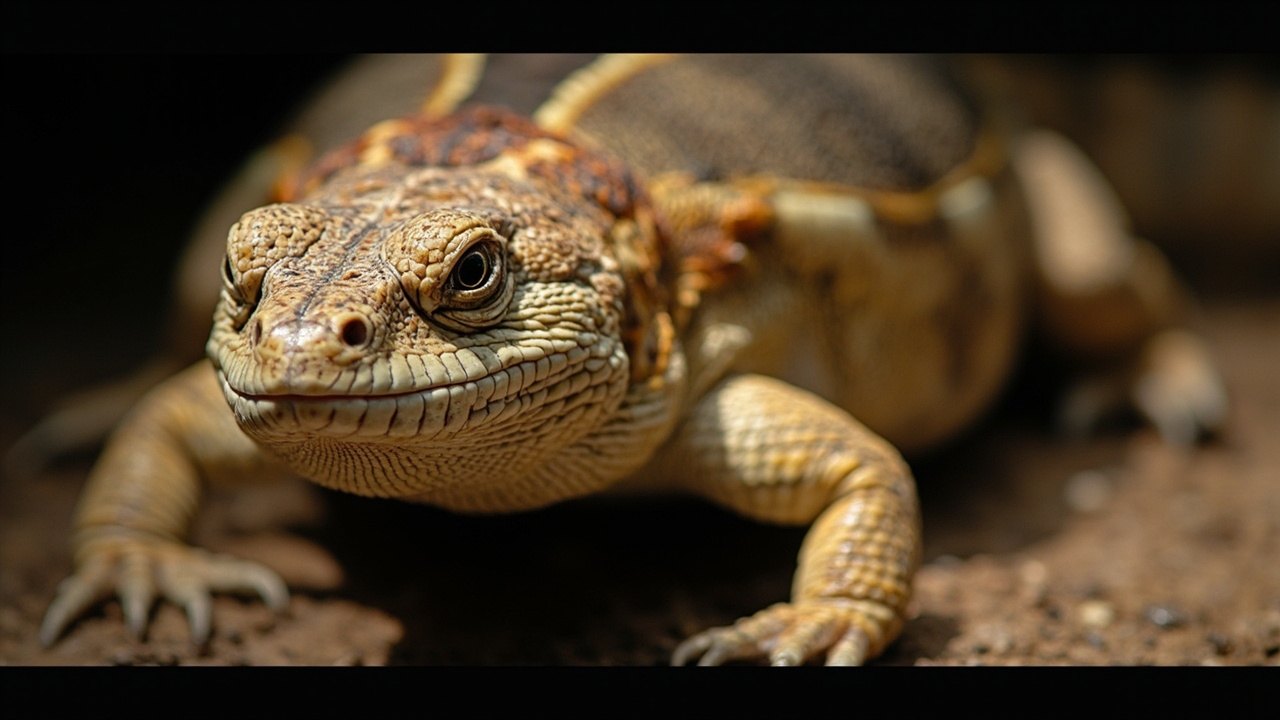
The vomeronasal organ helps many snakes and lizards process chemical particles collected by the tongue. It is linked to smell-like information but has a specialized role in tracking food, mates, and places. Some snakes also possess heat-sensitive pits that detect infrared radiation. These organs are specialized but not universal, and they work alongside vision, touch, and other senses rather than replacing them.
Organs and Behaviour Need to Be Read Together
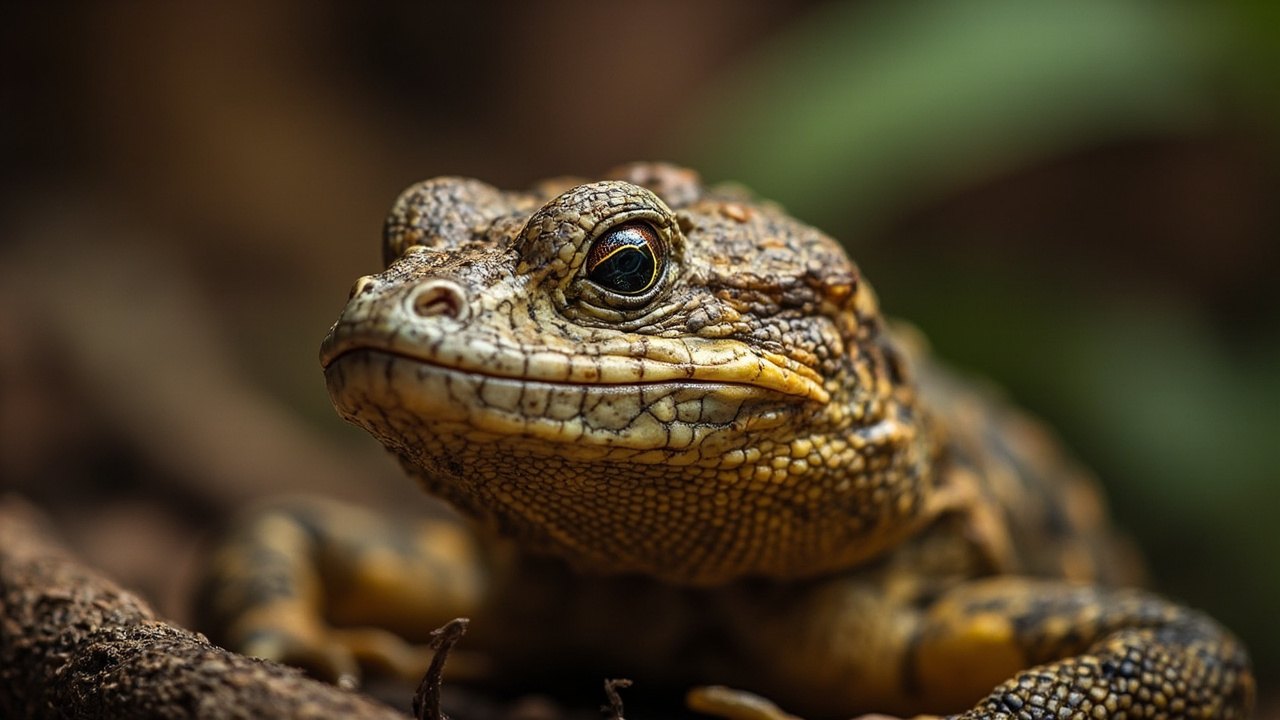
An eye, ear opening or tongue flick does not reveal a complete sensory experience by itself. A reptile combines information from several sources while it moves, feeds, avoids a threat or encounters another animal. A snake may use chemical traces and vibration, while a lizard may combine visual signals with scent. The balance differs by species and habitat.
Specialised organs are not present in every reptile. Heat-sensitive pits occur in some snakes, not all snakes. External ear openings occur in many lizards and crocodilians, while snakes receive much vibration through the skull and lower jaw. Accurate statements name the group rather than turning one adaptation into a rule for reptiles as a whole.
Human Disturbance Can Overload Useful Cues
Bright lights, loud noise, ground vibration and repeated handling can change normal behaviour. A still animal may be resting, hiding or responding to disturbance, so it should not be poked or tested for a reaction. Wildlife photographs are more useful when they leave the animal able to continue its normal activity.
Care Should Respect the Animal’s Sensory World
Appropriate cover, predictable routines and species-specific lighting can reduce unnecessary stress in captivity. Changes in feeding, posture or activity should be considered alongside measured enclosure conditions and assessed by a reptile-qualified veterinarian when health is a concern.
Sources and review notes
Reviewed 23 August 2026. Fossils, anatomy and family trees become more interesting—not less—when uncertainty is made visible. We have separated well-supported observations from interpretations that may change as new specimens and studies appear.
Reference starting points: The Reptile Database, PubMed-indexed research, and Smithsonian natural-history resources. Conservation status, taxonomy and local laws can change, so check the linked databases and the relevant local authority for current information.
Spotted something we should revisit? Send Reptile Explorer a correction—thoughtful reader feedback is always welcome.