Retire the lizard-brain label
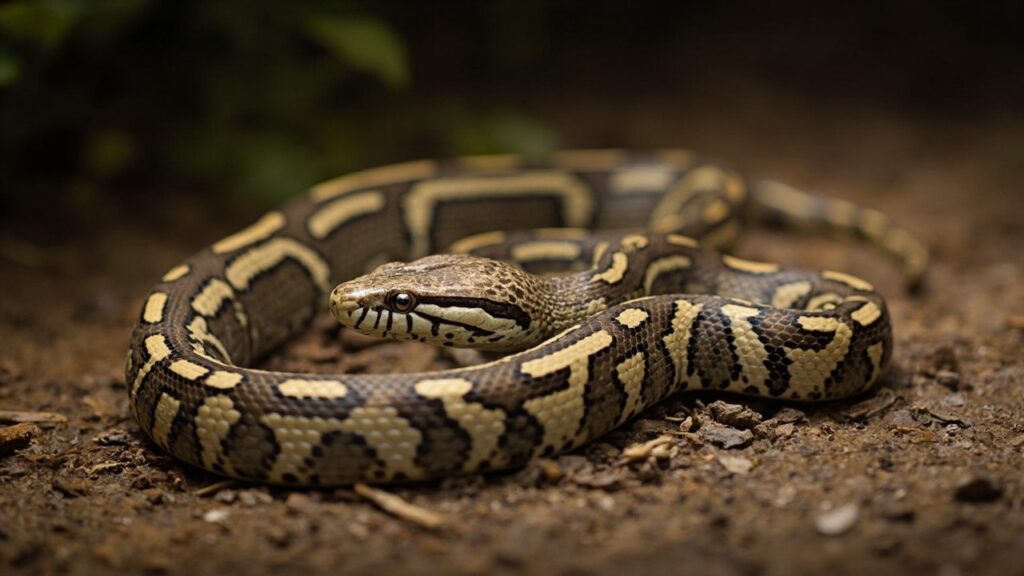
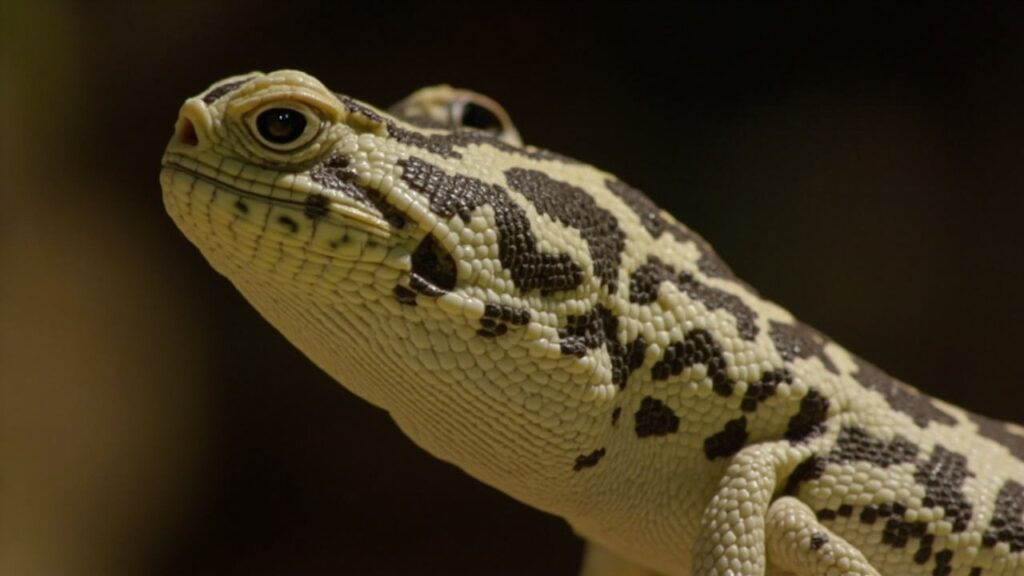
The popular idea that reptiles are controlled by a simple “lizard brain” is not a useful scientific description of their nervous systems or behaviour. Reptile brains have evolved along their own paths, and cognition should be studied through what an animal can learn, remember, perceive, and do in its own ecological setting. Brain size alone is not a reliable score for intelligence.
What the evidence can show
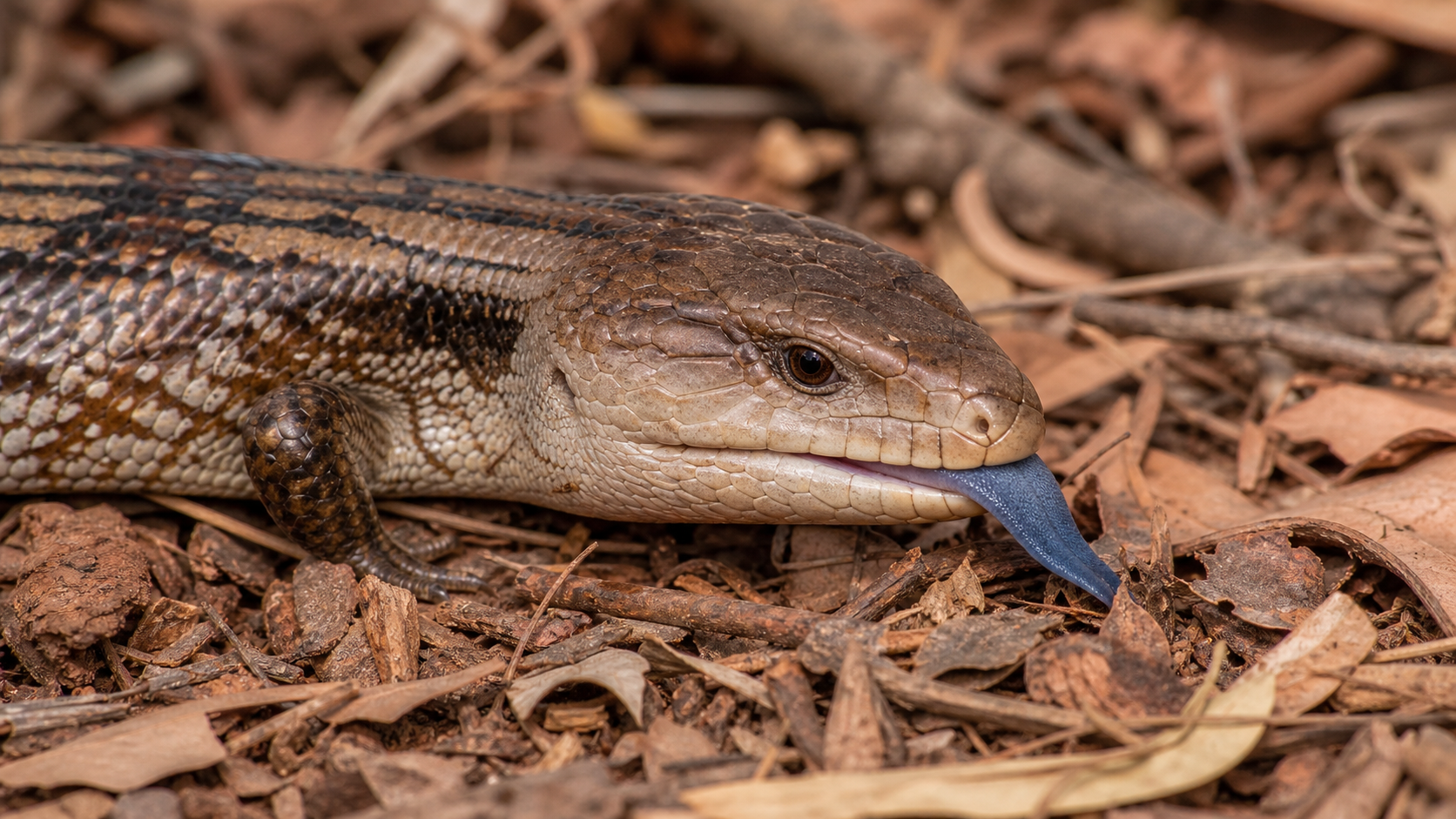
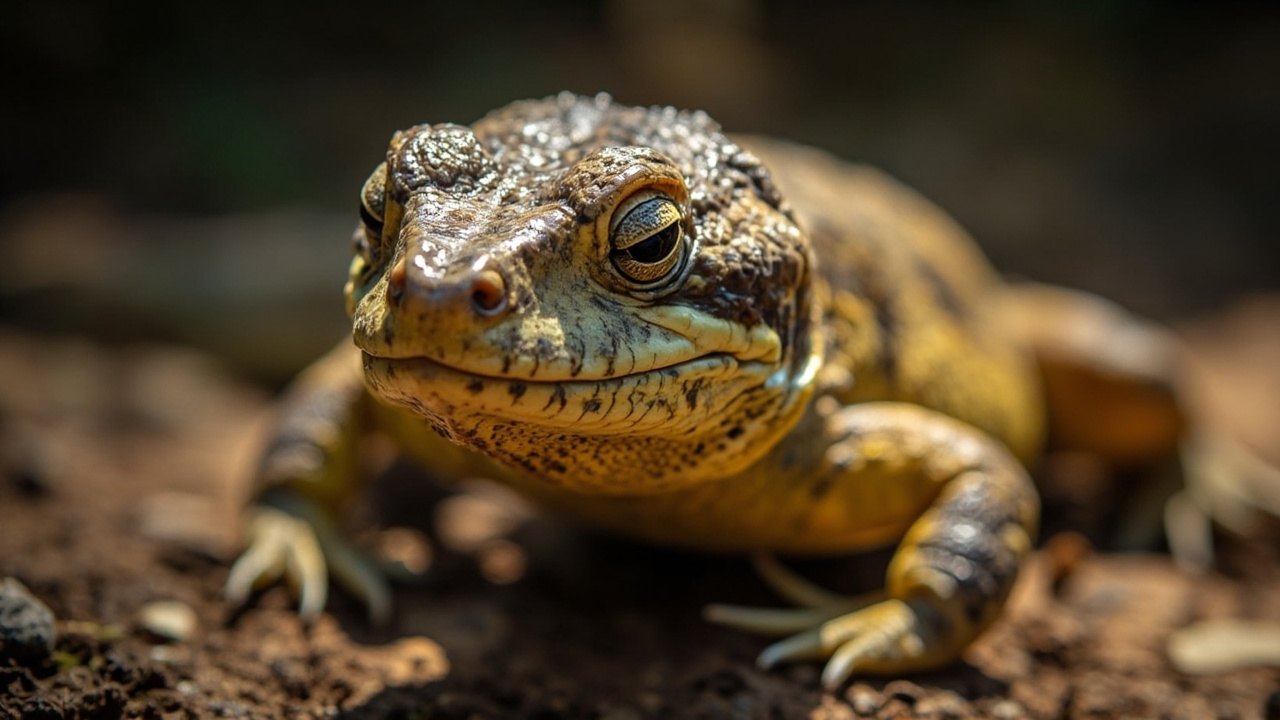
Studies have found learning, memory, spatial navigation, conditioning, and flexible behaviour in selected reptiles. The results are strongest when a task reflects the animal’s sensory abilities and motivation. A turtle navigating a maze, a lizard learning a feeding cue, and a snake following a chemical trail reveal different skills. They do not support a single ranking for every reptile.
Interpret behaviour cautiously
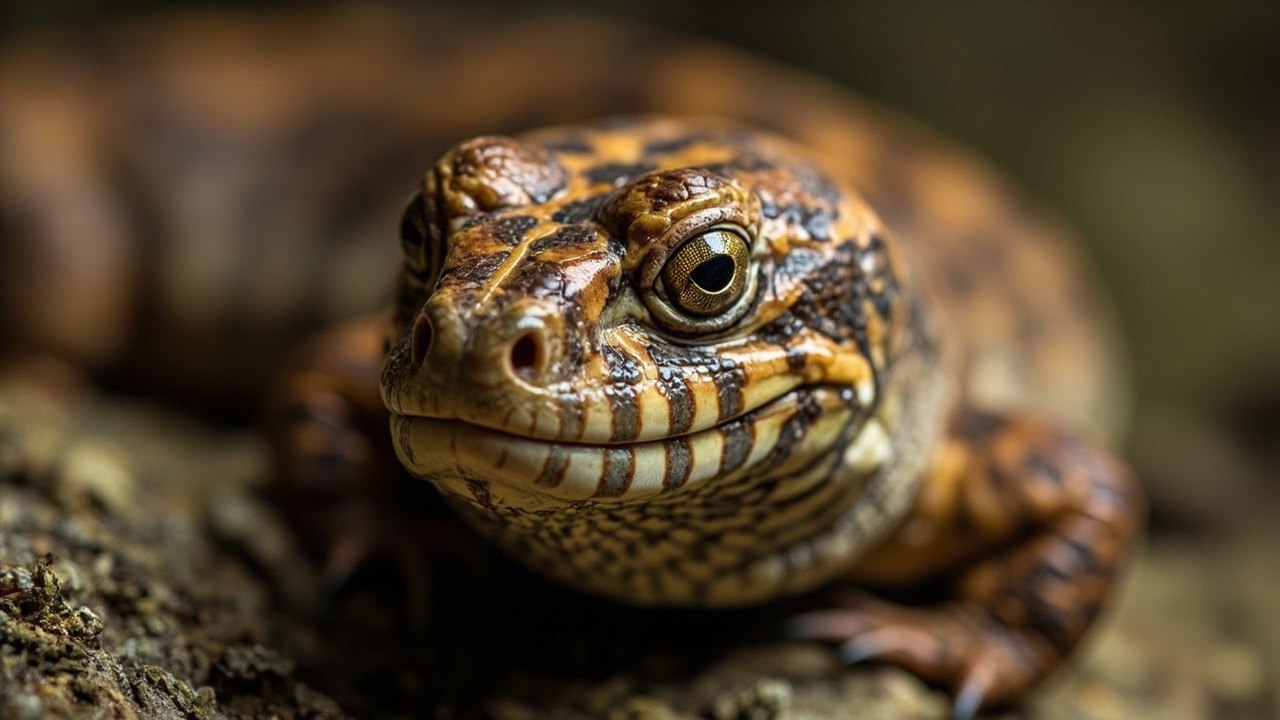
Approaching a keeper, taking food, or tolerating handling can have several explanations, including learned routine, warmth, hunger, or avoidance of a worse option. It should not automatically be called affection, trust, or advanced reasoning. Good welfare comes from species-appropriate space, shelter, temperature, and choice, not from trying to make a reptile behave like a mammal.
Old Labels Obscure Useful Questions
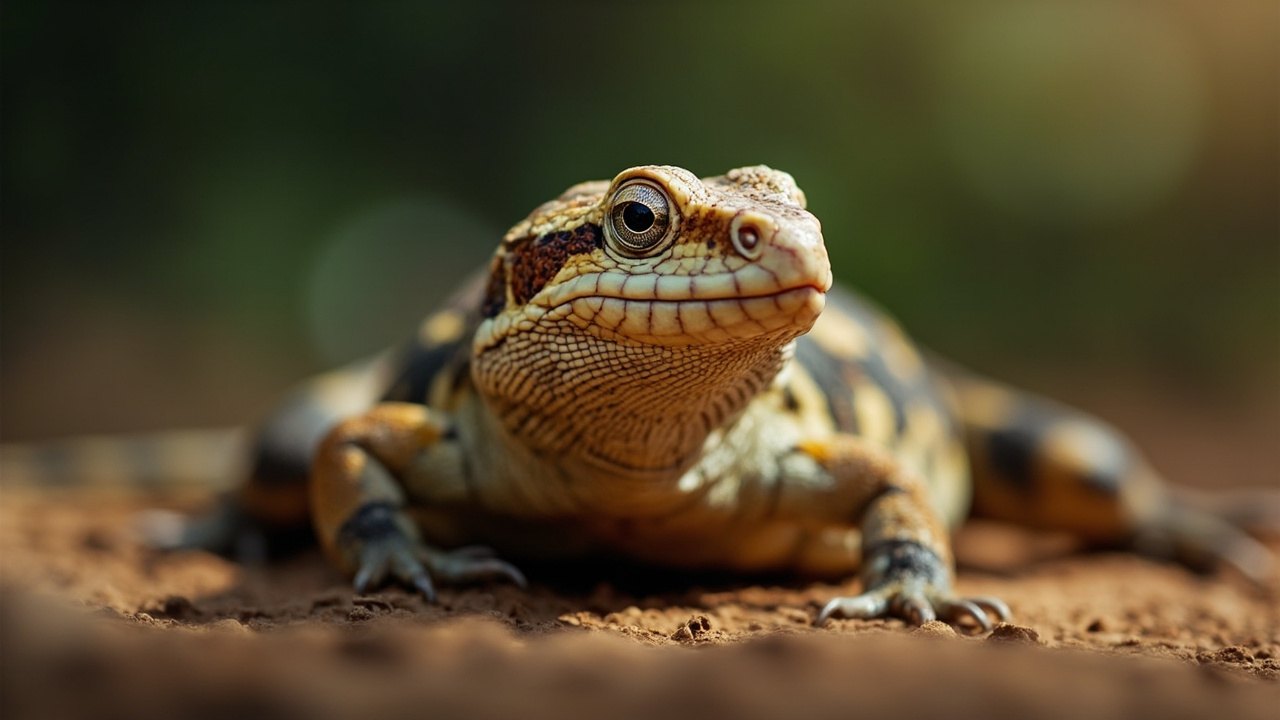
The phrase lizard brain is often used as shorthand for a simplistic view of brain evolution. It does not describe how living reptiles process information or how their nervous systems have changed over time. Questions about memory, perception, decision-making and learning are more useful because they can be tested in a particular species and setting.
Different tasks reveal different capacities. A snake following a chemical trail, a tortoise learning a route and a lizard responding to a visual cue are not taking the same kind of test. Comparing them as if they should produce one intelligence score can hide the ecological skills each animal uses.
Anecdotes Need a Careful Alternative
A reptile that approaches a person may have learned a feeding routine, selected a warm position or taken the least stressful route. It may not be seeking human companionship. Observations become more informative when they include time, temperature, food cues, enclosure layout and repeated behaviour across days.
Good Welfare Does Not Depend on Human-Like Behaviour
Reptiles benefit from appropriate temperatures, cover, nutrition, light and opportunities to avoid unwanted contact. These needs matter whether or not an animal appears curious or responsive to people. Treating a reptile according to its own biology is more respectful than forcing it into a mammal-centred story.
Sources and review notes
Reviewed 23 August 2026. Reptile biology is wonderfully variable. We have avoided turning one species, photograph or dramatic observation into a rule for an entire group, and we have used cautious wording where evidence or local conditions differ.
Reference starting points: The Reptile Database, The IUCN Red List of Threatened Species, and PubMed-indexed research. Conservation status, taxonomy and local laws can change, so check the linked databases and the relevant local authority for current information.
Spotted something we should revisit? Send Reptile Explorer a correction—thoughtful reader feedback is always welcome.