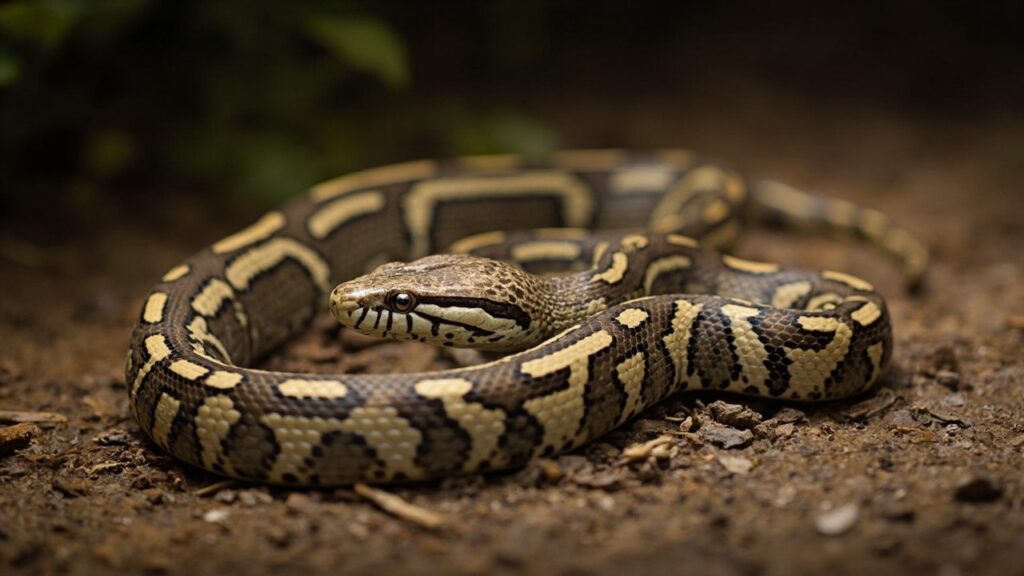
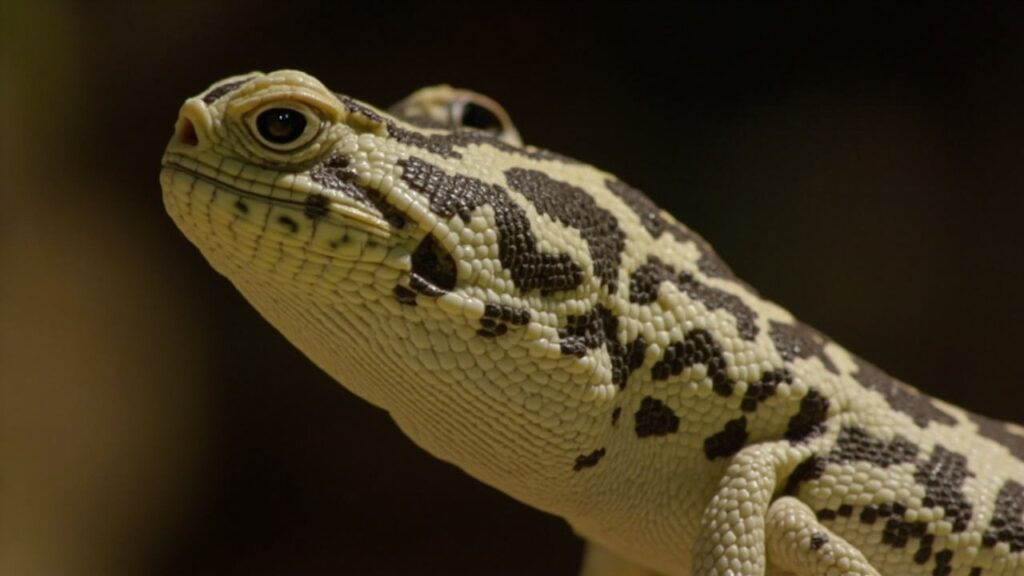
Reptiles have some pretty cool tricks for getting through the cold winter months. They go into a state called brumation (Learn more about brumation), where their body functions slow way down to save energy. Snakes are smart about picking their winter hideouts, using cues from their surroundings. Box turtles, on the other hand, dig deep into the ground to stay cozy.
Speaking of turtles, their hearts can slow to a crawl – just one or two beats per minute. Some turtles even have special openings in their bodies that let them breathe underwater. It's not just reptiles that have clever survival tactics; wood frogs (Rana sylvatica) actually make their own antifreeze (Learn more at UCMP) to avoid freezing solid.
Reptiles are also champs at using oxygen efficiently, which helps them survive in places where there's not much air. From turtles to snakes and lizards — with many capable of remarkable tail regeneration — these survival strategies are just the tip of the iceberg – there's a whole world of fascinating reptile behaviors waiting to be explored.
Unique Hibernation Strategies
Reptiles have some clever tricks up their sleeves when it comes to surviving winter. These cold-blooded creatures have mastered the art of slowing down when temperatures drop, entering a state called brumation. Unlike mammals that hibernate, reptiles occasionally wake up for a drink but mostly stay put.
Take box turtles, for example. They dig deep into fallen leaves and soil, creating a cozy hideout safe from freezing temperatures. Western fence lizards are equally resourceful, finding shelter in rock cracks or underground burrows.
During brumation, a reptile's body practically grinds to a halt. Their metabolism slows to a crawl, helping them conserve energy and vital resources until spring rolls around. It's a remarkable feat of adaptation that's evolved over millions of years.
This ability to essentially pause their lives during harsh seasons is a testament to the resilience of reptiles. From turtles to snakes and lizards, these animals have fine-tuned their survival strategies to match their environments. It's a fascinating example of nature's ingenuity at work.
Snake Hibernacula Behavior

Snakes have a knack for finding the perfect winter hideouts, known as hibernacula. These crucial shelters play a vital role in their survival during cold months. To locate these dens, snakes rely on various environmental signals, including the stars, Earth's magnetic field, and even scent trails left by other snakes.
What's fascinating is that good hibernacula become well-known spots, used year after year by different snake species. This shared winter accommodation isn't just about convenience; it's essential for maintaining the right conditions during their dormant period.
| Behavior | Description |
|---|---|
| Den Use | Recognized across generations, shared by multiple species annually |
| Navigation | Stars, Earth's magnetic field, and scent trails guide snakes to hibernacula |
| Winter State | As temperatures drop, snakes' bodily functions slow dramatically |
During hibernation, snakes' bodies essentially shut down. Their heartbeat slows to a crawl, breathing becomes minimal, and digestion grinds to a halt. Interestingly, snakes don't have an internal alarm clock to wake them up. See our guide to snake shedding myths for more on snake biology. They depend entirely on environmental changes to rouse them from their winter sleep. This makes choosing the right den absolutely critical, ensuring they wake up when conditions are favorable.
Turtles' Underground Retreat

Eastern box turtles have a clever way of surviving harsh winters. They bury themselves deep underground or sink into the mud at the bottom of ponds. This strategy protects them from freezing temperatures. These turtles are strong diggers, using their front legs to create burrows up to 15 inches deep. It's their natural way of escaping the cold and staying safe while inactive for months.
During this winter rest, their bodies slow down dramatically. Their heart rate drops from 40-50 beats per minute to just 1-2 beats. This slowdown helps them save energy when food is hard to find. Some turtles, like the painted turtle, have an amazing ability to survive with little or no oxygen. They can absorb oxygen through a special opening in their body.
As spring arrives and temperatures rise, these tough creatures emerge from their hideouts. They're ready to explore a world full of new life and plenty of food. This ability to endure harsh conditions shows how well turtles have adapted over time. It's a testament to their resilience in the face of nature's challenges.
Amphibian Antifreeze Mechanisms

Wood frogs have a remarkable ability to endure freezing temperatures, much like turtles. These amphibians can survive with up to 65% of their body water frozen solid. They accomplish this feat by flooding their system with glucose, which acts as a natural antifreeze, protecting vital organs even when most of their body is frozen.
The glucose levels in wood frogs can reach a staggering 55% of their total body weight. This high sugar concentration prevents the formation of ice crystals within cells, which would otherwise be fatal. Additionally, the frogs produce proteins that inhibit ice crystal growth, ensuring their tissues remain intact. Come spring, these resilient creatures thaw out and resume their normal activities without any harm to their organs or tissues.
The wood frog's antifreeze mechanism can be broken down as follows:
| Process | Role | Advantage |
|---|---|---|
| Glucose Saturation | Natural antifreeze | Prevents cellular ice formation |
| Protein Production | Limits ice crystal expansion | Maintains cellular integrity |
| Cyclical Adaptation | Enables freezing and thawing | Ensures winter survival |
As climate change presents new challenges, studying these amphibians' cold-weather strategies provides valuable insights into survival mechanisms and adaptability in changing environments.
Oxygen Adaptations in Reptiles

Reptiles have developed remarkable ways to cope with low-oxygen environments, using unique biological mechanisms to survive where other animals can't (See research on turtle hypoxia adaptations). Take turtles, for example. Some species can breathe through their rear end, using a multi-purpose opening that also handles waste and reproduction. This unusual adaptation allows them to stay underwater for months at a time, even when oxygen is scarce.
Snakes are also oxygen-efficiency champions. Certain species can hold their breath for up to two hours, thanks to their highly effective lungs. This skill is crucial for snakes living in places where air isn't always easy to come by.
Compared to warm-blooded animals, reptiles generally need less oxygen to keep their bodies running. Their slower metabolism means they can thrive in oxygen-poor settings where mammals and birds might struggle. Coupled with their unhurried heartbeat, reptiles make the most of every breath they take.
During the cold months, many reptiles enter a state similar to hibernation. In this dormant period, they use even less oxygen, helping them weather tough conditions and showcasing their impressive ability to adapt.
Frequently Asked Questions
What Is an Interesting Fact About Hibernation?
Think about a reptile in a deep sleep, its heart barely beating. During this winter rest, their body slows down a lot, saving energy for months at a time. This amazing trick of nature helps them survive the toughest weather. It's like they're taking a long break from the harsh world outside.
What Is the Hibernation Process of Reptiles?
The winter habits of reptiles are truly remarkable. These cold-blooded creatures don't actually hibernate like mammals do. Instead, they enter a state called brumation. During this time, their bodies slow down significantly. They stop eating and find safe spots to hunker down and save energy.
Unlike hibernating animals, reptiles in brumation don't sleep the whole time. They remain aware of their surroundings, though they're much less active than usual. The main thing that gets them moving is changes in temperature.
This process allows reptiles to survive harsh winter conditions when food is scarce and temperatures drop too low for their liking. It's a fascinating adaptation that shows how these animals have evolved to thrive in challenging environments.
How Long Can Reptiles Hibernate?
Think of a clock ticking at a snail's pace. Reptiles can slow their bodies down for extended periods, ranging from a few weeks to several months. The duration varies based on the species and environmental factors. For instance, some turtles might hunker down for up to five months, while ball pythons may remain dormant for several months — a completely normal response to cooler temperatures. This remarkable ability allows these cold-blooded creatures to conserve energy during harsh conditions, effectively pressing pause on their metabolic processes until more favorable times return.
Are Reptiles Conscious During Brumation?
For more on how reptile minds work, see our article on reptile intelligence myths debunked.
Reptiles don't fully zonk out during brumation. While their activity slows way down, they're not totally checked out. These cold-blooded creatures can still react to what's going on around them, keep breathing, maintain a heartbeat, and even switch between sleep and wake states. It's like they're running on low power mode rather than completely shutting down for the season.