Snake Tongue Sting Myth

Many people wrongly believe snakes sting with their tongues. This isn't true. Snakes use their split tongues to pick up chemical cues from their surroundings. These signals go to a special organ called the Jacobson's Organ, which helps snakes make sense of their environment. If a snake does inject venom, it uses its fangs, not its tongue. This misconception probably comes from people misunderstanding how snakes behave. It's worth questioning such beliefs. A snake's tongue is actually a sophisticated sensory tool, working like a scent detector. There's much more to learn about these often misunderstood animals, and it's worth taking the time to separate fact from fiction.

Understanding Snake Tongues

Youtube video

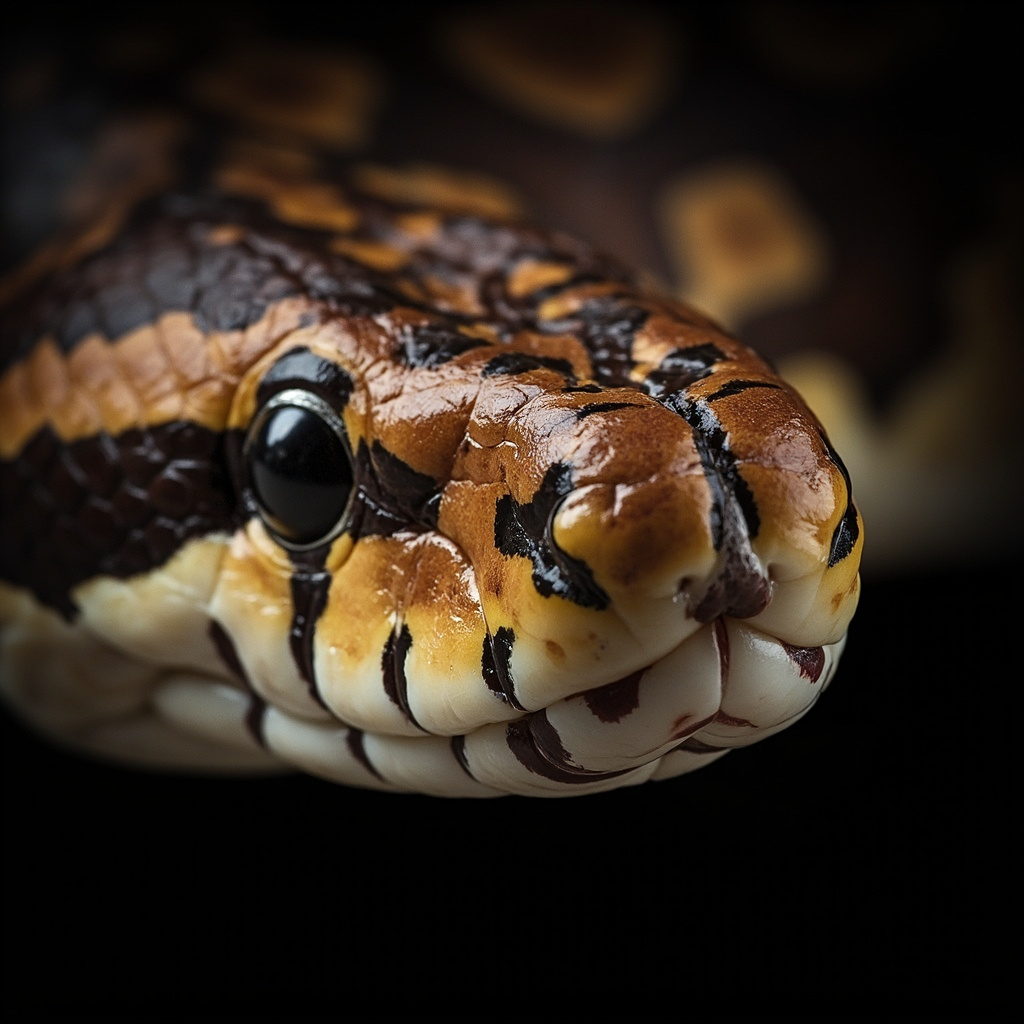
Snake tongues are fascinating organs, often misunderstood by many. Contrary to popular belief, these forked appendages don't sting. Instead, they're highly sophisticated sensory tools.

The split tongue collects chemical signals from the environment. It then passes these to the Jacobson's Organ, a special receptor in the roof of the mouth. This organ decodes the chemical information, helping snakes make sense of their surroundings.

Many people hold misconceptions about snake tongues, but the truth is far more interesting than fiction. The forked design isn't for show – it's a clever adaptation that allows snakes to detect the direction of scents. This ability is crucial for finding food and avoiding threats

. You can read more about how tongue flicking works in detail in our dedicated guide.

The Role of Tongue Flicking

tongue flicking in snakes

Snakes don't just flick their tongues for show. This constant motion is key to how they understand their surroundings. Each flick collects tiny particles from the air, which are then analyzed by a special organ in the snake's mouth called the Jacobson's Organ. This process lets snakes pick up on chemical signals that reveal nearby prey, predators, or potential mates.

The split design of a snake's tongue isn't random. It allows them to gather information from two spots at once, similar to how humans use two ears to figure out where a sound is coming from. By comparing the particles collected on each side of the tongue, snakes can pinpoint the direction of a scent with impressive accuracy.

Some might wonder if this method is really effective, but research shows it's crucial for snakes to hunt and survive. The repeated tongue flicks continuously sample the air, giving snakes up-to-date information about their environment. Far from being a strange quirk, the forked tongue is a sophisticated tool that's essential to how snakes interact with the world around them.

Venom Delivery Mechanisms

injection of toxic saliva

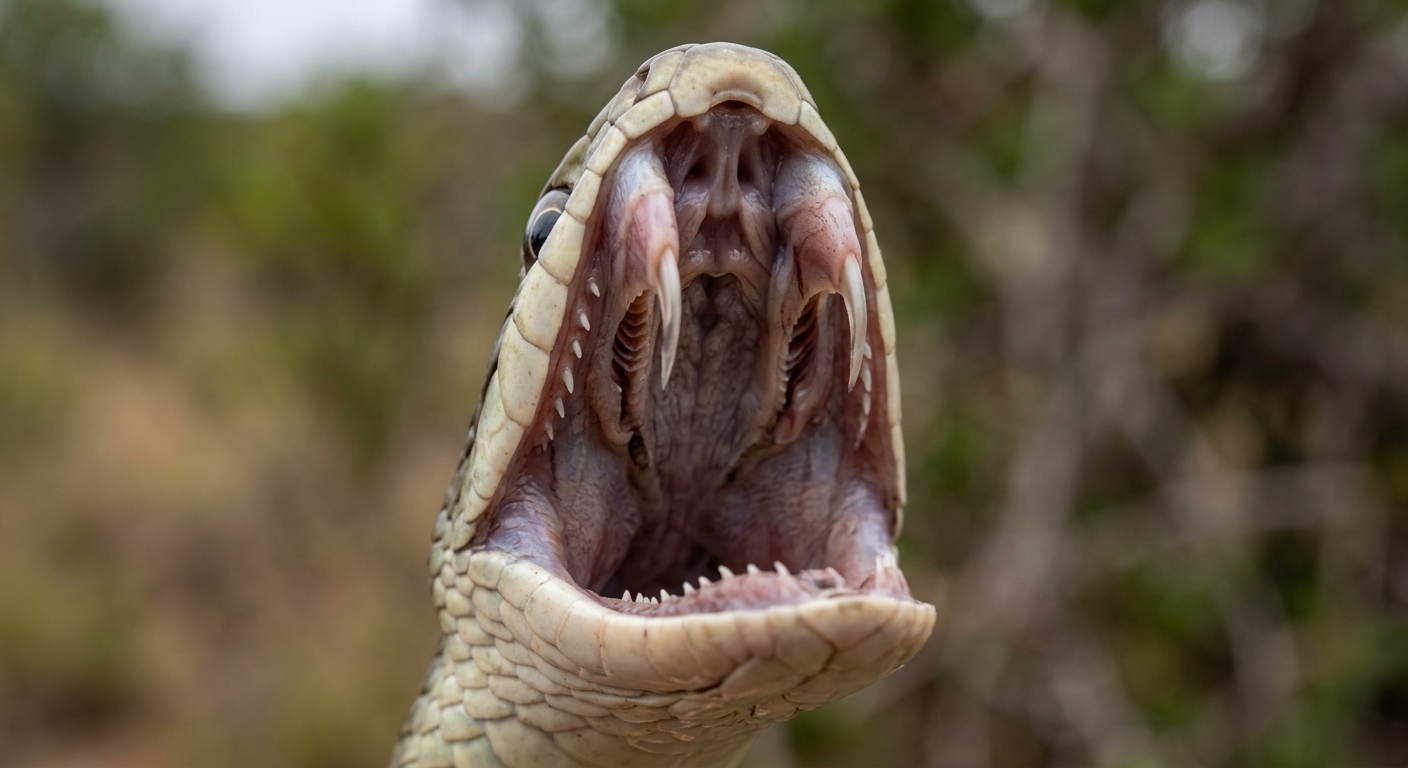
Snakes don't use their tongues to inject venom, despite what many believe. Instead, they have a complex system involving their fangs and venom glands. These reptiles have developed intricate venom delivery methods, while their forked tongues remain harmless, only used to pick up chemical signals from their surroundings. The idea that snakes can sting with their tongues is simply not true.

The real action occurs in their fangs and venom glands. When a snake bites, venom flows through channels in their fangs, working much like tiny needles. This method is both effective and lethal, targeting prey accurately. While some might find the concept of venomous snake tongues exciting, the reality is far more complex and interesting. You can also read about how snake jaws actually work in our dedicated guide — you might be surprised to learn not all snakes are venomous.

Here's a quick comparison to set the record straight:

Common Misconception Actual Fact
Snakes use tongues for venom delivery Snakes use fangs and venom glands
Forked tongues have poisonous tips Forked tongues are for sensing
Snakes can sting with tongues Snakes bite, they don't sting
Tongue flicking is threatening Tongue flicking is for exploring

Common Snake Myths

snakes are not deadly

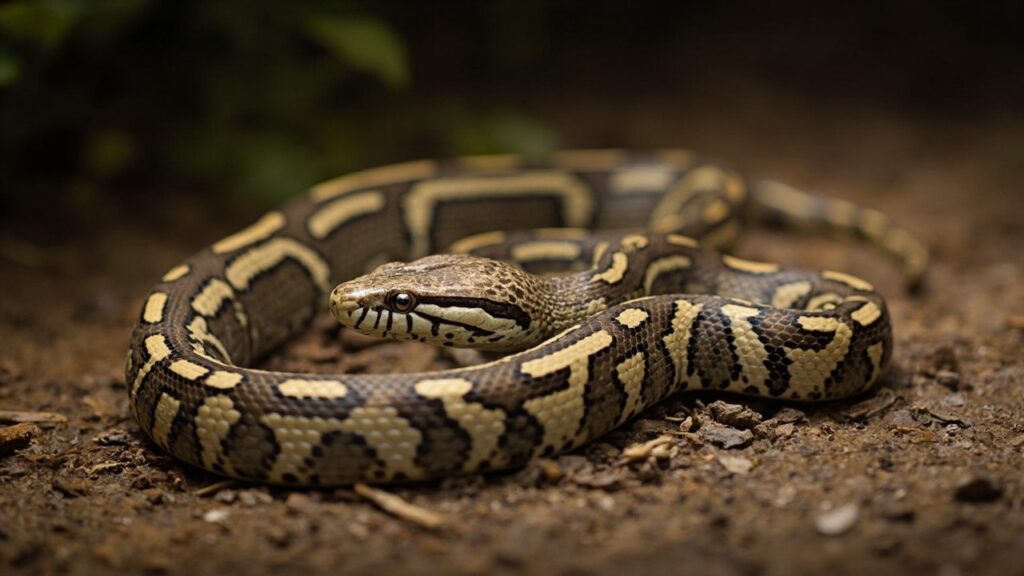
People often think snakes can hypnotize their prey, but that's just not true. This idea comes from seeing snakes stare without blinking, which some folks mistake for hypnosis. The reality is, snakes can't mesmerize anything – they just don't have eyelids, so their eyes stay open.

Another common mistake is thinking all snakes are venomous. While many are, not all snakes are venomous, and plenty are harmless to humans. There are over 3,000 types of snakes in the world (source), and only about 600 are venomous – with fewer than 200 capable of seriously harming a human. This misunderstanding often leads to unnecessary fear and killing of non-venomous snakes. You might also be curious about how snakes shed their skin – another frequently misunderstood aspect of snake biology.

Some people believe snakes can sting with their tongues, which is also false. Their forked tongues actually collect scent particles and transfer them to a special organ in their mouth to help them understand their surroundings. They're just exploring, not getting ready to attack.

These wrong ideas contribute to snakes' bad reputation. By setting the record straight, we can help people better understand and appreciate these interesting animals.

How Snakes Sense Environment

detecting heat and motion

Snakes have a unique way of sensing their surroundings, which goes beyond common misconceptions. Their forked tongues aren't just for show – they're crucial tools for gathering information. As a snake flicks its tongue, it picks up chemical particles from the air and ground. These particles are then transferred to a special organ in the roof of the mouth, called the Jacobson's Organ. This process allows snakes to effectively "taste" their environment, giving them vital information about potential prey, predators, or mates. Learn more about how snakes perceive their world.

But snakes don't rely solely on their tongues. Their lower jaws are equipped with receptors that detect vibrations in the ground and air. This ability helps them sense movement nearby, even when they can't see it. By combining chemical detection and vibration sensing, snakes build a comprehensive picture of their surroundings.

Understanding how snakes perceive their world challenges the notion that they're simple or inherently dangerous creatures. Their sensory systems are actually quite sophisticated, allowing them to thrive in various environments. This knowledge can foster a greater appreciation for these often misunderstood animals and their remarkable adaptations.

Frequently Asked Questions

Can a Snake Sting With Its Tongue?

After looking into this question, I'm doubtful. Snakes don't use their tongues for stinging at all. Instead, they rely on their tongues to get a sense of what's around them. The idea of a snake stinging with its tongue is just plain wrong. Snakes actually deliver venom through their fangs, not their tongues. They simply don't have the right body parts to sting with their tongues.

What Is the Forked Tongue Myth?

Many people link the split tongue of snakes to trickery, but that's just not true. In reality, their forked tongues are simply a clever tool for sensing their surroundings. It's high time we ditched these old myths and focused on facts. After all, progress comes from understanding, not from clinging to outdated ideas.

What Happens When a Snake Flicks Its Tongue?

A snake's tongue flick serves a vital purpose. As it darts out, the tongue gathers tiny particles from the surrounding air. These particles then make their way to a specialized sensory organ called the Jacobson's Organ. This remarkable organ processes the chemical information, helping the snake detect nearby animals – whether they're potential meals, threats, or mates. The split nature of the tongue isn't just for show; it actually helps the snake pinpoint the direction of these chemical signals, giving it a crucial edge in its environment.

What Is the Saying About Snakes Tongue?

The old saying about snake tongues often hints at sneakiness or risk, but it's worth questioning. Just because a common phrase exists doesn't make it accurate. We'd do well to challenge these ideas and find out for ourselves what's really true. Digging deeper into animal behaviors can reveal surprising facts that go against popular beliefs. It's easy to repeat what we've heard, but taking a closer look can lead to eye-opening discoveries about nature and how we perceive it.

Scroll to Top