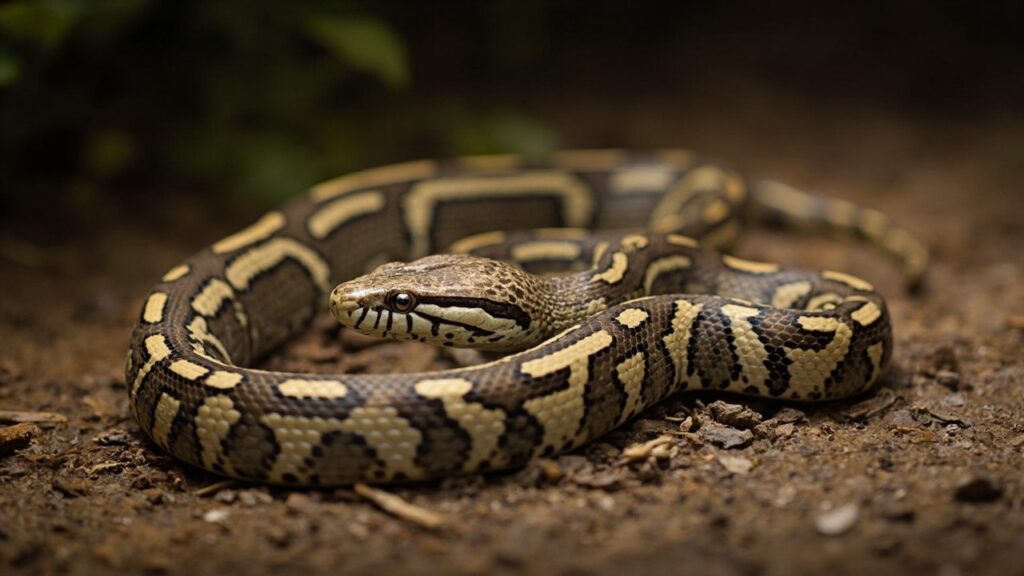
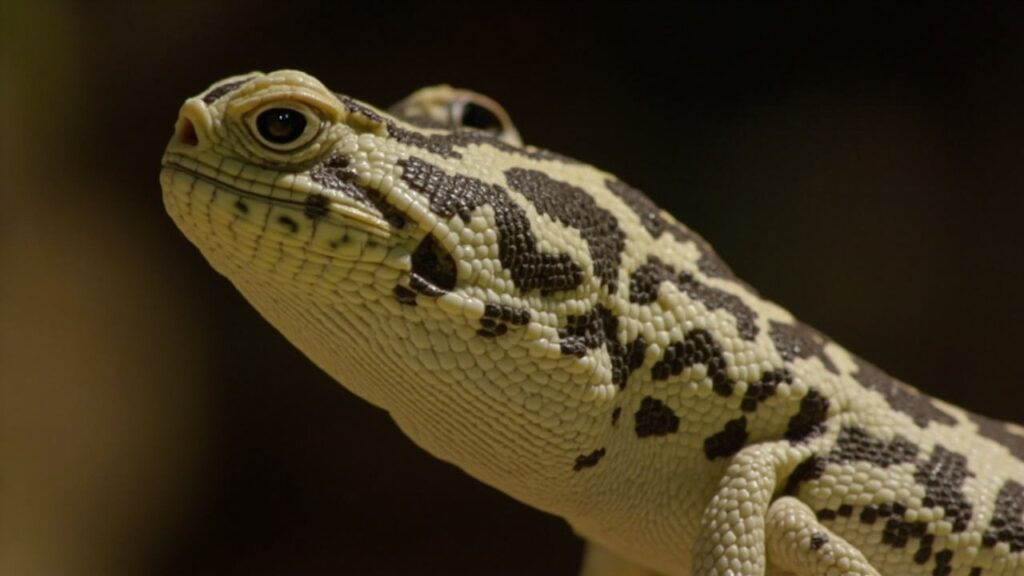
Shedding, or ecdysis, is a normal part of a snake’s life. Frequency varies with species, age, growth, health, and conditions; young, growing snakes often shed more often than mature animals. There is no universal annual schedule.
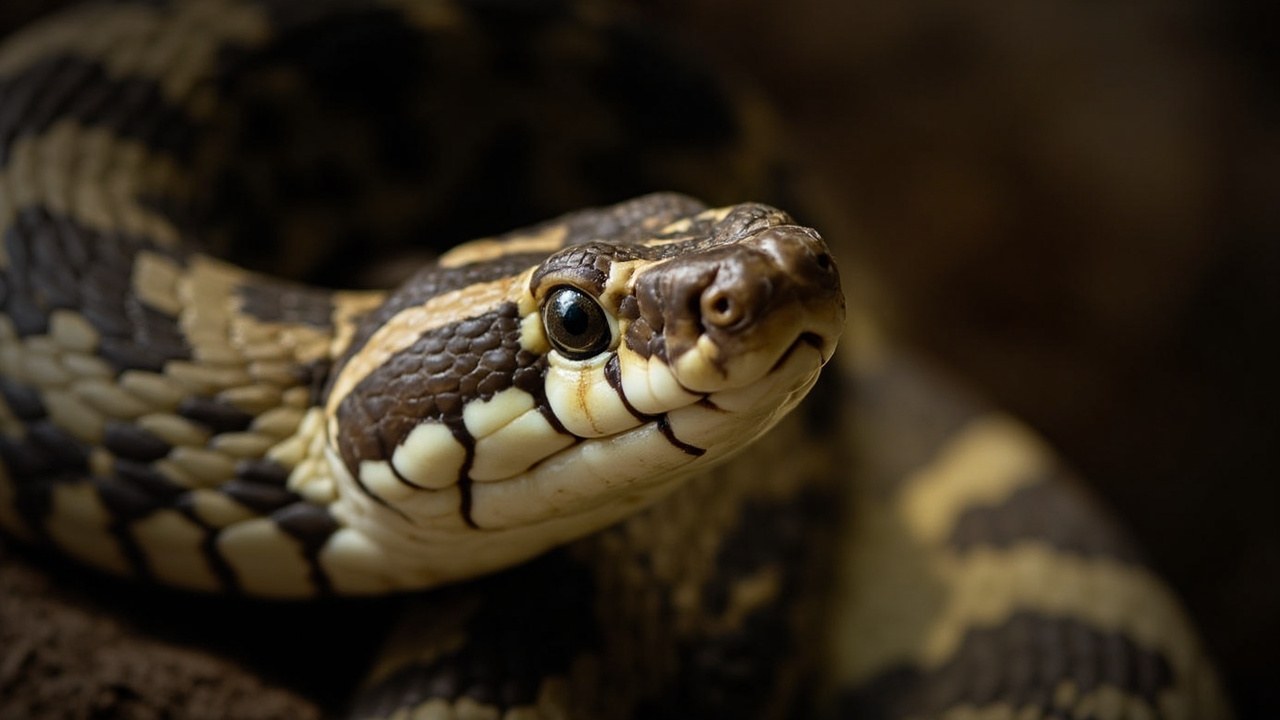
Why the eyes turn cloudy
Snakes have a clear scale called a spectacle over each eye rather than movable eyelids. During a shed cycle, fluid separates the old and new skin layers, which can make the skin dull and the spectacles look cloudy or blue-grey. The eyes usually clear again shortly before the shed comes off.
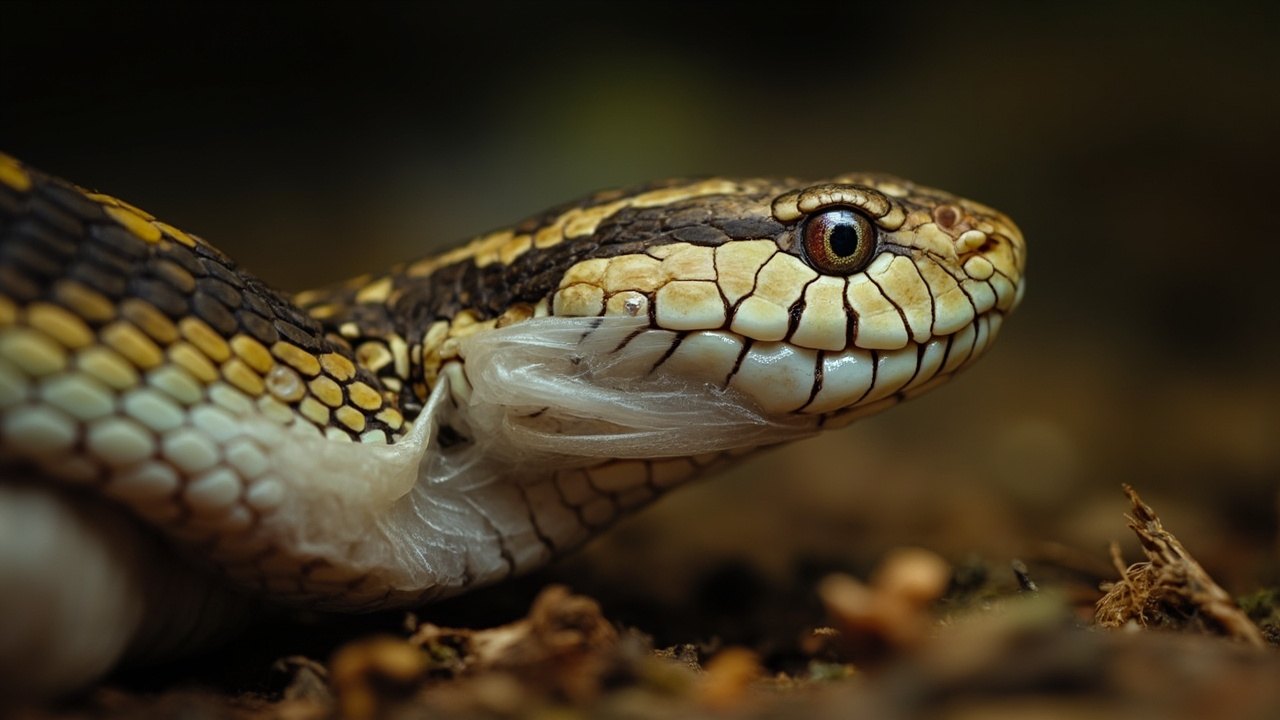
Does every shed come off in one piece?
Many healthy snakes shed in an inside-out tube, but a torn shed can occur. A complete shed is useful information, not a reason to pull skin from a snake. Forcing skin from the body or eye area can cause injury.
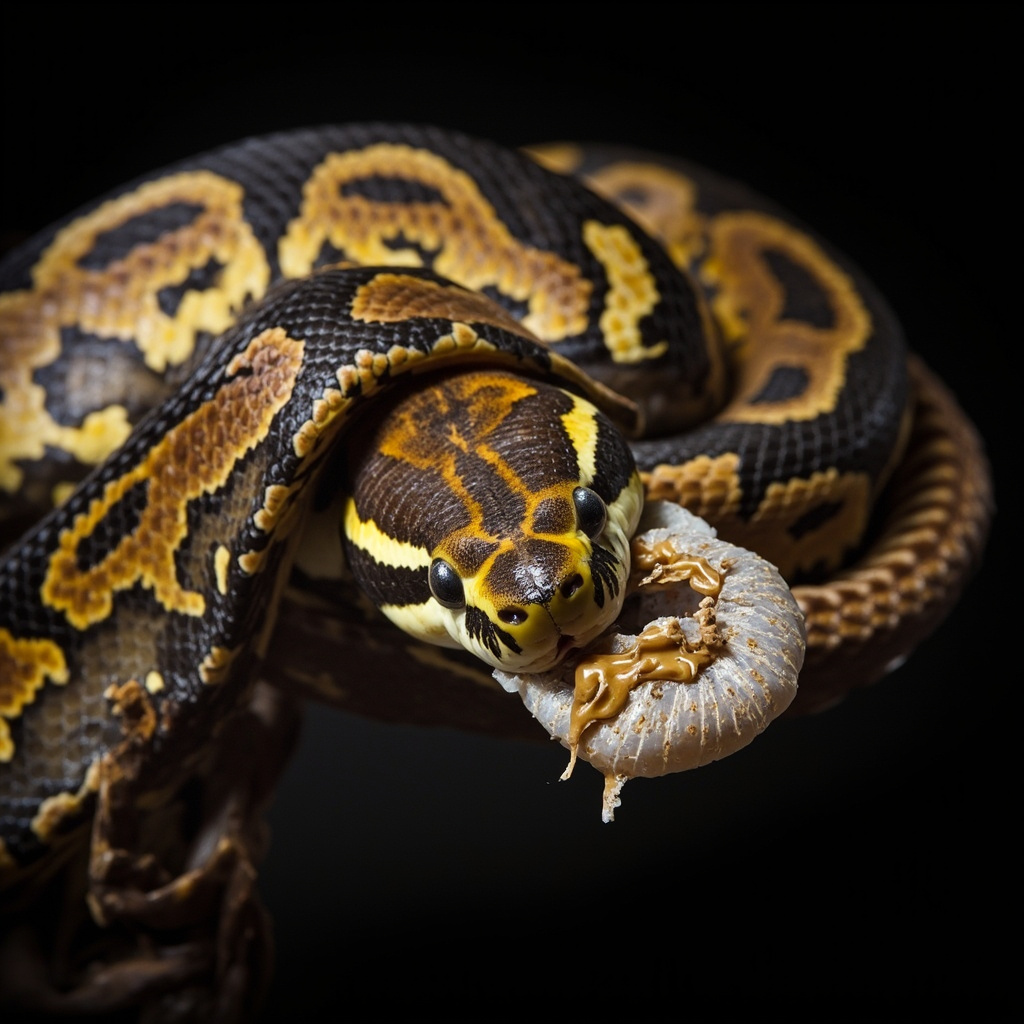
When to seek help
Repeated retained skin, retained spectacles, appetite changes, wounds, or other signs of illness deserve advice from a reptile-experienced veterinarian. Captive care should be adjusted for the individual species rather than following a generic humidity or soaking recipe.
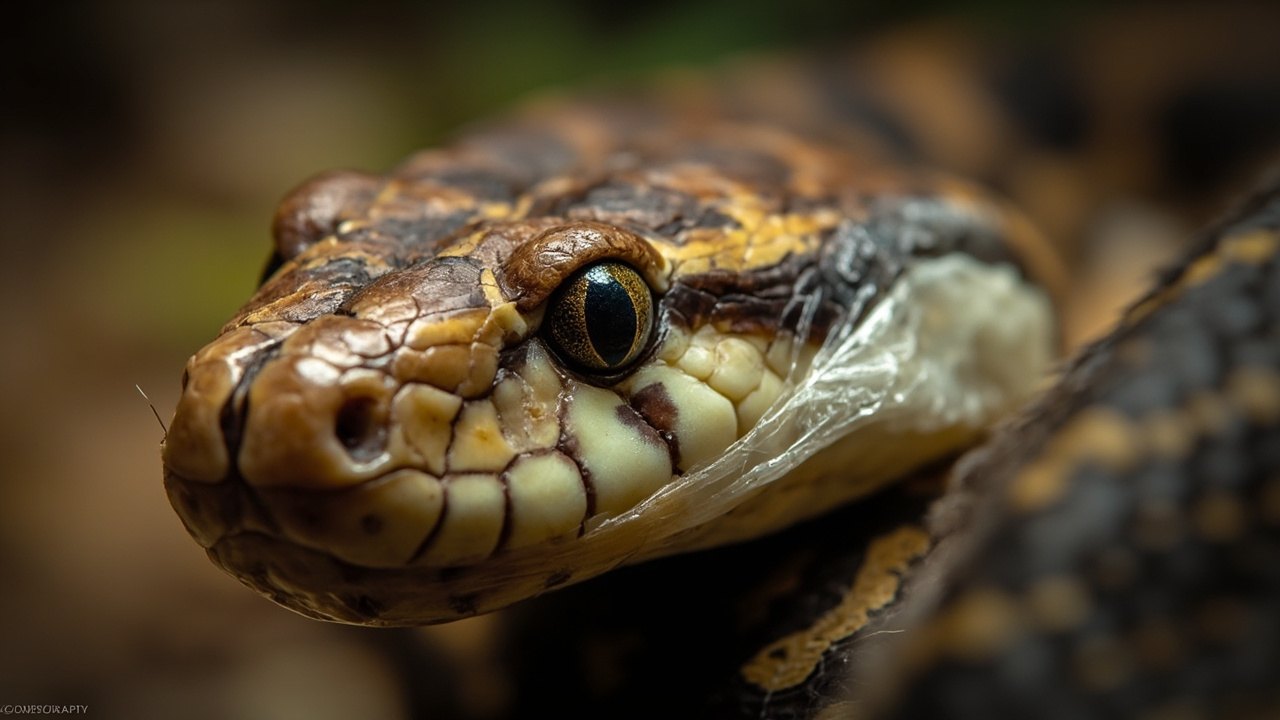
Shedding Is a Normal Skin Renewal Process
Snakes periodically shed the outer layer of skin as they grow and renew it. Before a shed, colours may appear dull and the clear covering over the eye may look cloudy or blue-grey. This stage can affect vision and make an animal more likely to seek cover. It should not be treated as a reason to handle the snake repeatedly or pull at the old skin.
Shedding frequency varies with age, growth, species, season, health and conditions in the enclosure. A young growing snake may shed more often than a mature animal, but there is no single calendar that applies to every individual.
One Incomplete Shed Does Not Explain the Cause
Pieces of retained skin can occur for several reasons, including an unsuitable enclosure, dehydration, injury or illness. Do not assume that extra misting, soaking or handling is always the right response. The skin over the eyes and the tail tip require particular care because forceful removal can cause harm.
Check the Whole Husbandry Picture
Review the species-appropriate temperature range, access to water, suitable surfaces, secure hides and recent health history. Record what happened and consult a reptile-qualified veterinarian if sheds are repeatedly incomplete, the eyes remain covered, or there are signs of swelling, wounds or unusual behaviour.
Sources and review notes
Reviewed 23 August 2026. Reptile biology is wonderfully variable. We have avoided turning one species, photograph or dramatic observation into a rule for an entire group, and we have used cautious wording where evidence or local conditions differ.
Reference starting points: The Reptile Database, The IUCN Red List of Threatened Species, and PubMed-indexed research. Conservation status, taxonomy and local laws can change, so check the linked databases and the relevant local authority for current information.
Spotted something we should revisit? Send Reptile Explorer a correction—thoughtful reader feedback is always welcome.