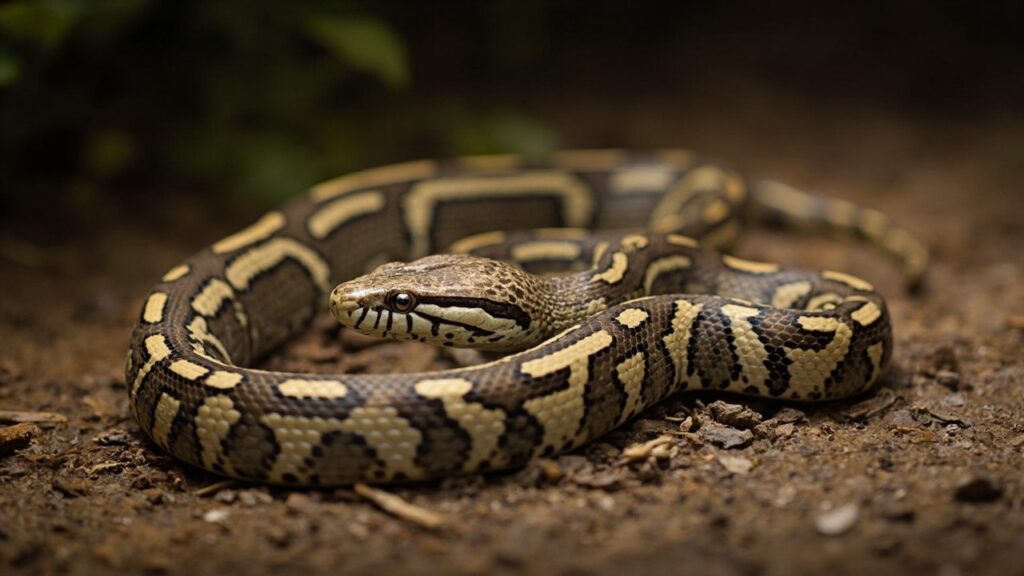
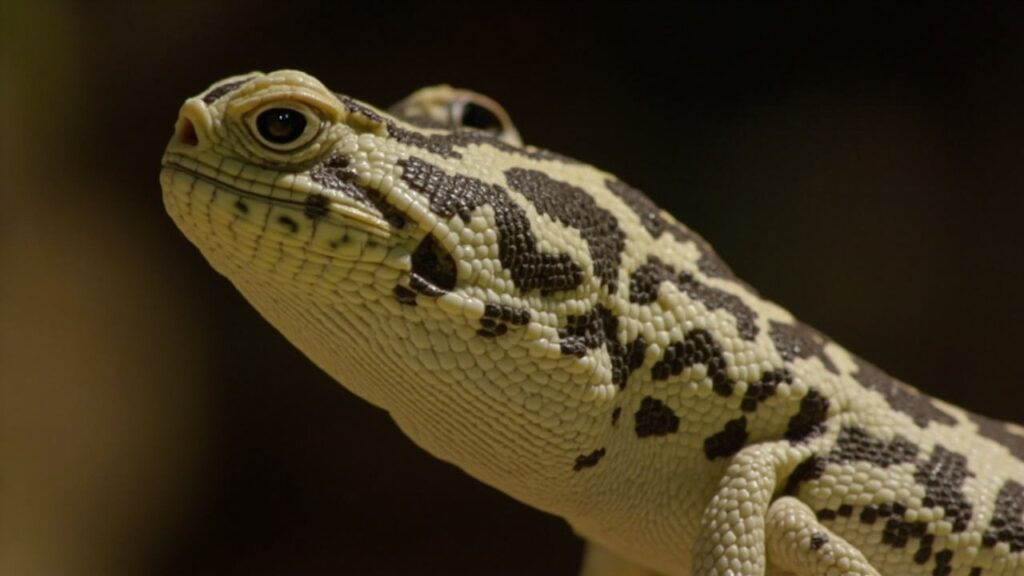
Many reptiles lay eggs, but not all of them do. Some snakes and lizards give live birth, and reproductive strategies vary widely across turtles, crocodilians, lizards, snakes, and tuatara. A broad statement such as “reptiles lay eggs” leaves out a great deal of that diversity.

Eggs and nests are not all alike
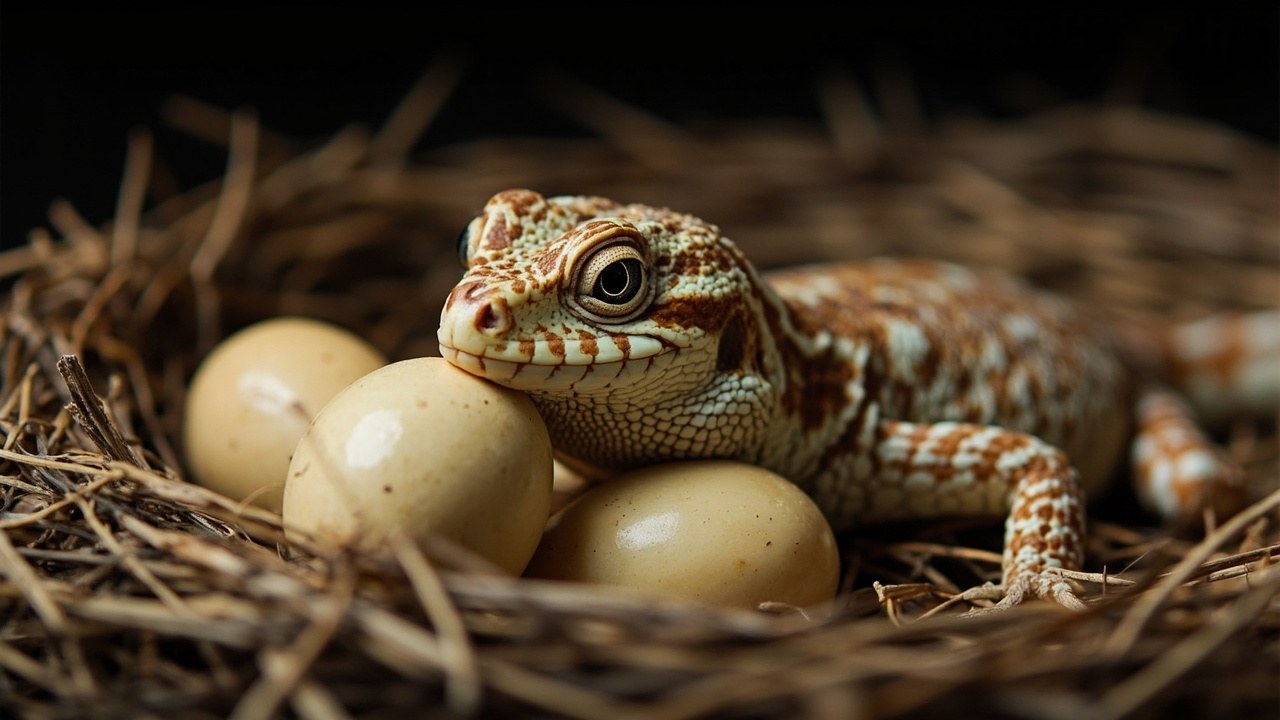
Reptile eggs may be leathery or more rigid, and nests can be underground, in vegetation, on open sand, or in other protected sites. Incubation time, clutch size, and parental involvement are species-specific. Some reptiles guard nests or brood eggs; many do not remain after nesting.
Temperature and sex
Temperature-dependent sex determination occurs in some reptiles, including all crocodilians, most turtles, and some lizards. It is not universal, and the temperature-to-sex relationship differs among species. It should not be reduced to a single “warmer means” rule or used as generic home-incubation advice.
Leave wild nests alone
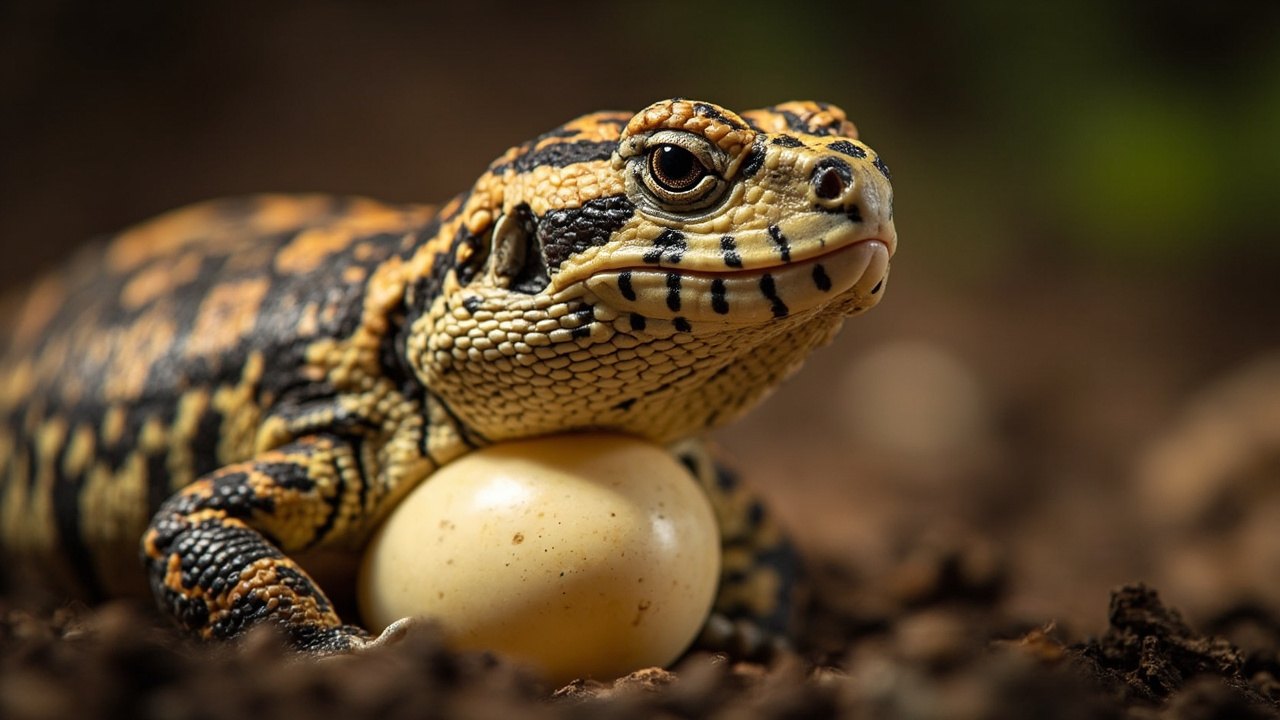
Wild eggs can be harmed by handling or turning. If a nest is in danger, contact the relevant wildlife authority or a licensed rehabilitator rather than attempting to incubate or relocate it yourself.
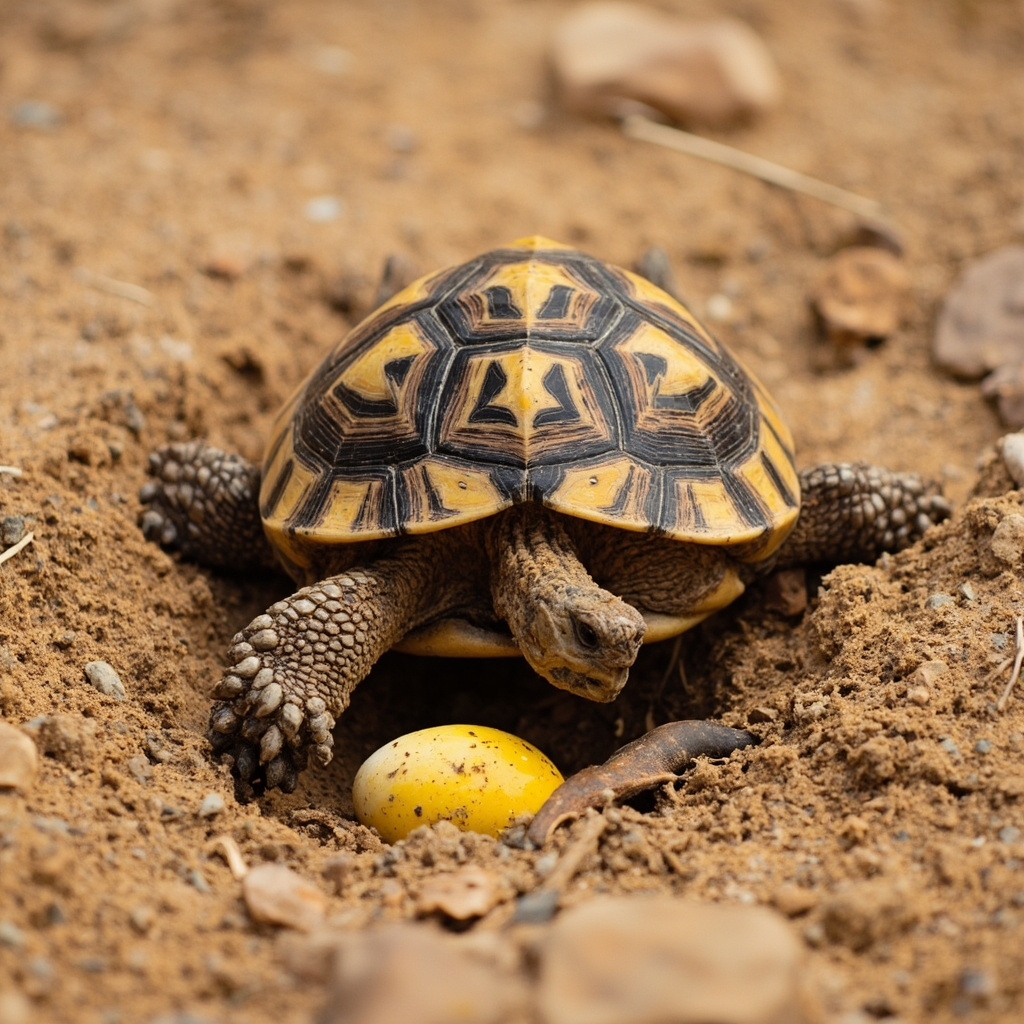
Egg Development Needs More Than Warmth
A reptile egg exchanges gases through its shell and develops within a balance of temperature, moisture and air movement suited to its species. Conditions that are too dry, too wet, too hot or too cold can disrupt development. The appropriate range is not transferable from one snake, turtle, lizard or crocodilian to another. Captive incubation should follow reliable species guidance and should not be improvised from generic online advice.
Egg Laying Does Not Always Mean Fertile Eggs
Some female reptiles can lay infertile eggs without mating, while fertile eggs require the relevant reproductive conditions for that species. Shell appearance alone cannot establish fertility or normal development. A reptile that is straining, inactive, injured or behaving unusually around an attempted laying event needs prompt veterinary assessment. Those signs should not be dismissed as routine nesting behaviour.
Wild Nests Contain Useful Evidence
Nest location, shell fragments, tracks and hatchling signs can help trained staff understand reproduction and habitat use. Handling eggs or changing their position can damage developing embryos, so visitors should not inspect a nest for curiosity. If eggs are exposed, threatened by construction or in an unsafe public area, contact the relevant wildlife authority or licensed rehabilitator for direction.
Sources and review notes
Reviewed 23 August 2026. Reptile biology is wonderfully variable. We have avoided turning one species, photograph or dramatic observation into a rule for an entire group, and we have used cautious wording where evidence or local conditions differ.
Reference starting points: The Reptile Database, The IUCN Red List of Threatened Species, and PubMed-indexed research. Conservation status, taxonomy and local laws can change, so check the linked databases and the relevant local authority for current information.
Spotted something we should revisit? Send Reptile Explorer a correction—thoughtful reader feedback is always welcome.